


Where 2K Injection Molding is Used Across Industries
2K injection molding is widely used across industries to create durable, multi-material parts in a single, efficient process. Key applications include soft-touch automotive interiors, sealed medical device housings, waterproof consumer electronics, and ergonomic power tool handles. The process excels at combining rigid and soft plastics to achieve superior performance and aesthetics where single-material solutions would fail, making it a cornerstone of modern product design.
Key Applications at a Glance
- Automotive: Interior buttons, instrument panels, and integrated weather seals.
- Medical & Healthcare: Ergonomic surgical tools and sealed, sterilizable diagnostic devices.
- Consumer Electronics: Waterproof smartwatch casings, rugged phone cases, and camera grips.
- Industrial & Tools: Non-slip power tool handles and vibration-dampening components.
What is 2K Injection Molding? A Brief Overview
2K injection molding, also known as two-shot molding, is a manufacturing process that uses a single, highly automated cycle to create a part from two different polymers. The technique employs a specialized injection molding machine with two injection units and a mold designed to rotate or shift between shots. After the first material (the substrate) is injected, it is repositioned, and the second material is molded over or around it. This method forms a permanent chemical bond between the materials, resulting in a seamlessly integrated component with multiple properties, eliminating the need for later assembly.
To understand the mechanics in greater detail, see our complete 2K injection molding guide.
Why Do Designers Choose 2K Injection Molding?
Designers choose 2K molding when a product's success depends on combining material characteristics that are impossible to achieve with a single polymer. It’s a solution-oriented process that addresses complex engineering challenges, moving beyond the limitations of standard molding to create more advanced and reliable products. The decision to use 2K molding is typically driven by one of the following needs:
- Enhanced Functionality: The most common driver is the need to combine a rigid structure with a flexible, functional element. A perfect example is a rigid electronics housing that requires a built-in flexible gasket to make it waterproof.
- Superior Ergonomics: For any handheld product, from a power tool to a surgical instrument, user comfort and grip are paramount. 2K molding allows for a soft, non-slip material to be permanently bonded to a hard, structural handle.
- Improved Durability and Aesthetics: This process allows for multi-color designs, logos, or text to be molded directly into a part, meaning they can never be scratched off or worn away. It also creates more robust parts by integrating seals and bumpers, protecting them from environmental factors and impacts.
- Manufacturing Efficiency: For high-volume production, creating a multi-material part in one automated cycle is far more cost-effective than molding two separate parts and paying for manual assembly. It reduces labor costs, speeds up production time, and increases consistency.
These drivers are a direct result of the inherent benefits of the 2K molding process.
2K Injection Molding Applications in the Automotive Industry
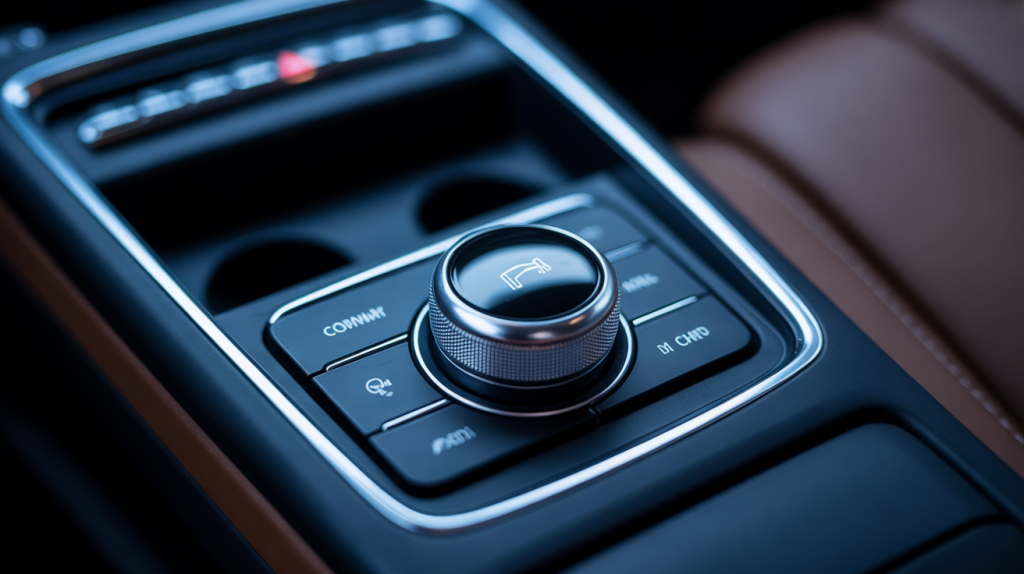
In the automotive sector, 2K injection molding is critical for enhancing interior comfort and durability, sealing sensitive electronics from the elements, and improving vehicle performance through vibration reduction. The demand for vehicles that are quieter, more comfortable, and more reliable has made this process indispensable for modern car manufacturing.
Interior Components (Knobs, Buttons, and Trim)
- Problem: High-touch surfaces in a car's interior, like climate control dials, window switches, and infotainment buttons, are subject to constant wear. Traditional methods of painting icons or using separate grip materials can lead to fading, peeling, and a cheap feel over time, diminishing the perceived quality of the vehicle.
- 2K Solution: This process allows for the creation of highly durable and aesthetically pleasing components. A hard, structural base (like ABS or PC plastic) is co-molded with a durable, soft-touch TPE surface. This provides a comfortable, non-slip grip that feels premium and is permanently bonded to the part. For backlit buttons, an opaque, colored layer is molded over a translucent one, leaving the icon or text clear. This ensures the symbol will never wear off, unlike paint or decals.
Weather Seals and Gaskets
- Problem: A vehicle contains dozens of sensitive electronic modules, sensors, and lighting systems that must be protected from water, dust, and engine fluids. Using separate, manually installed rubber seals or gaskets can be unreliable; they can be installed incorrectly, become dislodged by vibration, or degrade over time, leading to costly electronic failures.
- 2K Solution: Integrated seals are a hallmark of 2K molding. A flexible, weather-resistant material like silicone or TPE is molded directly onto the rigid housing of a component. This creates a permanent, one-piece part with a perfect, seamless seal. This application is commonly used for headlight and taillight enclosures, electronic control unit (ECU) cases, and wire harness connectors, ensuring a lifetime of protection against the elements.
2K Injection Molding Applications in the Medical Field
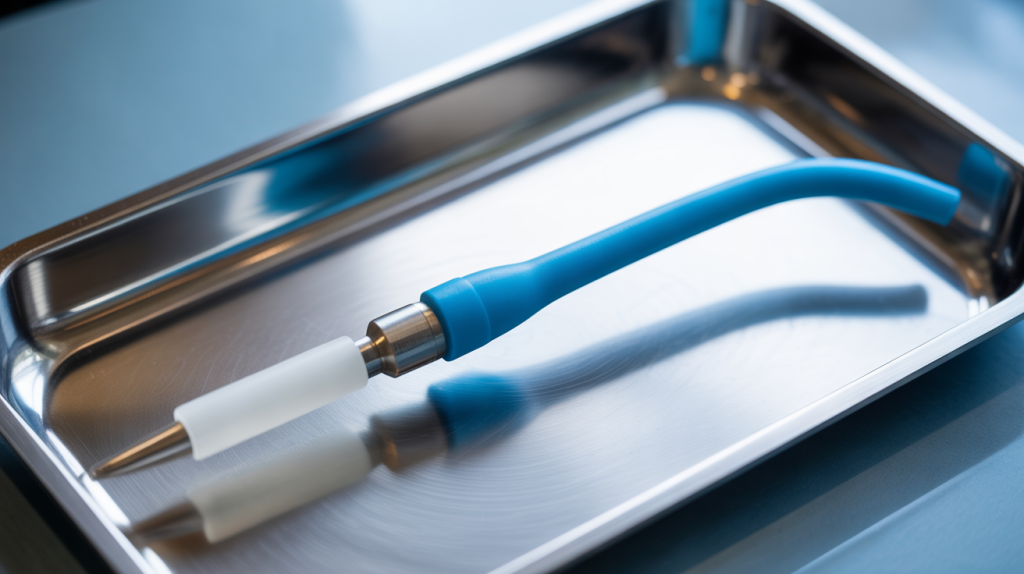
The medical industry relies on 2K injection molding for its ability to produce sealed, sterilizable, and ergonomic devices using biocompatible materials that enhance patient and practitioner safety. The precision and cleanliness of the process are essential for applications where failure is not an option.
Surgical Instruments and Handles
- Problem: Surgical instruments like scalpels, endoscopes, and dental tools require a non-slip grip for precise control in critical situations. Furthermore, these tools must be completely sealed, with no gaps or seams where bacteria can hide, and they must be able to withstand repeated sterilization cycles (like autoclaving) without degrading.
- 2K Solution: A rigid substrate, often made from a strong, chemical-resistant plastic, is co-molded with a biocompatible TPE or silicone. This creates a seamless, sealed, and comfortable handle that provides a secure grip, even when wet. The molecular bond ensures the soft grip material will never separate, and the one-piece design makes the instrument far easier to clean and sterilize effectively.
Diagnostic Device Housings
- Problem: Handheld diagnostic devices, such as glucose monitors, pulse oximeters, and portable ultrasound probes, need to be durable enough for a clinical environment. They must be sealed to protect sensitive internal electronics from cleaning fluids and require soft bumpers for drop protection.
- 2K Solution: A rigid housing is molded with integrated seals and protective TPE bumpers in a single cycle. This not only makes the device more robust and fluid-resistant but also streamlines the manufacturing process. It eliminates the need for separate bumpers that could peel off and gaskets that could fail, resulting in a more reliable and higher-quality medical device.
2K Injection Molding Applications in Consumer Electronics
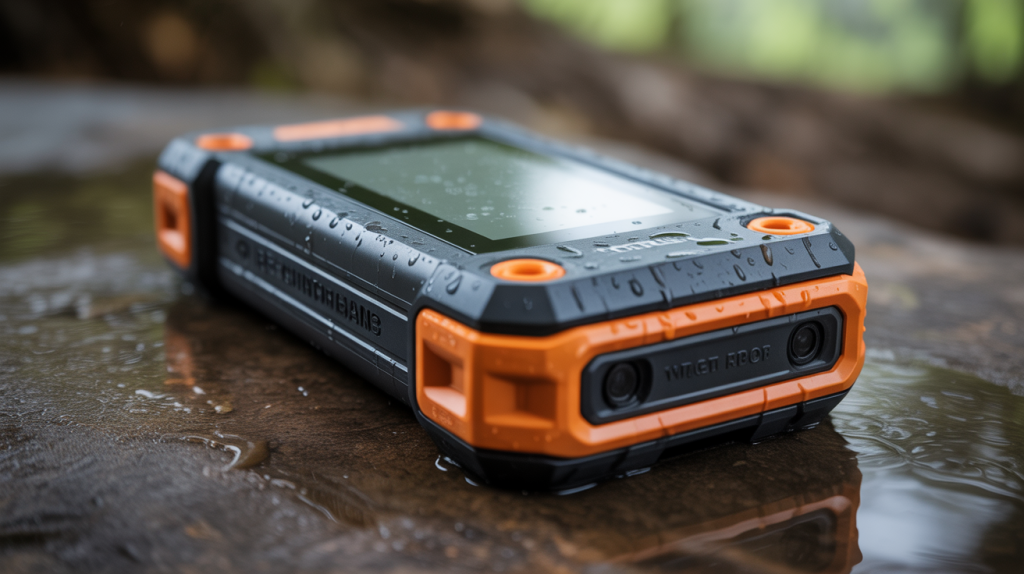
For electronics, 2K molding is the key technology for creating compact, rugged, and waterproof devices with a premium look and feel that consumers demand. In a market driven by aesthetics and durability, this process provides a significant competitive advantage.
Wearable Technology and Smart Devices
- Problem: Devices like smartwatches, fitness trackers, and earbuds are worn daily and are exposed to sweat, rain, and accidental splashes. They also need to be comfortable against the skin for extended periods.
- 2K Solution: Molding a flexible, skin-friendly TPE or silicone material directly onto the rigid casing of the device achieves both waterproofing and comfort. Integrated seals around buttons and charging ports are created seamlessly. For watch bands, a rigid inner structure can be co-molded with a soft, flexible outer layer for durability and a comfortable fit.
Ruggedized Housings and Protective Cases
- Problem: Smartphones, tablets, and other portable electronics are prone to damage from drops and impacts. Bulky, multi-part cases can offer protection but often compromise the device's sleek design.
- 2K Solution: A shock-absorbing TPE material is permanently bonded to a rigid polycarbonate or ABS shell, creating a two-layer protective case in a single molding process. This provides superior impact resistance without adding significant bulk and ensures the protective layers will never separate.
Other Key Industry Applications
Beyond the automotive, medical, and consumer electronics sectors, 2K molding provides significant value in a variety of other industries:
Power Tools and Industrial Equipment:
Non-slip, vibration-dampening handles and grips are essential for user safety and comfort. 2K molding allows for the creation of durable, ergonomic handles that can withstand harsh industrial environments.
Household and Consumer Goods:
Products like toothbrushes and razors benefit from soft-touch grips for better control. Kitchen utensils can have durable, heat-resistant bodies with comfortable, non-slip handles. Even packaging can utilize 2K molding for tamper-evident seals or easy-open features.
Aerospace:
While perhaps less common, specialized applications exist where lightweight, durable components with integrated seals or vibration dampening are required.
The complexity and precision required for many of these parts often necessitate a sophisticated custom 2K injection mould.
Mini-FAQ
Common material combinations for 2K molding include rigid plastics like ABS, polycarbonate (PC), or polypropylene (PP) as the structural component, bonded with flexible thermoplastic elastomers (TPE) or thermoplastic polyurethane (TPU) for soft-touch or sealing functions. The key to a successful 2K molding application is ensuring the two materials are chemically compatible to achieve a strong, permanent bond. You can find more details in our guide to compatible materials for 2K molding.
Yes, creating clear windows or lenses integrated with an opaque or colored frame is a very common and effective application of 2K molding. Typically, a clear polycarbonate (PC) is molded as one shot, and then a second shot of ABS or TPE is molded around it to create the frame or housing. This is widely used in automotive lighting, electronic displays, and medical devices.
Conclusion
From the vehicles we drive and the medical devices that heal us to the smartphones we rely on daily, 2K injection molding applications are pervasive across a vast spectrum of industries. The process provides a versatile and efficient solution for creating advanced products that are not only more durable and functional but also more aesthetically appealing and user-friendly. By enabling the seamless combination of different material properties in a single manufacturing step, 2K molding continues to drive innovation and improve the quality of countless products we use every day.
