


Aerospace Fasteners: Essential Guide for Modern Aircraft Manufacturing
In the aerospace industry, precision, reliability, and safety are non-negotiable. Every component must withstand extreme stress, vibration, and environmental conditions. Among these critical components are aerospace fasteners—small but essential elements that ensure structural integrity and safe operation of aircraft. From passenger jets to satellites, aerospace fasteners provide the connections that hold complex assemblies together.
Understanding the types, materials, and applications of these fasteners is crucial for engineers, designers, and manufacturers. This guide explores the most common aerospace fasteners, their characteristics, and best practices for selection and use, helping you make informed decisions in modern aviation manufacturing.
What Are Aerospace Fasteners?
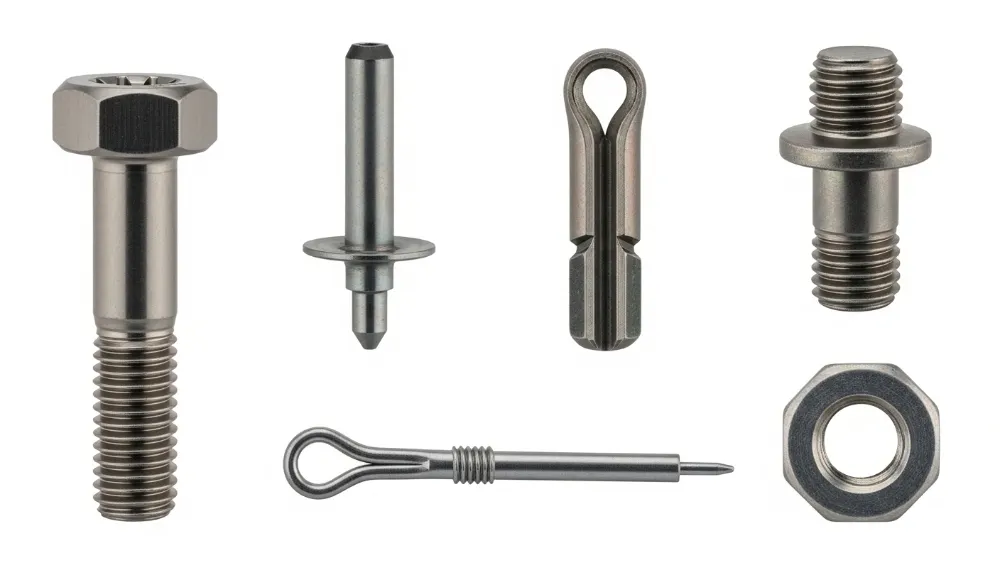
Aerospace fasteners are specialized mechanical components designed to securely join materials in aircraft and spacecraft. Unlike conventional fasteners, aerospace fasteners are engineered for high-performance applications, where weight, strength, and fatigue resistance are critical. These fasteners may include bolts, nuts, screws, rivets, and locking devices that are optimized to handle extreme loads and vibration.
Key characteristics of aerospace fasteners include exceptional tensile strength, corrosion resistance, fatigue endurance, and the ability to withstand temperature fluctuations from sub-zero altitudes to high engine heat zones. They are typically manufactured from high-performance alloys such as titanium, stainless steel, and aluminum to meet stringent aviation standards.
Why Aerospace Fasteners Are Critical
Aerospace fasteners are not just mechanical connectors—they are safety-critical components. A failure in a single fastener can compromise the integrity of entire assemblies, leading to catastrophic consequences. These fasteners must maintain tight tolerances, resist loosening due to vibration, and function reliably under harsh conditions, including high-altitude pressure variations, UV radiation, and moisture exposure.
Proper selection and installation of aerospace fasteners improve durability, reduce maintenance needs, and extend the operational life of aircraft components. They are also essential for compliance with aviation standards set by authorities such as the FAA and EASA.
Types of Aerospace Fasteners
Bolts and Nuts
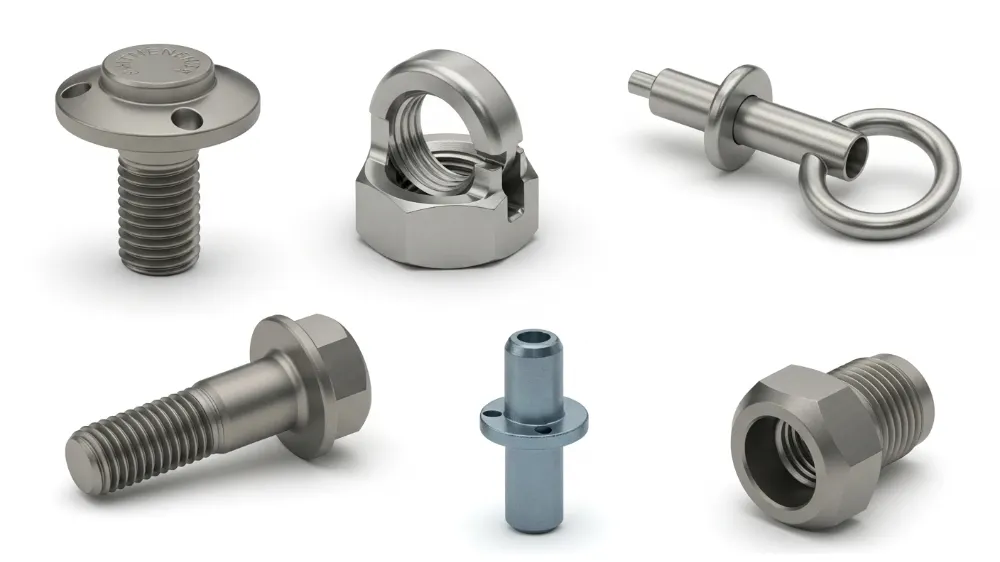
Bolts and nuts are common aerospace fasteners designed to hold structural components together. High-strength bolts are used in wing assemblies, fuselage sections, and landing gear connections. Nuts often feature locking mechanisms, such as nylon inserts or prevailing torque designs, to prevent loosening under vibration.
Screws
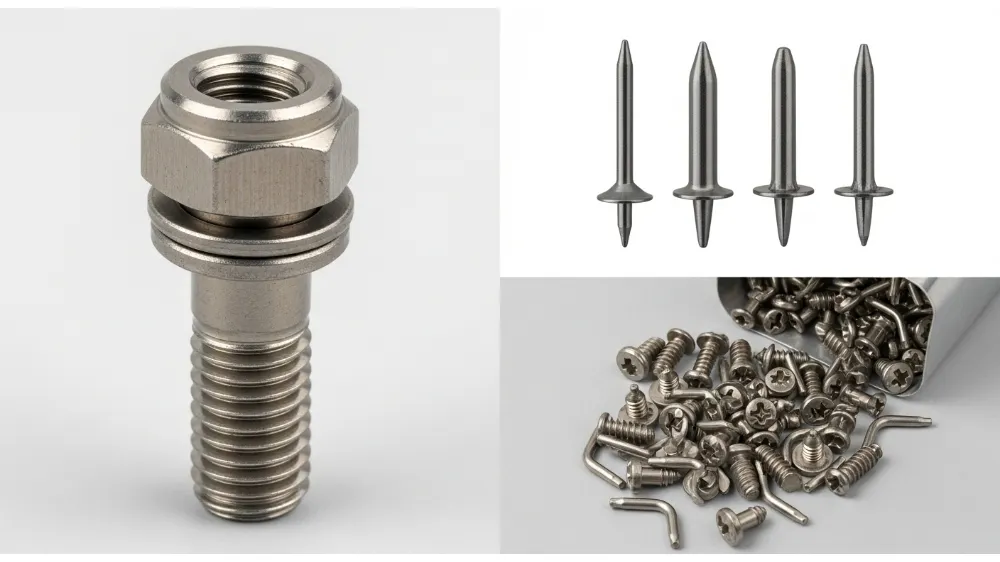
Screws are used for smaller assemblies where precision and accessibility are important. Machine screws, self-tapping screws, and countersunk screws are common in avionics enclosures, interior panels, and electronic assemblies. Aerospace screws are typically coated to prevent corrosion and reduce wear.
Rivets
Rivets are widely used in the aerospace industry for permanent joints, especially in sheet metal structures like fuselages and wings. Blind rivets and solid rivets provide high fatigue resistance, distribute loads evenly, and can be installed when only one side of the joint is accessible. Ductile rivets help maintain strength while allowing for minor deformation.
Locking Fasteners
Locking fasteners, such as lock washers, safety wires, and prevailing torque nuts, prevent unintentional loosening due to vibration or dynamic loads. They are commonly applied in engines, control surfaces, and landing gear assemblies where repeated stress is expected.
Specialty Aerospace Fasteners
Other specialized fasteners include hi-lok, hi-tigue, and cherrymax systems, designed to meet specific performance requirements. These fasteners provide controlled preload, minimal weight, and simplified installation, making them ideal for critical aerospace structures.
Materials Used in Aerospace Fasteners
Aerospace fasteners are manufactured from materials that balance weight, strength, and corrosion resistance. Common materials include titanium alloys, stainless steel, aluminum, and high-strength nickel alloys. Titanium fasteners are lightweight yet extremely strong, ideal for weight-sensitive areas. Stainless steel offers durability and corrosion resistance, while aluminum provides moderate strength with low weight. Material choice directly affects fatigue performance, thermal stability, and service life.
Selecting the Right Aerospace Fastener
When selecting aerospace fasteners, several factors must be considered: load capacity, vibration resistance, environmental conditions, and compatibility with base materials. Engineers also account for assembly procedures, ease of maintenance, and compliance with aviation standards. Choosing the wrong fastener can result in joint failure, increased maintenance costs, and safety risks. Therefore, proper selection based on application-specific requirements is critical.
Installation and Maintenance
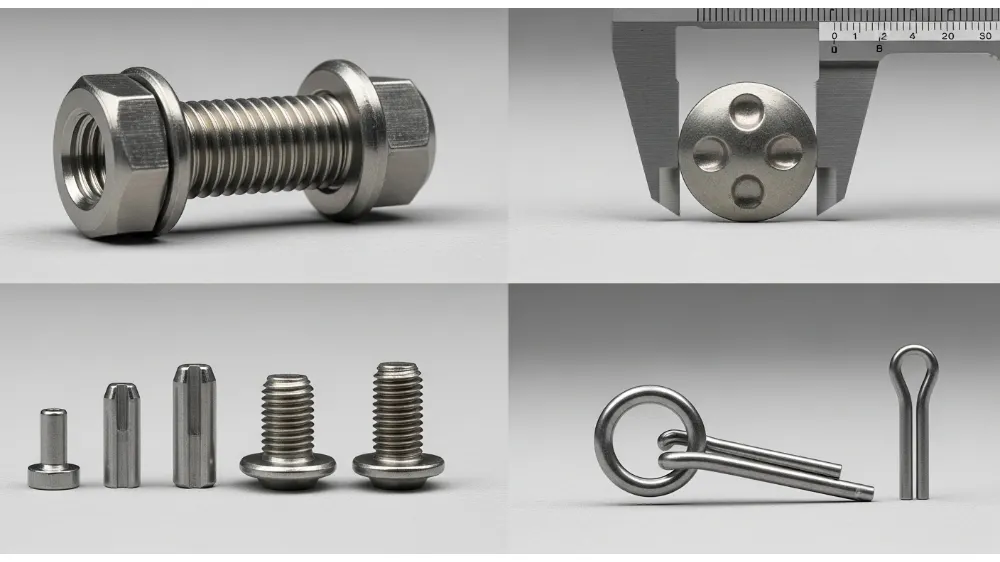
Correct installation is as important as selecting the right fastener. Aerospace fasteners often require precise torque, specialized tools, and strict adherence to assembly guidelines. Improper installation can lead to fatigue failure, loosening, or corrosion. Regular inspection and maintenance ensure fasteners maintain structural integrity throughout the aircraft’s operational life.
Advantages of Aerospace Fasteners
Aerospace fasteners offer several key benefits:
- High strength-to-weight ratio, reducing overall aircraft weight
- Superior fatigue and vibration resistance
- Corrosion resistance for extended service life
- Compatibility with advanced materials such as composites and titanium
- Simplified assembly with advanced systems like hi-lok and cherrymax
Challenges in Using Aerospace Fasteners
Despite their advantages, aerospace fasteners present certain challenges:
- High manufacturing costs due to specialized materials and precise tolerances
- Complex installation requiring skilled technicians
- Difficulty in maintenance for hard-to-reach locations
- Potential for corrosion if material compatibility and protective coatings are not carefully considered
Innovations in Aerospace Fasteners
Modern aerospace fasteners integrate new materials, coatings, and designs to meet evolving aircraft requirements. Innovations include corrosion-resistant coatings, self-locking designs, and fasteners optimized for composite materials. Digital torque monitoring and automated installation systems are also improving reliability and assembly efficiency.
Aerospace Fasteners in Industry Applications
Aerospace fasteners are used in virtually every aircraft system:
- Structural Assemblies: Wings, fuselage, and tail sections
- Landing Gear: High-load components requiring vibration resistance
- Engines and Propulsion: Heat- and vibration-resistant fasteners
- Avionics and Interiors: Lightweight screws and nuts for electronics and panels
Selecting fasteners tailored to each application ensures safety, performance, and compliance with aviation regulations.
FAQ – Common Questions About Aerospace Fasteners
Q1: What makes aerospace fasteners different from regular fasteners?
A: They are designed for extreme strength, vibration resistance, fatigue endurance, and environmental durability in aviation applications.
Q2: Can aerospace fasteners be used in other industries?
A: Yes, industries requiring high strength and precision, like automotive, defense, and space technology, often use aerospace-grade fasteners.
Q3: What materials are commonly used for aerospace fasteners?
A: Titanium alloys, stainless steel, aluminum, and nickel alloys are standard due to their strength, corrosion resistance, and weight properties.
Q4: How are aerospace fasteners installed?
A: Installation requires precise torque, special tools, and adherence to aviation assembly standards to ensure joint integrity.
Q5: Are aerospace fasteners reusable?
A: Some can be reused if inspected carefully, but many, such as rivets and hi-lok fasteners, are designed for permanent installation.
Q6: What are hi-lok and cherrymax fasteners?
A: These are specialized aerospace fasteners that provide high preload, precise alignment, and simplified installation, commonly used in critical structural applications.
Q7: How do engineers choose the right aerospace fastener?
A: Selection is based on load requirements, environmental conditions, material compatibility, assembly procedures, and compliance with aviation standards.
Conclusion
Aerospace fasteners may seem small, but they play a critical role in aircraft safety, performance, and longevity. From high-strength bolts to hi-lok and cherrymax systems, selecting the right fastener and installing it correctly ensures structural integrity under extreme conditions. Understanding the types, materials, and applications of aerospace fasteners is essential for engineers and manufacturers seeking to optimize aircraft design, improve safety, and maintain compliance with aviation standards.
