


Alloy Steel vs Carbon Steel: What’s the Real Difference?
When selecting materials for engineering, manufacturing, or construction, two of the most common choices are alloy steel and carbon steel. Both are forms of steel, but their mechanical behaviors, chemical makeup, and application suitability differ significantly. Choosing between alloy steel vs carbon steel has real implications for how a part performs under stress, in corrosive environments, or over long service life.
In this comprehensive guide, we’ll explain what alloy steel and carbon steel are, compare their properties in detail, highlight where each is best used, and help you make informed choices for your next manufacturing or engineering project.
What Is Alloy Steel?
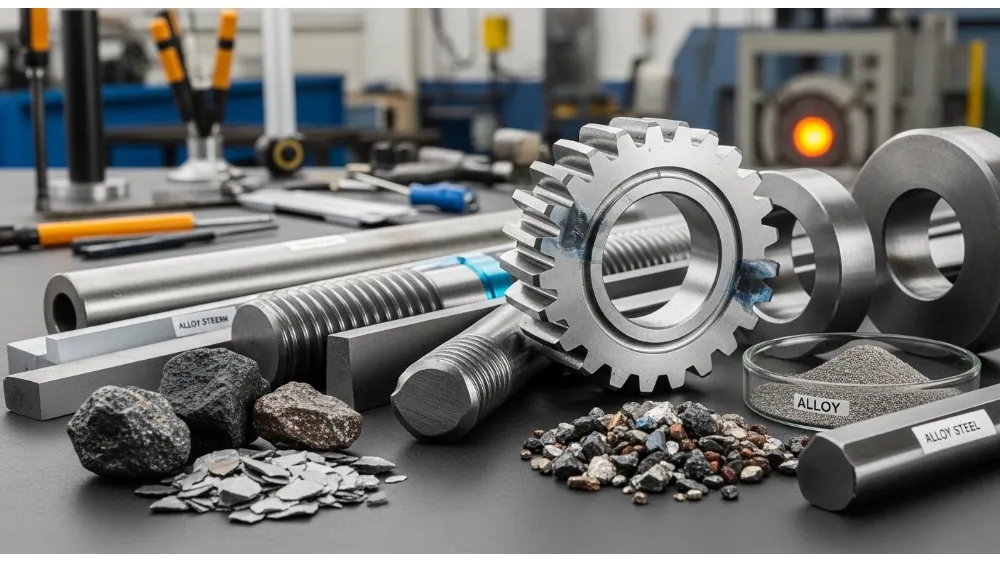
Alloy steel is a type of steel that includes additional elements besides iron and carbon. These extra metals — such as chromium, nickel, molybdenum, manganese, vanadium, and tungsten — are added in controlled amounts to enhance specific traits like strength, toughness, wear resistance, or corrosion performance.
By alloying steel with these elements, manufacturers can fine‑tune properties for demanding environments. For example, adding chromium improves corrosion resistance, while molybdenum increases strength at elevated temperatures. Alloy steels can range from low alloy (with small percentages of alloying elements) to high alloy — such as stainless steels with significant chromium content for enhanced corrosion performance.
How Alloying Changes Steel Properties
- Strength and hardness: Alloy elements form carbides and intermetallic compounds that enhance mechanical strength.
- Corrosion resistance: Elements like chromium enable passivation layers that protect against oxidation.
- Heat resistance: Some alloys retain strength at higher temperatures than plain carbon steel.
Alloy steels are commonly used in heavy machinery, aerospace components, automotive parts, and industrial equipment where demanding performance conditions are expected.
What Is Carbon Steel?
Carbon steel is essentially an alloy of iron and carbon, without significant additions of other elements. Its properties are primarily influenced by the amount of carbon it contains. Generally speaking, carbon steel grades are classified as:
- Low‑carbon steel (mild steel): Carbon content up to ~0.25%. Easy to form, weld, and machine.
- Medium‑carbon steel: Carbon content ~0.25–0.60%, offering a balance of strength and ductility.
- High‑carbon steel: Carbon content above ~0.60%, significantly harder but less ductile.
Because carbon steel’s performance is controlled mainly by carbon content, its behavior is more predictable and often easier to work with than complex alloy steels.
Key Differences: Alloy Steel vs Carbon Steel
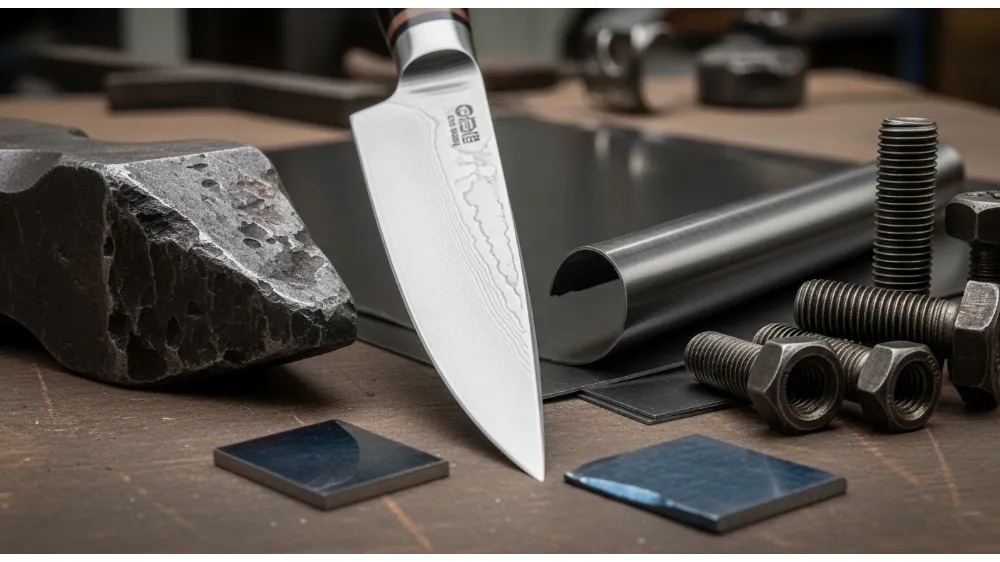
Below is a detailed comparison that illustrates how alloy steel vs carbon steel differ in properties, performance, and practical use:
Composition Variations
Alloy steel contains iron, carbon, and a substantial amount of other alloying elements designed to modify performance. In contrast, carbon steel is predominantly iron with carbon as the primary alloying element, with only trace amounts of others.
This means alloy steel can be engineered for specific property enhancements, whereas carbon steel behavior is dictated mainly by carbon content and heat treatment.
Strength and Toughness
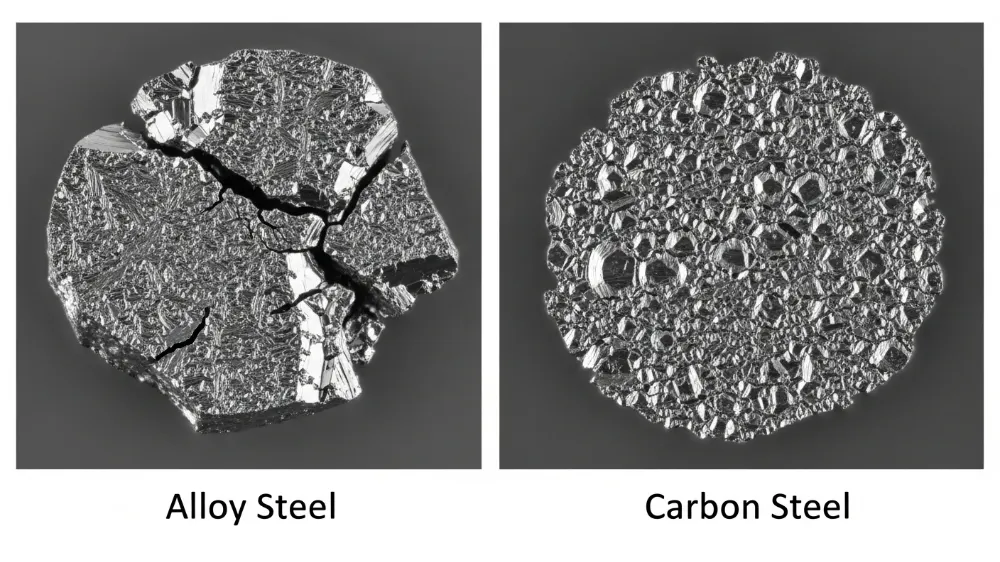
Carbon steel can be very strong, especially in higher carbon grades, but it becomes brittle and less ductile as carbon content increases. Alloy steels — particularly those that are quenched and tempered — often achieve higher tensile and yield strengths while maintaining better toughness.
For example, medium‑carbon alloy steels with added nickel or vanadium may outperform similar carbon steels in shock resistance and alternating stresses.
Corrosion Resistance
One of the most noticeable differences between alloy and carbon steel is corrosion behavior. Alloy steels with elements like chromium and nickel can form protective oxide films that significantly reduce rust and oxidation. Carbon steel, lacking these elements, tends to corrode more readily and usually requires coatings or treatments for protection.
Wear and Heat Resistance
Alloy steels often support better wear resistance due to hard carbides formed by alloying elements. They also maintain mechanical integrity at higher temperatures than carbon steel, which can soften and deform if overheated. This makes alloy steels ideal for high‑temperature or high‑stress environments such as engines or turbines.
Machinability and Fabrication
Carbon steels, especially low‑carbon types, are typically easier to machine, weld, and cut due to simpler compositions. Alloy steels can be more difficult to process; their increased hardness and toughness require specialized tooling, slower machining speeds, and sometimes preheating during welding.
Cost Considerations
Generally, carbon steel is more cost‑effective because it has fewer alloying elements and simpler production processes. Alloy steel, with its tailored properties and added elements, tends to be more expensive but justifies the cost where performance demands warrant it.
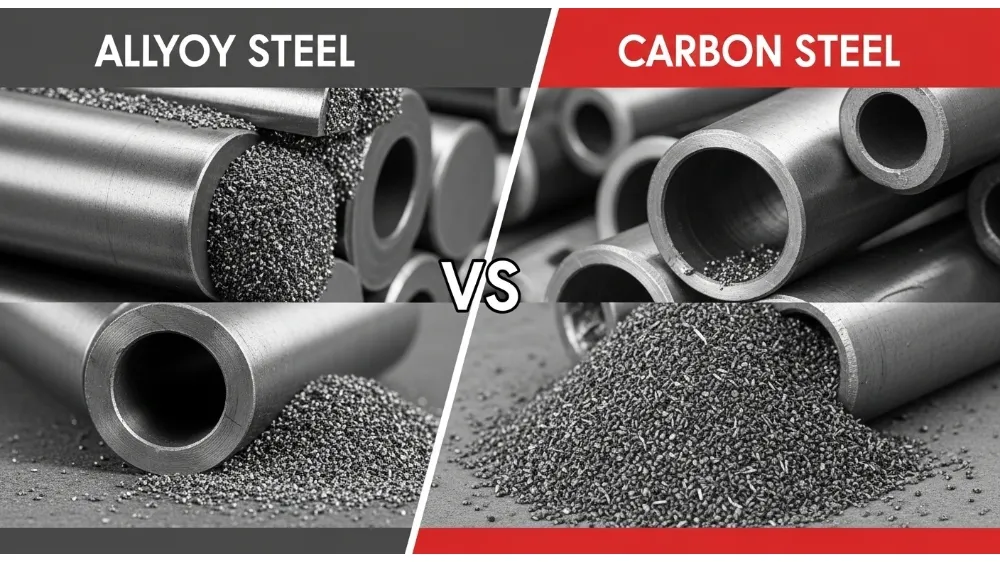
Real‑World Applications
Common Uses of Alloy Steel
Alloy steels are chosen when high strength, wear resistance, and corrosion protection are critical. Typical applications include:
- Automotive components like crankshafts and suspension parts
- Aerospace structures and landing gear
- Heavy machinery and mining equipment
- Oil and gas industry parts exposed to corrosive environments
Their ability to withstand harsh conditions makes them indispensable in high‑performance sectors.
Common Uses of Carbon Steel
Carbon steel is widely used for general‑purpose applications where extreme performance isn’t necessary, such as:
- Structural beams and frameworks in construction
- Pipes and tanks for low‑stress environments
- Machine parts in standard applications
- Tools and dies (high‑carbon grades)
Carbon steel remains a backbone material for manufacturing due to its balance of cost and performance.
How to Choose Between Alloy Steel and Carbon Steel
Selecting the right material depends on your project’s requirements. Consider:
- Load and stress conditions: High‑stress applications often benefit from alloy steel.
- Environmental exposure: Corrosive environments favor alloy steels with corrosion‑resistant elements.
- Machining and fabrication needs: Carbon steel may be better if ease of welding and lower tooling costs are priorities.
- Budget: Carbon steel is typically less expensive, ideal for cost‑sensitive designs.
Balancing these factors yields a more efficient and cost‑effective outcome.
Frequently Asked Questions (FAQ)
Q1: Are alloy steel and carbon steel the same?
No. Alloy steel contains additional alloying elements beyond carbon to tailor mechanical properties, while carbon steel relies mainly on carbon percentage to define its behavior.
Q2: Which is more corrosion resistant?
Alloy steel generally has better corrosion resistance due to elements like chromium and nickel that help form protective oxide layers.
Q3: Is carbon steel easier to weld than alloy steel?
Yes. Carbon steel’s simpler composition typically makes it easier to weld. Alloy steels may require special techniques due to their alloying elements.
Q4: Which steel is stronger?
While high‑carbon steels can have high hardness, many alloy steels achieve greater strength without sacrificing toughness due to combined alloy elements.
Q5: Where is alloy steel preferred?
Alloy steel excels in aerospace, automotive, and heavy‑duty mechanical applications requiring strength, resistance to wear, and performance at high temperatures.
Q6: When should I choose carbon steel?
Choose carbon steel for general structural uses, low‑stress parts, and applications where cost and ease of fabrication are significant factors.
Q7: Does adding alloy elements affect machinability?
Yes. Additional alloying elements can make steel harder to machine, requiring specialized tooling and techniques.
