


Aluminum Anodizing Explained: A Complete Manufacturing Guide
Aluminum anodizing is a widely adopted surface treatment that significantly improves the corrosion resistance, durability, and appearance of aluminum components. By forming a controlled oxide layer, anodizing enhances part longevity and performance across industries such as automotive, aerospace, electronics, and consumer goods.
A deep understanding of aluminum anodizing, including its processes, types, and advantages, helps engineers and manufacturers select the optimal approach to maximize product performance and achieve superior surface finishes. This guide provides a comprehensive overview, highlighting industry best practices and answering key questions.
What Is Aluminum Anodizing?
Anodizing is an electrochemical process that converts aluminum’s surface into a durable, corrosion-resistant oxide layer. Unlike surface coatings, this layer is integrated with the base metal, providing long-term protection.
The anodic layer is naturally porous, hard, and non-conductive. Its porous structure allows secondary processes such as coloring and sealing, which improve resistance to environmental exposure, scratches, and chemical wear.
The Science Behind Anodizing
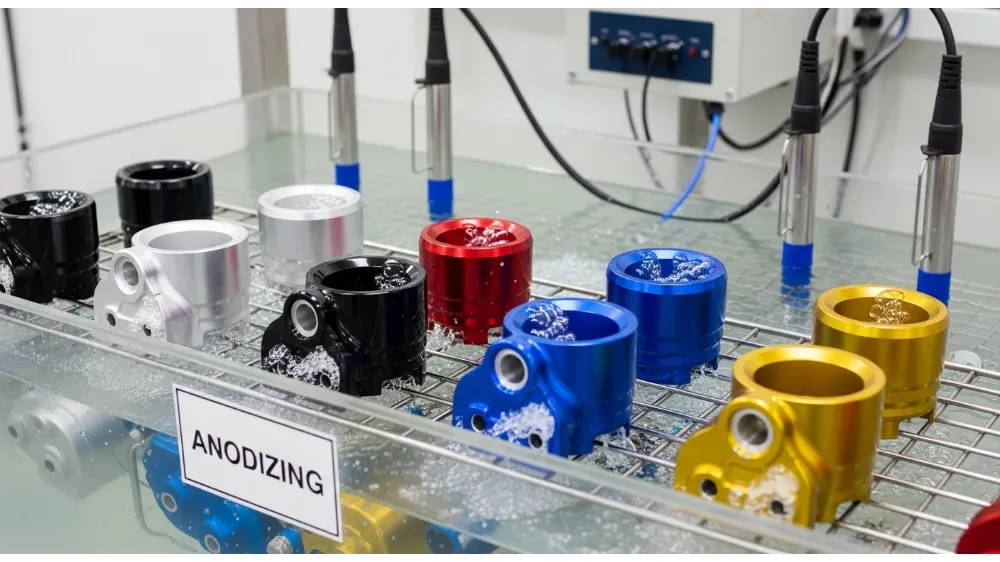
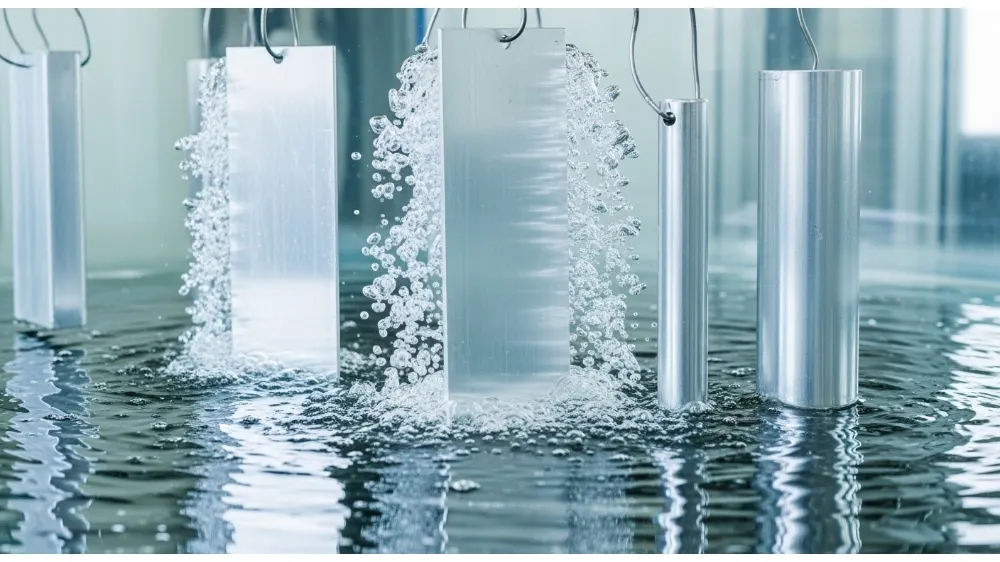
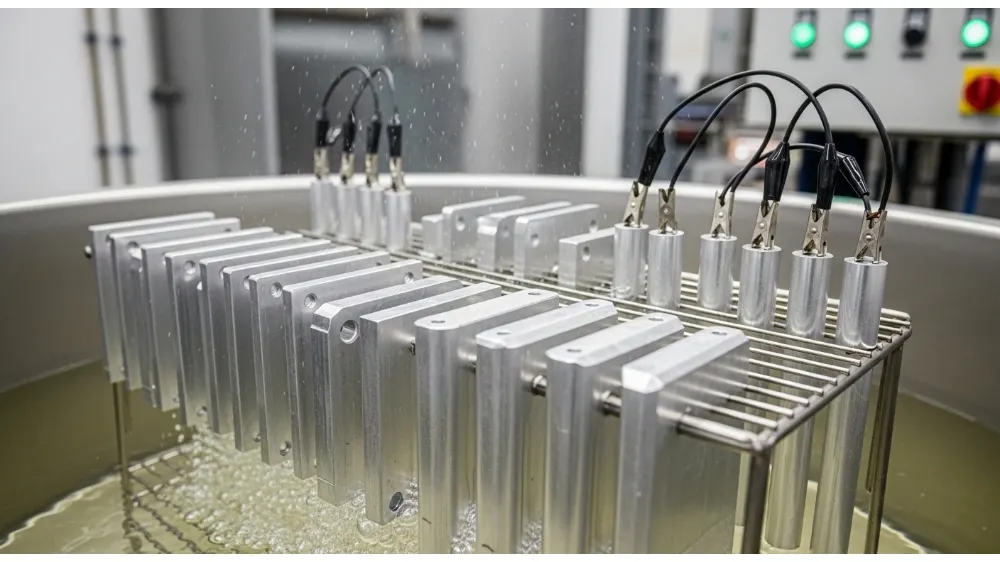
During anodizing, aluminum serves as the anode in an electrolytic cell. Applying direct current causes oxygen ions to react with aluminum atoms, forming a firmly bonded aluminum oxide layer. The layer thickness and hardness are controlled through process parameters, allowing the technique to serve both functional and decorative purposes.
Key Anodizing Processes
Several anodizing methods are used depending on application needs:
1. Sulfuric Acid Anodizing: Produces a thick, durable coating suitable for industrial parts. The layer is corrosion-resistant and can be dyed in various colors.
2. Chromic Acid Anodizing: Creates a thinner coating ideal for aerospace and defense applications, where dimensional accuracy is critical, but corrosion protection requirements are moderate.
3. Hard Anodizing (Type III): Forms an extra-thick, highly wear-resistant layer for parts subjected to friction or mechanical loads, such as gears, pistons, and tooling.
4. Organic and Plasma Anodizing: Advanced techniques for specialized surfaces requiring properties like hydrophobicity, electrical insulation, or extreme wear resistance.
Coloring and Finishing Options
Anodized aluminum can be enhanced through dyeing and electrolytic coloring:
- Clear and metallic finishes: Preserve the natural appearance of aluminum.
- Decorative colors: Enhance visual appeal for consumer products, signage, and architectural applications.
- Matte or satin finishes: Provide a subdued professional look for electronics or automotive trim.
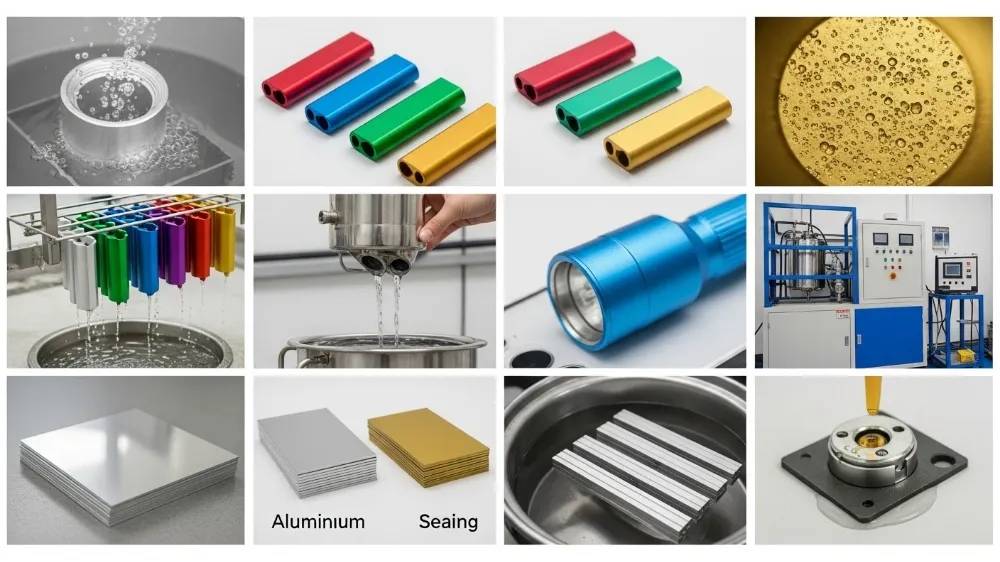
Sealing the anodized surface ensures color stability and protects the oxide layer.
Benefits of Aluminum Anodizing
Corrosion Resistance: Protects aluminum against oxidation, chemicals, and environmental exposure.
Enhanced Surface Hardness: Increases wear resistance, extending part lifespan.
Aesthetic Improvements: Offers diverse color, finish, and texture options.
Lightweight Durability: Adds protection without significant weight increase, suitable for aerospace and automotive parts.
Low Maintenance: Easy to clean and maintain, reducing long-term costs.
Electrical Insulation: Provides non-conductive surfaces for electronic applications.
Industrial Applications
Aluminum anodizing is applied in many sectors:
- Aerospace: Protects fuselage panels and engine parts, maintaining lightweight and corrosion resistance.
- Automotive: Enhances wheels, trims, and engine covers with durability and visual appeal.
- Electronics: Improves housings, heat sinks, and enclosures, providing wear resistance and insulation.
- Architecture: Windows, facades, and decorative panels benefit from weather resistance and stable color.
- Consumer Goods: Appliances, furniture, and sports equipment gain durability and style.
Process Considerations
Key factors for effective anodizing:
Aluminum Alloy: Different alloys affect oxide formation, dye absorption, and corrosion resistance.
Current Density and Voltage: Determine layer thickness and uniformity.
Electrolyte Type and Temperature: Influence hardness, pore size, and coloring.
Sealing: Ensures long-term protection and color stability.
Maintenance and Longevity
Proper care ensures anodized aluminum lasts decades:
- Clean regularly with mild detergents.
- Avoid harsh chemicals or abrasive materials.
- Inspect high-stress areas for scratches and reseal if necessary.
Comparison with Other Coatings
Anodizing integrates the protective layer with the aluminum surface, unlike paint or plating. Benefits include:
- Superior adhesion and wear resistance
- Long-lasting color stability
- Enhanced corrosion protection without adding thickness
This makes anodizing ideal for precision components where dimensional tolerance is critical.
Common Mistakes to Avoid
- Using incompatible aluminum alloys
- Skipping sealing after coloring
- Ignoring process parameters (voltage, temperature, time)
- Not cleaning the surface prior to anodizing, leading to uneven coatings
Frequently Asked Questions (FAQ)
Q1: What is aluminum anodizing?
Aluminum anodizing is an electrochemical process that forms a protective, durable oxide layer on aluminum surfaces.
Q2: Why is anodizing important in manufacturing?
It improves corrosion and wear resistance, enhances aesthetics, and can provide electrical insulation.
Q3: Can anodized aluminum be colored?
Yes, dyes and electrolytic pigments can produce a wide range of colors and finishes.
Q4: How long does anodized aluminum last?
Properly treated anodized aluminum can last for decades without significant wear or corrosion.
Q5: Is anodizing environmentally friendly?
Yes, it avoids toxic coatings and is highly durable, reducing the need for frequent replacement.
Q6: Which industries commonly use anodized aluminum?
Aerospace, automotive, electronics, architectural, consumer goods, and industrial machinery.
Q7: What is the difference between hard and decorative anodizing?
Hard anodizing provides thicker, wear-resistant layers, while decorative anodizing focuses on aesthetics and color.
Conclusion
Aluminum anodizing is a versatile, effective surface treatment that enhances durability, corrosion resistance, wear resistance, and aesthetics. By understanding its processes, applications, and proper maintenance, manufacturers can produce long-lasting, high-quality components across industries.
