


Automotive Injection Mould Makers in Québec
The leading automotive injection mould makers in Québec are masters of a demanding craft. The province is a major hub for transportation manufacturing. It has a deep specialization in producing high-quality, high-volume tooling for the automotive industry. The process of injection moulding is essential for modern vehicle production. It is used to create everything from interior trim to complex lighting components. Québec’s mould makers are known globally for their expertise in this specific sector. They are a cornerstone of the national injection mould manufacturer Canada landscape. Their specialization also makes them vital contributors to the broader network of custom injection mould makers in North America. This guide explores the unique capabilities and strengths of Québec's automotive tooling industry.
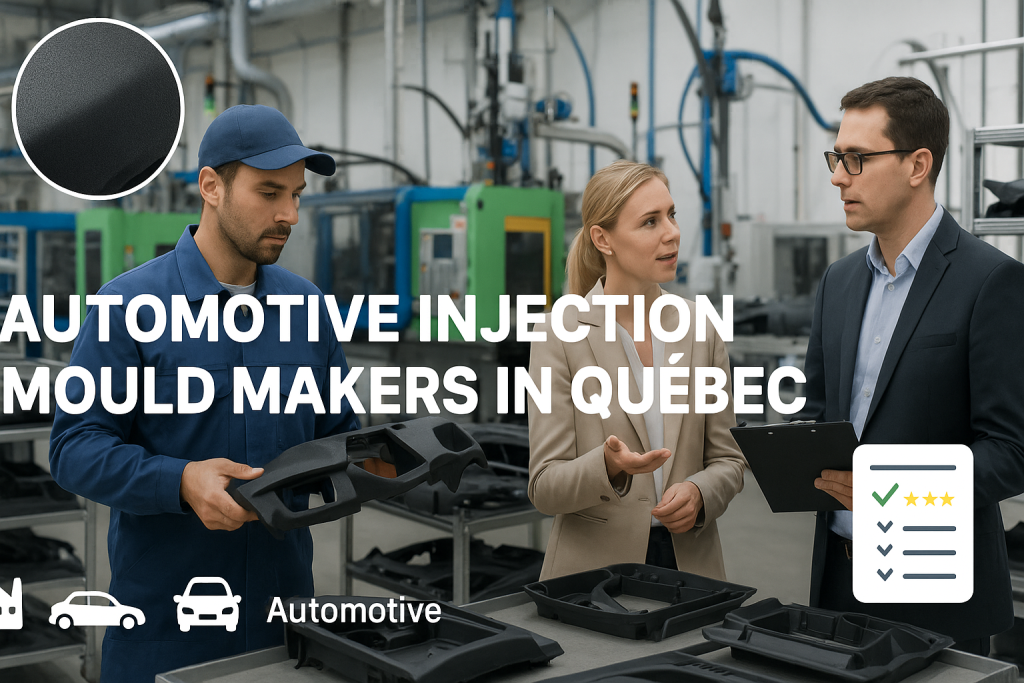
Québec's Legacy in Transportation Manufacturing
Québec's strength in automotive mould making is built on a long and rich history. The province has been a center for transportation manufacturing for generations. This legacy has created an ecosystem that is perfectly suited for the demands of the modern automotive industry. It is an environment of deep skill, specialized knowledge, and a culture of continuous improvement. This foundation is what makes the region a world-class player in automotive tooling.
A History Rooted in Vehicle Production
The province has a long history of vehicle assembly and component manufacturing. This created a strong local demand for high-quality tooling. Over the decades, a cluster of expert tool and die shops emerged to serve this need. This created a self-reinforcing cycle of growth and specialization. The deep roots in the automotive sector provide a level of experience that is hard to replicate.
The Development of a Specialized Supply Chain
An entire supply chain has grown up around the automotive industry in Québec. This includes suppliers of specialized tool steels, hot runner systems, and other mould components. It also includes service providers for heat treating, surface coatings, and polishing. This mature and specialized supply chain allows mould makers to operate with great efficiency. It ensures they have access to the best materials and services.
A Skilled Workforce with Generational Expertise
The craft of toolmaking is often passed down through generations. Québec has a deep pool of highly skilled tool and die makers, machinists, and engineers. Many have spent their entire careers focused on the automotive sector. This generational expertise is a priceless asset. It brings a level of intuition and problem-solving skill that can only be gained through long experience.
Government Support for the Automotive Sector
The government has long recognized the importance of the automotive industry. It actively supports the sector through various programs and investments. This includes support for research and development, workforce training, and technology adoption. This supportive environment helps to ensure that Québec’s mould makers remain competitive and at the forefront of the industry.
Types of Automotive Moulds Made in Québec
Automotive injection mould makers in Québec produce a vast range of tooling. They are capable of building moulds for nearly every plastic component in a modern vehicle. Their deep specialization means they have likely encountered and solved almost every type of tooling challenge. This breadth of experience makes them highly versatile partners for automotive OEMs and Tier 1 suppliers.
Interior Components
A significant area of expertise is in moulds for interior components. This includes large, complex tools for parts like instrument panels (dashboards), door panels, and center consoles. It also includes moulds for smaller trim pieces, bezels, and A/B/C pillar covers. These parts often have complex grain textures and require a high-quality cosmetic finish, a specialty of the region's makers.
Exterior Parts
Québec’s makers also build tooling for exterior components. This includes moulds for fascias (bumpers), grilles, and body side mouldings. A particularly strong area of specialization is in automotive lighting. They are experts in building ultra-high-precision moulds for headlamp lenses, tail lamp housings, and light pipes. These optical components require flawless polishing and extreme accuracy.
Under-the-Hood Components
Moulds for under-the-hood applications are another key area. These parts must withstand high temperatures and exposure to chemicals. Makers in the province have extensive experience with the engineering-grade materials used for these components. This includes tooling for engine covers, battery trays, air intake manifolds, and various fluid reservoirs.
Moulds for the Electric Vehicle (EV) Revolution
The shift to electric vehicles is creating new opportunities. Québec is a leader in electrification and clean transportation. Its mould makers are at the forefront of creating tooling for EV-specific components. This includes moulds for battery pack components, charging port doors, and various lightweight structural parts. Their expertise is helping to drive the EV revolution forward.
The Technical Demands of Automotive Tooling
Automotive moulds are among the most complex and demanding types of tooling. They must be built to withstand the rigors of high-volume production. They must also produce parts that meet the highest standards of safety, quality, and aesthetics. The automotive injection mould makers in Québec have mastered the technical skills required to meet these challenges.
Large, Complex Moulds with Multiple Actions
Many automotive parts are large and have complex geometries. The moulds used to produce them are often massive, weighing many tons. These tools frequently require multiple actions, such as slides and lifters, to create features like undercuts and clips. Designing and building these large, complex machines requires a high level of engineering skill and large-scale machining capabilities.
Multi-Material Moulding (Two-Shot, Overmoulding)
Modern vehicles make extensive use of multi-material parts. This includes techniques like two-shot moulding, where two different plastics are injected into the same mould. This is used to create parts with both rigid and soft-touch areas. Québec’s makers are experts in these advanced processes. They can build the complex, rotating moulds required for multi-material applications.
High-Precision Moulds for Lighting and Optics
Automotive lighting is a field that demands the utmost precision. Moulds for lenses and light guides must be polished to a perfect, optically clear finish. The dimensional tolerances are extremely tight to ensure proper light distribution. This is a highly specialized niche where Québec’s makers have a world-class reputation.
Durable, High-Volume Tooling Built for Millions of Cycles
An automotive mould is expected to have a very long life. It must be capable of producing hundreds of thousands, or even millions, of parts without failing. This requires the use of high-quality, durable tool steels. It also requires a robust mould design that can withstand the stresses of continuous, high-speed production. Building these "million-shot" moulds is a core competency.
Quality Systems and Standards in Automotive Moulding
The automotive industry operates under some of the strictest quality standards in the world. There is no room for error. A failure in a single component can have serious consequences. For this reason, automotive mould makers must have incredibly robust quality management systems. These systems govern every aspect of their operation, from design to delivery.
The Critical IATF 16949 Certification
IATF 16949 is the global quality management standard for the automotive industry. It is a mandatory certification for any company that wants to be a direct supplier to most automotive OEMs. This standard is much more rigorous than ISO 9001. It includes specific requirements for risk management, process control, and continuous improvement. A certified maker is operating at the highest level of quality.
Advanced Product Quality Planning (APQP)
APQP is a structured process used in the automotive industry to develop and launch new products. It is a highly disciplined framework that ensures all necessary steps are completed on time and to the required standard. Experienced automotive mould makers are well-versed in the APQP process. They are able to integrate their own processes seamlessly with those of their Tier 1 and OEM customers.
Production Part Approval Process (PPAP)
PPAP is a key part of the APQP framework. It is the formal process for validating that a new mould and its associated process are capable of producing parts that consistently meet all specifications. It involves the submission of a detailed package of documents and sample parts to the customer for approval. Québec’s makers have extensive experience in preparing and submitting PPAP packages.
Advanced Metrology and Statistical Process Control (SPC)
To meet automotive quality standards, you must be able to measure and control your processes with a high degree of accuracy. Automotive mould makers invest heavily in advanced metrology equipment, such as CMMs and 3D scanners. They also use Statistical Process Control (SPC) to monitor their processes in real time. This data-driven approach ensures that the process remains stable and capable.
The North American Automotive Corridor
Québec is a key part of the highly integrated North American automotive corridor. This is a network of assembly plants and parts suppliers that stretches across the continent. Tooling, parts, and expertise flow freely across this network. Understanding this context is important for appreciating Québec’s specific role.
Québec's Role in the Integrated Supply Chain
Québec is a primary center for specialized tooling and engineering within this supply chain. Moulds built in the province are shipped to production facilities across North America. The province’s expertise in areas like lighting and EV components makes it a critical partner for OEMs and Tier 1 suppliers throughout the network.
Collaboration with Ontario's Automotive Hub
The automotive industry in Central Canada is often viewed as a single, integrated hub. There is a great deal of collaboration between Québec and the manufacturing centers in Ontario. While Québec has deep specializations, Ontario has a broader industrial base. The plastic mould makers in Toronto, for example, serve the automotive industry as well as many other sectors. This creates a powerful and complementary regional partnership.
Contrasting with Other Specialized Hubs
The specialization of the North American manufacturing landscape is one of its great strengths. The deep focus of Québec’s automotive industry can be contrasted with other hubs. For example, the makers of custom injection moulds in Vancouver are highly specialized in serving the technology and clean energy sectors. Similarly, the custom mould makers in Texas have deep expertise in the oil and gas industry.
The Process of Working with a Québec Automotive Specialist
Engaging with an automotive mould maker is a structured and highly disciplined process. The industry operates on clear timelines and with formal communication protocols. The process is designed to minimize risk and ensure a successful product launch. Québec's makers are experts in navigating this rigorous process.
From RFQ to Detailed Tooling Design
The process begins with a detailed Request for Quotation (RFQ). The customer provides a complete data package, including 3D models and specifications. The mould maker responds with a comprehensive proposal. Once a supplier is chosen, a kickoff meeting is held, and the detailed mould design process begins. This involves regular design reviews with the customer's engineering team.
The Collaborative DFM and Feasibility Process
A critical early step is the Design for Manufacturability (DFM) and feasibility review. The mould maker's engineers will analyze the part design in great detail. They will use their expertise to identify any potential manufacturing issues. This collaborative process ensures that the part design is fully optimized before the mould build begins.
Rigorous Mould Trials and Validation
Once the mould is built, it undergoes a series of rigorous trials. These trials are conducted to test the function of the mould and to establish a stable moulding process. Sample parts are produced and subjected to a full dimensional layout. This validation process is what culminates in the formal PPAP submission.
Project Management for OEM Timelines
Automotive programs run on very strict timelines. A delay in tooling can delay an entire vehicle launch. Therefore, strong project management is essential. Automotive mould makers have dedicated program managers. These individuals are responsible for managing the project timeline, budget, and communication. They are the single point of contact for the customer.
How to Select the Right Automotive Mould Maker
Choosing the right partner from the many automotive injection mould makers in Québec is a critical decision. The supplier will be a key partner for the life of the vehicle program. A thorough and careful vetting process is essential to ensure you choose a company that has the skills, systems, and culture to succeed.
Assessing a Maker’s Automotive Portfolio and OEM Experience
The most important factor is a proven track record in the automotive industry. Review their portfolio and look for examples of moulds they have built for parts similar to yours. Ask about their experience working with your specific OEM customer. A maker who understands your customer's standards and systems will be a much more effective partner.
The Importance of In-House Engineering and Program Management
A strong in-house engineering and program management team is crucial. These are the people you will be working with on a daily basis. You need to have confidence in their technical skills and their ability to manage complex projects. An experienced team can anticipate problems and provide proactive solutions.
Evaluating a Maker’s Quality Systems and Certifications
You must verify that the maker holds a current IATF 16949 certification. Do not just take their word for it; ask to see the certificate. During a facility audit, pay close attention to their quality lab and processes. A commitment to quality should be evident in every corner of their operation.
Vetting Criteria for an Automotive Mould Maker
A structured checklist can help you to compare potential suppliers. It ensures you conduct a consistent and thorough evaluation of each candidate.
- Are they IATF 16949 certified?
- Do they have experience with your specific OEM?
- What is the depth of their in-house engineering team?
- Can they show you examples of similar complex moulds they have built?
- What is their process for program management and communication?
Conclusion
The automotive injection mould makers in Québec offer a world-class combination of specialization, skill, and quality. Their deep roots in the automotive industry give them an unparalleled level of expertise. They have the technology, the systems, and the talent to build the most complex and demanding automotive tooling. For any company seeking a reliable, high-performance partner for an automotive project, Québec represents a premier choice. It is a region that is truly dedicated to the art and science of automotive mould making.
