


Brushing Finish on Metals: Techniques, Benefits, and Applications
Brushing finish is a common surface finish applied in order to enhance the visual appeal, tactile feel and functionality of metal ions. The method is used to form fine lines on the surface making the metals to look even and attractive with less glare. Learning about the methods of brushing finish will enable manufacturers to not only improve the aesthetics of metal components but also their sustainability in applications.
Combination of visual appeal and functional advantages have made the use of brushed surfaces in industries such as automotive, aerospace and electronics, as well as consumer goods to a wide extent. Correct execution guarantees a uniform level of quality, enhances resistance to wear and ready the metals to undergo other surface treatments.
What Is Brushing Finish?
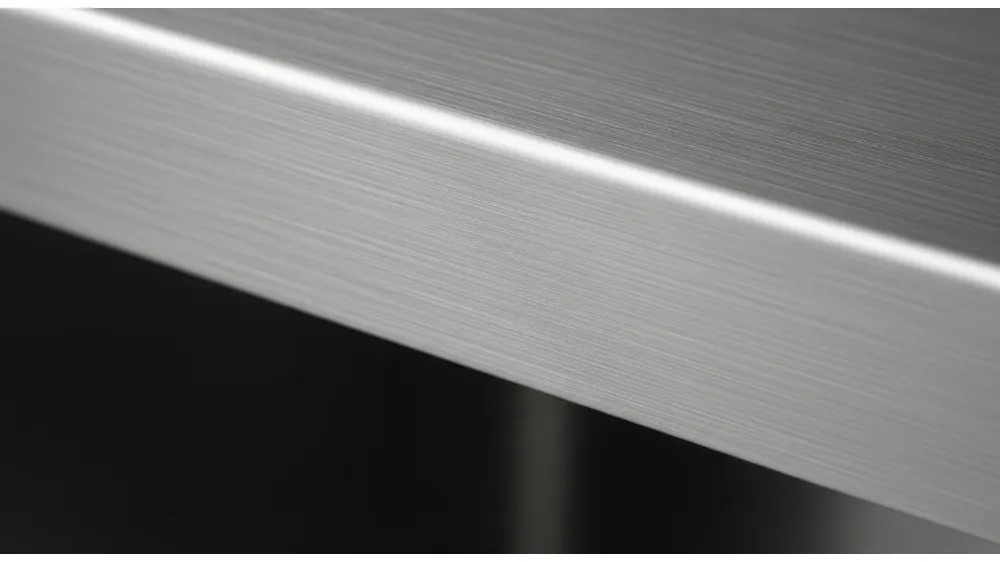
In brushing finish, the mechanical treatment of the metal surface is done by passing an abrasive brush on the metal being worked. This eliminates small flaws, levels rough surfaces and forms even linear lines. In contrast to polishing which yields a mirror-like reflection, brushing focuses on texture and maintained roughness.
It is optimal in stainless steel, aluminum and other ornamental metals where both the surface appearance and functional attributes, including grip or minimized reflectivity, are necessary.
Finishing Materials to Use
Brushed finishes can be applied to a range of metals:
- Stainless Steel: This offers a surface that is corrosion-resistant and attractive.
- Aluminum: Light metals are advantageous to brush to minimize glare and improve the texture.
- Copper and Brass: Brushed designs highlight metallic natural colors and offer ornamental features.
- Titanium: It finds application in high-performance applications in making durable and attractive surfaces.
The type of abrasive, speed of the brushes, and a pattern of finishing to realize the best results depend on the material choice.
Brushing Finish Techniques
Various methods apply to attain brushing finish on metal surfaces:
- Manual Brushing: Stock operators use hand-held brushes or abrasive pads to produce linear textures.
- Mechanical Brushing: Automated machines apply brushes in uniform patterns for high-volume production.
- Rotary Brushing: Circular brushes form linear or circular finishes based on part geometry.
- Wire Brushing: Wire bristles remove smears and create a uniform straight look on surfaces.
The technique depends on production volume, desired finish, and type of metal.
Brushing Finish Equipment
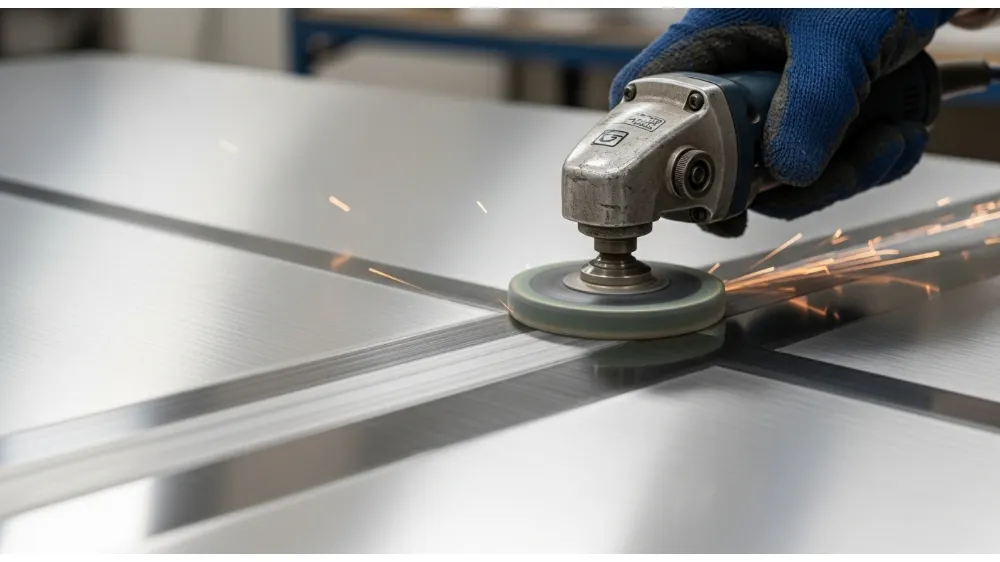
Equipment used for brushing finish includes:
- Belt Sanders: Ideal for long, flat surfaces to create consistent linear patterns.
- Rotary Brushes: Suitable for cylindrical and complex shapes with precise patterns.
- Drum Brushes: Useful for high-volume production processing multiple parts simultaneously.
- Hand Tools: Allow for fine detailing, custom textures, or finishing in hard-to-reach areas.
Automated systems improve efficiency, reduce labor, and maintain consistent results.
Advantages of Brushing Finish
Brushing finish offers several advantages over other surface treatments:
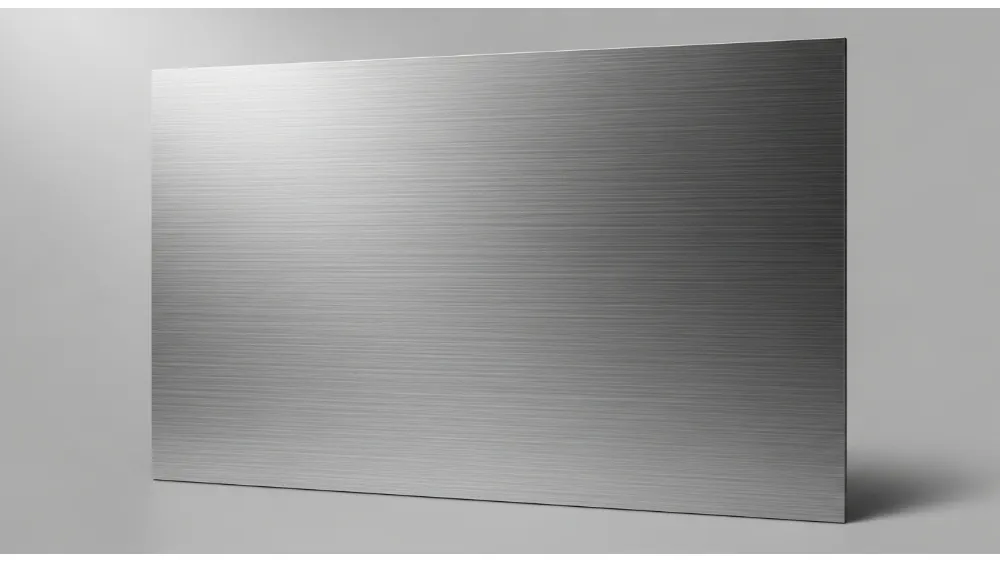
- Improves visual appeal with uniform linear textures
- Reduces glare and reflective surfaces
- Removes minor scratches and surface blemishes
- Enhances surface adhesion and tactile feel
- Can be combined with coatings or anodizing for extra protection
These benefits make brushing finish desirable for both decorative and functional purposes.
Design and Application Considerations
When designing parts for brushing finish, consider:
- Part geometry and accessibility for brushes
- Desired pattern and directionality
- Surface hardness and metal type
- Compatibility with secondary treatments like painting or coating
- Production volume and automation requirements
Proper planning ensures consistent quality and reduces the risk of uneven finish.
Cleaning and Maintenance of Brushed Surfaces
To maintain brushed surfaces:
- Clean regularly to prevent dirt and corrosion buildup
- Avoid harsh chemicals that may damage texture
- Minor restoration with compatible abrasives
- Apply protective coatings or sealants for durability
Proper maintenance extends the life of brushed finishes in high-use applications.
Industrial and Consumer Applications
Brushing finish is applied across industries:
- Automotive: Dashboard panels, interiors, and trim
- Aerospace: Structural panels and decorative trim
- Consumer Electronics: Laptop covers, phone cases, appliance panels
- Industrial Equipment: Panels, valves, and housings
This versatility makes brushed finishes both functional and visually appealing in multiple sectors.
Energy and Environmental Considerations
Mechanical brushing consumes less energy than chemical treatments or high-gloss polishing. Modern systems use energy-efficient motors and recycle abrasives. Sustainable abrasives and minimized waste reduce environmental impact while maintaining surface quality.
Common Challenges
Challenges in achieving high-quality brushing finishes include:
- Aberrant brush feed rate or brush wear causing marks
- Excessive brushing distorting surfaces or producing uneven textures
- Metal debris or contamination causing scratches
- Difficulty brushing complex shapes uniformly
Proper calibration, operator training, and quality monitoring mitigate these issues.
Quality Control and Inspection
After brushing, inspect parts to ensure:
- Consistent texture and pattern direction
- Smooth surface finish
- No defects or irregularities
Methods include visual inspection, tactile testing, and surface roughness measurement. Strict quality control prevents rework and ensures functional and aesthetic standards.
Frequently Asked Questions (FAQ)
Q1: What is the use of brushing finish?
Brushing finish enhances aesthetic, tactile, and practical qualities of metal parts.
Q2: Which metals can be brushed?
Stainless steel, aluminum, copper, brass, and titanium are commonly brushed for functional and decorative purposes.
Q3: What is the method of application of brushing finish?
By hand or mechanical brushing using abrasive pads, rotary brushes, or belt sanding machines.
Q4: Does brushing influence material strength?
Brushing affects surface texture but does not significantly alter mechanical strength.
Q5: Can brushed surfaces be coated or painted?
Yes, surfaces can be anodized, painted, or coated without compromising the linear texture.
Q6: What industries benefit most from brushing finish?
Automotive, aerospace, electronics, appliances, and industrial equipment benefit from brushed finishes.
Q7: How is uniformity ensured in brushing finish?
Even texture and pattern direction are maintained through consistent machine settings, abrasive selection, and operator control.
Conclusion
Brushing finish is a versatile surface treatment that enhances both the aesthetic and functional qualities of metal components. Proper equipment, technique, and quality control allow manufacturers to create consistent, durable, and attractive surfaces. Mastery of brushing finish enables industries to improve product performance, reduce glare, and achieve high-quality finishes across applications.
