


Can Steel Be Anodized? Complete Guide for Surface Finishing
Anodizing is a well‑known surface finishing process in manufacturing, especially for metals like aluminum and titanium. It creates a controlled oxide layer that enhances corrosion resistance, wear resistance, and even aesthetic appeal. But when it comes to steel, things become more complex.
In this guide, we’ll explore whether steel can be anodized, explain the science behind the process, examine why it’s uncommon in industry, and outline the practical alternatives you should consider for steel surface protection.
What Is Anodizing?
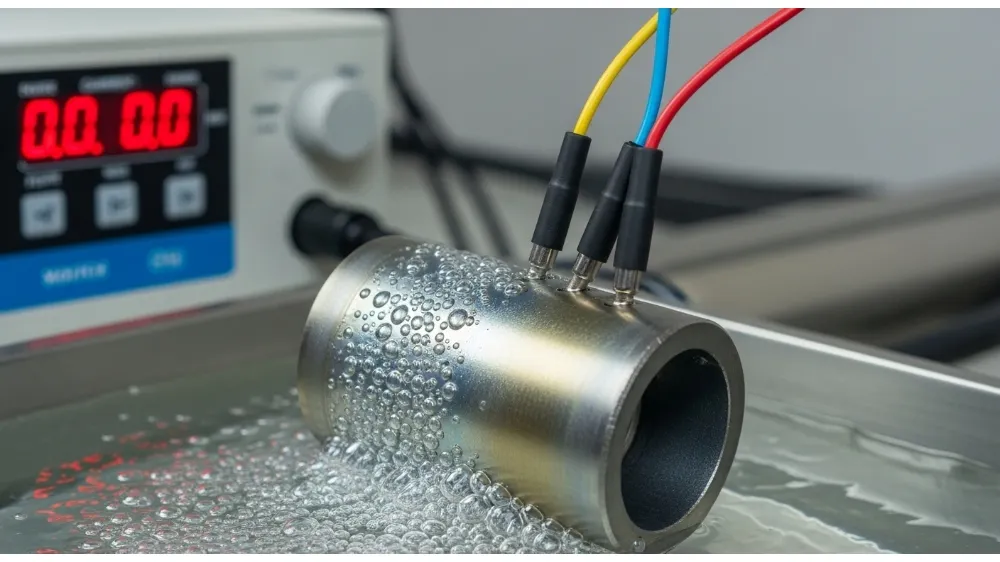
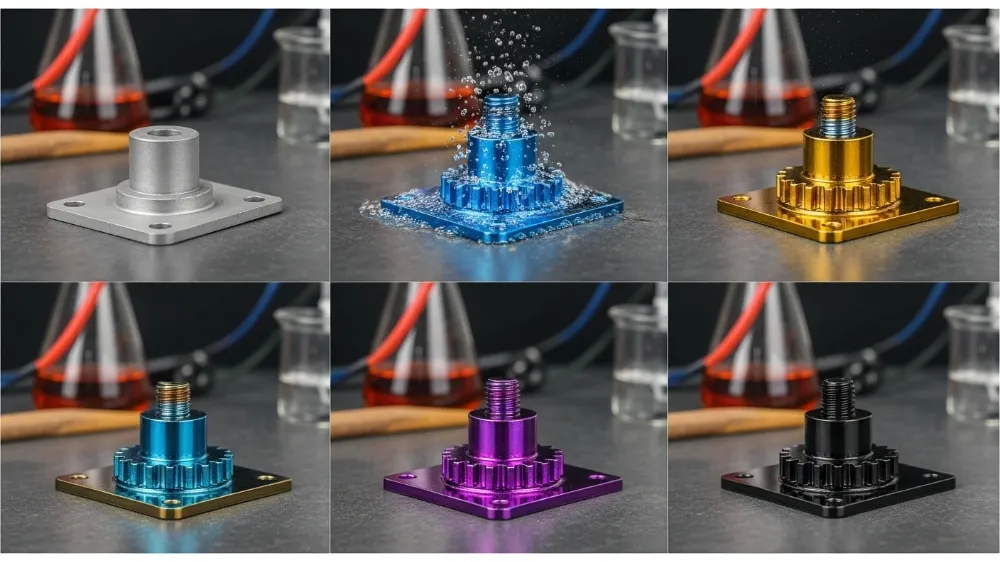
Anodizing is an electrochemical surface treatment that intentionally forms a thick oxide layer on a metal’s surface. During anodizing, the metal part becomes the anode in an electrolytic bath, usually acidic, where precise voltage and current create a durable oxide coating. This layer is chemically bonded to the base metal and offers excellent corrosion resistance and surface hardness. It can also absorb dyes, giving anodized parts vibrant colors and enhanced visual appeal.
This process is widely used in industries where durability and appearance matter, such as aerospace components, consumer electronics, automotive trim, and architectural hardware.
Why Anodizing Works Well for Some Metals
Not all metals respond the same way when anodized. For example:
- Aluminum forms a protective aluminum oxide (Al₂O₃) layer that is hard, corrosion‑resistant, and stable.
- Titanium and magnesium can form durable oxide layers under specific conditions.
These metals naturally produce stable oxide films during anodization, which enhance their functional and aesthetic properties.
Can Steel Be Anodized?
Steel cannot be anodized using the standard anodizing process the way aluminum or titanium can. The fundamental reason lies in the chemical behavior of iron, which is the primary component of steel. When steel oxidizes, it produces forms of iron oxide—such as iron(III) oxide (Fe₂O₃) or magnetite (Fe₃O₄)—rather than a dense, protective oxide layer.
Standard anodizing relies on forming an oxide layer that tightly adheres to the metal and protects it. Steel’s oxidation products are porous, brittle, and unstable, which means they actually encourage corrosion instead of preventing it.
Why Conventional Anodizing Fails on Steel
- Unstable Oxide Layers – Iron oxides are not as protective or adherent as aluminum oxide; they tend to flake off and allow corrosion to continue.
- Chemical Incompatibility – The acidic electrolytes used in typical anodizing (e.g., sulfuric acid) aggressively attack steel rather than forming a controlled oxide layer.
- Poor Surface Quality – Any oxide layer formed on steel is typically irregular, thin, and aesthetically inferior compared to aluminum anodizing.
Is There a Way to Anodize Steel in Labs?
Technically, specialized laboratory experiments have been conducted where steel is anodized using alkaline electrolytes such as sodium hydroxide (NaOH) or potassium hydroxide (KOH). Under carefully controlled conditions, a layer of magnetite (Fe₃O₄) can be formed on the steel surface.
This magnetite layer is easier to achieve than traditional anodized films, and it can offer some degree of corrosion resistance and a dark finish. However:
- The process is complex and hazardous due to the caustic chemicals required.
- Maintaining uniform temperature (often above 70 °C) and current is challenging.
- Results are inconsistent on larger scale production.
In other words, while steel can be anodized in a laboratory, this method is not scalable or practical for commercial manufacturing.
Limitations & Challenges of Steel Anodizing
Even when the basic process is achievable in controlled environments, several major limitations prevent steel anodizing from being adopted commercially:
1. Cost and Complexity – Using alkaline electrolytes and precisely controlled conditions significantly increases production cost and process difficulty.
2. Inconsistent Quality – It’s difficult to achieve uniform oxide layers, especially in larger production batches.
3. Surface Appearance – The resulting oxide is typically dark and visually inconsistent, making it unsuitable for most consumer or architectural applications.
4. Limited Corrosion Protection – The oxide layer on steel still cannot match the protective qualities of anodized aluminum.
For these reasons, anodizing steel remains more of an academic curiosity than an industrial standard.
Practical Alternatives to Steel Anodizing
Although steel isn’t suitable for conventional anodizing, there are multiple effective surface treatments you can use to enhance corrosion resistance, appearance, and durability:
Passivation
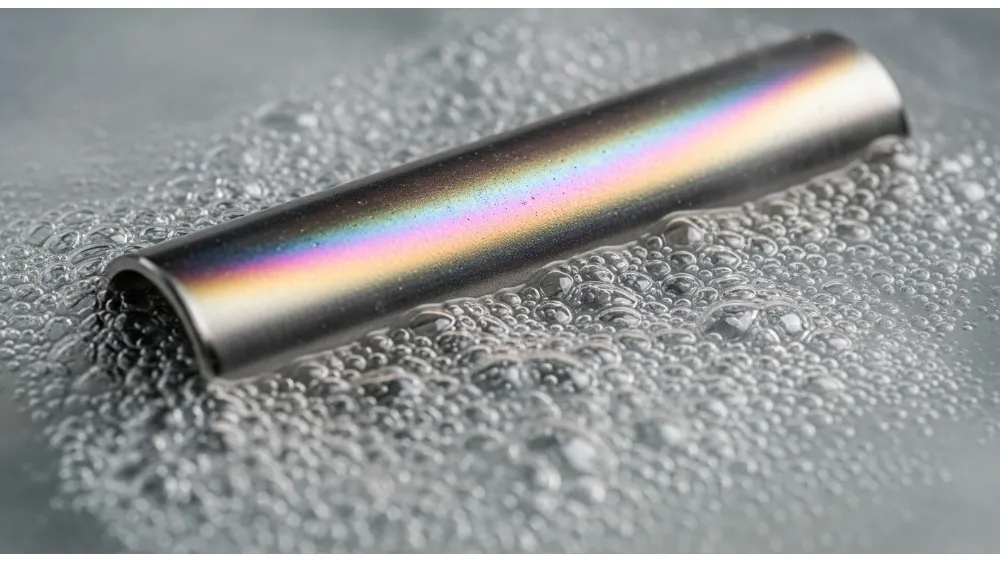
Passivation is commonly used on stainless steel. It involves treating the surface with nitric or citric acid to remove free iron and contaminants, forming a protective oxide layer that resists corrosion.
Phosphatization (Phosphate Coating)
Phosphate coatings (e.g., zinc, iron, or manganese phosphate) form a conversion layer that enhances adhesion for paints and coatings and provides mild corrosion protection.
Electropolishing
Electropolishing smooths and streamlines the microscopic surface of steel, reducing stress risers and improving corrosion resistance and shine.
Black Oxide / Blackening
Black oxide coatings are a type of chemical conversion layer that provide mild corrosion resistance and an appealing dark finish, often used in firearms and precision tools.
Powder Coating & Plating
Powder coating and electroplating are commercial finishing methods that offer robust protection and aesthetic versatility, often outperforming attempted steel anodizing.
When Anodizing Still Makes Sense: Aluminum and Titanium
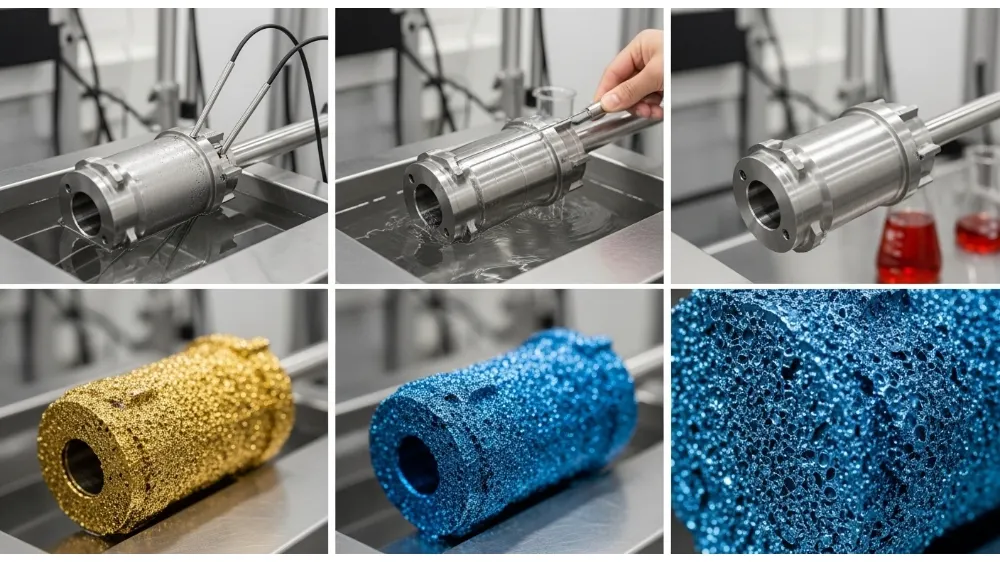
For metals like aluminum and titanium, anodizing remains a highly effective surface finish that is widely used in industry. These metals form stable, hard oxide films that significantly improve corrosion resistance, wear resistance, and visual properties, and the process is safe, scalable, and cost‑effective.
If your application involves both aluminum and steel components, you might anodize the aluminum while applying one of the surface treatments above to the steel for comprehensive protection.
FAQ – Can Steel Be Anodized?
Q1: Can steel be anodized like aluminum?
A: No. Steel does not form a stable, protective anodized oxide layer like aluminum does, so traditional anodizing is not effective.
Q2: Why doesn’t anodizing work on steel?
A: Because steel’s oxidation produces iron oxides that are porous and unstable, unlike the hard, protective aluminum oxide layer.
Q3: Is there any surface treatment similar to anodizing for steel?
A: Yes—passivation, phosphating, electropolishing, black oxide coatings, plating, and powder coating are practical alternatives.
Q4: Can anodizing steel in a lab produce useful results?
A: Lab experiments can produce a magnetite surface layer, but the process is not commercially viable due to complexity and inconsistency.
Q5: Why is aluminum anodizing more common?
A: Aluminum naturally forms a strong, durable oxide layer during anodizing, making it ideal for corrosion resistance and surface finishing.
Conclusion
So, can steel be anodized? In a strict engineering sense, traditional anodizing is not feasible or practical for steel because of its tendency to form unstable iron oxides and the technical challenges involved.
Instead, manufacturers rely on alternative surface finishing methods like passivation, phosphatization, electropolishing, black oxide coatings, powder coating, and plating to enhance the performance and appearance of steel parts. These techniques are safer, more cost‑effective, and better suited for commercial applications than attempting to anodize steel.
Steel remains a versatile and essential engineering material, but when it comes to surface finishing, choosing the right process for the job makes all the difference.
