


Optimizing DFM Reports for Better Injection Molding Outcomes
A "perfect" CAD design doesn't always translate into a flawless physical part once it hits the injection molding machine. In high-precision manufacturing, a Design for Manufacturing (DFM) report is the essential bridge between a digital concept and a successful, mass-produced product.
At SunOn Industrial Group, our engineering team views the DFM process not just as a checklist, but as an insurance policy for your project’s ROI. By identifying potential failure points before a single block of S136 or H13 steel is cut, we help global partners in the USA, Germany, and Australia avoid costly re-tooling and production delays.
What is a DFM Report and Why Does It Matter?
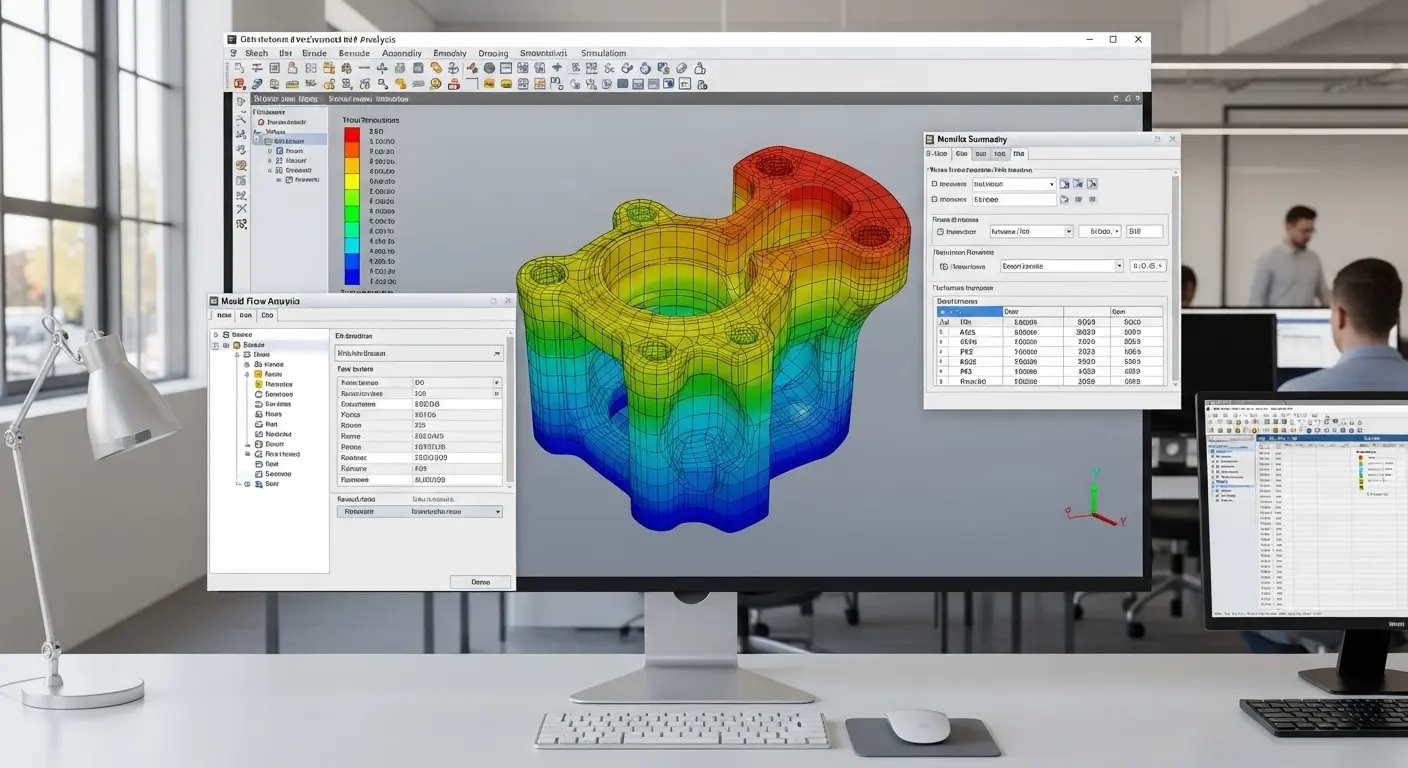
A DFM report is a comprehensive technical analysis performed by mold engineers to evaluate whether a part design is optimized for the specific constraints of the injection molding process. It is the most critical stage of mould design and engineering services, ensuring that your vision is actually manufacturable.
Moving from Design Intent to Manufacturing Reality
Designers often focus on the "form and function" of a product, while manufacturers focus on "flow and ejection." A DFM report aligns these two worlds. It looks at how molten plastic will travel through the cavity, where air might get trapped, and how the cooling process will affect the final dimensions. Without this alignment, even the most beautiful 3D model can result in parts with structural weaknesses or cosmetic blemishes.
The Financial Impact: Avoiding the "Re-Tooling" Trap
The most expensive words in manufacturing are "the mold needs a revision." Modifying a hardened steel tool after it has been completed can cost thousands of dollars and add weeks to your timeline.
A thorough DFM analysis identifies these risks during the digital phase. At SunOn, we provide these insights within 2–3 business days, allowing you to make "paper-only" changes that cost nothing but save everything. This proactive approach is why our clients consistently achieve T1 samples within 25 to 45 days, depending on tool complexity.
Key Components of a SunOn Standard DFM Analysis
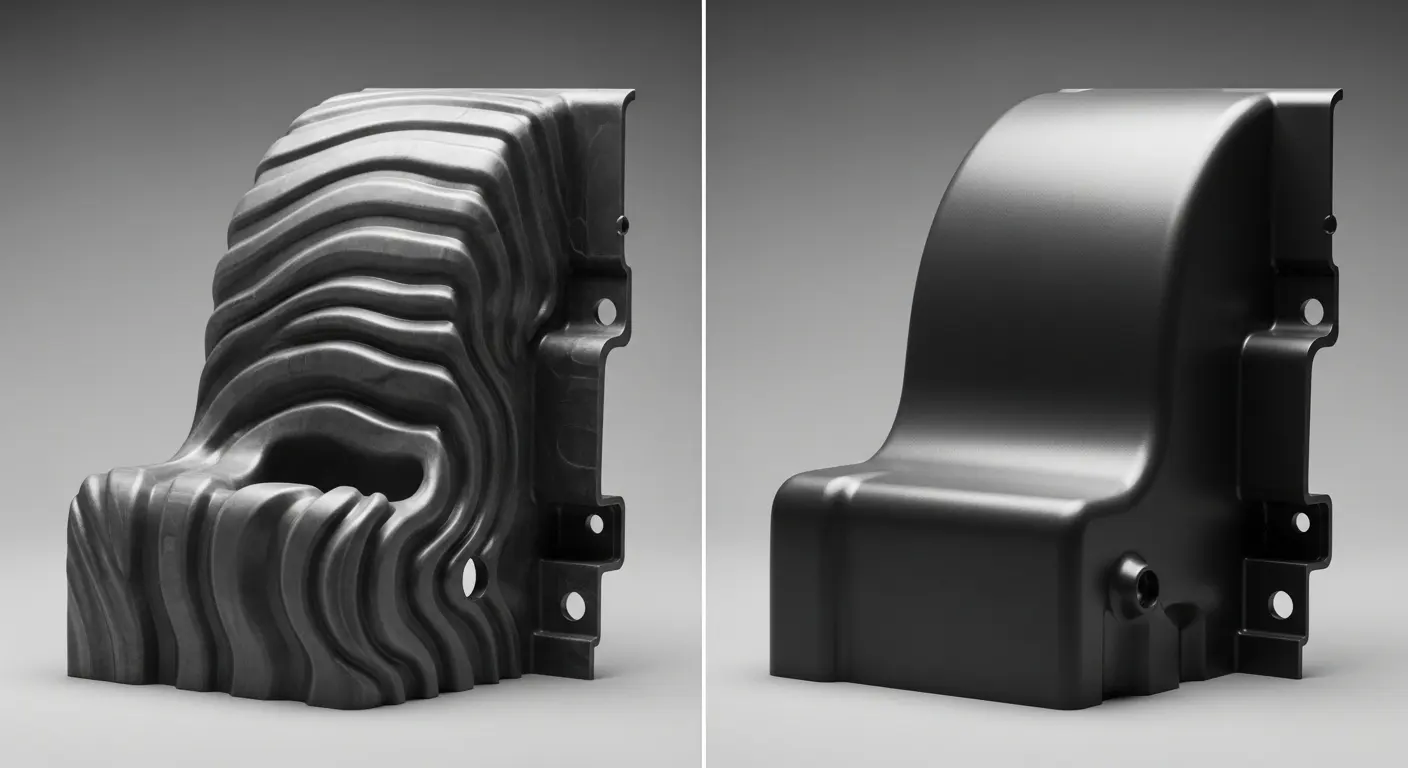
When you partner with worldwide mould design companies, the quality of the DFM report is a direct reflection of their expertise. At SunOn, our reports cover every technical detail required for a high-yield production run.
Wall Thickness & Rib Optimization (Preventing Sink Marks)
Maintaining wall thickness uniformity is the golden rule of injection molding. When a wall is too thick, the outer skin cools faster than the core, leading to "sink marks" or internal voids.
- SunOn's Expertise: Our engineers check every cross-section of your CAD file. If we find thick sections, we suggest coring them out or using ribs for support.
- The 60% Rule: For optimal results, we recommend that rib thickness should be no more than 40% to 60% of the thickness of the main wall to prevent cosmetic sinking on the "A" side of the part.
Draft Angle Analysis: Ensuring Clean Part Ejection
A draft angle is a slight taper applied to the vertical faces of a part to allow it to release from the mold easily. Without sufficient draft, the part will "stick," causing drag marks, stress whitened areas, or even part breakage during ejection.
- Our Experience: While 0.5 degrees is a theoretical minimum, SunOn engineers often find that a 1.0 to 1.5-degree draft is the difference between a clean eject and a 20% scrap rate, especially for deep-draw parts or textured surfaces.
Parting Line & Gate Location: Balancing Aesthetics and Function
The parting line is where the two halves of the mold meet, and the gate is where the plastic enters the cavity. Both leave visible marks.
- Strategic Placement: We work with your team to hide parting lines along natural edges and place gates in non-cosmetic areas. For high-volume plastic injection mould projects, we might recommend "Sub-gates" or "Banana gates" that automatically shear off during ejection, reducing post-processing labor.
Ejector Pin Layout: Minimizing Visible Marks
Ejector pins are necessary to push the part out of the mold. However, they leave small circular "witness marks." Our DFM report includes a proposed layout of these pins to ensure the part is pushed out evenly without warping, while keeping the marks on the interior or hidden surfaces of your product.
Using Moldflow Simulation to Predict the Future
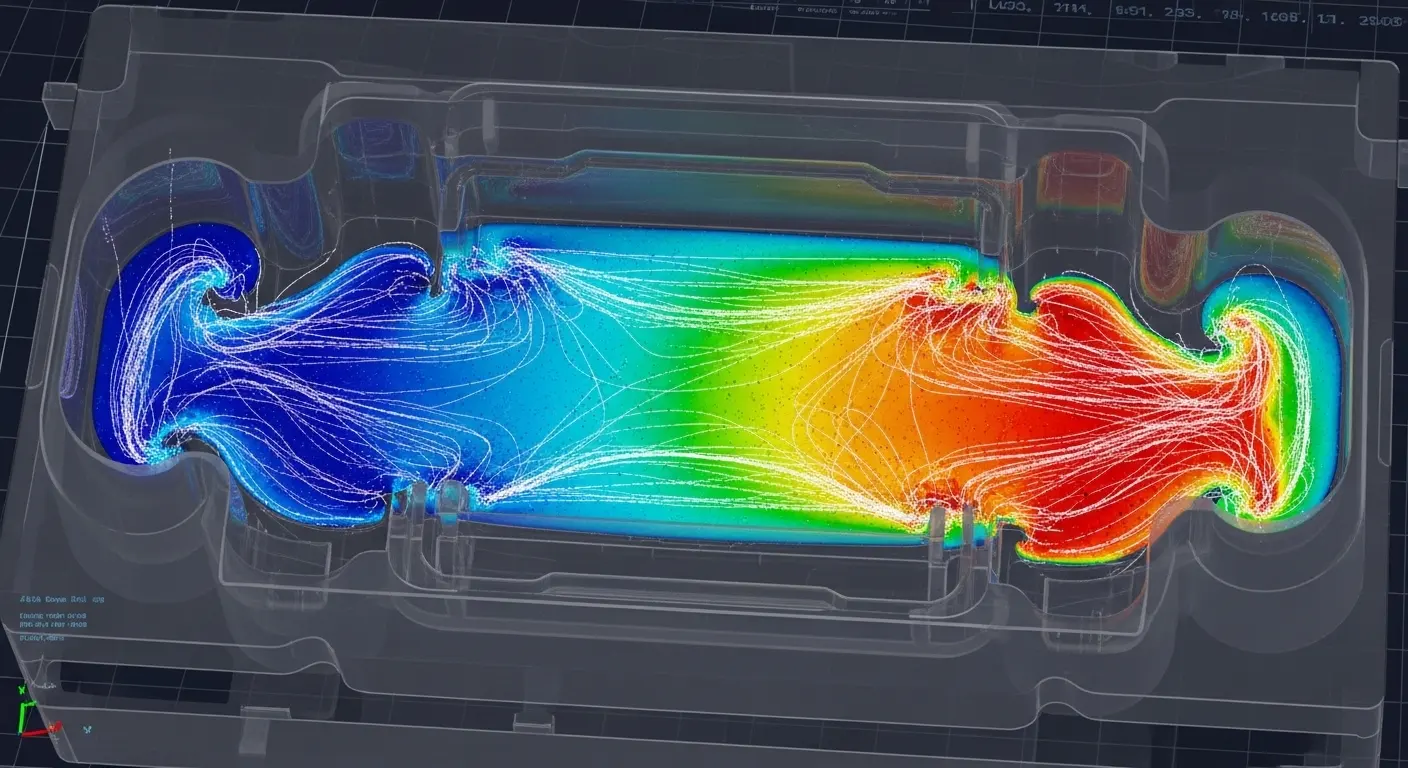
At SunOn, we don't guess—we simulate. We utilize advanced Moldflow simulation software to create a virtual "digital twin" of the injection process.
Internal Insight: Catching "Invisible" Defects
Our engineers use simulation to identify two major production killers: Air Traps and Weld Lines.
- Air Traps: If the plastic flow traps air in a corner, it creates a "burn mark" due to the heat of compression.
- Weld Lines: When two flow fronts meet, they create a seam. If the plastic is too cool at the meeting point, the seam will be weak.
By running these simulations during the DFM phase, we can adjust gate locations or wall thicknesses to move these defects to non-critical areas or eliminate them entirely. This level of detail is a core part of our ISO 9001:2015 certified quality management system.
The Benefit: Faster T1 Samples and Reduced Time-to-Market
Because we solve these problems digitally, our first physical samples (T1) are often 95% to 100% "ready for production." This drastically reduces the number of trial loops, allowing you to move from prototype to low-volume CNC parts or full mass production faster than the industry average.
Common DFM "Red Flags" Every Engineer Should Know
Based on 25+ years of manufacturing for global industries, SunOn’s engineering team has identified several recurring "red flags" that delay production:
- Sharp Internal Corners: These are "stress concentrators" that lead to part failure. We always recommend adding a radius (fillet) to internal corners to improve flow and strength.
- Inconsistent Cooling Channels: If the mold doesn't cool evenly, the part will warp. We design "conformal cooling" paths in our DFM to ensure the temperature stays consistent across the entire tool surface.
- Undercuts without Slides: An undercut is any feature that prevents the part from being pulled straight out of the mold. While we can use "sliders" or "lifters" to handle these, they increase tooling costs. Our DFM will suggest ways to simplify the design to a "straight pull" whenever possible.
Frequently Asked Questions (FAQ)
1. What is a DFM report in injection molding?
A Design for Manufacturing (DFM) report is a technical analysis performed before mold fabrication to identify potential design flaws. It evaluates wall thickness, draft angles, gate locations, and parting lines to ensure the part can be produced efficiently and without defects.
2. How does a DFM report save money?
By identifying issues like improper draft or thick sections early, DFM prevents costly mold modifications after the tool has been cut. It also optimizes cycle times and material usage, reducing the total cost per part during mass production.
3. What are the most common issues found in DFM reports?
The most frequent issues include insufficient draft angles for easy ejection, non-uniform wall thicknesses causing sink marks, and suboptimal gate placement that leads to visible knit lines or air traps.
4. Why is gate location critical in DFM?
Gate location determines how molten plastic fills the mold cavity. Correct placement ensures structural integrity, hides cosmetic blemishes, and prevents "jetting" or unbalanced filling that can weaken the final product.
5. How long does a professional DFM analysis take?
At SunOn, a comprehensive DFM report typically takes 2–3 business days. This includes a full Moldflow simulation and a detailed PDF presentation with suggested design adjustments for the client’s approval.
Conclusion: Your Insurance for Manufacturing Success
A DFM report is much more than a document; it is a collaborative strategy between designer and manufacturer. By investing the time to analyze flow, cooling, and ejection before the steel is cut, you ensure a smoother production run, lower per-part costs, and a higher-quality final product.
With over 1,000 skilled employees and a 25-year track record of exporting to the USA, Germany, and Australia, SunOn Industrial Group Limited is ready to be your technical partner. We don't just build molds; we optimize your success.
Ready to start your next project? Send your 3D files to SunOn Industrial Group today for a comprehensive DFM review and a competitive quote. Our engineers are ready to optimize your design for global success.
