


Electronics Alu Zinc Die Casting Mold | Extended Tooling Life
Modern Production Durability and Efficiency
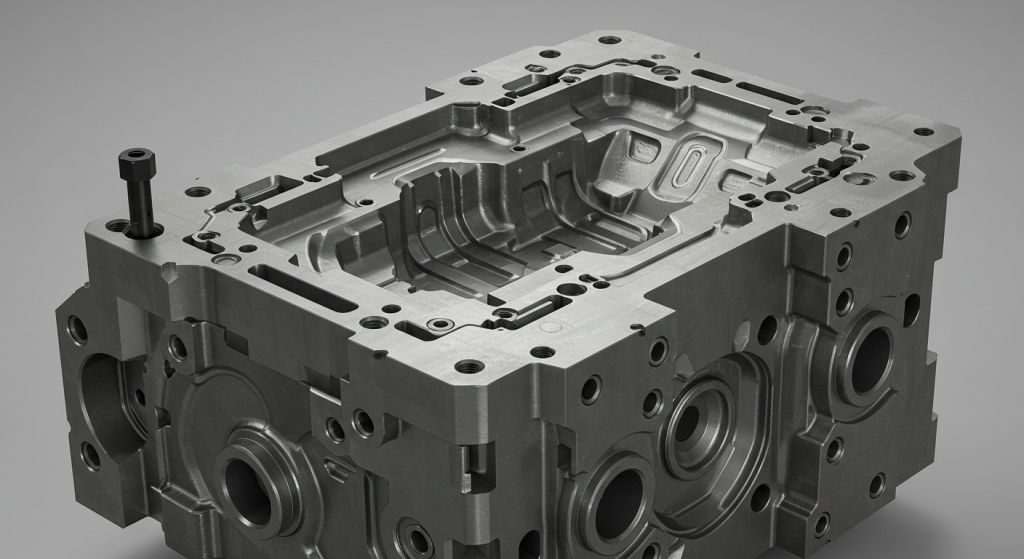
With the speedy electronic production industry these days, performance and precision are more important than ever, and so is robustness. Cost effectiveness, ever pressure molded electronic products, and quality through a die molded, Alu Zinc technology make it possible. These molds are perfect for the high-volume production of electronics because they combine the properties of die aluminum and zinc alloys. Electronics Alu Zinc Die Casting Mold, die zinc, automotive, consumer goods, high-performance industrial devices, and complex aluminum molds, SunOn makes, we enable a guarantee on decision precision and extreme durability. For the electronics industry, we have tailored products, which are automated knee-level pouring devices, to cast intricate parts. These molds and parts use rigorous high-standard die casting techniques, which our clients are proud to utilize.
Zinc and Alu Mold Advantages in Electronics Casters
The properties of performance and durability of electronics products do come from these electronic properties of zinc-aluminum masters.
1. Ability to Withstand Wear
The durability and resistance to a variety of wear and tear after thousands of production cycles during electronics die casting is an essential strategy to possess. With a drastic overthrow in productivity that is achieved through molded production, devices will seem perfect on the outside. However, over time, devices will wear, fatigue, and deform.
2. Thermal Conductivity and Cooling Methods Optimization
During electronics die casting, thermal conductivity at the molds remains important to limit cycle times and thermal stress. The cooling channel designs on electronics molds facilitate quick and efficient heat removal, improving the sustainment of the molds and the parts during high-volume production.
3. Resistance to Wear of the Mould
For the alu-zinc casting, the wear-resistant properties of the mould allow the manufacturer to have prolonged periods of tool life, saving on downtime and the cost of regular maintenance. This translates to consistent surface characteristics and better productivity.
4. Control of Resistance, Dimensional Stability, and Shrinkage
For the electronics casting mould design, it is advantageous to have a low shrinkage rate, and fairly predictable and controllable, as is the case for the aluminum-zinc alloys. The resulting devices, such as housings, connectors, and structural parts, maintain accurate and compatible functional dimensions.
5. High Cycle Fatigue Life and Fatigue Resistance
During the high-volume production of electronics, the fatigue resistance of the mould, as well as durability, becomes crucial. Moulds made from aluminum-zinc alloys maintain their shape quality and cast cycle, even after multiple repetitive cycles, making them dependable for long-term use.
Process and Manufacturing Benefits
The die casting moulds for electronics made from aluminum-zinc alloys are a result of combining sophisticated engineering techniques with advanced manufacturing processes.
CNC Machining and CAD/CAM Design
Using CNC machines with CAD/CAM design allows electronics alu zinc die casting mold to achieve intricate shapes and contain ever-tighter tolerancing. Moulds are adjusted for thermal flow and cooling with CAD design to minimize wear and boost productivity.
Advanced Die Casting Techniques
Engineers can design high-precision electronics die casting molds with modern techniques such as simulation software for die flow and wear prediction that reduces scrap, ensures consistent parts, and maximizes mold life.
High Volume Electronics Production
Electronics die casting molds are strengthened using aluminum-zinc alloys, promoting extended tooling life. This allows for quick and quality production of electronics housings, connectors, and cosmetic parts.
Mold Maintenance and Refurbishment
Continuous electronics zinc aluminum die casting tooling is made operational by lowering operational costs through routine maintenance and refurbishment of the die casting molds.
Application-Specific Uses
Electronics Housings
Consumer electronics aluminum zinc molds to make smartphone, tablet, and laptop housings. High endurance and dimensionally stable surface finish ensure durability and aesthetic appeal.
Electronic Connectors
Alu-zinc die-casting molds used in electronics have connectors, sockets, and other critical components made mechanically strong and capable of high-precision tolerances due to their micron-level precision.
Structural Electronics Components
Framing is used structurally in electronics, such as internal structure and chassis, and made strong and manufacturable with Alu zinc electronic die cast molds, which are light in weight as well.
Decorative Electronics Parts
Control knobs and panels, as well as other die-cast parts, are decorative electronics die-cast parts made using electronic zinc die molds. Their aesthetic surface finish quality and control on measuring surface accuracy and dimensioning enhance surface finish quality and precision of all parts and folds added to the product's aesthetic embellishment.
Comparative Insights: Aluminum-Zinc Vs Other Alloys
Alu-zinc molds are die-casting molds that are used for electronics, where other die-casting molds made from zinc and aluminum are used as a comparison to Alu-zinc with different perspectives:
- Electronics die casting molds made from alu-zinc as opposed to aluminum vs zinc molds → Alu-zinc molds are optimized for high-speed production due to their lighter weight and superior wear resistance.
- Alu-zinc alloys that are used as a cheaper replacement for zinc vs aluminum die casting molds → Alu-zinc alloys give a cheaper alternative for prolonging maintenance intervals.
- Other alloys, as compared to alu-zinc, are universally recognized as more expensive→ Lower replacement costs and energy savings are profitable in overall production.
- Steel die-casting molds as compared to aluminum zinc die-casting molds → Molds made from Aluminum-zinc have higher wear resistance than more expensive steel molds.
- Lifecycle cost of electronics die casting molds → Offers lower total cost of ownership as compared to any other molding options, especially in bulk electronics manufacturing.
Specifications and Expertise From SunOn
SunOn is proud to be the leader in the manufacture of Alu and Zinc Alloy Die-casting Moulds designed specifically to cater to the Electronics industry and other industries that require high precision machined components. We have successfully designed and manufactured high precision molds for Aluminium and Zinc die-casting in the Electronics, Automotive, Consumer Goods, and Industrial Equipment industries.
We can supply our customers with molds or components with the highest standards of dimensional accuracy, ruggedness, and performance to guarantee reliable and consistent production for high-volume electronics manufacturing.
Best Practices for Increasing Tooling Life
To maximize the life and effectiveness of the electronics, aluminum zinc molds:
Optimize the Design of the Cooling Channels: This alleviates thermal stresses and improves the quality of the parts.
Select High-Quality Tool Steel: Allows for better mold wear resistance and better overall mechanical strength.
Do Preventive Mold Maintenance: Tooling life is extended, and downtime is minimized.
Use Simulation Software: This helps with predicting wear and optimizing the mold design.
Use Lean Manufacturing: Promotes good dimensional accuracy while limiting the amount of waste produced in the system.
Conclusion
The electronic industry has faced certain challenges in the die-molded zinc aluminum molds manufacturing process. The molds enhance the tooling life while also providing precision and dimensional stability in manufacturing. Along with the other features of the molds, the remarkable thermal performance allows for the electronic components to be produced in high quality with high economy and volume. The alumina zinc alloy materials preservative has remarkable thermal performance for the housed electronic components, as well as the connectors and other structural parts, in comparison to other aluminum and zinc molds.
