


Rapid Tooling: Accelerating Prototyping and Production for Modern Manufacturing
In today’s competitive manufacturing landscape, speed and flexibility are crucial. Rapid tooling solutions allow companies to accelerate the development of prototypes and small-scale production parts while maintaining precision and quality. Unlike traditional tooling, which may take weeks or months to fabricate, rapid tooling leverages advanced processes to deliver functional molds, dies, and tools in a fraction of the time.
Understanding rapid tooling methods is essential for engineers, designers, and production managers seeking faster time-to-market and cost-effective manufacturing strategies. This article explores the key techniques, benefits, applications, and considerations of rapid tooling, providing actionable insights for modern manufacturing.
What Is Rapid Tooling?
Rapid tooling is the process of quickly creating molds, dies, or tooling components used in manufacturing. It bridges the gap between prototyping and mass production, allowing manufacturers to test designs and produce parts without waiting for traditional, time-intensive tooling processes.
There are two main categories of rapid tooling:
Indirect Rapid Tooling: Uses a pattern or master model to create a mold. The final tool is then cast or formed around this model.
Direct Rapid Tooling: Produces the mold or die directly using additive manufacturing or advanced machining methods, eliminating intermediate steps.
Rapid tooling is particularly valuable for small-batch production, product validation, and design iteration.
Key Methods of Rapid Tooling
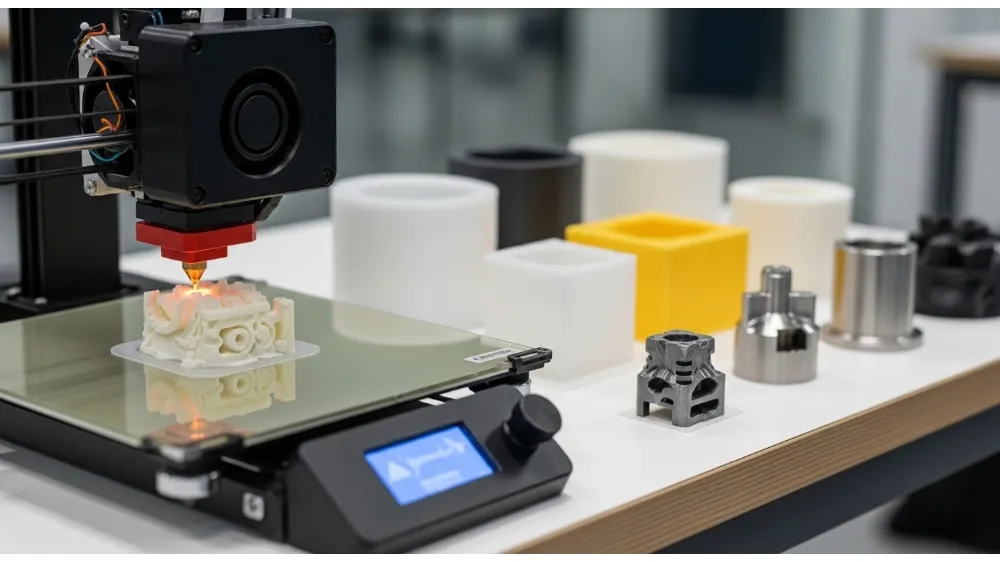
Several techniques are widely used to produce rapid tooling efficiently:
1. Additive Manufacturing (3D Printing) Tooling: Layer-by-layer printing of molds, inserts, or patterns. 3D printing allows complex geometries and quick modifications without extensive rework. Common materials include polymer composites, high-temperature plastics, and metal powders for direct tooling.
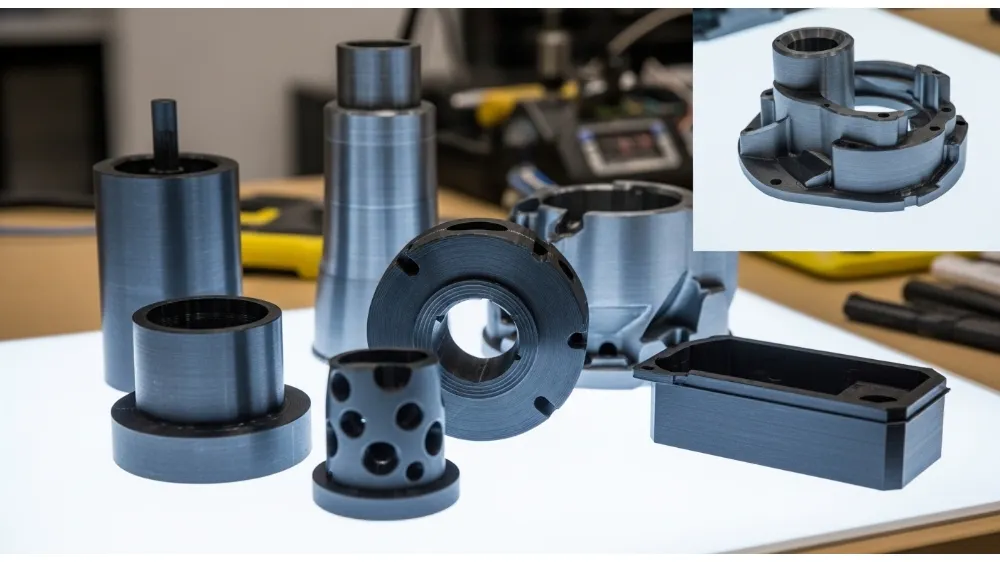
2. CNC Machining: High-speed CNC equipment can rapidly mill or turn mold inserts from metal blocks. CNC tooling provides high precision and can create functional tools suitable for pilot production.
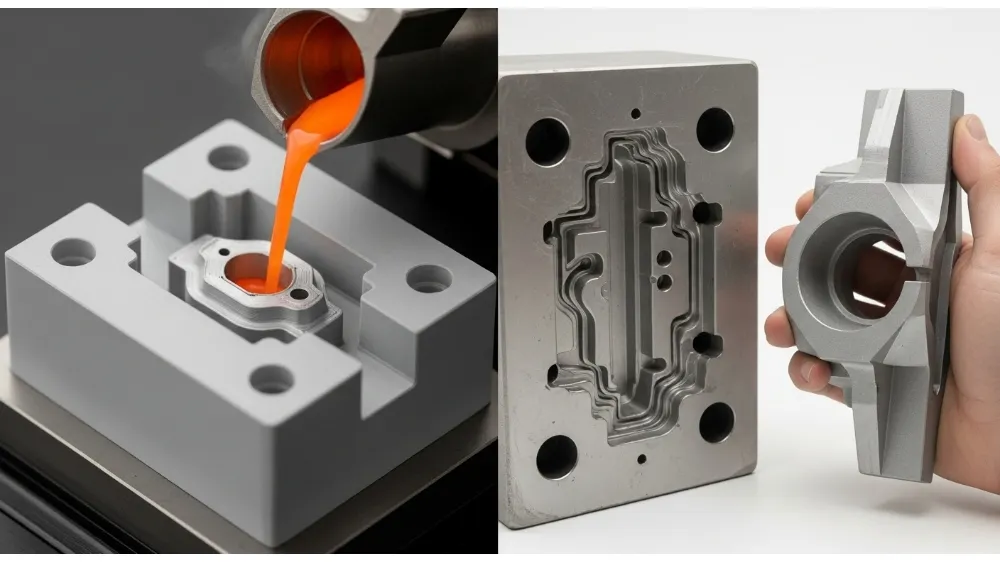
3. Silicone and Epoxy Molds: Soft tooling methods use silicone or epoxy molds to replicate parts for short-run production. These molds are inexpensive and can be created quickly, ideal for low-volume testing.
4. Hybrid Tooling: Combines additive manufacturing with traditional CNC machining. For example, a 3D-printed mold core may be machined for critical surfaces, balancing speed and accuracy.
Advantages of Rapid Tooling
The main benefits of adopting rapid tooling solutions include:
- Reduced Lead Times: Tooling can be delivered in days or weeks instead of months, accelerating product development.
- Lower Costs for Small Runs: Ideal for prototyping and short production runs without the expense of traditional molds.
- Design Flexibility: Quick iterations allow engineers to test modifications before committing to mass production.
- Improved Time-to-Market: Companies can validate concepts faster, respond to market demand, and minimize design errors.
- Risk Reduction: Early testing of tooling and part fit prevents costly mistakes in large-scale production.
Applications of Rapid Tooling
Rapid tooling is used across diverse industries, including:
Automotive: Prototype interior panels, brackets, or small mechanical components.
Consumer Electronics: Testing enclosures, housings, or connectors before full-scale injection molding.
Medical Devices: Producing trial parts or custom tooling for small-batch production.
Industrial Machinery: Creating test components or specialized tools quickly to evaluate performance.
Aerospace: Fabricating prototype panels or small structural parts with tight tolerances.
Factors to Consider When Choosing Rapid Tooling
When implementing rapid tooling solutions, consider the following:
Material Compatibility: Ensure the tool material can withstand expected temperatures, pressures, and wear.
Volume Requirements: Soft tooling may be suitable for small runs, while metal rapid tooling can handle higher volumes.
Part Geometry Complexity: Complex features may benefit from additive manufacturing or hybrid tooling methods.
Accuracy and Tolerance: Evaluate whether the chosen method can achieve required dimensional precision.
Cost vs Benefit: While rapid tooling reduces lead time, material or equipment costs may vary depending on technique and volume.
Rapid Tooling vs Traditional Tooling
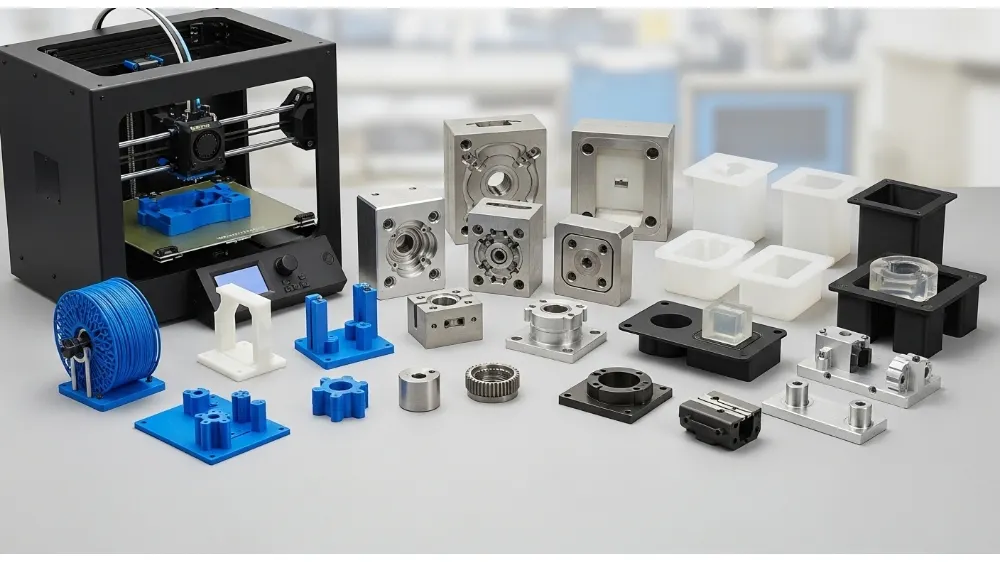
Lead Time: Traditional molds may take weeks or months; rapid tooling reduces this to days or a few weeks.
Flexibility: Rapid tooling allows quick design changes, unlike conventional tooling where modifications can be expensive.
Cost: For small runs or prototypes, rapid tooling is far more economical. However, for large-volume production, conventional molds may still be more cost-effective per part.
Accuracy: Traditional tooling can achieve higher precision and durability for mass production, while rapid tooling may have limitations based on material and process.
Best Practices for Rapid Tooling
- Collaborate early with designers and engineers to select the most suitable method.
- Use CAD simulations and digital models to validate tool design before fabrication.
- Consider post-processing such as coating or machining for improved tool life.
- Optimize mold geometry to minimize material usage and avoid defects.
- Monitor tool performance during early production runs to detect wear or deviations.
Common Mistakes in Rapid Tooling
- Overlooking thermal or mechanical stress on tooling materials.
- Choosing rapid tooling for very high-volume production without evaluating durability.
- Ignoring surface finish or tolerance requirements.
- Skipping testing and validation phases for prototypes.
Frequently Asked Questions (FAQ)
Q1: What is rapid tooling used for?
A: Rapid tooling is used to produce molds, dies, or tool inserts quickly for prototypes, small-batch production, and design validation.
Q2: How does rapid tooling differ from traditional tooling?
A: Rapid tooling significantly reduces lead time, allows quick design changes, and is more cost-effective for small runs compared to conventional molds.
Q3: Can rapid tooling handle metal parts?
A: Yes, direct rapid tooling with metal additive manufacturing or CNC machining can produce functional metal molds or dies.
Q4: Which industries benefit most from rapid tooling?
A: Automotive, consumer electronics, aerospace, medical devices, and industrial machinery all leverage rapid tooling for prototyping and pilot production.
Q5: Is rapid tooling suitable for mass production?
A: It can be used for moderate volumes, but traditional tooling may still be preferable for very high-volume manufacturing due to durability.
Q6: How does additive manufacturing support rapid tooling?
A: 3D printing enables fast creation of molds or inserts, accommodates complex geometries, and allows easy design iterations.
Q7: What are the cost benefits of rapid tooling?
A: It reduces upfront tooling expenses, shortens development cycles, and minimizes costly design errors before large-scale production.
Conclusion
Rapid tooling solutions offer a fast, flexible, and cost-efficient approach to prototyping and small-batch production. By understanding the different techniques, advantages, and limitations, manufacturers can accelerate development, validate designs, and optimize production processes. Selecting the appropriate rapid tooling method ensures higher efficiency, lower costs, and superior part quality, making it an essential strategy in modern manufacturing.
