


Industrial Machinery Prototyping with 3D Printing: Use Cases
Industrial machinery part prototyping via 3D printing has revolutionized how manufacturers develop heavy equipment and complex mechanical systems. This technology allows engineers to create physical models quickly. It eliminates the high costs of traditional tooling during the early design phases. Consequently, businesses can iterate faster and bring robust industrial solutions to market with significantly less risk.
How does industrial machinery part prototyping via 3D printing work?
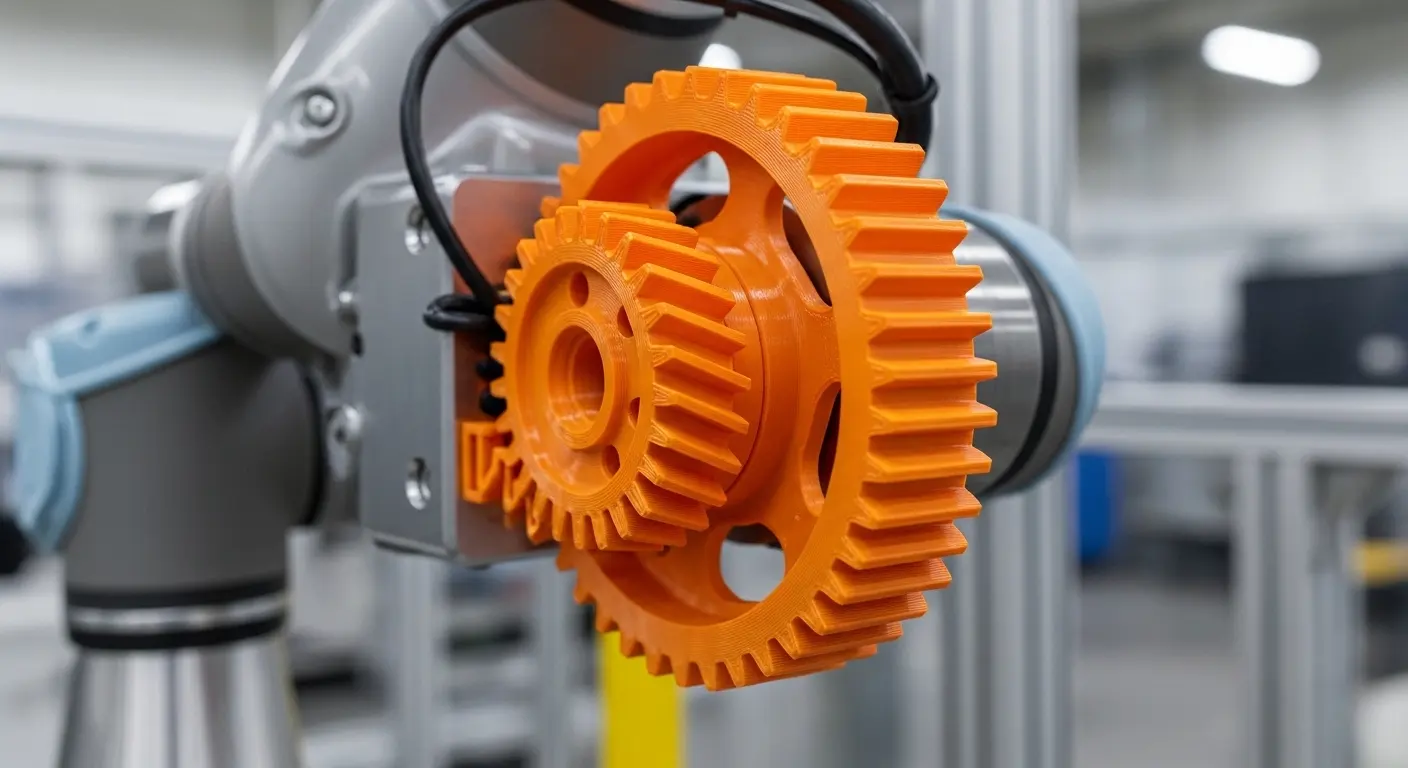
Industrial machinery part prototyping via 3D printing involves using Additive Manufacturing (AM) to build components layer-by-layer from digital CAD files. Engineers select specific processes like FDM, SLS, or DMLS based on the required mechanical properties. This method allows for the creation of complex internal geometries that traditional machining cannot easily replicate for testing.
The process begins with a precise 3D model. Unlike subtractive manufacturing, where you cut material away, 3D printing adds material only where needed. For industrial machinery, this means you can prototype a gear assembly or a hydraulic manifold in days rather than weeks.
We often see companies struggle with lead times for cast parts. By using 3D printing services, you bypass the need for expensive molds. You can test the fit and function of a part on the actual machine. If the design fails, you simply update the digital file and print again. This iterative cycle is the heartbeat of modern industrial innovation.
Why is 3D printing better than traditional methods for industrial prototypes?
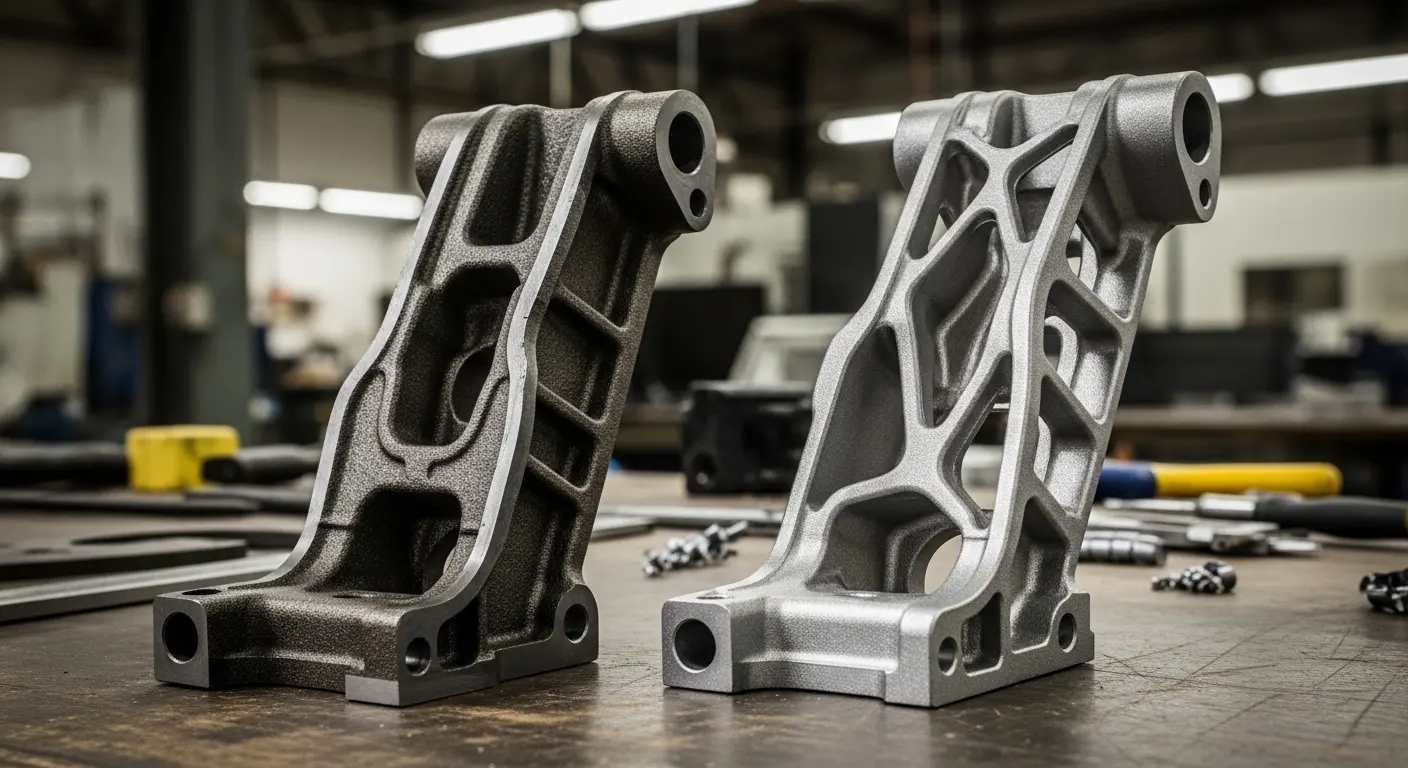
3D printing is superior for industrial prototypes because it drastically reduces lead times and manufacturing costs for single units. Traditional methods like CNC machining or injection molding require significant setup and tooling investments. In contrast, 3D printing offers design freedom. It enables engineers to test high-complexity parts without the financial penalty of manufacturing errors.
When comparing molding vs 3D printing, the choice usually depends on volume. However, for a single industrial prototype, 3D printing wins every time. It allows for "complexity for free." You can print a part with internal cooling channels or hollow structures to save weight.
Tip: Use 3D printing to validate designs before committing to expensive steel molds. A $500 plastic prototype can save you from a $50,000 molding mistake.
Does 3D printing reduce the cost of machinery development?
Yes, 3D printing reduces machinery development costs by eliminating the need for hard tooling and reducing material waste. Traditional prototyping often requires specialized jigs or custom cutters. With 3D printing, the only major upfront cost is the material and machine time. This allows for multiple design iterations within the same budget.
(Data: Studies show that 3D printing can reduce prototyping costs by 60% to 90% compared to traditional CNC machining for complex geometries.)
What are the primary use cases for 3D printing in industrial machinery?
The primary use cases include functional testing, ergonomics verification, and the creation of custom jigs and fixtures. Manufacturers also use it for "bridge production" while waiting for permanent tooling. Additionally, it is ideal for producing end-use spare parts for legacy machinery. This versatility makes it an essential tool for modern industrial engineering departments.
How is 3D printing used for functional testing of mechanical parts?
Functional testing involves printing parts in high-performance materials to simulate real-world stress and environment. Engineers use these prototypes to check mechanical clearances, load-bearing capacities, and thermal resistance. It ensures the part will perform correctly under actual operating conditions before mass production begins.
For example, a company developing a new conveyor system might print a series of custom rollers. They can test these rollers for wear and friction. If the rollers fail, they adjust the geometry immediately. This prevents a catastrophic failure later in the production line.
Can 3D printing create custom jigs and fixtures for the factory floor?
3D printing is exceptionally effective for creating custom jigs, fixtures, and alignment tools. These "tools for the tools" are often unique to a specific assembly line. Printing them on-demand reduces the weight of the tools. This makes them easier for workers to handle and increases overall factory efficiency.
- Assembly Jigs: Ensure parts are perfectly aligned during welding or fastening.
- Drill Guides: Custom-shaped guides that snap onto machinery for precise maintenance.
- Quality Control Fixtures: Used to hold parts in place for laser scanning or manual inspection.
Is 3D printing suitable for legacy machinery spare parts?
3D printing is the perfect solution for legacy machinery spare parts that are no longer in production. By reverse-engineering an old part and creating a 3D model, manufacturers can print a replacement. This extends the life of expensive equipment and avoids the need for complete machinery overhauls.
Many factories have machines from the 1980s or 1990s. The original manufacturers may be out of business. In these cases, 3D printing is a literal lifesaver. You can print the part in metal or high-strength polymer to keep the production line moving.
What materials are best for industrial machinery part prototyping?
The best materials for industrial machinery prototyping include high-strength polymers like Nylon and Ultem, as well as metals like Stainless Steel and Titanium. The choice depends on the specific demands of the machinery. Polymers are excellent for fit and form testing. Metals are necessary for parts that must withstand high temperatures or mechanical loads.
| Material Category | Common Examples | Best Use Case | Key Property |
| Standard Polymers | PLA, ABS | Visual models, simple fit tests | Low cost, easy to print |
| Engineering Plastics | Nylon, Polycarbonate | Functional gears, housings | Impact resistance, durability |
| High-Performance | Ultem (PEI), PEEK | Aerospace, chemical exposure | Heat and chemical resistance |
| Metals | Stainless Steel, AlSi10Mg | End-use parts, high-stress testing | High strength, thermal conductivity |
When should you use metal 3D printing for prototypes?
Use metal 3D printing when the prototype must endure extreme heat, high pressure, or intense mechanical stress. DMLS (Direct Metal Laser Sintering) creates parts that are nearly as strong as forged components. It is the gold standard for testing engine components, hydraulic valves, and heavy-duty brackets.
If you are designing a high-pressure valve, a plastic prototype will not suffice for pressure testing. You need the density and strength of metal. While more expensive, a metal 3D printed prototype is still cheaper than a one-off casting.
How does 3D printing compare to low-volume injection molding?
3D printing is faster and cheaper for quantities under 50 units. However, low-volume injection molding becomes more cost-effective as the quantity increases toward 100 to 1,000 units. Molding provides better surface finish and material consistency. 3D printing offers greater design flexibility and requires no lead time for mold fabrication.
For many industrial projects, the two technologies work together. You might start with 3D printing for the first five versions of a part. Once the design is frozen, you switch to low-volume molding for the first 500 units. This strategy balances speed with production quality.
What is the step-by-step process for prototyping industrial parts?
The process starts with 3D CAD modeling, followed by selecting the appropriate 3D printing technology and material. After the part is printed, it undergoes post-processing such as support removal or surface finishing. Finally, the prototype is integrated into the machinery for testing and validation.
- CAD Design: Create a detailed 3D model using software like SolidWorks or AutoCAD.
- Slicing: Use software to convert the 3D model into layers for the printer.
- Printing: The machine builds the part layer-by-layer.
- Cleaning: Remove support structures and excess material.
- Post-Processing: Apply sanding, painting, or heat treatment if necessary.
- Functional Testing: Install the part and run real-world tests.
How do you choose the right prototyping manufacturer?
Choose a prototyping manufacturer based on their material range, machine precision, and industry experience. Look for partners who offer a variety of technologies like SLS, SLA, and CNC machining. A good manufacturer should provide design-for-manufacturing (DFM) feedback to help you optimize your industrial parts for the best results.
If you are looking for the best in the business, consult lists of the Top 10 Rapid Prototyping Manufacturers or the Top 20 Rapid Prototyping Manufacturers. These companies have the infrastructure to handle complex industrial requirements. They ensure your prototypes meet strict tolerances and performance standards.
Tip: Always ask for a material data sheet (TDS). This ensures the 3D printed material matches the mechanical requirements of your industrial application.
What are the limitations of 3D printing for industrial machinery?
The main limitations are size constraints, surface finish quality, and material anisotropy. Some 3D printers have small build volumes, making it difficult to print large machine frames. Additionally, the layered nature of 3D printing can create weak points in certain directions. Post-processing is often required to achieve the smooth finish needed for precision seals.
- Build Size: Most standard industrial printers are limited to 400mm - 600mm cubes.
- Anisotropy: Parts are often weaker in the Z-axis (vertical direction).
- Cost at Scale: As volumes increase, the cost per part does not drop as quickly as molding.
How is 3D printing changing the future of industrial design?
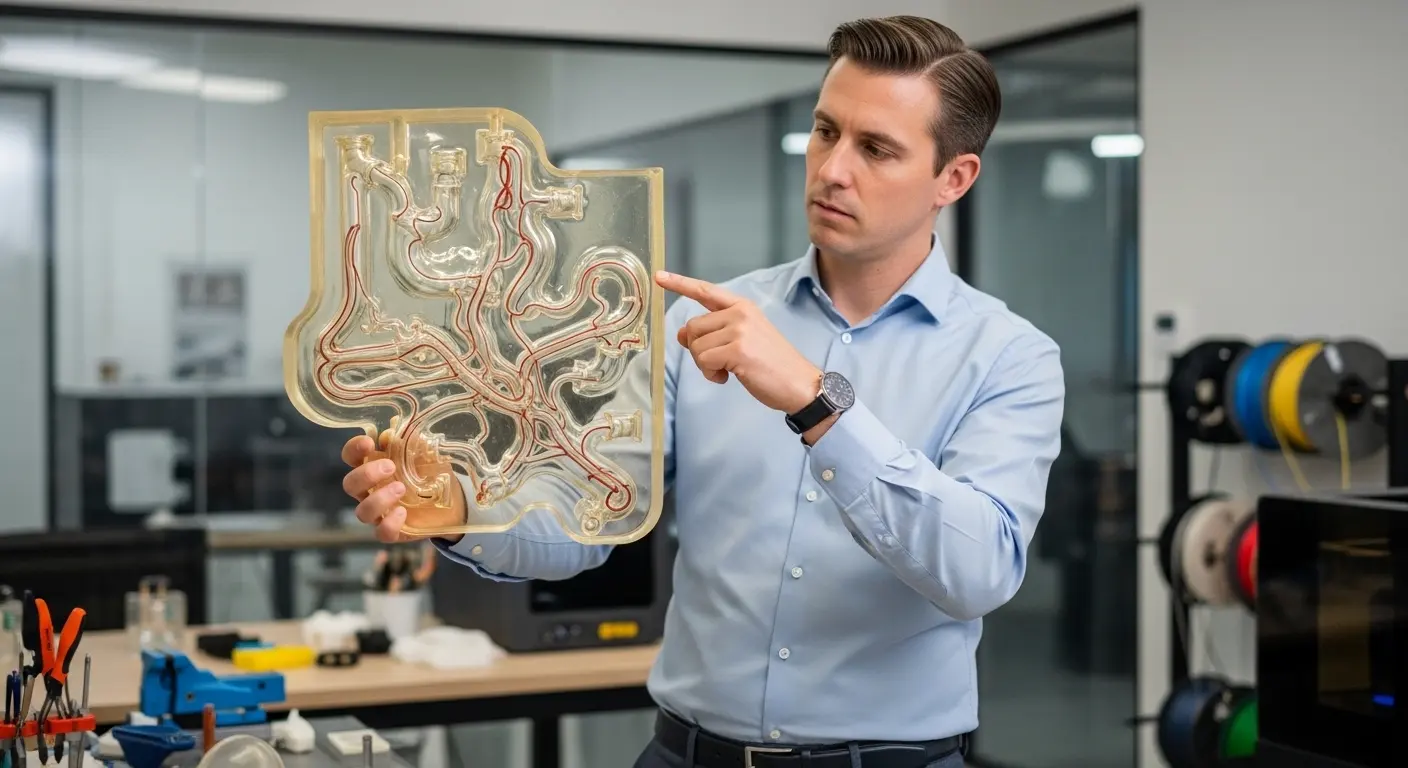
3D printing is enabling "Generative Design," where AI creates optimized, organic shapes that are impossible to manufacture traditionally. This leads to lighter, stronger machinery that uses less energy. It also facilitates decentralized manufacturing. Companies can now print spare parts on-site rather than maintaining massive, expensive warehouses of physical inventory.
Imagine a world where a broken tractor in a remote field doesn't wait weeks for a part. Instead, the local repair shop prints the part overnight. This is the reality that industrial 3D printing is building. It shifts the value from physical stock to digital IP.
Conclusion
Industrial machinery part prototyping via 3D printing is no longer a luxury. It is a necessity for competitive manufacturing. By adopting this technology, you reduce your R&D costs and accelerate your product development cycles. Whether you are creating a simple bracket or a complex engine component, 3D printing provides the speed and flexibility needed to succeed. Start by evaluating your current design bottlenecks. You will likely find that a 3D printed prototype is the solution you need to move forward.
