


Low-Volume CNC Parts Machining Service | SunOn Mould & OEM
Low-volume CNC parts machining service is the fastest, safest way to move from idea to real, test-ready parts without committing to expensive tooling—and with SunOn you can keep the same partner from prototype to mass production. Learn more about our OEM manufacturing process. This blog-style service page is designed to rank for “low-volume CNC parts machining service” and related keywords while answering the exact questions engineers and buyers ask.elimold+1
What Is Low-Volume CNC Parts Machining?
Low-volume CNC parts machining means producing precision components in relatively small quantities—typically from 1 to around 1000+ pieces per order—using CNC milling, turning, and related processes. It is ideal for functional prototypes, engineering samples, pilot runs, and long-term small-batch production where full tooling cost is hard to justify.3aprototype+3
Unlike mass production methods such as plastic injection molding or die casting, low-volume CNC machining has no expensive mould to build first, so you can start production quickly and change designs more easily as you learn from testing and market feedback.waykenrm+1
Why Low-Volume CNC Parts Before Investing in Tooling?
Many projects fail not because the idea is bad, but because teams spend too much on tooling before fully validating design and market demand. Low-volume CNC parts machining gives you a flexible, low-risk path to validate your product before committing to moulds. unofactory
Key advantages include:
- Lower upfront investment: You pay only for machining, not for expensive steel moulds or long tooling lead times.elimold+1
- Faster design iterations: Update your CAD, make small changes, and re-machine parts quickly during development.blog.goldsupplier+1
- Functional, test-ready parts: Use real engineering materials like aluminum, stainless steel, or engineering plastics to test fit, strength, and performance.kesugroup+1
- Bridge from prototype to mass production: Start with low-volume CNC parts and then transition smoothly into injection molding or die casting with the same partner.
For startups, OEMs, and product designers, this bridge strategy helps you show results to investors, customers, and internal stakeholders without locking into a design too early. [See our OEM project workflow.]haizol+1
SunOn’s Low-Volume CNC Parts Machining Service
SunOn Industrial Group is widely known for custom plastic injection moulds, die-casting moulds, and OEM manufacturing, supplying customers across Europe, North America, and other global markets. Building on this foundation, our low-volume CNC parts machining service is designed to support you from the very first engineering sample through to stable mass production.
We focus on:
- Custom low-volume CNC parts from 1 to around 1000+ pcs per order (actual range depends on part and project).
- Both metal and plastic CNC parts for functional testing, trial orders, and ongoing small-batch supply.3aprototype+1
- Seamless transition from CNC parts to plastic moulds, die-casting moulds, and high-volume production in the same factory group.
This one-stop structure means you deal with a single engineering team that understands your product from the first prototype all the way to the final packaged goods. [Visit our manufacturing capabilities page for more details.]
Our Low-Volume CNC Machining Capabilities
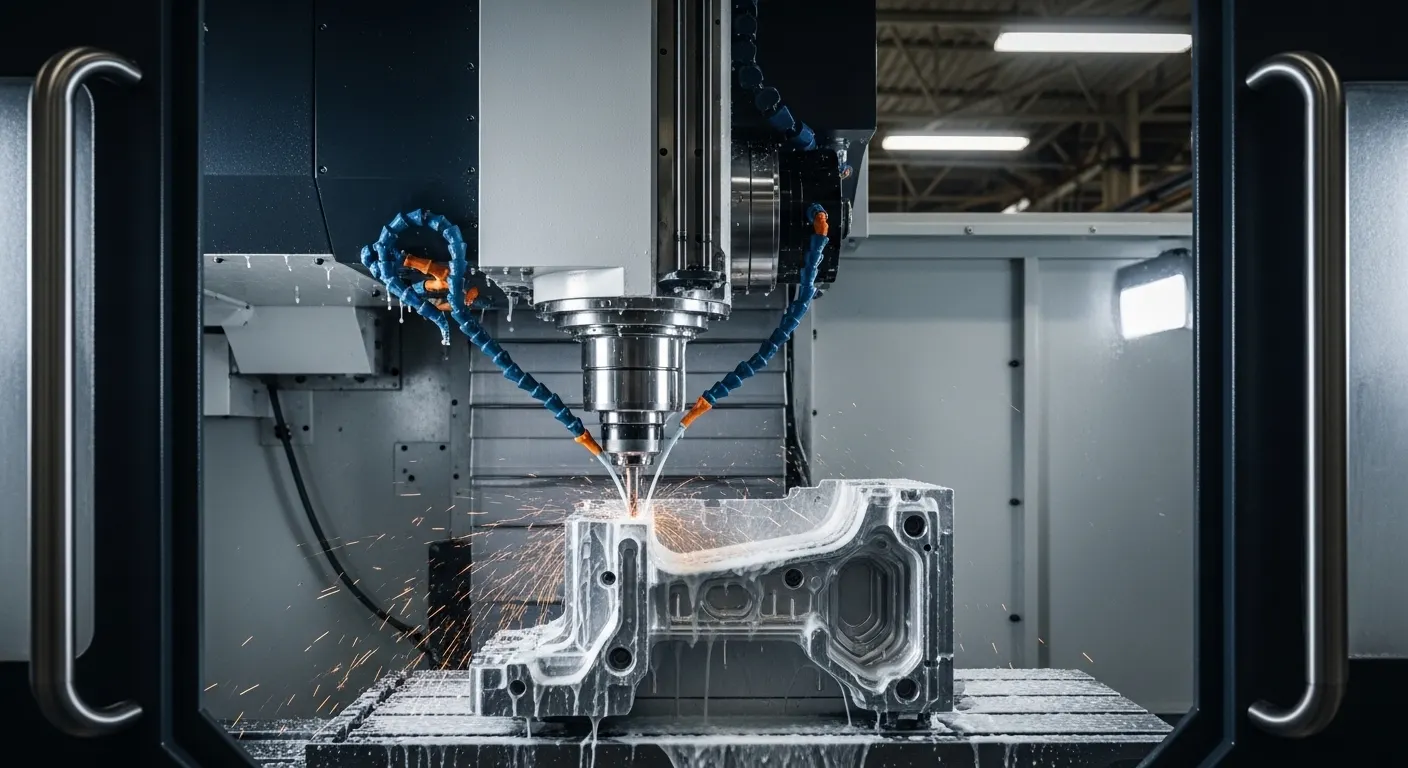
A strong low-volume CNC service is not only about machines; it’s about process control, engineering support, and manufacturing experience. SunOn combines all three.kesugroup+1
Processes
We can produce a wide range of low-volume CNC parts using:
- CNC milling (3-axis and multi-axis for complex geometries).
- CNC turning for rotational parts such as bushings, shafts, and connectors.
- Combined milling and turning for hybrid geometries.
- Drilling, tapping, boring, countersinking and other common operations.
These processes allow us to deliver everything from simple brackets to complex precision housings and fixtures.
Materials
Depending on your application, we can supply low-volume CNC parts in both metals and plastics, including but not limited to:3aprototype+1
- Metals: Aluminum (e.g., 6061, 7075), stainless steel, carbon steel, brass, copper, tool steel.
- Plastics: ABS, PC, PP, POM, PA, PEEK, and other engineering plastics often used in injection molding.
Using the same or similar material to your final production part helps you get realistic test results for strength, dimensional stability, and appearance.waykenrm+1
Typical Batch Sizes and Tolerances
For most projects, low-volume CNC orders fall in ranges such as:
- Prototypes and samples: 1–20 pcs.
- Pilot runs: 20–200 pcs.
- Small-batch production: 200–1000+ pcs, depending on complexity and long-term demand.elimold+1
Achievable tolerances depend on material and geometry, but CNC machining can normally reach fine tolerances suitable for functional mechanical parts, with tighter zones by agreement for critical features. [Read our DFM guidelines to optimise your design.]lowvolumecncmachining+1
From CNC Parts to Moulds and Mass Production in One Place
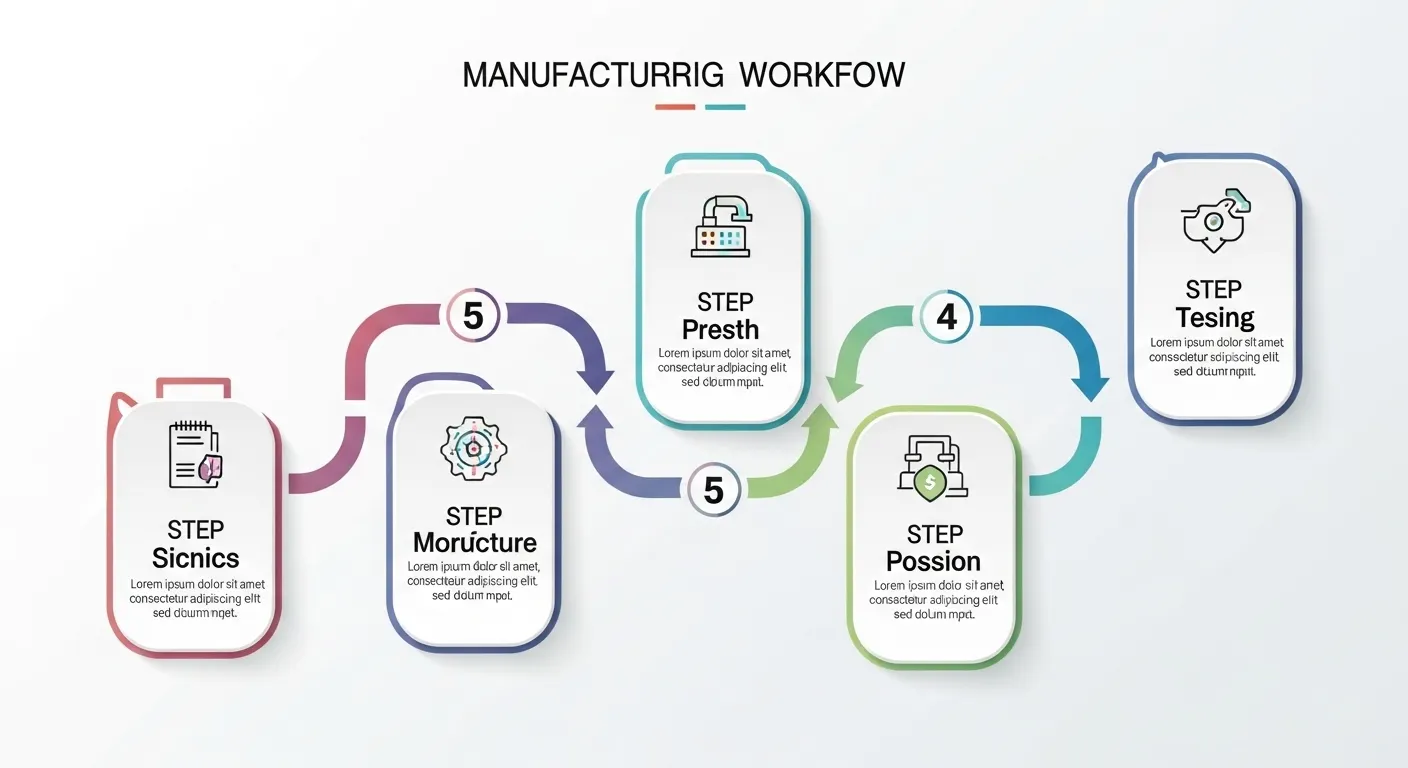
Most low-volume CNC shops stop at CNC parts, leaving you to find another supplier for moulds and high-volume production. SunOn is different because moulds and mass production are already our core business.prototypeprojects+1
A typical path with us looks like this:
- Low-volume CNC parts for validation
You send CAD files, we machine metal or plastic parts for testing, design reviews, and small market trials. - DFM review for mouldability
Once the design is close to final, our mold engineers review your part from a mouldability perspective—draft angles, wall thickness, gate positions, demoulding, and more. See our detailed DFM process.blog.goldsupplier - Mould design and manufacture
We design and build plastic injection molds or die-casting molds in-house, following the OEM process and quality standards SunOn is known for. - Trial runs and optimisation
T1, T2 samples, and process optimization ensure you get stable, repeatable parts. - Mass production and assembly
With moulds approved, we handle mass production, partial or full assembly, and packaging, shipping directly to your warehouses or distribution hubs.
By keeping all of this under one roof, you reduce communication gaps, avoid repeated onboarding of new suppliers, and accelerate your time to market.
Industries and Applications for Low-Volume CNC Parts
Low-volume CNC parts machining is widely used across industries that need reliable components quickly and in flexible quantities. Combining CNC capability with mould and production experience, SunOn can support applications such as:prototypeprojects+1
- Household and consumer products: appliance components, control knobs, brackets, and covers. [Explore our home appliance mould projects.]
- Automotive and transportation: low-volume accessory parts, fixtures, and testing jigs.prototypeprojects+1
- Electronics: enclosures, heat sinks, connector housings, mounting frames.
- Medical and laboratory equipment: prototype housings, fixtures, and functional test components (subject to specific regulatory requirements).
- Industrial and automation: sensor brackets, machine fixtures, and small mechanical assemblies.
Whether you need a single fixture to support your production line or several hundred parts to test a new product in the field, low-volume CNC machining offers the flexibility you need.
DFM and Quality Assurance for CNC Parts
Because SunOn already handles precision mould manufacturing and OEM projects, our engineering and quality control approach is more rigorous than a typical standalone machine shop. We apply the same discipline to low-volume CNC parts.
Design for Manufacturing (DFM)
Before cutting material, our team can review your drawings and 3D models to:
- Identify features that are difficult or costly to machine.
- Suggest modifications that improve manufacturability and reduce machining time.
- Check whether your part can later be transformed into a plastic or die-casting design with minor changes.
This early DFM helps you avoid expensive rework and keeps your project aligned with eventual mass production. [Download our DFM checklist.]unofactory+1
Quality Control
Quality is controlled throughout the process, not only at final inspection. Depending on your requirements, we can provide:
- Incoming material verification and certification (where required).
- In-process checks at critical dimensions.
- Final inspection reports with key dimensions measured using appropriate tools.
For long-term or repeated orders, we can work with you to define control plans and documentation that match your internal procedures. [See our quality control standards.]
Surface Finishes and Secondary Operations
End-use parts often require more than raw machining; they need the right look and protection. SunOn can provide a range of finishes and secondary services so your low-volume CNC parts arrive ready for use or assembly.lowvolumecncmachining+1
Common finishing options include:
- Anodizing for aluminum parts (decorative and protective).
- Powder coating or painting for corrosion resistance and color.
- Bead blasting or polishing for improved surface appearance.
- Plating for wear and corrosion protection (subject to specification).
- Laser engraving or marking for logos, part numbers, or barcodes.
Because we already manage assembly and packaging for moulded parts, we can also assemble CNC parts into subassemblies or final products if needed. [Learn about our assembly services.]
Lead Times, MOQ, and Pricing for Low-Volume CNC Parts
Lead time, minimum order quantity, and pricing are critical to project planning, especially when you are under pressure to launch or validate a design.lowvolumecncmachining+1
Lead Time
Typical lead time for low-volume CNC parts can be relatively short once design and requirements are confirmed, with actual timing depending on:
- Part complexity and machining time.
- Material availability.
- Quantity and finishing requirements.
By using efficient scheduling and existing OEM production experience, we aim to support tight development timelines. [Compare with our mould manufacturing lead times.]
MOQ and Order Flexibility
One of the biggest benefits of low-volume CNC machining is order flexibility, especially at early development stages. You can:elimold+1
- Order very small quantities at the beginning (even just a handful of parts).
- Increase quantities gradually as your design stabilises and demand grows.
This aligns perfectly with the idea of starting small and scaling as you move into moulds and mass production.
Pricing
The cost of low-volume CNC parts is influenced by:
- Material type and size.
- Part geometry and machining complexity.
- Tolerance and surface finish requirements.
- Quantity and any special inspection or documentation requests.blog.goldsupplier+1
To receive a precise quotation, the simplest way is to send your 2D drawings and 3D models, along with any special notes on tolerances, finish, or usage.
Example Use Cases for Low-Volume CNC Parts
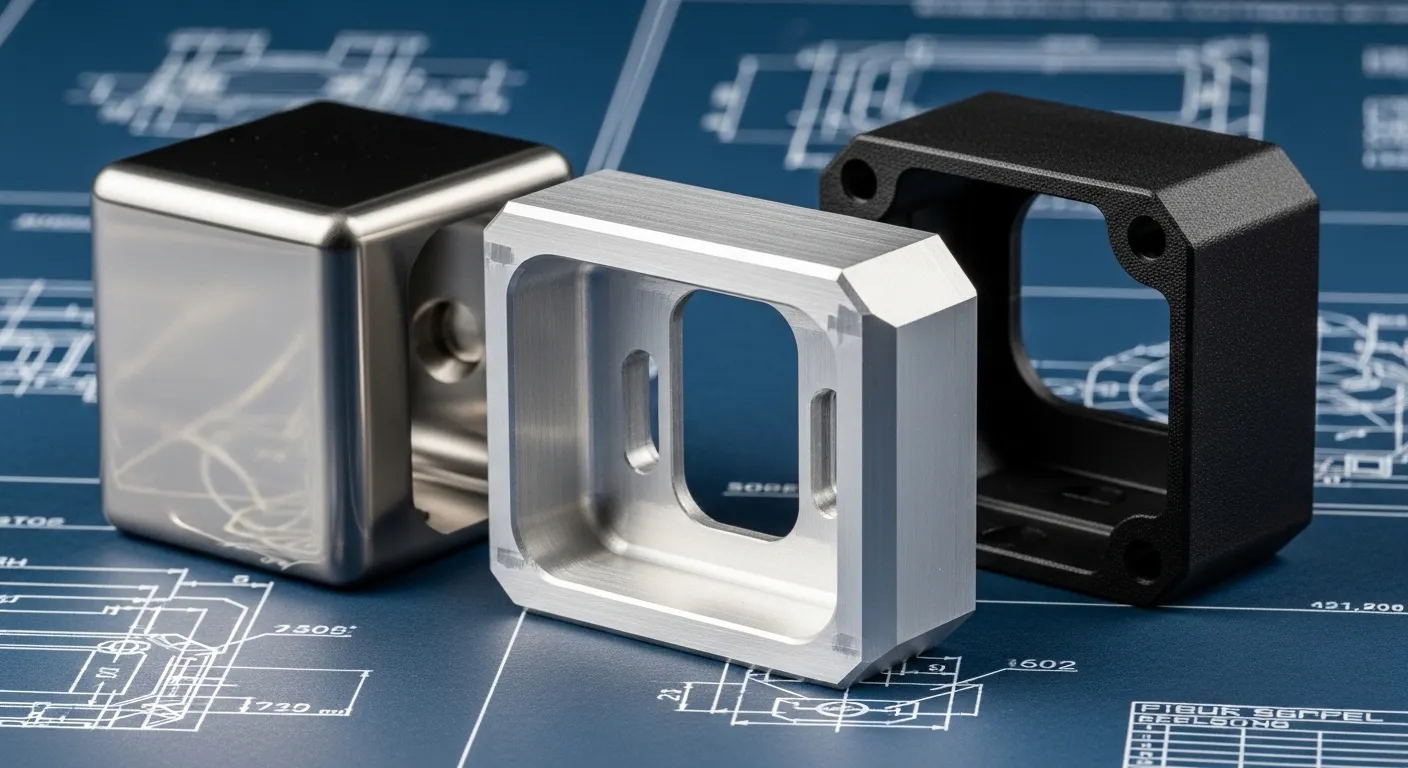
Here are a few typical scenarios where customers benefit from SunOn’s low-volume CNC parts machining service:
- New product launch: A startup needs 50–200 functional parts in aluminum and engineering plastics to validate mechanical performance and gather early customer feedback before ordering a mould.
- Engineering fixtures: A manufacturing engineer needs several custom fixtures and jigs to stabilize a production line, with periodic reorders but no need for thousands of parts.
- Spare parts and aftermarket: A brand maintains small-batch supply of aftermarket or service parts, where demand is steady but relatively low and does not justify full tooling investment.
FAQs About Low-Volume CNC Parts Machining
Low-volume generally means quantities from 1 to around 1000+ parts per order, depending on part complexity and project requirements.3aprototype+1
Yes, we can machine both metals and engineering plastics, which is especially useful when your final product will later move into plastic injection molding or die casting.[3aprototype]
Because SunOn is also a mould manufacturer and OEM supplier, our engineers can review your design for both machining and mouldability, saving time when you are ready to invest in tooling. [Visit our DFM page.]unofactory+1
Standard 2D drawings (e.g., PDF, DXF) and 3D CAD files (e.g., STEP, IGES, others upon request) are typically accepted for low-volume CNC parts machining.kesugroup+1
SunOn already exports moulds and OEM products to multiple countries and regions worldwide, and we can provide the same shipping and logistics support for low-volume CNC parts orders. [See our global shipping options.]
Request a Quote for Low-Volume CNC Parts Machining
If you are looking for a reliable low-volume CNC parts machining service that can also support you with moulds and long-term production, working with a single, experienced partner makes everything easier. SunOn Industrial Group combines CNC machining, mould manufacturing, and OEM production into one integrated solution, helping you move from prototype to mass production with less risk, fewer suppliers, and shorter timelines.[elimold]
To discuss your project or request a quotation:
- Prepare your 2D drawings and 3D models.
- Share your target quantity, material, and any special requirements.
- Contact our engineering team for a detailed, no-obligation quote and DFM review.
This way, your “low-volume CNC parts machining service” is not just a search term, but a complete, practical path from idea to product.
