


3D Printing Medical Device Prototypes: FDA Compliance Guide
Utilizing medical device prototype 3D printing allows engineers to accelerate life-saving innovations while maintaining strict adherence to regulatory standards. This digital manufacturing approach bridges the gap between conceptual design and clinical validation, ensuring that patient-specific tools and complex surgical instruments meet rigorous safety benchmarks. By integrating additive manufacturing early, developers can iterate rapidly and refine ergonomics before entering the final stages of the FDA submission process.
Why is Medical Device Prototype 3D Printing Vital for Innovation?
Medical device prototype 3D printing is vital because it enables rapid design iteration, reduces development costs, and allows for the creation of complex, patient-specific geometries. It provides a tangible way to test form, fit, and function in high-stakes environments, ensuring that devices are safe and effective before they reach clinical trials or mass production.
In my years working with medical startups, I’ve seen how traditional prototyping often stalls progress. One team was developing a handheld diagnostic tool; wait times for machined parts were killing their momentum. We switched to high-resolution 3D printing for their housing prototypes. This allowed them to test five different ergonomic grips in a single week. That speed doesn't just save money; it gets technology to patients faster.
How Does the FDA Regulate 3D Printed Medical Devices?
The FDA regulates 3D printed medical devices by focusing on the "Quality System" (QS) regulations, emphasizing process validation, material characterization, and final part performance. Unlike traditional manufacturing, the FDA looks closely at the software-to-printer workflow. They ensure that every step of the additive process is documented to guarantee consistent, repeatable results for patient safety.
Navigating the FDA’s "Technical Considerations for Additive Manufactured Medical Devices" guidance is non-negotiable. It isn't just about the final part; it is about the "digital thread." You must prove that the file you sent to the printer is exactly what came off the build plate.
| Regulatory Focus | Requirement Detail | Why It Matters |
| Material Characterization | Documented chemical and physical properties | Ensures biocompatibility and strength |
| Process Validation | Repeatability tests across different build cycles | Guarantees every batch is identical |
| Cleaning & Sterilization | Validation of residue removal and sterilization | Prevents patient infection or toxicity |
| Software Workflow | Validation of slicing and CAD software | Ensures geometric accuracy of the device |
What are the Best Materials for Medical 3D Printing?
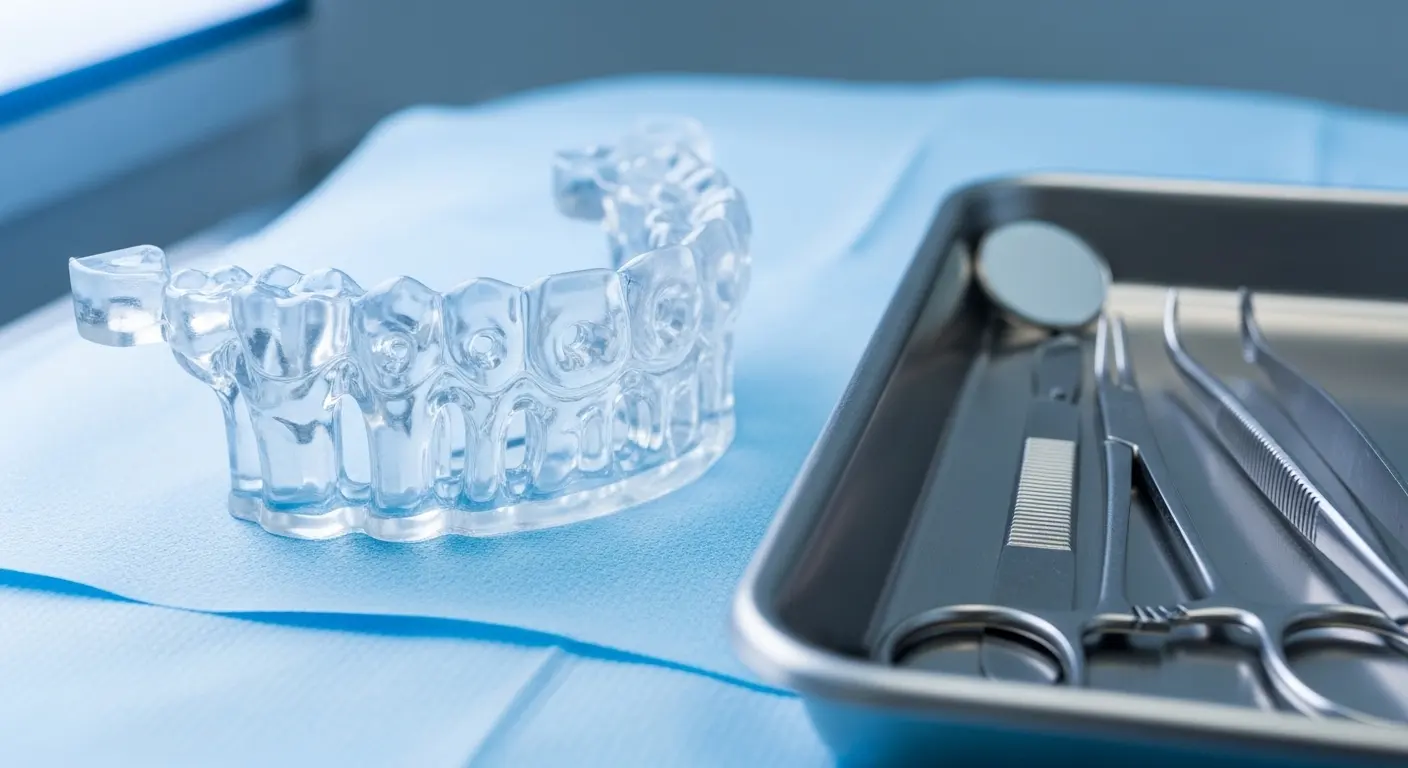
The best materials for medical 3D printing include biocompatible polymers like PEEK, Nylon (PA12), and medical-grade Silicones, as well as metals like Titanium (Ti6Al4V) and Stainless Steel (316L). These materials must withstand sterilization processes like autoclaving or ethylene oxide (EtO) while maintaining their mechanical integrity and ensuring they do not cause adverse biological reactions.
Choosing a material for a medical device prototype 3D printing project requires more than just looking at a spec sheet. You have to consider the contact duration. Is it a surgical guide that touches skin for an hour, or an implantable lattice?
Is PEEK the Gold Standard for Medical Implants?
PEEK (Polyetheretherketone) is often considered the gold standard for high-performance medical prototypes. It mimics the modulus of human bone and is highly resistant to chemicals and heat. When comparing molding vs. 3D printing for PEEK parts, 3D printing wins for low-volume, patient-specific implants where the cost of a custom mold would be astronomical.
When Should You Use Medical-Grade Titanium?
Titanium is the go-to for structural medical prototypes, particularly in orthopedics. Its high strength-to-weight ratio and excellent osseointegration properties make it ideal for testing bone screws or spinal cages. Working with Top 10 Rapid Prototyping Manufacturers gives you access to DMLS (Direct Metal Laser Sintering) tech, which can print porous structures that promote natural bone growth—something traditional machining cannot achieve.
How Do You Validate a 3D Printed Medical Prototype?
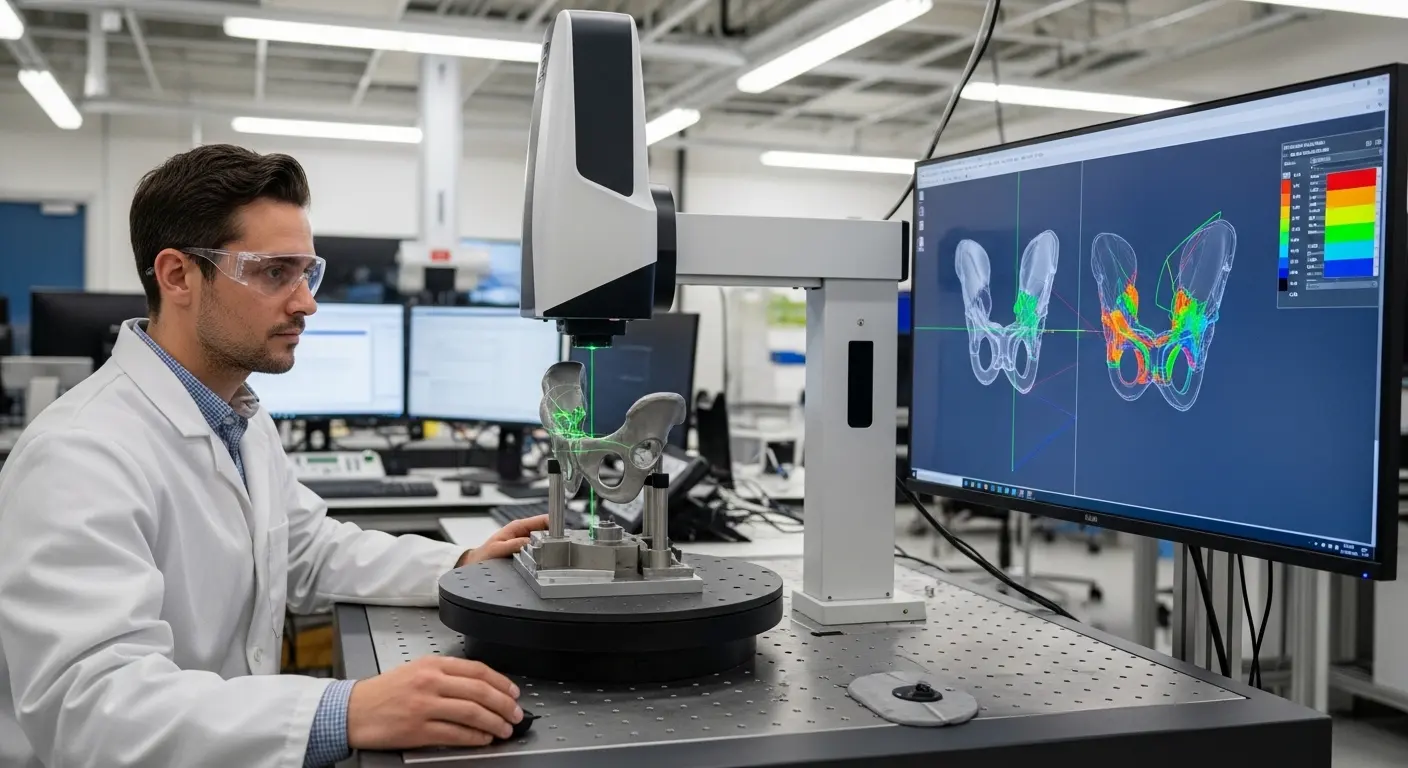
Validating a 3D printed medical prototype involves a three-tier approach: Installation Qualification (IQ), Operational Qualification (OQ), and Performance Qualification (PQ). This ensures the printer is set up correctly, operates within specific parameters, and consistently produces parts that meet the required clinical specifications under normal working conditions.
Validation is the wall that separates "hobbyist" printing from "medical-grade" manufacturing. I once consulted for a firm that failed an audit because they didn't track the "recycle ratio" of their Nylon powder. In medical printing, you must document how many times a powder has been reused, as degraded material can lead to brittle parts.
What is the Importance of Dimensional Accuracy?
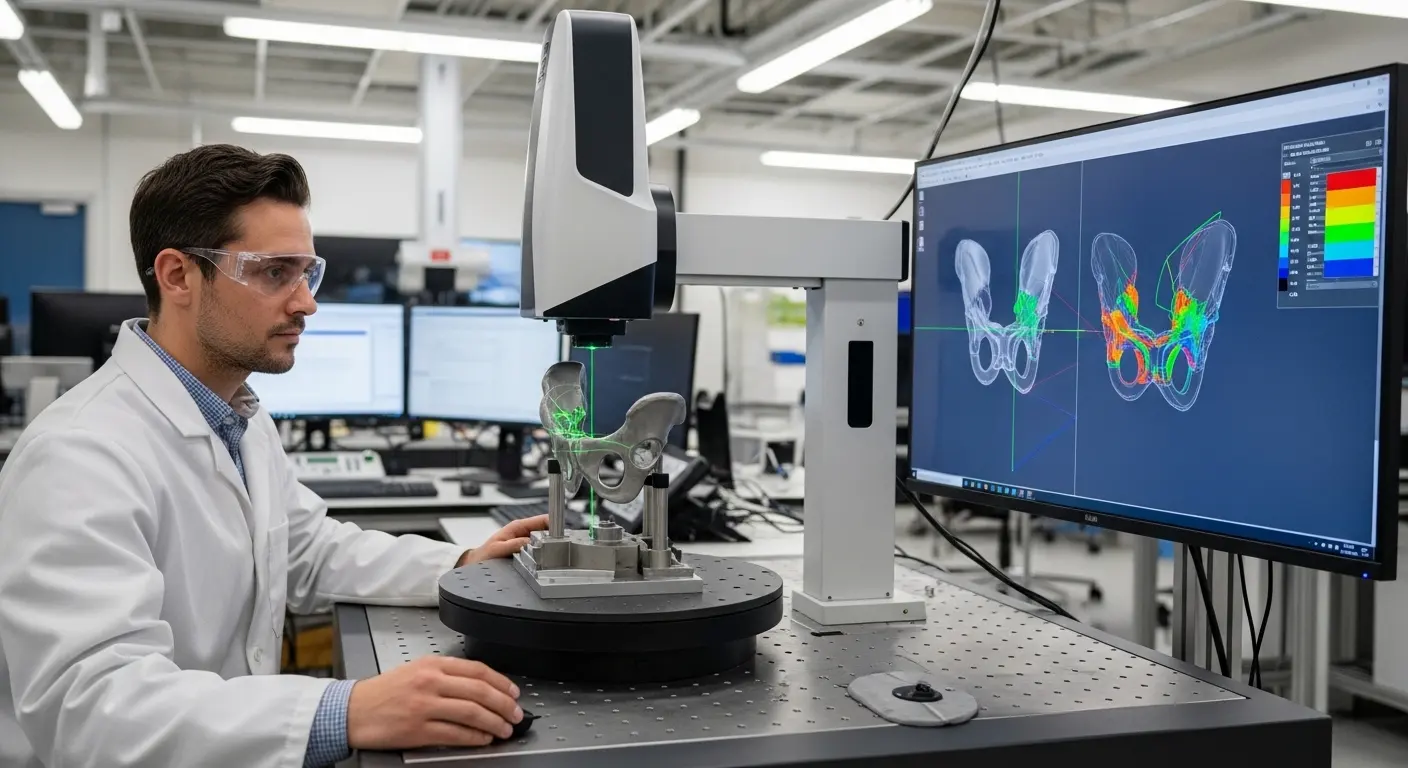
In surgery, a millimeter is a mile. We use high-precision CT scanning to compare the 3D printed prototype against the original CAD file. This "deviation mapping" proves to the FDA that your process is capable of the tight tolerances required for surgical navigation or dental alignments.
How is Biocompatibility Testing Conducted?
Biocompatibility testing follows the ISO 10993 standard. Even if the raw material is "medical grade," the 3D printing process can introduce contaminants. Testing includes cytotoxicity, sensitization, and irritation assessments.
Tip: Always perform a final "leachable and extractable" test on your prototypes. Sometimes the chemicals used in the post-processing or cleaning of 3D prints can remain in the pores of the material, posing a risk to the patient.
Which 3D Printing Technologies are FDA-Compliant?
FDA-compliant 3D printing technologies include Stereolithography (SLA) for high-detail visuals, Selective Laser Sintering (SLS) for functional nylon parts, and Fused Deposition Modeling (FDM) for large-scale housings. While the FDA does not "approve" a printer itself, these technologies are widely accepted when used within a validated quality management system.
- SLA: Excellent for anatomical models and transparent surgical guides.
- SLS: The best choice for durable, complex instruments and wear-resistant parts.
- DMLS: Necessary for high-strength metal implants and structural components.
- Carbon DLS: Ideal for high-speed production of lattice-based medical devices like prosthetic liners.
Many firms transition from these technologies to low-volume injection molding once the design is frozen, especially when scaling beyond 500 units to ensure long-term cost efficiency.
How Does 3D Printing Reduce Medical Device Lead Times?
3D printing reduces medical device lead times by eliminating the need for hard tooling and allowing for "fail fast" design cycles. Instead of waiting months for a steel mold, engineers can print a functional prototype in 24 hours. This agility allows for immediate clinical feedback, which can shave years off the total time-to-market for a new device.
I remember a project where a surgeon needed a custom handle for a robotic surgical arm. By using Top 20 Rapid Prototyping Manufacturers, the team received three different iterations in four days. They picked the best one, performed a "wet lab" test, and moved to the next phase of development before the month was out.
What are the Challenges of 3D Printing for Medical Use?
The challenges of 3D printing for medical use include surface porosity, the difficulty of cleaning complex internal channels, and the risk of material degradation during sterilization. Additionally, the lack of standardized testing protocols for every additive material means that manufacturers often have to develop their own rigorous validation data to satisfy regulators.
Cleaning Complex Internal Geometries
If you print a device with internal cooling or fluid channels, removing trapped powder or resin is a major hurdle. Any leftover particles could enter a patient's bloodstream. We often use ultrasonic cleaning and high-pressure air cycles, followed by borescope inspections, to ensure the internal "plumbing" of the device is 100% clear.
Managing Post-Processing Consistency
Post-processing—such as UV curing for SLA or bead blasting for SLS—is just as important as the print itself. If the curing time varies by even five minutes, the mechanical properties of the device can change. Standard Operating Procedures (SOPs) must be strictly followed to ensure every prototype is a "twin" of the last.
Future Trends in FDA-Regulated 3D Printing
The future of medical 3D printing lies in "Point-of-Care" (POC) manufacturing. This involves hospitals having validated printers on-site to create patient-specific guides and models in real-time. The FDA is currently working on frameworks to allow this while maintaining the same safety standards as centralized factories.
We are also seeing the rise of "Bio-printing," where living cells are used as "ink" to create tissue scaffolds. While still in the early stages, this will eventually move from the lab to clinical prototypes, requiring entirely new regulatory pathways for "living" medical devices.
Designing for Medical Additive Manufacturing (DfM)
To maximize the benefits of medical device prototype 3D printing, engineers should focus on features that traditional manufacturing cannot replicate.
- Organic Shapes: Design instruments that fit the natural contours of the human hand or bone.
- Internal Lattices: Create implants that allow for bone "ingrowth," improving the longevity of the device.
- Integrated Electronics: Some advanced prototypes now feature 3D printed sensors embedded directly into the plastic to monitor patient vitals.
Final Thought
Mastering medical device prototype 3D printing is about more than just owning a high-end machine; it is about mastering the intersection of engineering and regulation. By understanding FDA requirements, selecting the correct biocompatible materials, and implementing a rigorous validation framework, developers can turn a digital concept into a life-saving reality. As the medical industry shifts toward personalized care, the agility of 3D printing remains the most powerful tool for improving patient outcomes and streamlining the path to market.
