


Medical Silicone Rubber Components FDA Compliant: A Complete Guide to Material Standards
FDA-compliant medical silicone rubber components are high-purity parts manufactured from medical-grade elastomers that meet strict safety standards set by the U.S. Food and Drug Administration. These components are essential for healthcare applications because they are biocompatible, hypoallergenic, and resistant to extreme sterilization temperatures. Primarily made from Liquid Silicone Rubber (LSR) or High Consistency Rubber (HCR), these parts ensure that no toxic substances leach into the human body or medical fluids. Choosing FDA-compliant materials is not just a regulatory requirement; it is a critical safety measure for ensuring the long-term reliability of surgical tools, implants, and diagnostic equipment.
Medical silicone rubber is a unique material that maintains its physical properties across a vast temperature range, making it indispensable for modern medical technology.
Why Is FDA Compliance Critical for Medical Silicone?
When manufacturing parts for the healthcare industry, the material must pass rigorous testing to ensure it doesn't cause adverse reactions in patients. FDA-compliant silicone is specifically formulated to be chemically inert. This means it will not react with biological tissues or the harsh chemicals used in cleaning and disinfection.
For manufacturers, using compliant materials simplifies the path to market for new medical devices. It ensures that the custom silicone rubber parts manufacturing process follows Good Manufacturing Practices (GMP) and meets the ISO 13485 quality standards required for medical devices.
Key Benefits of Medical-Grade Silicone
- Biocompatibility: Safe for skin contact and internal use.
- Thermal Stability: Can withstand repeated autoclaving and gamma radiation.
- Chemical Resistance: Impervious to most common medical solvents.
- Durability: Maintains flexibility and sealing properties over time.
What are the different grades of medical silicone?
Medical silicone is generally categorized into three levels: non-skin contact, skin contact, and implantable. FDA-compliant silicone typically falls under "Food Grade" (FDA 21 CFR 177.2600) or "Medical Grade," with the latter requiring more intensive biocompatibility testing like USP Class VI.
While some applications only require a basic seal, others demand precision silicone parts for tight tolerance applications to ensure fluid paths in pumps or ventilators remain leak-proof and sterile.
What makes silicone "FDA Compliant"?
To be considered FDA compliant, the silicone must be manufactured using ingredients listed in the FDA’s "white list" of safe substances. It must also undergo extraction testing to ensure that any substances migrating from the silicone are within safe, specified limits.
Compliance is verified through laboratory testing where the material is exposed to different solvents. If the "extractables" are below the threshold, the material is deemed safe for repeated use with food or medical fluids.
Is medical grade silicone the same as food grade?
While both are FDA compliant, medical-grade silicone undergoes stricter testing, such as USP Class VI, to ensure it is safe for biological contact. Food-grade silicone is tested primarily for its reaction to edible fats and liquids, whereas medical-grade focuses on cellular toxicity.
For healthcare environments, medical-grade is the gold standard. It is often processed in cleanroom environments to prevent contamination by dust or oils that could occur in standard industrial manufacturing.
Common Applications for Medical Silicone Components
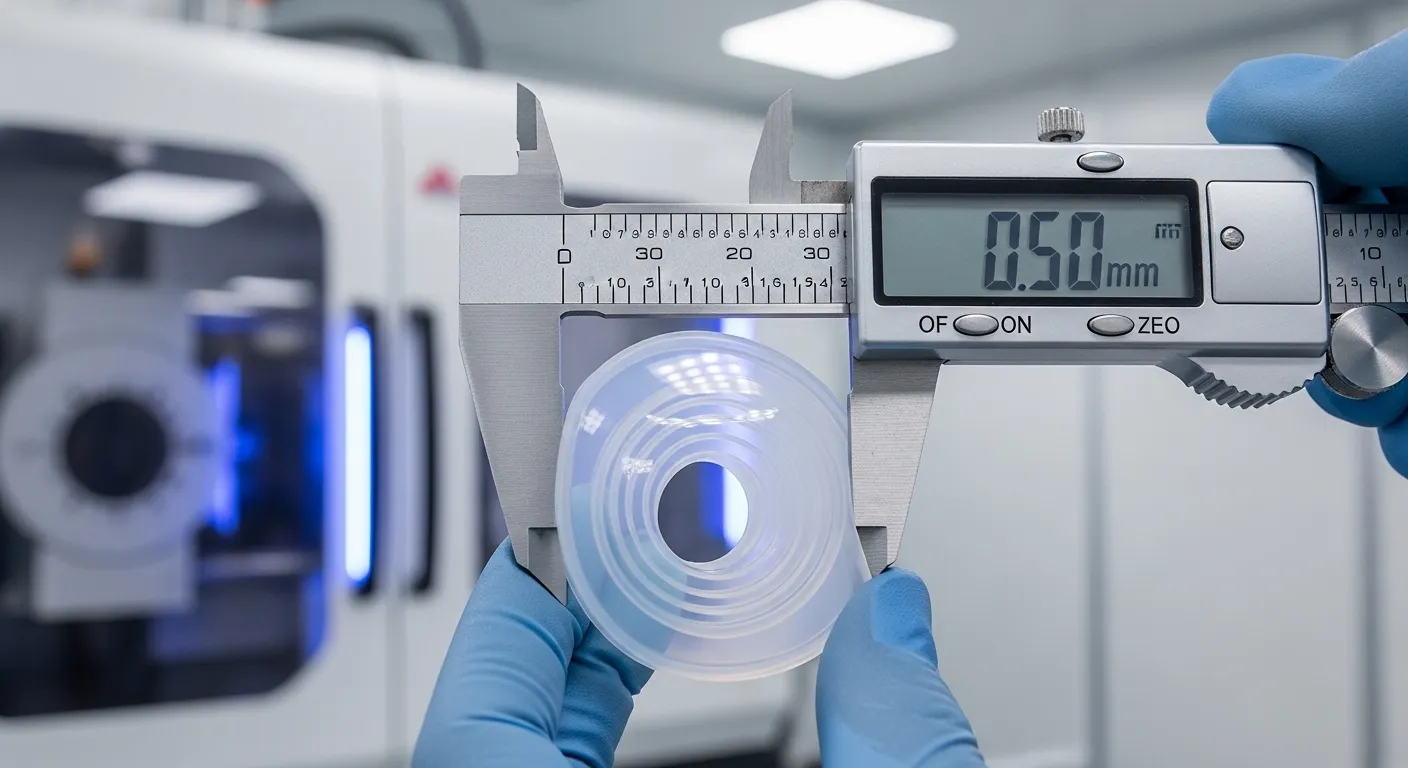
Medical silicone is incredibly versatile. Because it can be molded into complex shapes with high precision, it is used in almost every sector of modern medicine.
| Component Type | Common Function | Key Requirement |
| O-Rings & Seals | Prevent leakage in IV pumps | Chemical resistance |
| Valves & Diaphragms | Control fluid flow in ventilators | Fatigue resistance |
| Tubing | Transporting blood or medicine | High purity/Translucency |
| Handle Grips | Ergonomics for surgical tools | Autoclave compatibility |
Beyond medical uses, similar high-performance silicones are used in other demanding fields, such as electronics silicone parts for insulation and protection and automotive silicone rubber parts and sealing components.
Tip: Always verify if your application requires Liquid Silicone Rubber (LSR) or Compression Molding, as the choice affects both part precision and total production cost.
How do you sterilize medical silicone rubber?
Medical silicone can be sterilized using several common methods including steam autoclaving, ethylene oxide (EtO) gas, and gamma radiation. Its high thermal stability allows it to withstand temperatures above 200°C without losing its physical properties.
This resilience makes silicone superior to many thermoplastic elastomers (TPEs), which may melt or deform under the intense heat of a medical autoclave.
Frequently Asked Questions
What is USP Class VI testing?
USP Class VI is one of the most stringent testing protocols for medical plastics and silicones. It involves injecting the material into living tissue to ensure there is no toxic or inflammatory response.
Can medical silicone be colored?
Yes, medical-grade pigments can be added during the molding process. This is often used for color-coding surgical instruments or branding medical devices.
How long do medical silicone seals last?
When properly manufactured, silicone seals have an excellent shelf life (often exceeding 20 years) and can survive thousands of sterilization cycles depending on the grade used.
Key Takeaways
- Safety First: FDA compliance ensures materials are non-toxic and biocompatible for patient safety.
- High Performance: Medical silicone handles extreme temperatures and chemicals better than most plastics.
- Precision Matters: Tight tolerances are essential for functional medical components like valves and pumps.
- Regulatory Ease: Using certified materials speeds up the FDA approval process for new medical devices.
Conclusion
Choosing the right medical silicone rubber components (FDA compliant) is the foundation of any successful medical device project. By selecting materials that meet USP Class VI and FDA 21 CFR 177.2600 standards, you ensure patient safety and long-term product reliability.
Whether you need intricate diaphragms or robust seals, working with an experienced manufacturer who understands cleanroom protocols and precision molding is vital. Ensure your supplier provides full material traceability and certifications to stay compliant with global healthcare regulations.
