


Comprehensive Guide to Metal Fabrication Methods for Modern Manufacturing
Metal fabrication is a cornerstone of modern manufacturing, encompassing a wide range of processes used to create functional metal components for industrial, commercial, and consumer products. From automotive chassis and aerospace structures to household appliances, metal fabrication enables precise, durable, and cost-effective solutions.
Understanding the different metal fabrication techniques and their respective advantages helps engineers and manufacturers optimize production, improve efficiency, and select the most suitable methods for specific projects.
This guide explores the most common metal fabrication processes, the materials best suited for each, practical applications, and considerations for choosing the right method for your manufacturing needs.
What Is Metal Fabrication?
Metal fabrication involves transforming raw metal materials—such as steel, aluminum, copper, or titanium—into finished products using various mechanical, thermal, and chemical processes. It combines traditional craftsmanship with modern automated techniques to produce parts with high accuracy, strength, and consistency.
The process generally includes steps such as cutting, bending, joining, finishing, and assembly, with methods tailored to the type of metal, product design, and production volume.
Cutting Techniques in Metal Fabrication
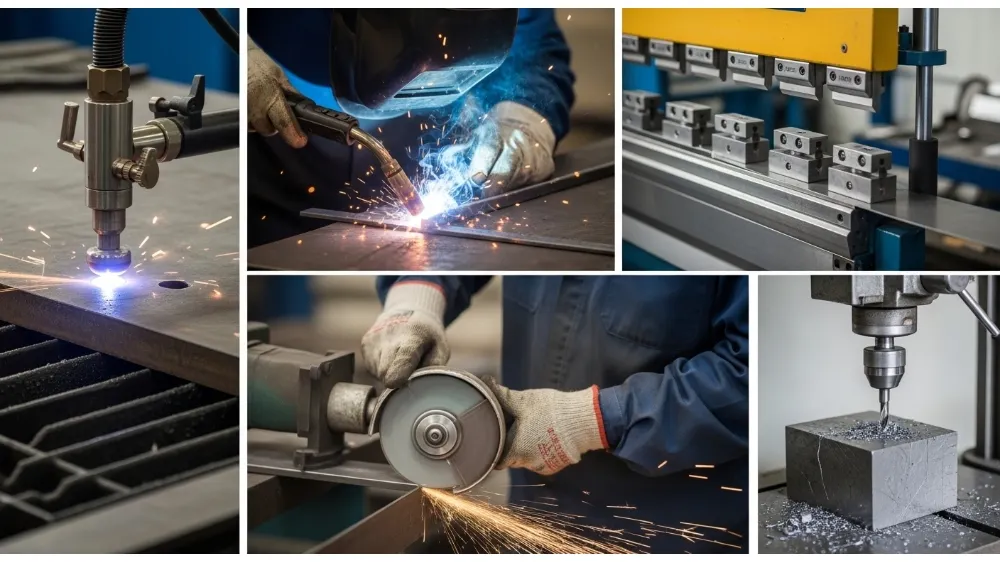
Cutting is often the first step in metal fabrication and is essential for shaping raw metal sheets, bars, or tubes. Several cutting methods are widely used:
Shearing
Shearing uses straight blades to slice metal sheets into desired shapes. It is fast, efficient, and suitable for high-volume production. However, it is primarily used for flat metal and does not create intricate patterns.
Laser Cutting
Laser cutting employs a focused beam of light to cut metal with high precision. It can handle complex geometries and delicate patterns, producing clean edges with minimal heat-affected zones. Ideal for aluminum, stainless steel, and thin sheet metals.
Plasma Cutting
Plasma cutting uses electrically ionized gas to melt and expel metal from the cut area. It is effective for thicker metals and provides faster cutting rates than traditional mechanical methods.
Water Jet Cutting
Water jet cutting uses a high-pressure jet of water mixed with abrasive particles. It can cut almost any metal without generating heat, making it suitable for materials sensitive to high temperatures.
Forming and Shaping Metal
Metal forming modifies the shape of a workpiece without removing material. Common forming techniques include:
Bending
Bending involves deforming metal along a straight axis using press brakes, rollers, or hammers. It is widely used in sheet metal fabrication for panels, brackets, and structural components.
Rolling
Rolling passes metal through a series of rollers to reduce thickness or produce curves. It is suitable for long sheets, plates, and cylindrical forms like pipes or tubes.
Stamping
Stamping uses a die to shape or cut metal. High-speed stamping presses enable mass production of parts like automotive components, electrical enclosures, and decorative panels.
Deep Drawing
Deep drawing produces complex hollow shapes, such as cans, pots, or metal housings, by stretching sheet metal over a die. It is often used in consumer products and industrial containers.
Joining Techniques
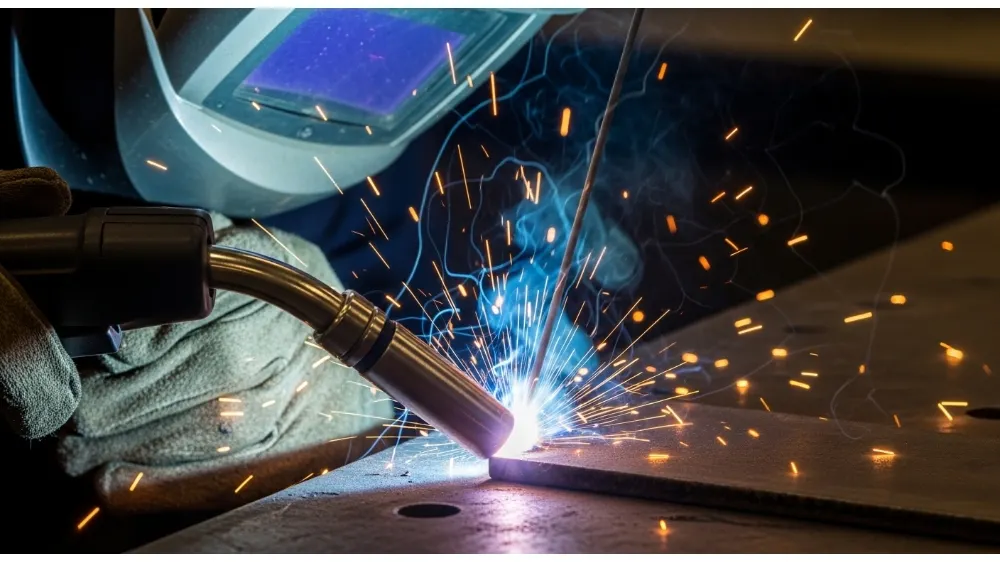
Joining metal components is crucial for assembly and structural integrity. Popular methods include:
Welding
Welding fuses metal parts using heat or pressure. Common types include MIG, TIG, and spot welding. Welding is ideal for high-strength, permanent joints in structural and industrial applications.
Brazing and Soldering
Brazing and soldering use a filler material melted between the base metals without melting the workpieces. These methods are suitable for thin metals, electronics, and components requiring precise, low-heat joins.
Mechanical Fastening
Mechanical fasteners, such as rivets, bolts, and screws, are commonly used when disassembly or modular assembly is needed. They are versatile but may require additional support to maintain strength.
Adhesive Bonding
Industrial adhesives provide strong joints without heat. This method is useful for lightweight metals, composites, or applications where surface integrity must be maintained.
Surface Finishing in Metal Fabrication
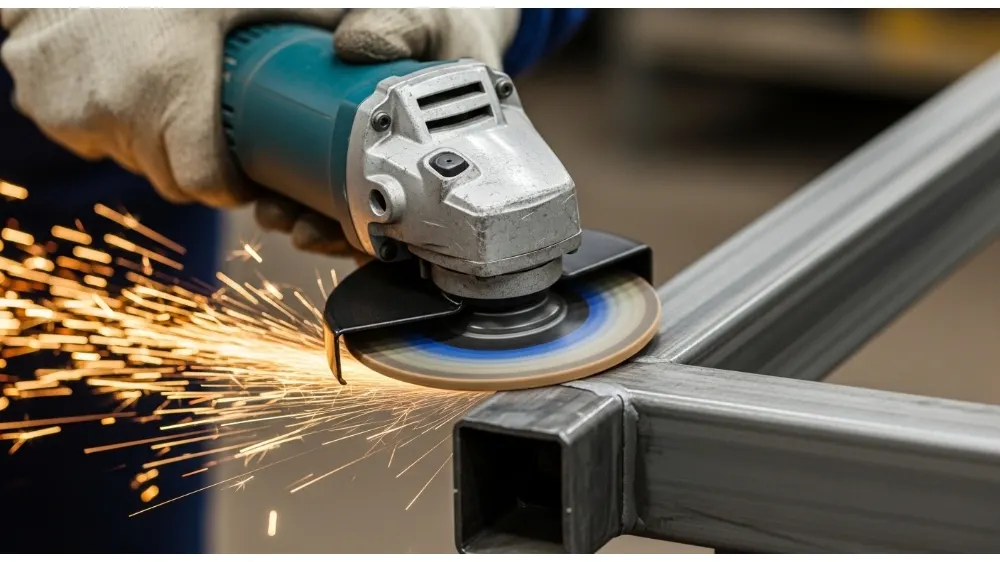
Finishing enhances appearance, corrosion resistance, and durability. Common methods include:
- Powder Coating: Applies a durable, colorful coating to prevent corrosion.
- Electroplating: Deposits a thin metallic layer like chrome or nickel for wear and corrosion resistance.
- Polishing and Buffing: Produces smooth, reflective surfaces for aesthetic or functional purposes.
- Anodizing: Creates a protective oxide layer on aluminum parts, enhancing durability and color options.
Material Considerations
Different metals respond differently to fabrication techniques:
- Steel: Strong, versatile, and widely used for structural components. Suitable for cutting, welding, bending, and rolling.
- Aluminum: Lightweight and corrosion-resistant; ideal for aerospace, automotive, and consumer products.
- Copper and Brass: Excellent thermal and electrical conductivity; commonly used in electronics, piping, and decorative applications.
- Titanium: High strength-to-weight ratio and corrosion resistance; used in aerospace, medical devices, and high-performance applications.
Selecting the right metal depends on strength requirements, environmental conditions, weight constraints, and cost considerations.
Advantages and Challenges of Metal Fabrication Techniques
Every fabrication method offers advantages and limitations:
- Laser cutting: High precision but higher equipment cost.
- Plasma cutting: Faster for thick metals, but edges may require finishing.
- Welding: Strong joints, but heat can cause distortion.
- Bending and rolling: Efficient for shaping, but spring-back must be accounted for.
- Stamping: Excellent for high-volume production, but tooling setup is costly.
Balancing these factors ensures efficiency, cost-effectiveness, and quality in production.
Tips for Choosing the Right Fabrication Method
- Consider part geometry: Complex shapes may require laser or water jet cutting.
- Material thickness: Thicker metals favor plasma cutting, rolling, or stamping.
- Production volume: High volumes benefit from automated stamping or rolling.
- Precision requirements: Tight tolerances often need laser cutting and CNC-controlled forming.
- Budget and time constraints: Choose methods that balance speed, equipment cost, and labor requirements.
Frequently Asked Questions (FAQ)
Q1: What is metal fabrication?
Metal fabrication is the process of converting raw metal into finished components using cutting, forming, joining, and finishing techniques.
Q2: What are the most common metal fabrication techniques?
Cutting, bending, rolling, stamping, deep drawing, welding, brazing, adhesive bonding, and mechanical fastening.
Q3: How do I choose the best metal fabrication method?
Consider the metal type, part complexity, production volume, precision needs, and budget constraints.
Q4: Can metal fabrication processes be combined?
Yes, complex parts often require multiple processes, such as cutting followed by bending and welding.
Q5: Which metals are easiest to fabricate?
Aluminum and mild steel are generally more forgiving, while titanium and high-strength alloys may require specialized equipment.
Q6: How does finishing improve fabricated metal parts?
Finishing processes enhance aesthetics, prevent corrosion, improve wear resistance, and sometimes modify surface properties for functionality.
Conclusion
Mastering metal fabrication techniques is crucial for modern manufacturing, allowing engineers and manufacturers to produce high-quality, durable, and cost-effective metal components. Understanding how to select and optimize fabrication methods—whether cutting, forming, joining, or finishing—ensures better efficiency, precise tolerances, and optimal material performance. By applying the appropriate methods and considering material properties, production volume, and design requirements, manufacturers can deliver reliable components across industries including automotive, aerospace, electronics, and consumer products.
