


Precision Component Assembly: Quality Control Best Practices
Mastering precision component assembly is the critical bridge between a great design and a high-performing product. When dealing with micron-level tolerances, even a speck of dust or a minor temperature fluctuation can lead to catastrophic failure. High-quality assembly requires a blend of advanced technology, rigorous testing protocols, and a culture of "zero-defect" manufacturing. This guide outlines the essential quality control practices that ensure every unit meeting your specifications is reliable, durable, and ready for market.
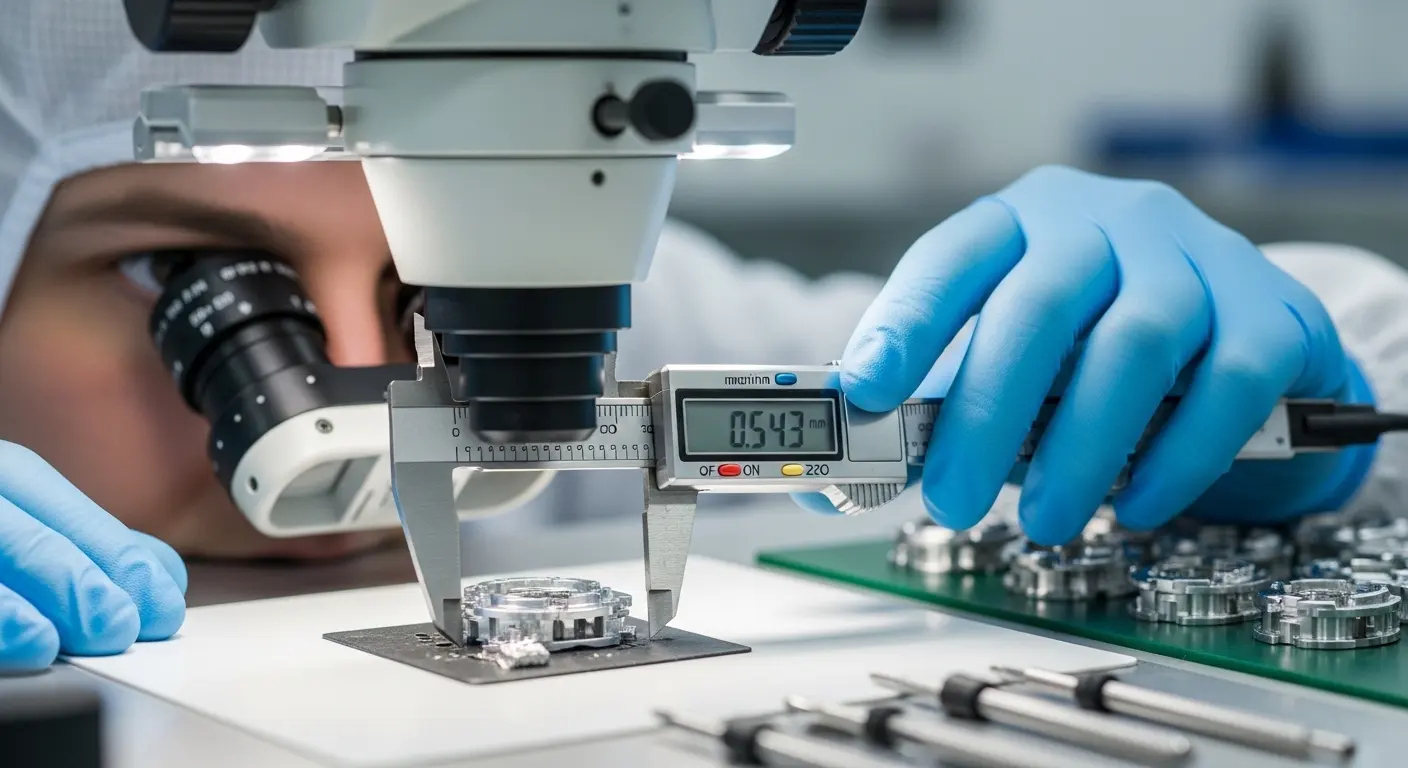
What is precision component assembly in modern manufacturing?
Precision component assembly refers to the highly controlled process of joining intricate parts with extremely tight tolerances to create a functional system. This process often involves microscopic inspections, specialized fastening techniques, and automated alignment systems. It is the backbone of industries where failure is not an option, such as medical devices, aerospace, and high-end consumer electronics.
In my years overseeing assembly floors, I have seen projects where a 0.01mm deviation caused a $100,000 recall. Precision isn't just about the machines; it is about the environment. If your assembly room isn't temperature-controlled, your metal parts expand and contract, making "precision" an impossible target. A true mechanical assembly partner understands that the process starts with environmental stability and ends with validated performance.
How do you maintain quality control in complex assemblies?
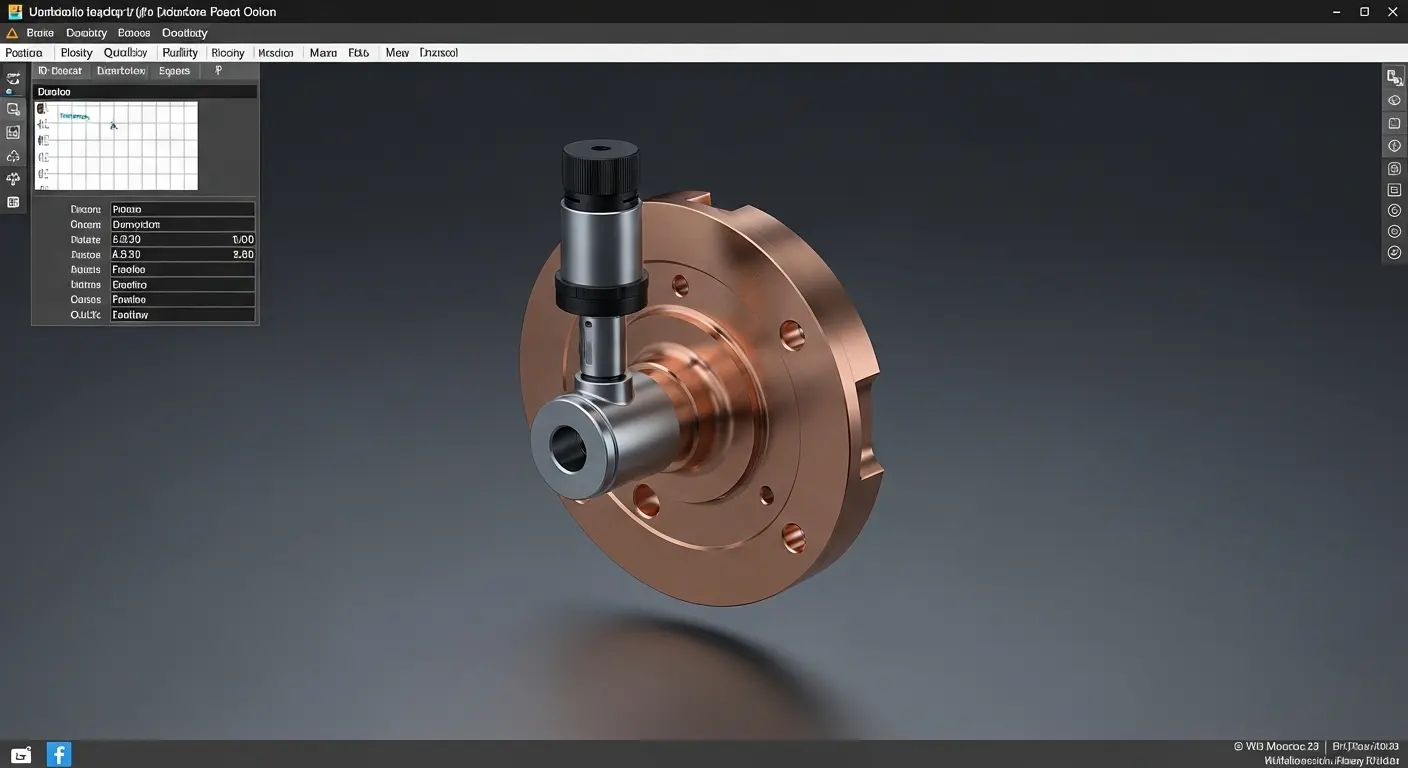
Maintaining quality control requires a multi-layered approach including First Article Inspection (FAI), in-process monitoring, and 100% final functional testing. By utilizing Automated Optical Inspection (AOI) and coordinate measuring machines (CMM), manufacturers can verify dimensions in real-time. This prevents small errors at the beginning of the line from becoming expensive defects at the end.
Consistency is the enemy of entropy in manufacturing. To keep quality high, we implement:
- Standard Operating Procedures (SOPs): Visual guides that leave zero room for interpretation.
- Poka-Yoke (Error Proofing): Designing fixtures that only allow parts to be assembled in the correct orientation.
- Real-time Data Logging: Tracking torque values and press forces for every single screw or join.
| QC Method | Purpose | Typical Tool Used |
| Visual Inspection | Surface finish & orientation | High-res cameras / AOI |
| Dimensional Verification | Tolerance adherence | CMM / Laser Scanners |
| Torque Monitoring | Fastener integrity | Smart electric drivers |
| Leak Testing | Hermetic seal verification | Pressure decay sensors |
Why is environmental control vital for precision assembly?
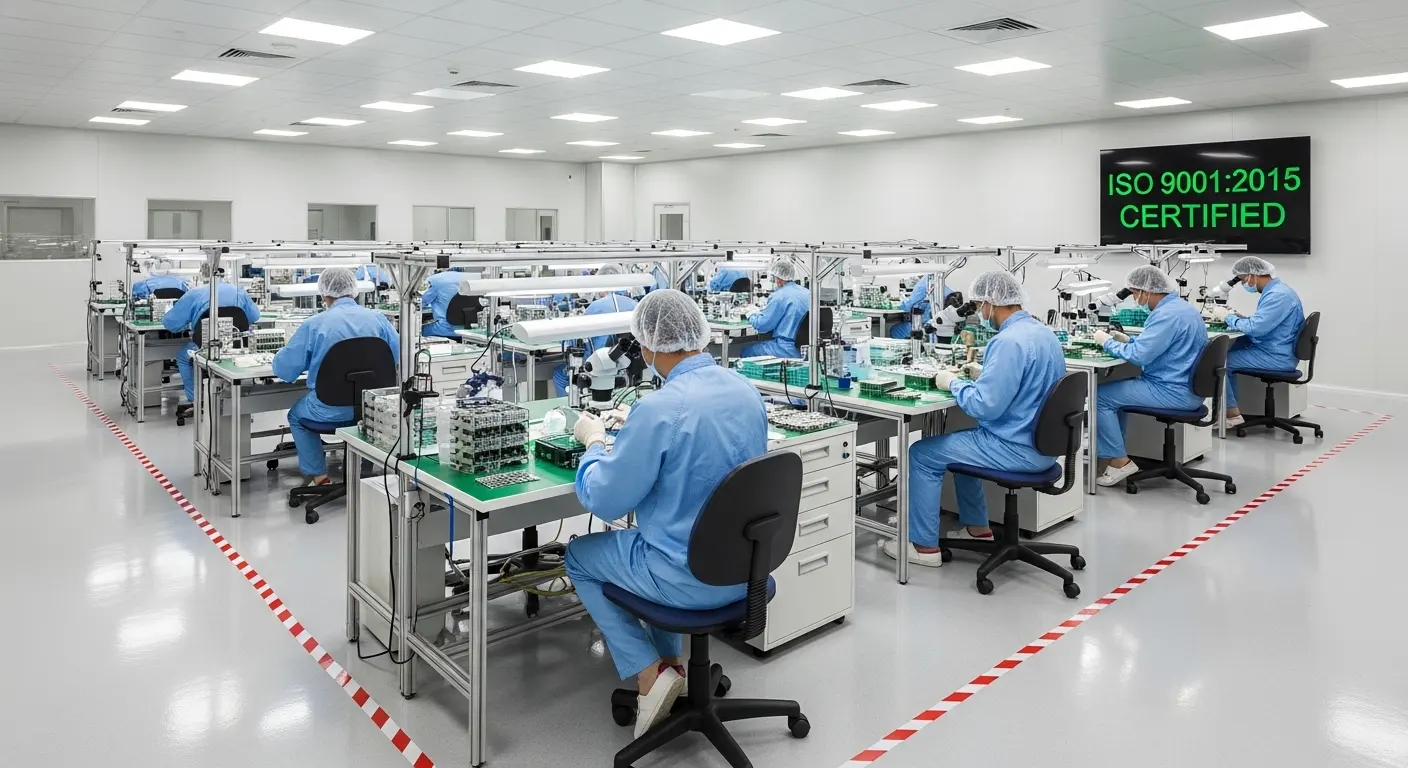
Environmental control is vital because fluctuations in temperature, humidity, and air purity directly impact material behavior and part fitment. In a precision environment, cleanrooms (ISO 7 or ISO 8) are often required to prevent particulates from interfering with sensitive mating surfaces. Stable humidity also prevents ESD (Electrostatic Discharge) which can fry delicate electronic components during integration.
I recall a specific case where a client’s high-precision valves were failing leak tests intermittently. We traced the root cause to an afternoon sunbeam hitting one specific assembly station, causing the aluminum housing to expand just enough to throw off the seal alignment. We tinted the windows and stabilized the HVAC, and the failure rate dropped to zero.
Tip: If your assembly involves2K injection mouldparts, ensure your assembly environment matches the temperature of your QC lab to avoid thermal expansion discrepancies.
What role does material compatibility play in assembly quality?
Material compatibility ensures that joined parts do not react chemically, expand at different rates, or suffer from galvanic corrosion over time. Quality control must verify that adhesives, lubricants, and base materials like TPE or ABS work together harmoniously. Improper material matching often leads to stress cracking or delamination, especially in a custom overmolding service where materials are fused.
When we integrate different materials, we look for:
- Coefficient of Thermal Expansion (CTE): Do these two parts grow and shrink at the same rate when the product gets hot?
- Chemical Resistance: Will the lubricant used in assembly degrade the plastic housing?
- Bond Integrity: For overmolded parts, is the mechanical or chemical bond sufficient for the product's lifespan?
How can automation improve precision component assembly?
Automation improves assembly by providing 100% repeatability, eliminating human fatigue, and integrating sensors that "feel" the assembly process. Robots can apply the exact same force and path billions of times without deviation. Furthermore, "Cobots" (collaborative robots) can work alongside humans to perform the high-precision "heavy lifting" while humans handle the nuanced visual checks.
Automation isn't just about speed; it's about data. A robotic arm can tell you exactly how much resistance it felt when pressing a bearing into a seat. If that resistance is outside the programmed window, the part is automatically flagged. This level of post-processing data is invaluable for continuous improvement.
[Insert Data: Automated assembly systems typically operate at a Six Sigma level, meaning fewer than 3.4 defects per million opportunities].
How do you handle "Small Batch" precision assembly?
For small batches, the best practice is to use "Universal Fixturing" and highly skilled technicians who follow digital work instructions. You cannot always justify a multi-million dollar robot for 500 units. Instead, quality is maintained through rigorous manual "Gate Checks" where a second technician verifies the work of the first before the part moves to the next station.
In low-volume scenarios, we focus on:
- Modular Jigs: Tools that can be quickly reconfigured for different part versions.
- Shadow Boards: Ensuring every tool is in its place so no "foreign objects" end up inside an assembly.
- Detailed Traceability: Manually logging serial numbers to maintain a complete build history.
What are the most common failures in component assembly?
The most common failures include fastener over-torque, contamination of mating surfaces, and improper part orientation. These "simple" mistakes account for the vast majority of assembly-line rejects. By identifying these failure modes early through a Failure Mode and Effects Analysis (FMEA), quality teams can implement preventative measures before production begins.
Common Assembly Pitfalls
- Cross-threading: Usually caused by manual starting of screws.
- Incomplete Seating: When a part looks assembled but isn't fully "clicked" into place.
- ESD Damage: The "silent killer" of electronics that doesn't show up until the product is in the field.
Tip: Use color-coded parts where possible. If a left-hand bracket is blue and a right-hand bracket is red, the assembly error rate naturally plummets.
FAQs About Precision Component Assembly
What is the difference between a tolerance and a fit?
A tolerance is the allowable variation of a single part's dimension. A "fit" describes how two parts relate to each other (e.g., a clearance fit where they slide or an interference fit where they are pressed).
How often should assembly fixtures be calibrated?
Fixtures should be calibrated on a strict schedule—usually every 6 to 12 months—or immediately after any drop or "crash" on the production line.
Can 3D printing be used for precision assembly jigs?
Yes, high-resolution 3D printing is excellent for creating custom assembly nests and jigs quickly. However, they must be checked for wear more frequently than steel or aluminum fixtures.
Why is traceability important in assembly?
If a product fails in the field, traceability allows you to identify exactly which batch of components was used, which technician performed the assembly, and what the environmental conditions were that day.
Final Thoughts: Building a Culture of Precision
Mastering precision component assembly is not a one-time achievement; it is a continuous commitment to excellence. You can have the best machines in the world, but without a rigorous QC framework and a clean, controlled environment, precision will remain elusive. By focusing on data-driven monitoring and error-proofing your designs, you ensure that your manufacturing process is as perfect as your engineering.
Choosing the right partner who treats your tolerances with the same respect you do is the final piece of the puzzle. When quality control is baked into every step—from the first screw to the final test—success isn't just a goal; it's a guarantee.
