


Laser Marking Explained: How It Works, Methods, and Industrial Uses
In today’s manufacturing landscape, having permanent, high‑contrast identifiers on parts and products is essential for traceability, compliance, and branding. Traditional marking methods like inkjet, stamping, or manual engraving often fall short due to wear, inconsistent results, or surface damage. In contrast, precision laser marking uses focused beams of light to create clear, durable markings without contact, making it ideal for modern automated production systems.
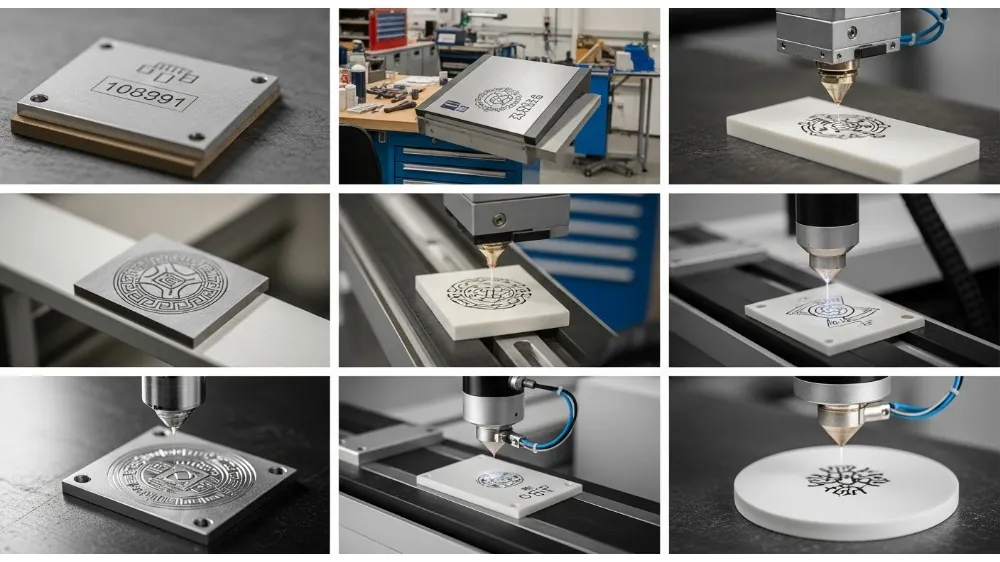
Laser marking systems allow manufacturers to create serial numbers, barcodes, QR codes, logos, and other identifiers on a wide range of materials — from metals and plastics to ceramics, glass, and even wood. These marks are permanent, readable, and conducive to automated inspection and quality control.
This comprehensive guide explores how laser marking works, the main techniques used, key machine types, their advantages, and how this technology is applied across industries.
What Is Precision Laser Marking?
Precision laser marking is a non‑contact process that uses a concentrated laser beam to alter the surface of a material in a controlled way. Unlike old‑school engraving or printing, laser marking does not require consumables like inks or dyes, nor does it physically touch the surface with tools that wear over time.
When a focused beam of laser light hits a surface, energy from the beam interacts with the material. This interaction causes localized changes — melting, vaporization, discoloration, or structural change — depending on the laser power and the material’s properties. The result is a high‑contrast mark that remains permanent and easily readable.
Laser marking systems typically consist of:
- A laser source, which generates the beam
- A beam delivery system (mirrors, galvanometer scanners, or fiber optics)
- A focusing lens
- Control software that defines what gets marked and how
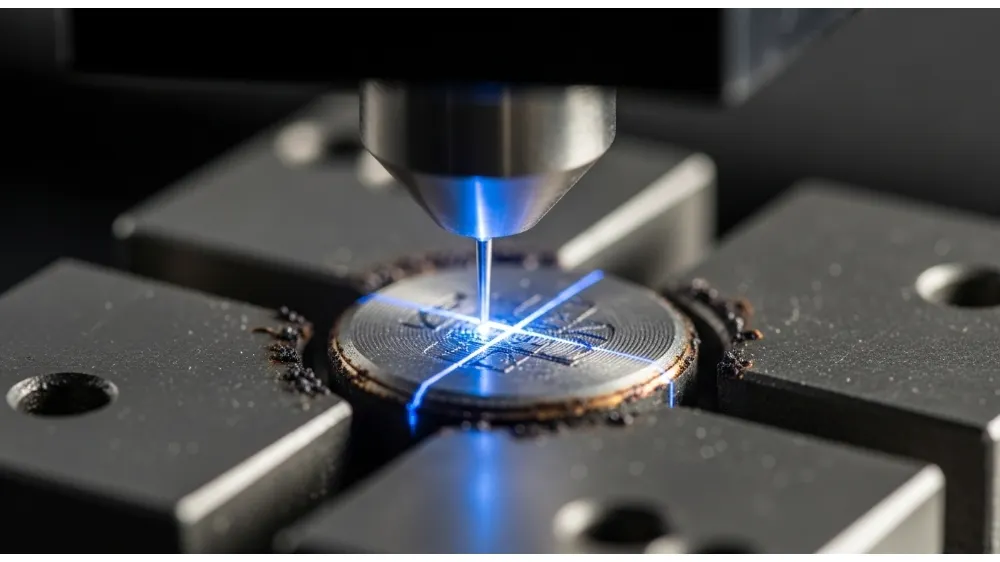
How Laser Marking Works
When activated, the laser marking machine emits a coherent beam of light — a highly focused stream of photons produced by the stimulated emission of radiation. This beam is directed at the workpiece surface, either continuously or in rapid pulses. Mirrors or galvanometer scanners guide the beam over the material in precise patterns.
Once the beam contacts the surface, its energy is absorbed and transformed into heat. This causes one of several effects based on the technique:
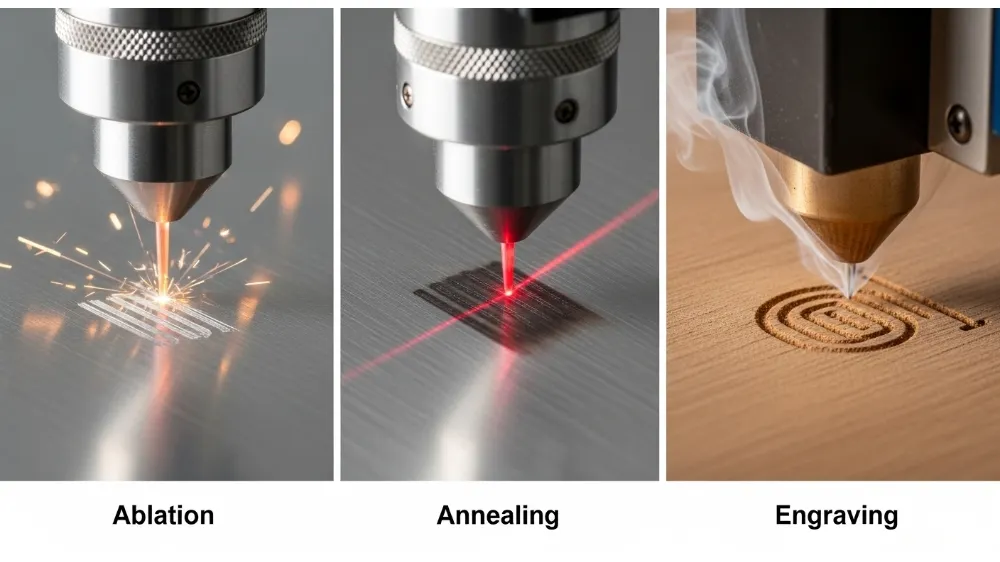
- Material removal, creating a shallow recess
- Thermal discoloration at a molecular level
- Surface melting and expansion
- Chemical changes that alter color or reflectivity
The laser’s wavelength, pulse duration, and power determine which outcome occurs, allowing engineers to select the most suitable method for the material and application.
Primary Laser Marking Techniques
There are several practical techniques under the laser marking umbrella, each suited to specific results and materials:
Laser Engraving
In this method, the laser removes a small amount of material to create a recessed mark. The result is a deep, permanent pattern often used for serial numbers, QR codes, and durable identification tags. Laser engraving is ideal for metals and hard plastics where the mark must resist wear.
Laser Etching
Laser etching melts the surface of the component without removing material. The melted zone expands, forming a slightly raised mark that is still permanent and highly readable. Etching works well on various metals and is a popular choice for fast, high‑contrast marks.
Laser Annealing
Laser annealing uses heat to change the surface color of metals without physically altering the topography. This technique is common for stainless steel and titanium, producing abrasion‑resistant marks that do not penetrate the material.
Carbon Migration
Best for polymers and organic materials, carbon migration breaks molecular bonds and releases gases that darken the surface. The result is a high‑contrast grey or blue‑gray mark on plastics, wood, or paper.
Foaming
This technique uses laser heat to generate gas bubbles within polymer surfaces. When oxidized, these bubbles create raised clusters — ideal for creating light‑colored marks on dark materials or plastics.
Discoloration
Discoloration removes a thin top layer, exposing an underlying surface of a different color. It’s especially useful for coated materials like anodized aluminum or laminated films.
Types of Laser Marking Machines
Choosing the right machine depends on material, marking depth, and production requirements:
CO2 Laser Markers
CO2 lasers operate at infrared wavelengths and are excellent for marking organic materials like wood, paper, leather, and some plastics. Because they produce a broad beam and high average power, they are suitable for larger, non‑metallic components.
Fiber Laser Markers
Fiber lasers use solid‑state technology with wavelengths typically around 1,060 nm, making them ideal for metals and harder materials. They offer small spot sizes, high beam quality, and faster marking speeds, especially for detailed work on small parts.
Green and UV Lasers
Green and ultraviolet lasers have shorter wavelengths, allowing them to be absorbed more easily by reflective or transparent materials. They are great for delicate electronics, glass, and ceramics that might otherwise scatter longer wavelengths.
Nd:YAG Lasers
Nd:YAG systems are compact and effective at marking metals without causing distortion, making them useful for thin metal sheets or plated surfaces.
Benefits of Precision Laser Marking
Laser marking has become a manufacturing standard because it offers significant advantages over older methods:
High Speed and Throughput
Laser systems can quickly produce marks directly from digital designs, saving time in prototyping and mass production compared to manual engraving or ink printing.
Clean, Consumption‑Free Process
Unlike inkjet or chemical etching, laser marking requires no consumables, reducing cost and environmental impact. The non‑contact nature of the process also avoids tool wear and surface contamination.
Wide Material Compatibility
From metals and alloys to plastics, ceramics, and wood, laser marking machines can adapt to a vast range of substrates with appropriate configurations.
Consistent and Repeatable
Laser marking integrates seamlessly into automated production lines, delivering consistent results across large batches — a key requirement for quality control and traceability.
Permanent and Durable Marks
Marks created by lasers resist abrasion, heat, and chemicals, making them ideal for products that undergo harsh conditions or require reliable identification over time.
Low Maintenance
Because there’s no physical contact with the material, there’s minimal wear on machine components beyond normal cleaning and optics care.
Industrial Applications of Laser Marking
Precision laser marking plays a vital role across many sectors:
- Automotive: VIN numbers, part IDs, safety labels
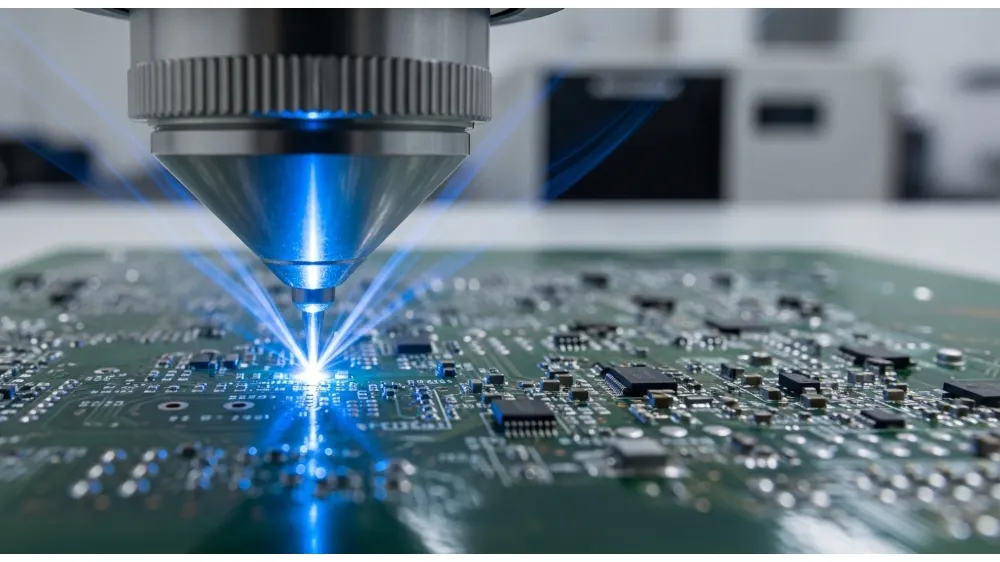
- Electronics: Circuit board codes, PCB identifiers
- Medical Devices: Device serialization and traceability
- Aerospace: Component tracking and safety markings
- Consumer Products: Logos, barcodes, QR codes
- Packaging: Tamper‑proof batch dates and lot codes
These marks support product tracking, quality assurance, anti‑counterfeiting, and regulatory compliance across supply chains.
FAQ – Common Questions About Laser Marking
Q1: What is the purpose of laser marking?
A: Laser marking provides permanent, high‑contrast identification on parts and products for traceability, quality control, and branding.
Q2: Can laser marking be used on all materials?
A: Most materials, including metals, plastics, ceramics, glass, and wood, can be marked using appropriate laser types and settings.
Q3: How does laser marking compare with traditional printing methods?
A: Unlike traditional printing or stamping, laser marking does not require inks or physical contact, resulting in longer‑lasting, cleaner marks with less maintenance.
Q4: Are laser marks permanent?
A: Yes. Because laser marking alters the material surface or structure, the resulting marks are resistant to abrasion, heat, and chemicals.
Q5: Does laser marking damage the part?
A: Properly calibrated laser marking does not harm the structural integrity of the part. It creates marks with minimal material removal or color change.
Q6: What industries benefit most from laser marking?
A: Automotive, electronics, medical, aerospace, and packaging industries rely heavily on laser marking for identification and traceability.
Conclusion
Precision laser marking is a versatile, efficient, and highly reliable method for permanently marking products in modern manufacturing environments. Its non‑contact nature, material flexibility, and high production speeds make it a superior choice over traditional marking methods. Whether you need traceability codes, brand logos, or compliance identifiers, laser technology delivers consistent, durable results that meet the demands of today’s industrial supply chains.
