Electric Vehicle Die Casting
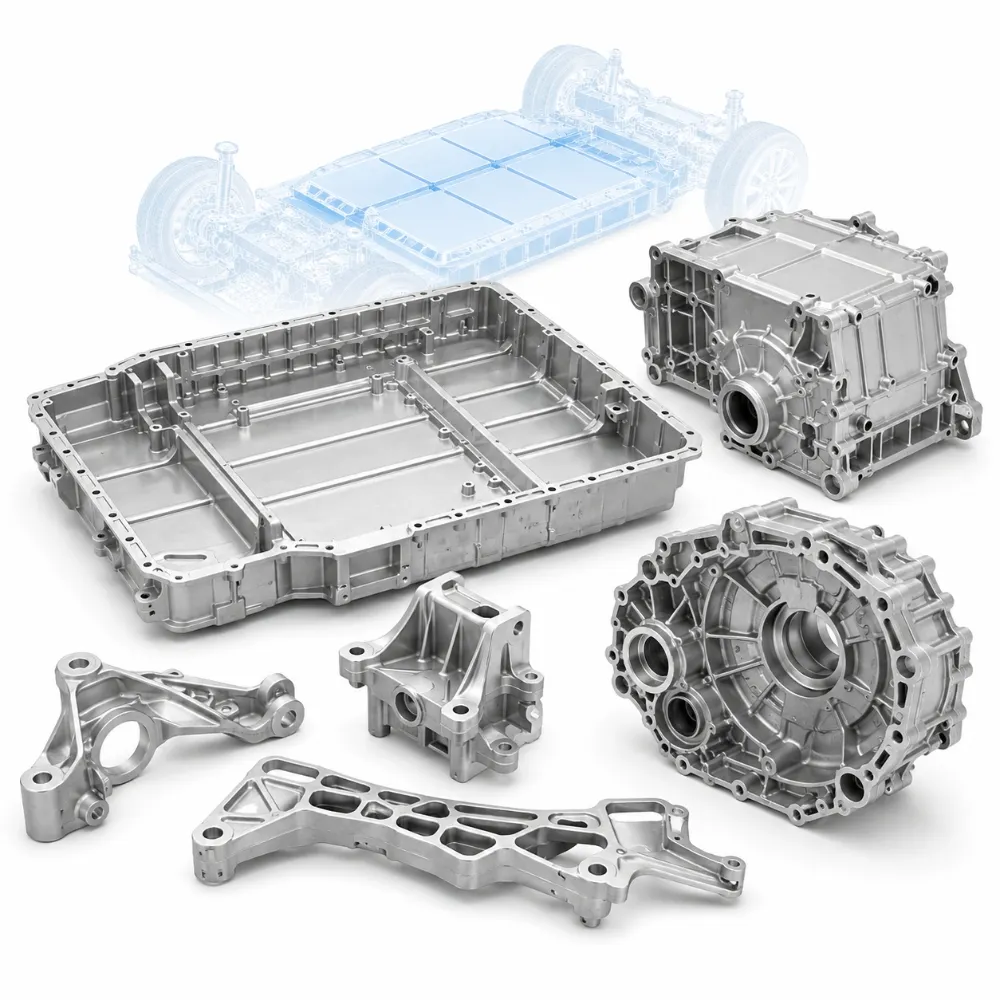
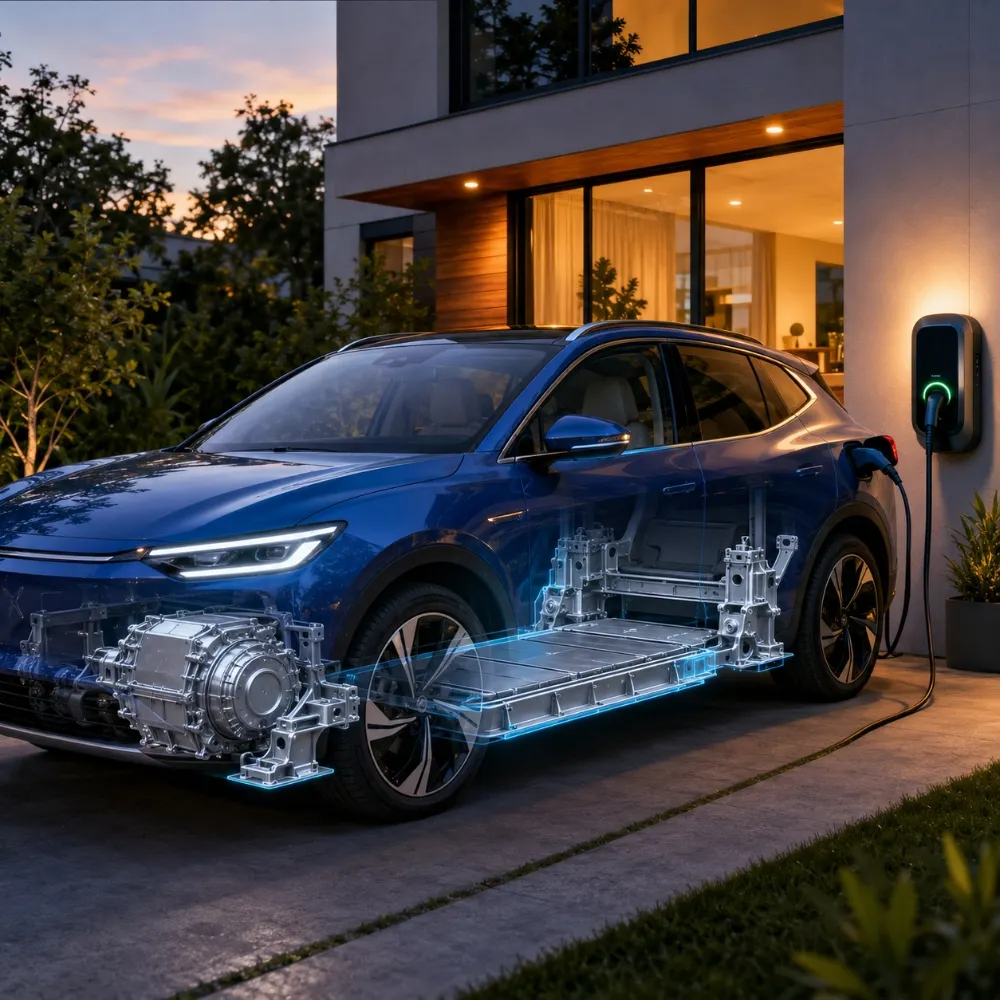
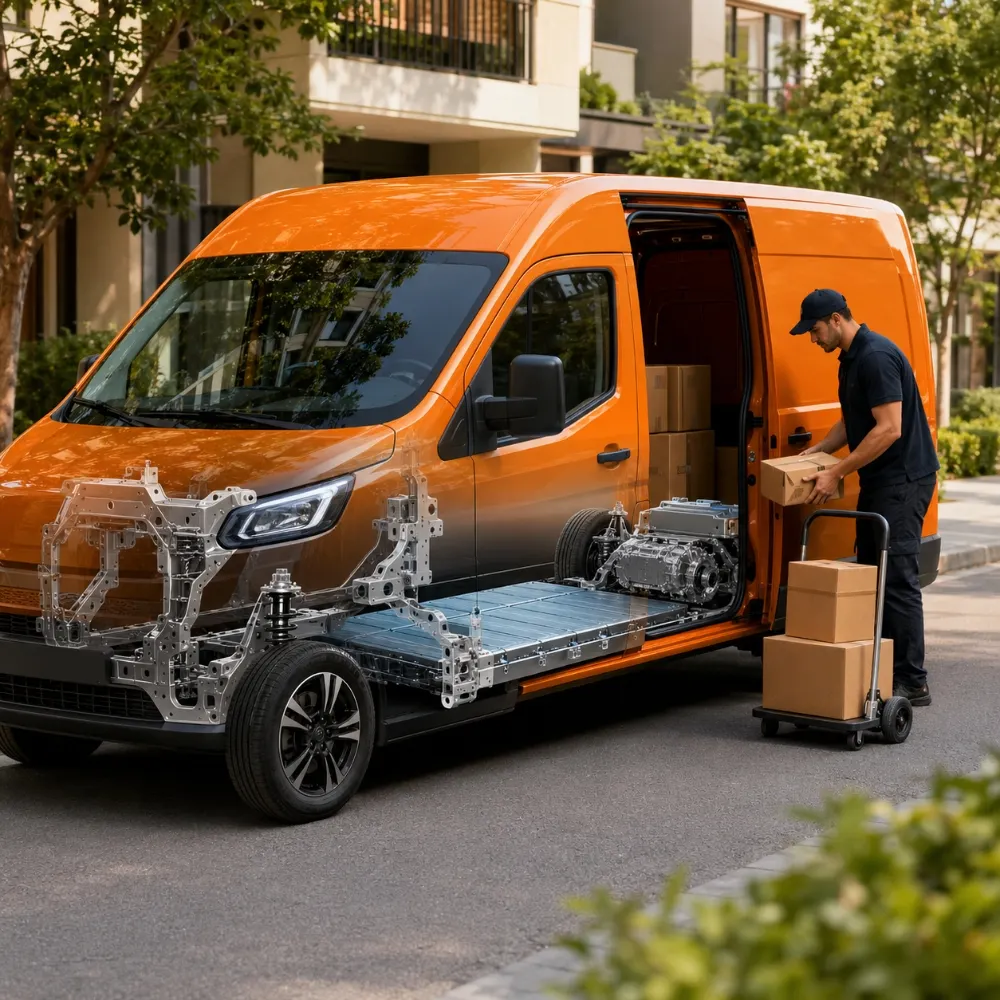
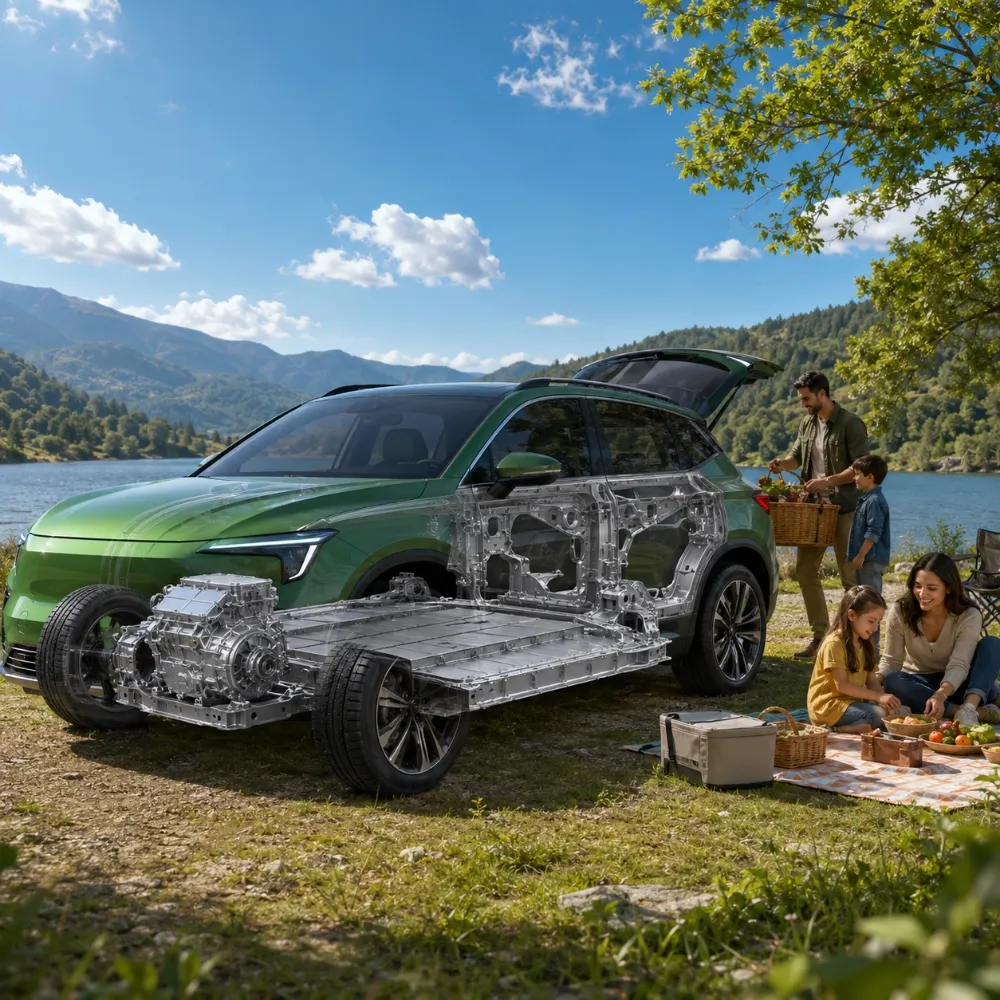
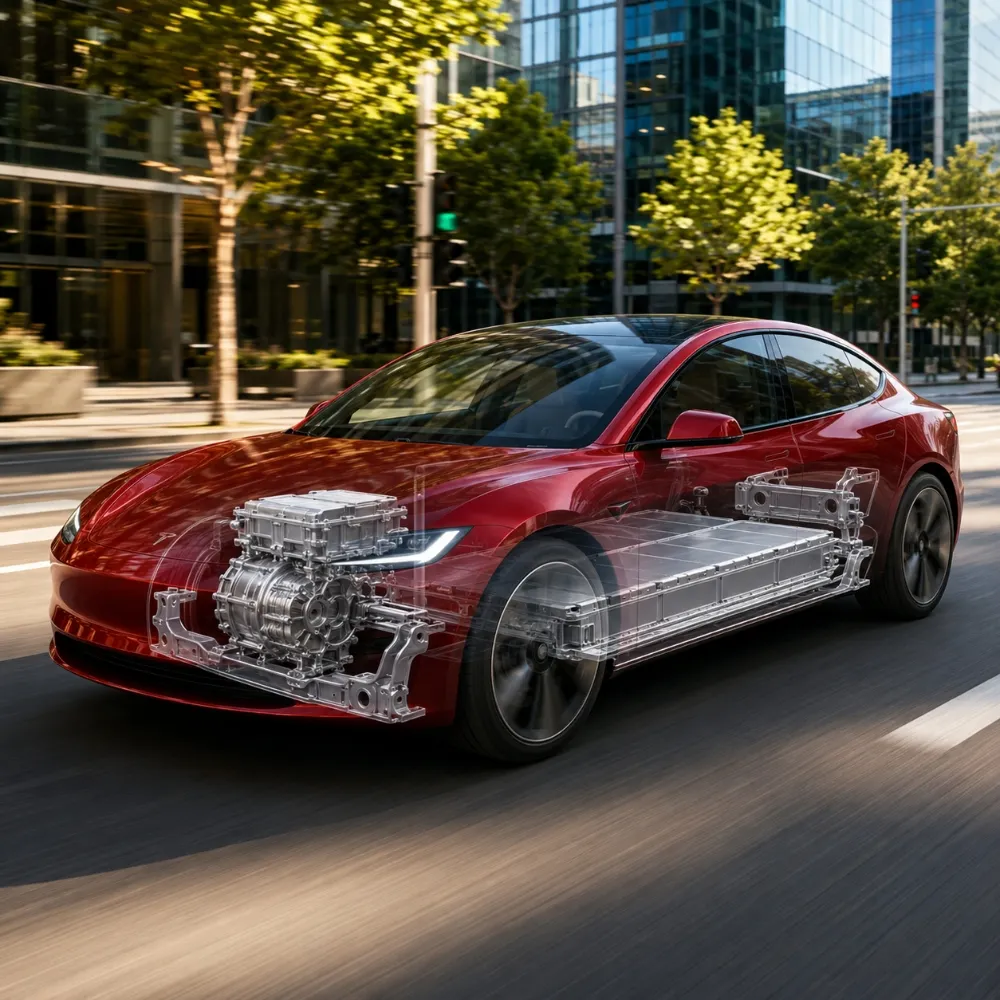
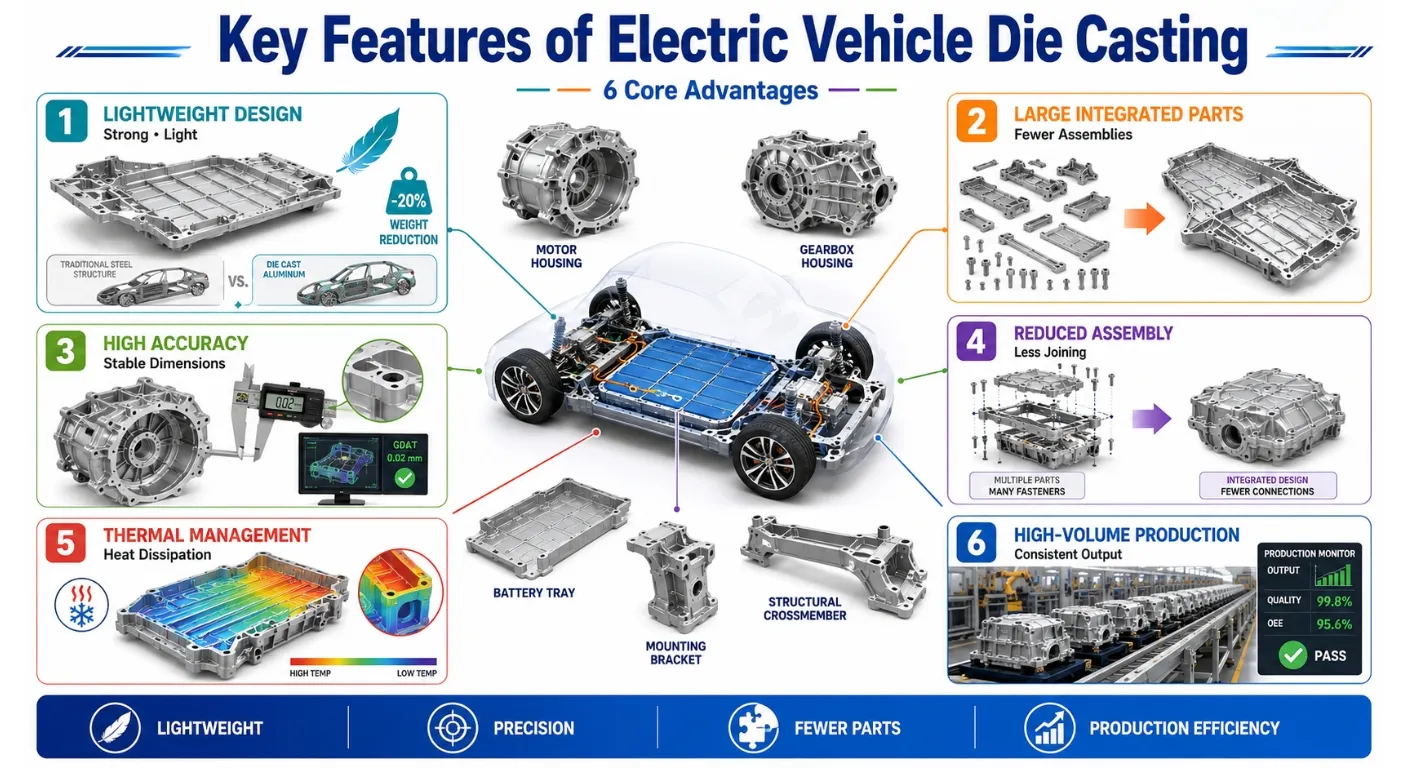
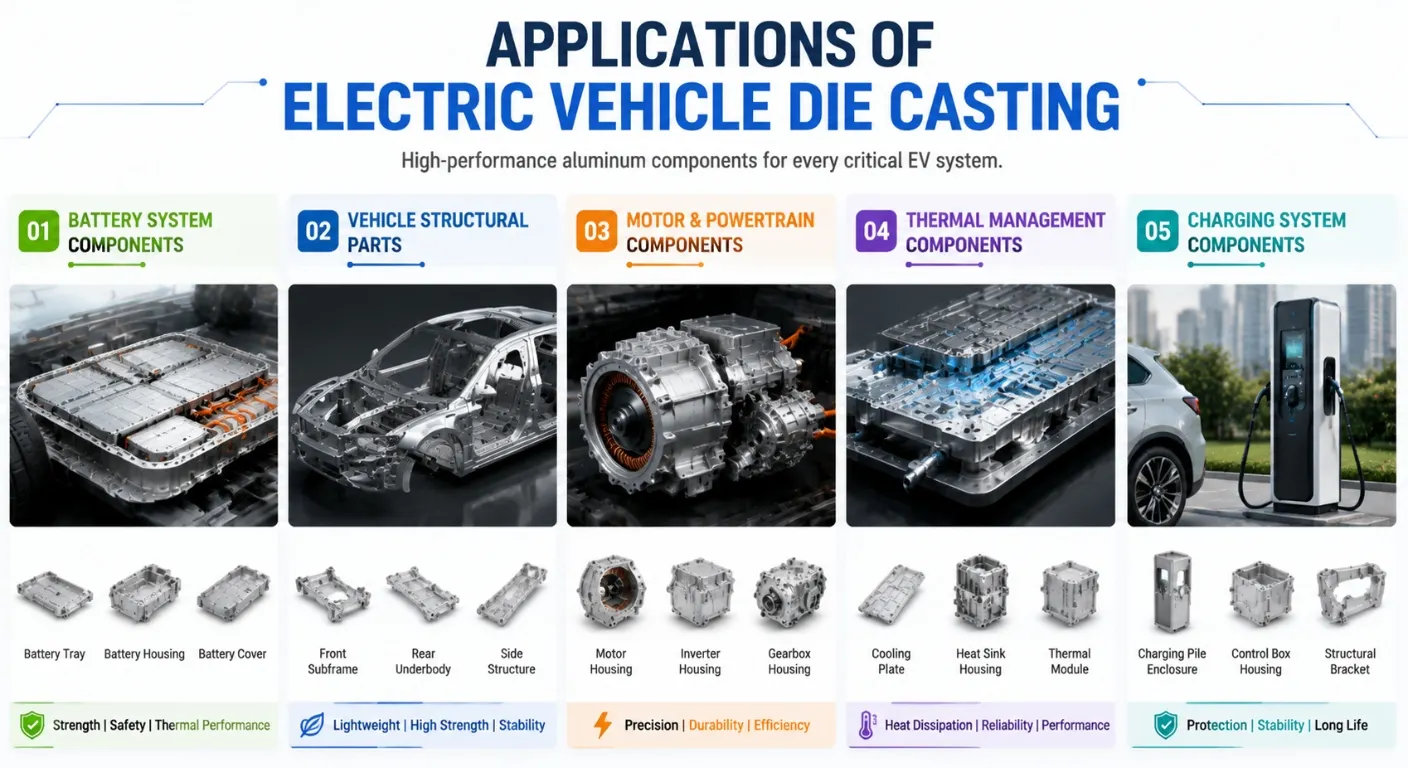
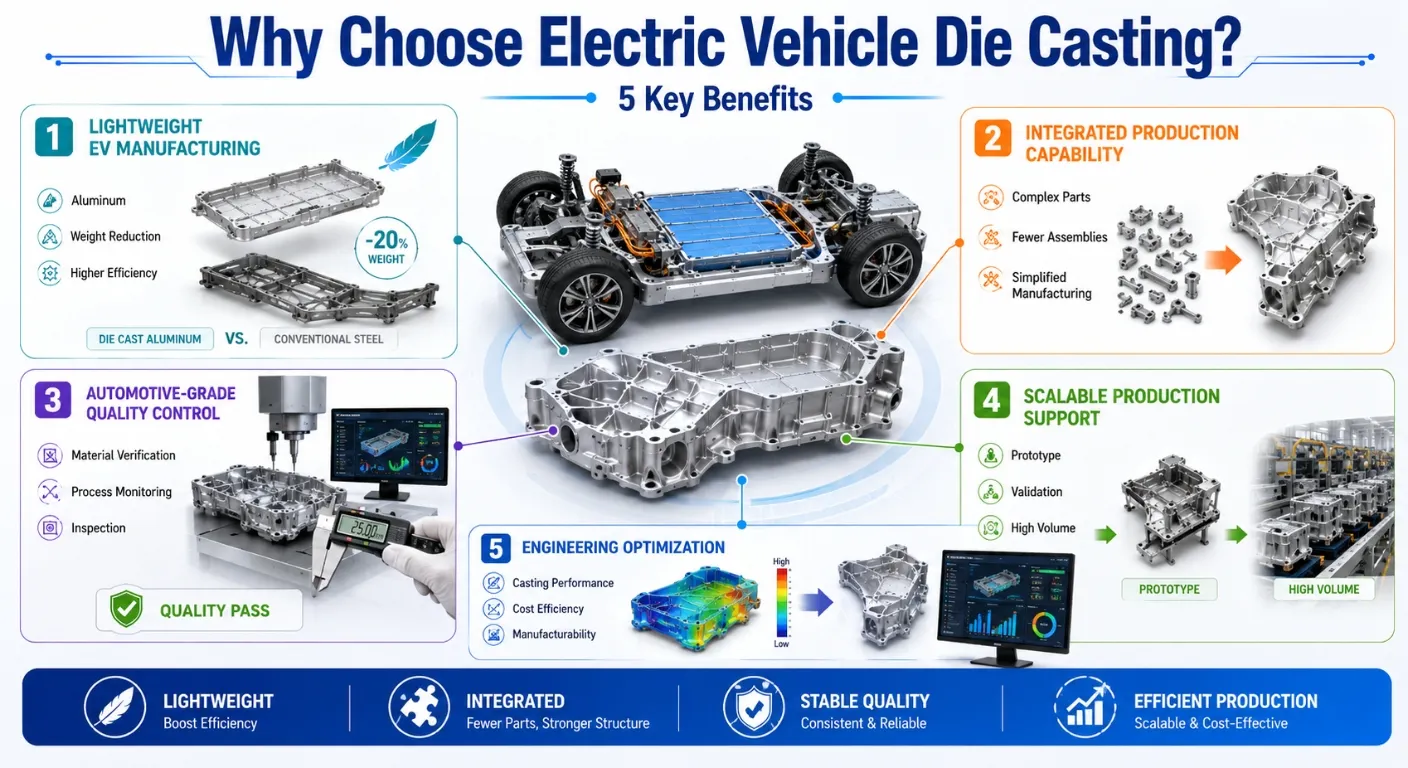
Electric vehicle die casting provides lightweight aluminum components with high integration, precision performance, and scalable manufacturing capability. It supports battery, structural, motor, and thermal management applications.
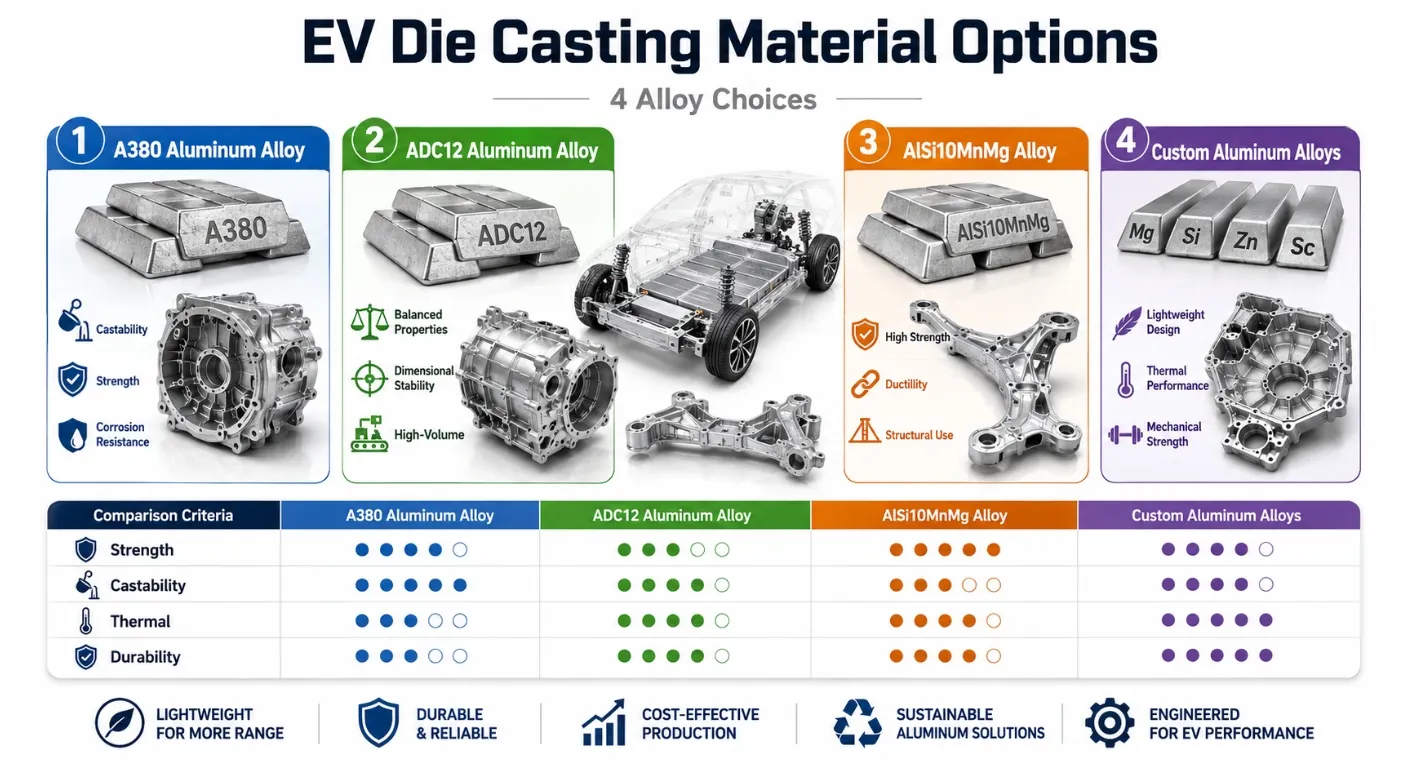
- Material Options:A380, ADC12, AlSi10MnMg, and customized aluminum alloys.
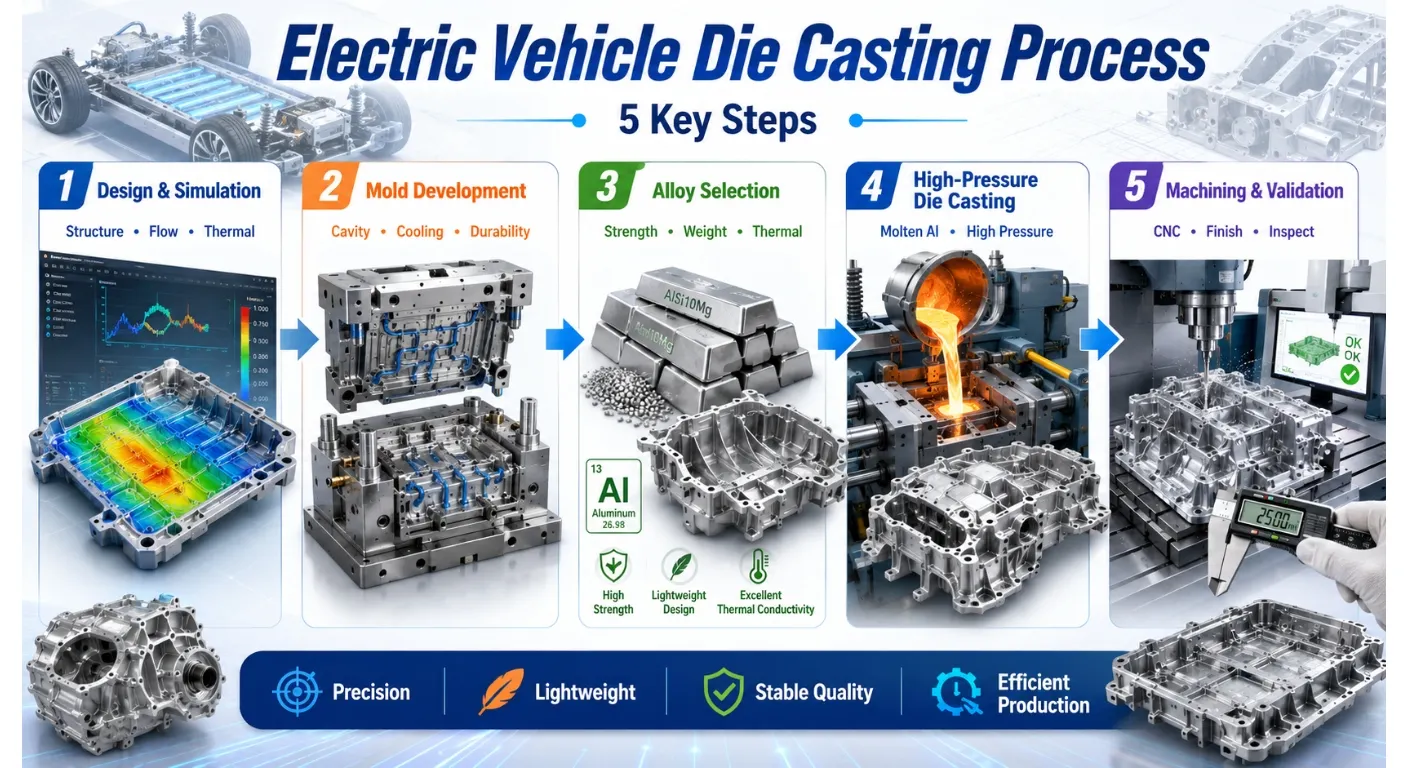
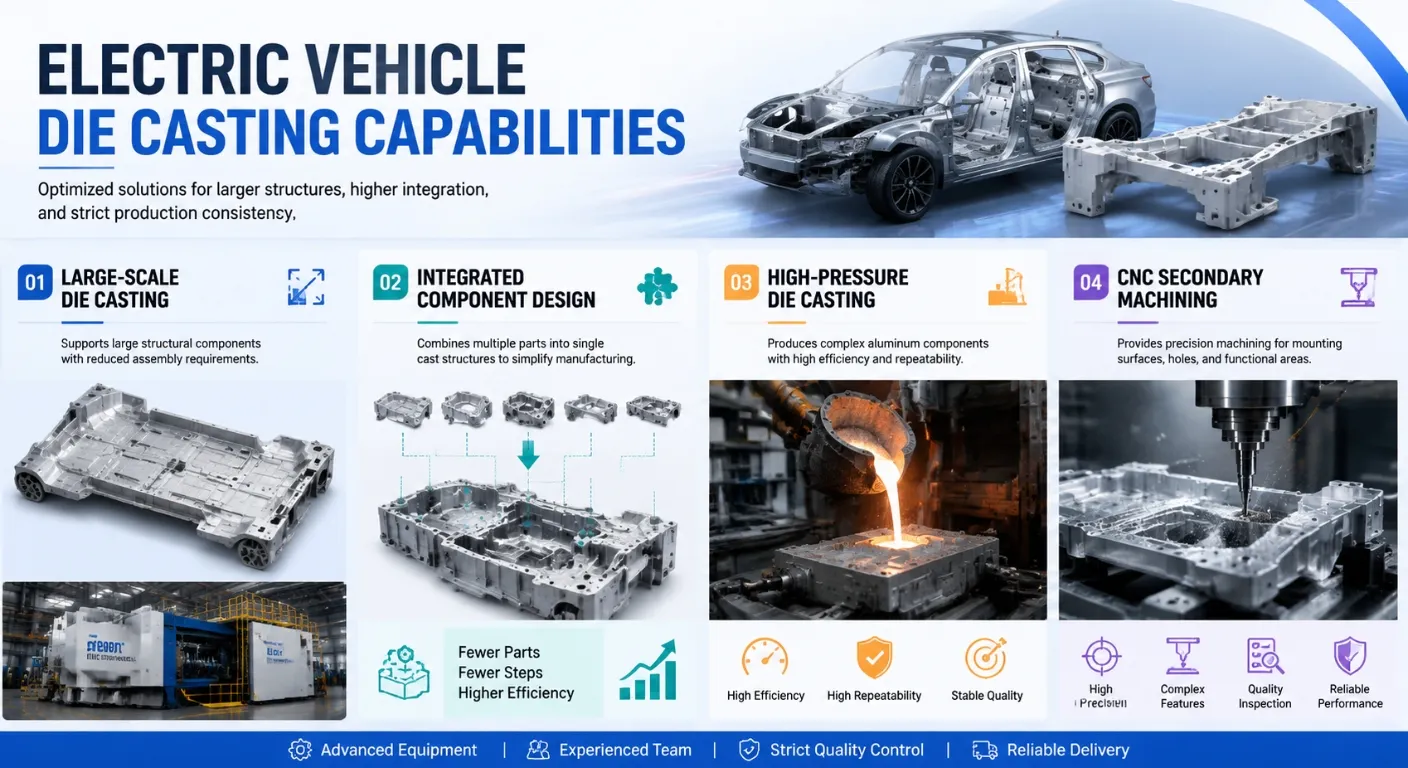
- Casting Process:High-pressure die casting, large-scale casting, and secondary machining.
- Component Capability:Battery housings, structural parts, motor housings, and integrated components.
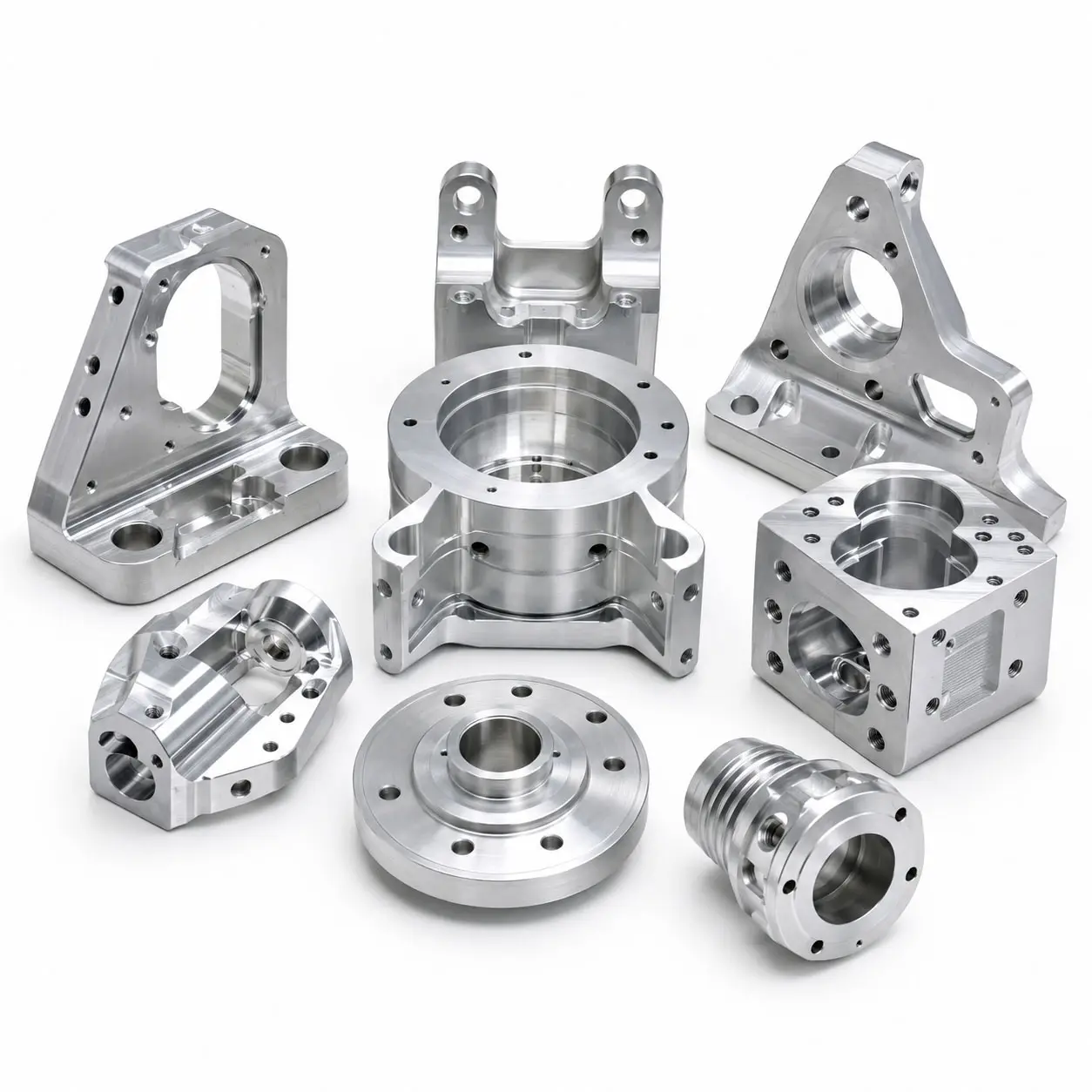
- Machining Capability:CNC machining for mounting surfaces, holes, and precision areas.
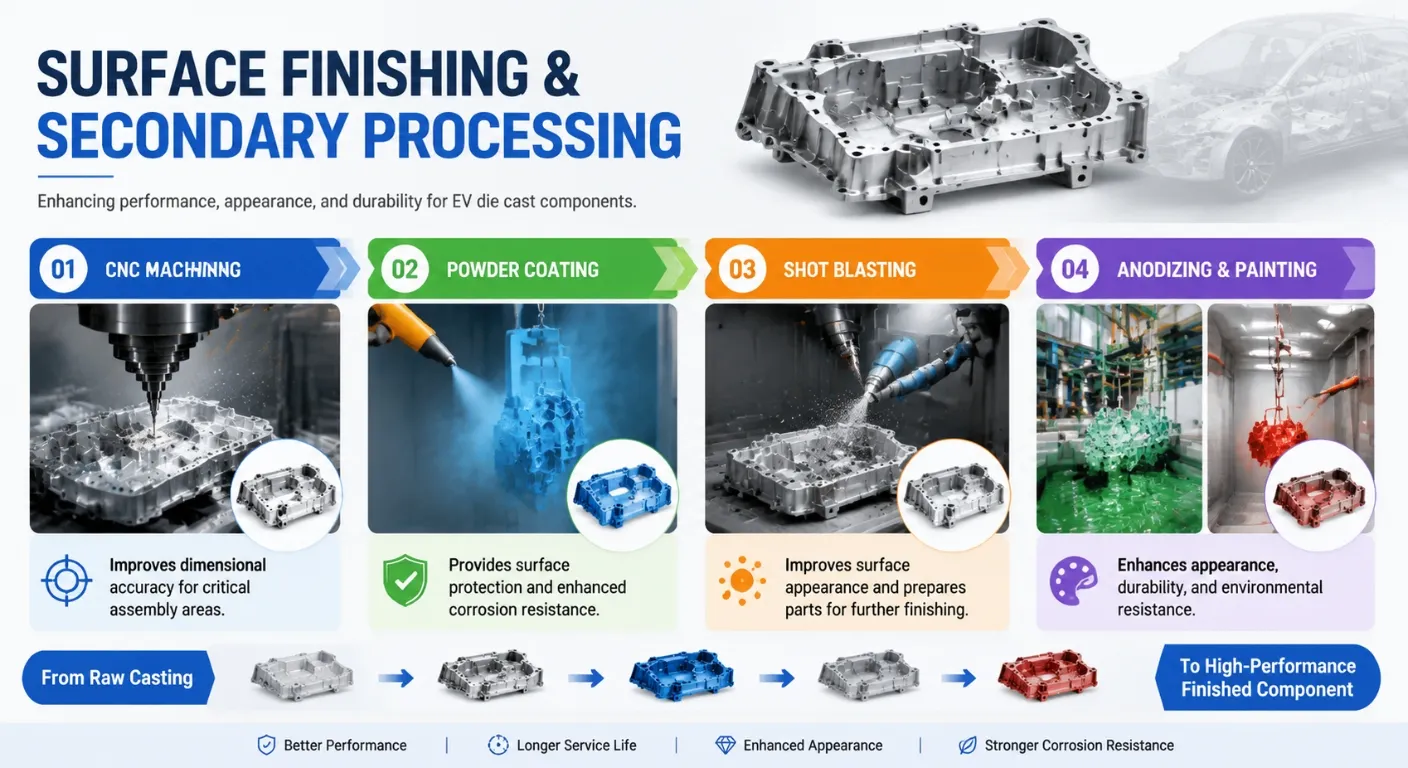
- Surface Treatment:Powder coating, shot blasting, anodizing, and painting.
- Production Volume:Prototype validation, pilot production, and automotive mass manufacturing.
Introduction to Electric Vehicle Die Casting
FAQ
EV die casting can produce battery trays, structural components, motor housings, inverter housings, and other lightweight aluminum parts.
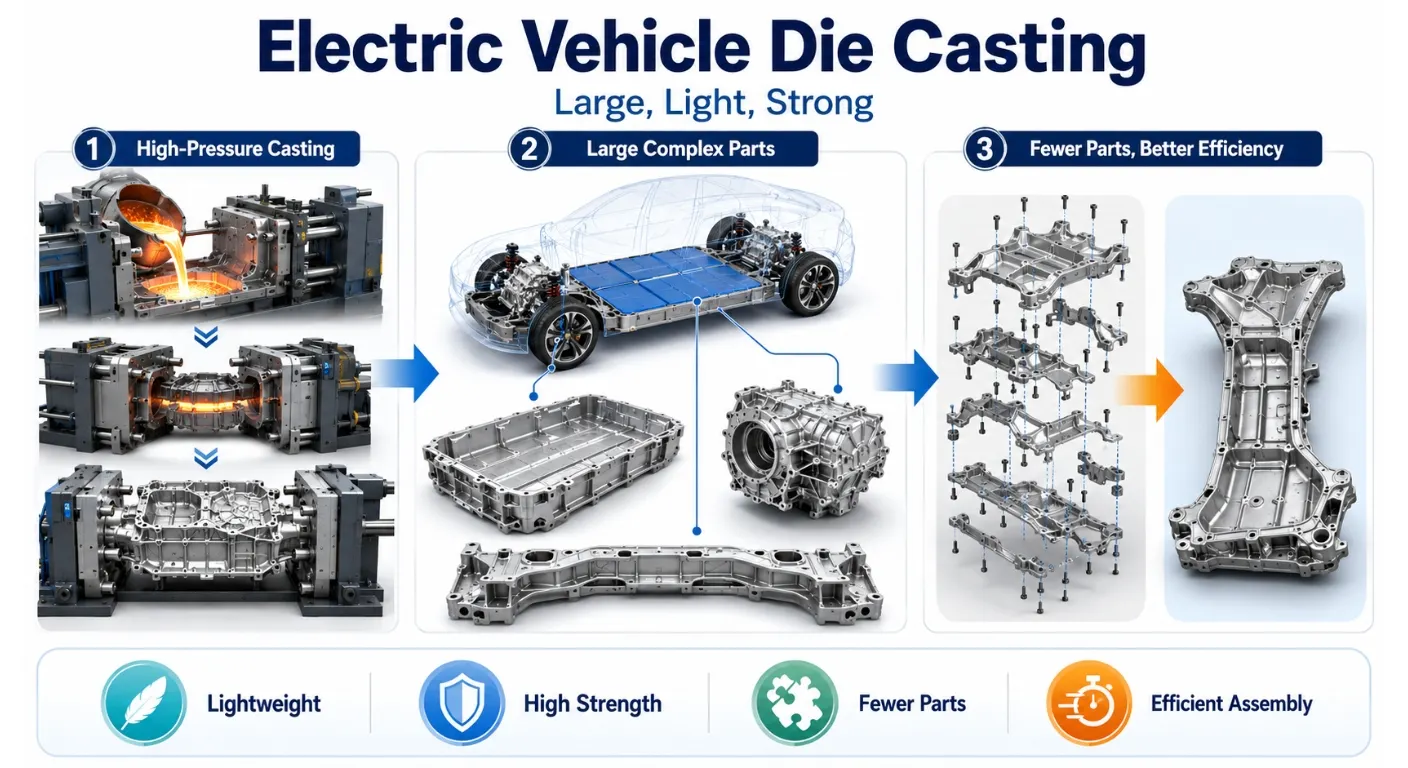
Die casting helps reduce vehicle weight, integrate multiple components, simplify assembly, and improve production efficiency.
Aluminum alloys such as A380, ADC12, and AlSi10MnMg are commonly used due to their lightweight, strength, and casting performance.
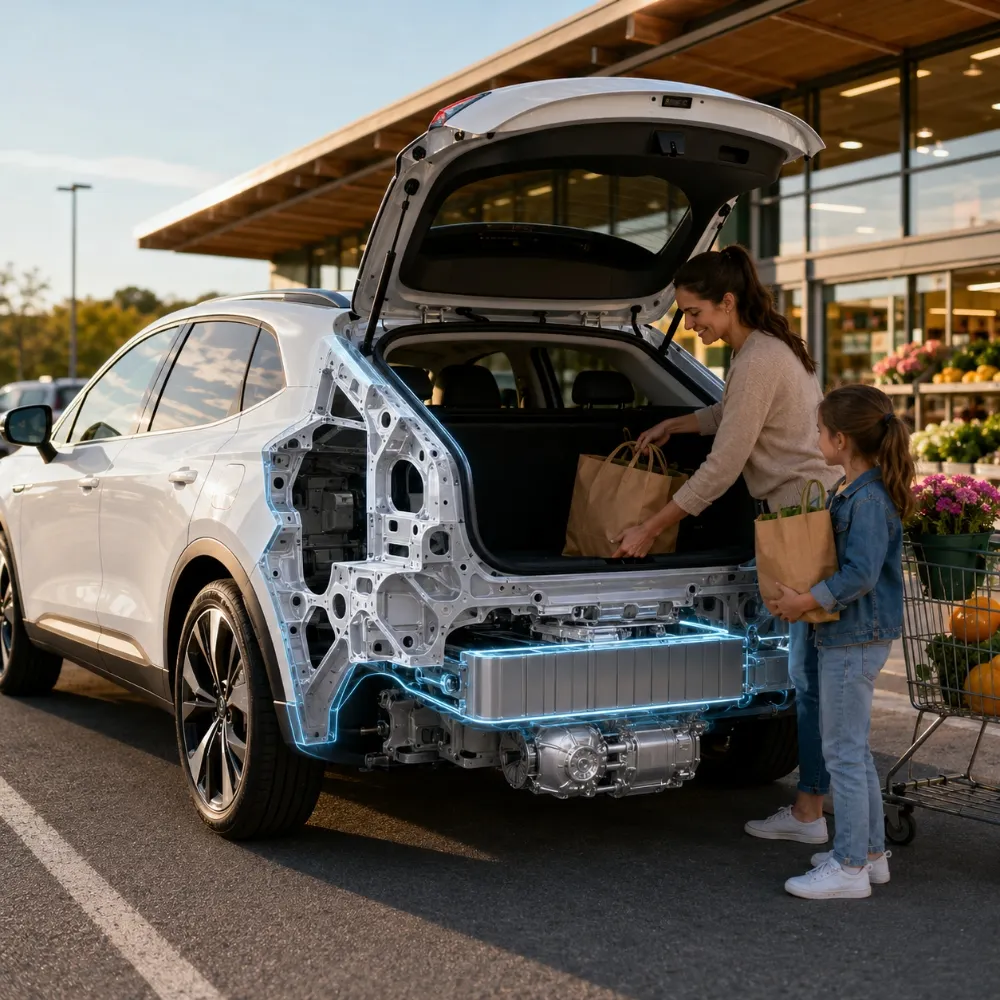
Large-scale EV die casting uses advanced casting technology to produce larger integrated components that replace multiple smaller assemblies.
Yes. CNC machining can improve precision on mounting surfaces, holes, and functional areas after casting.