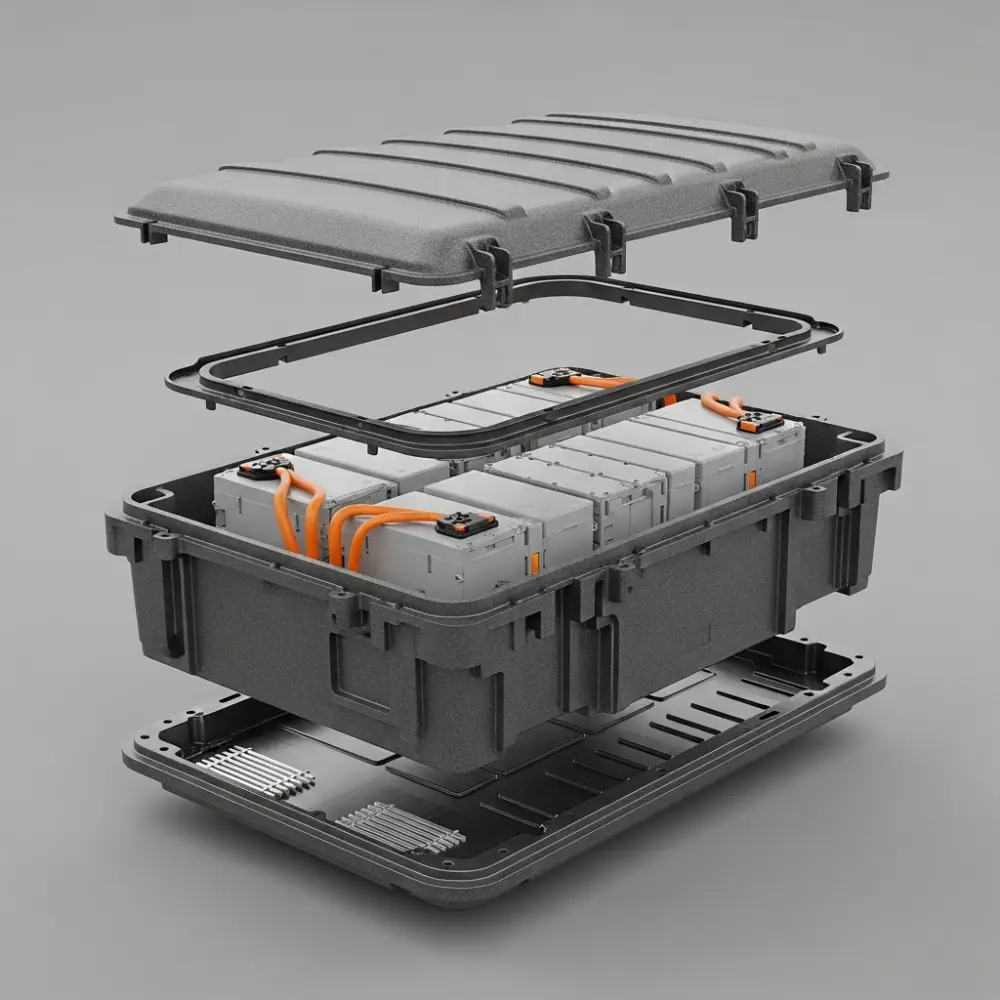


Electrical plastic enclosures are polymer housings designed to protect wiring and devices, offering durability, insulation, and safe operation in various settings.
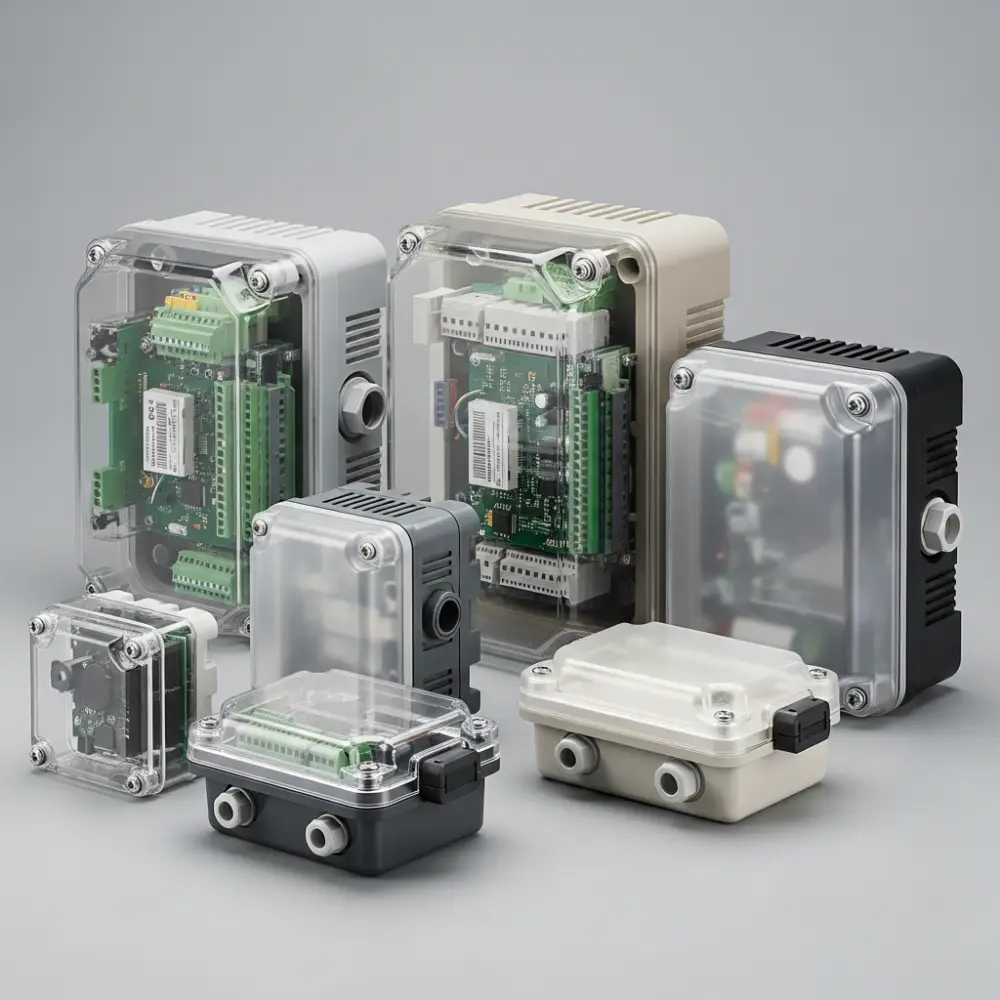
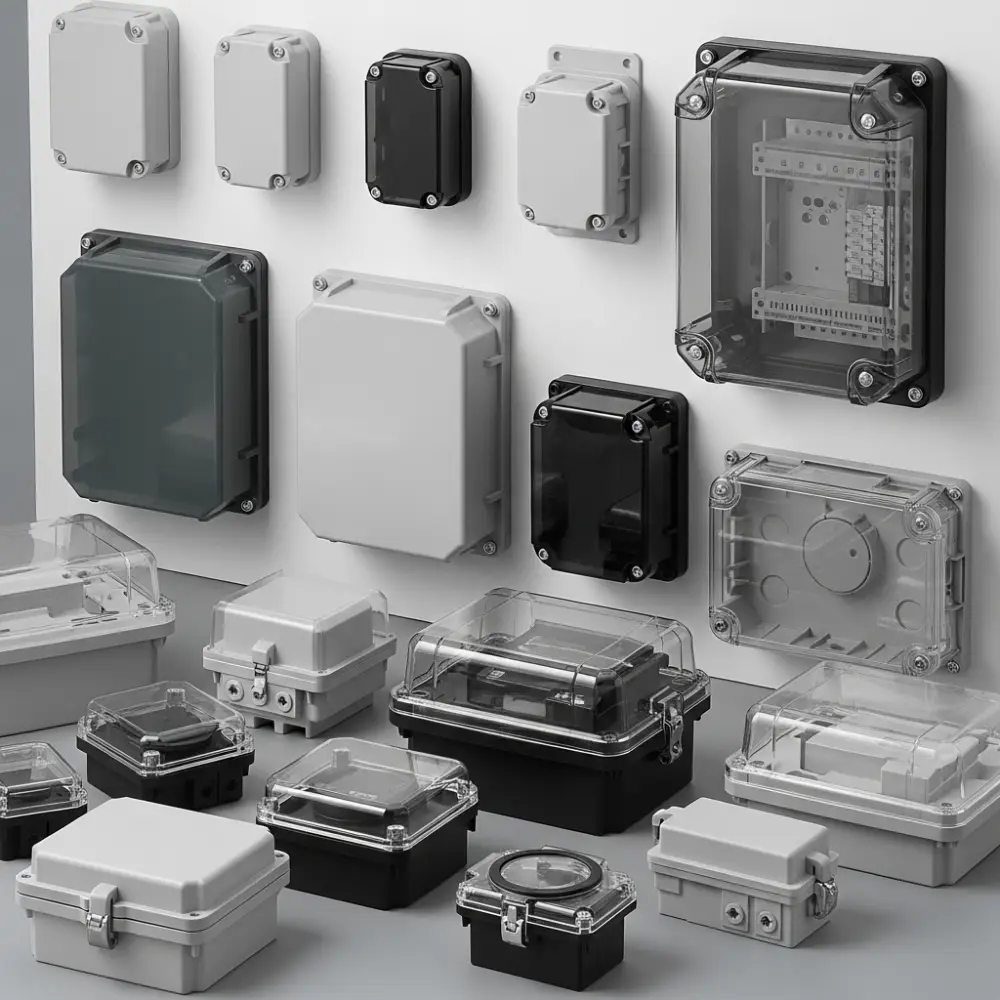
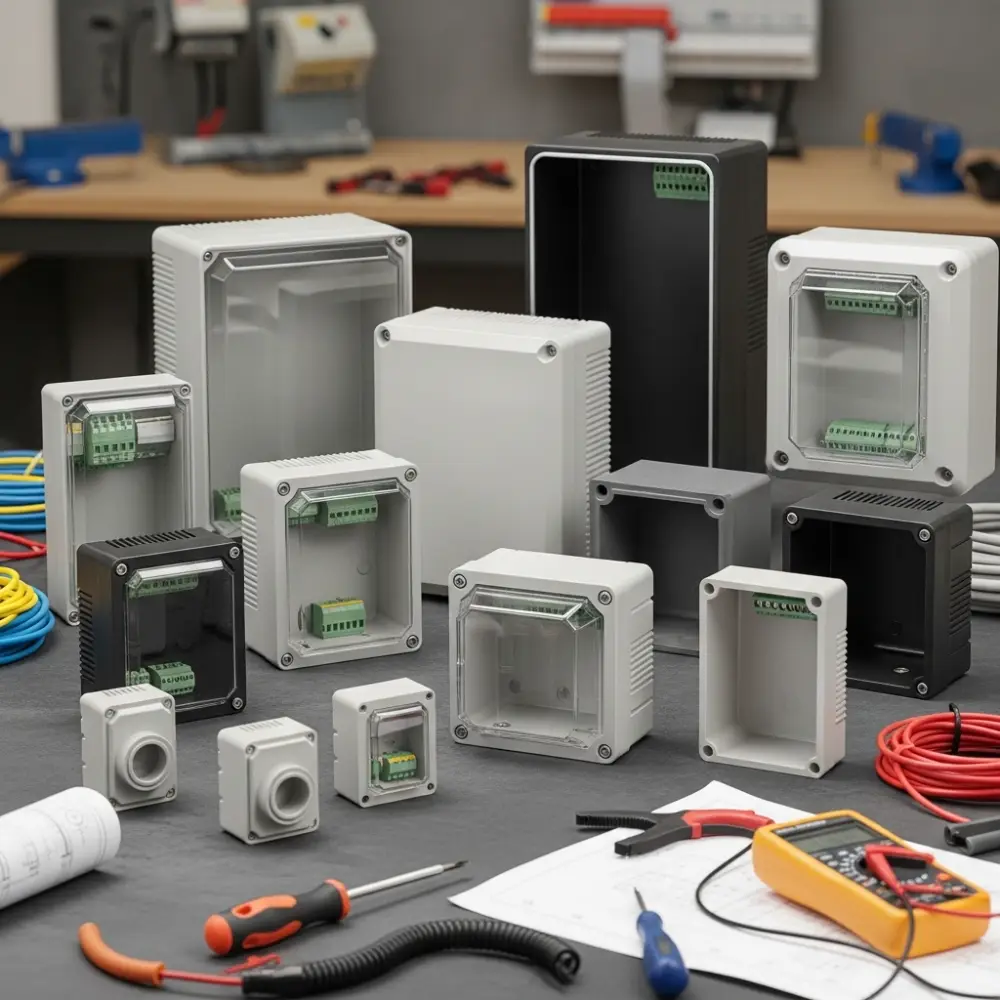
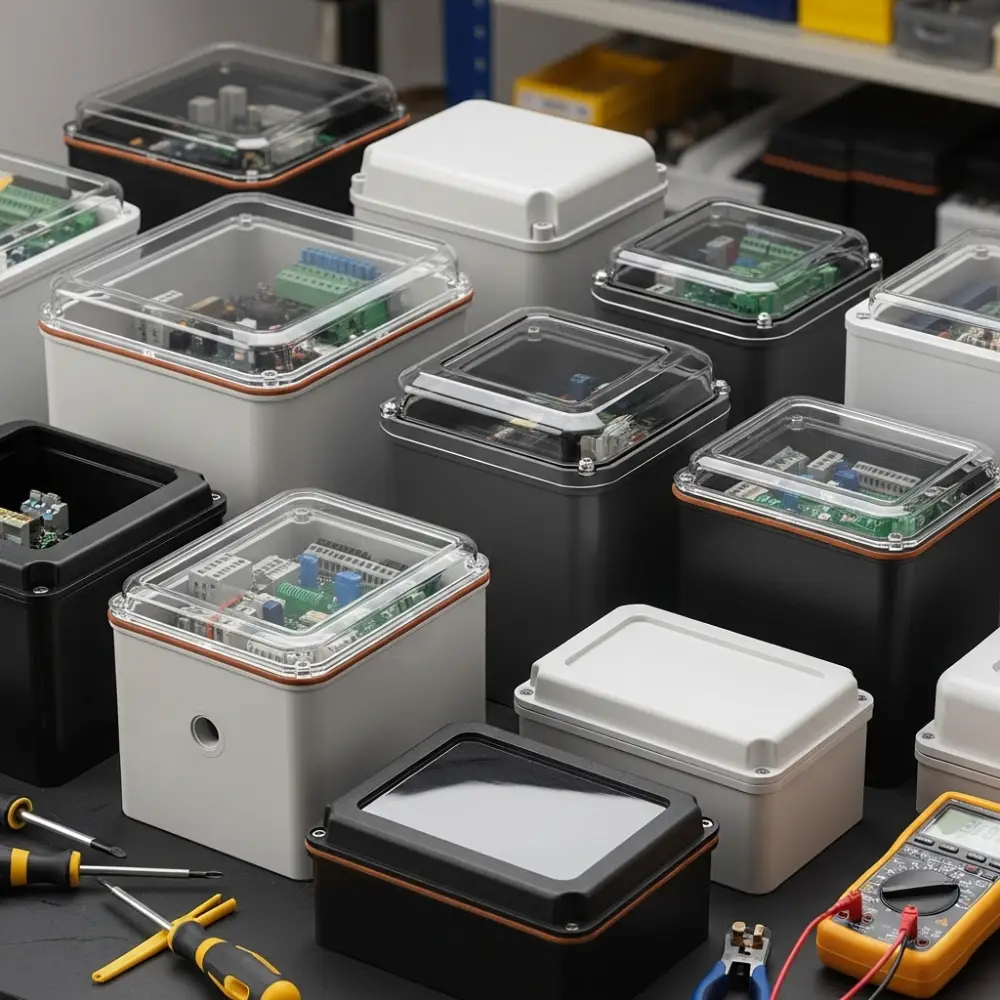
Electrical Plastic Enclosures
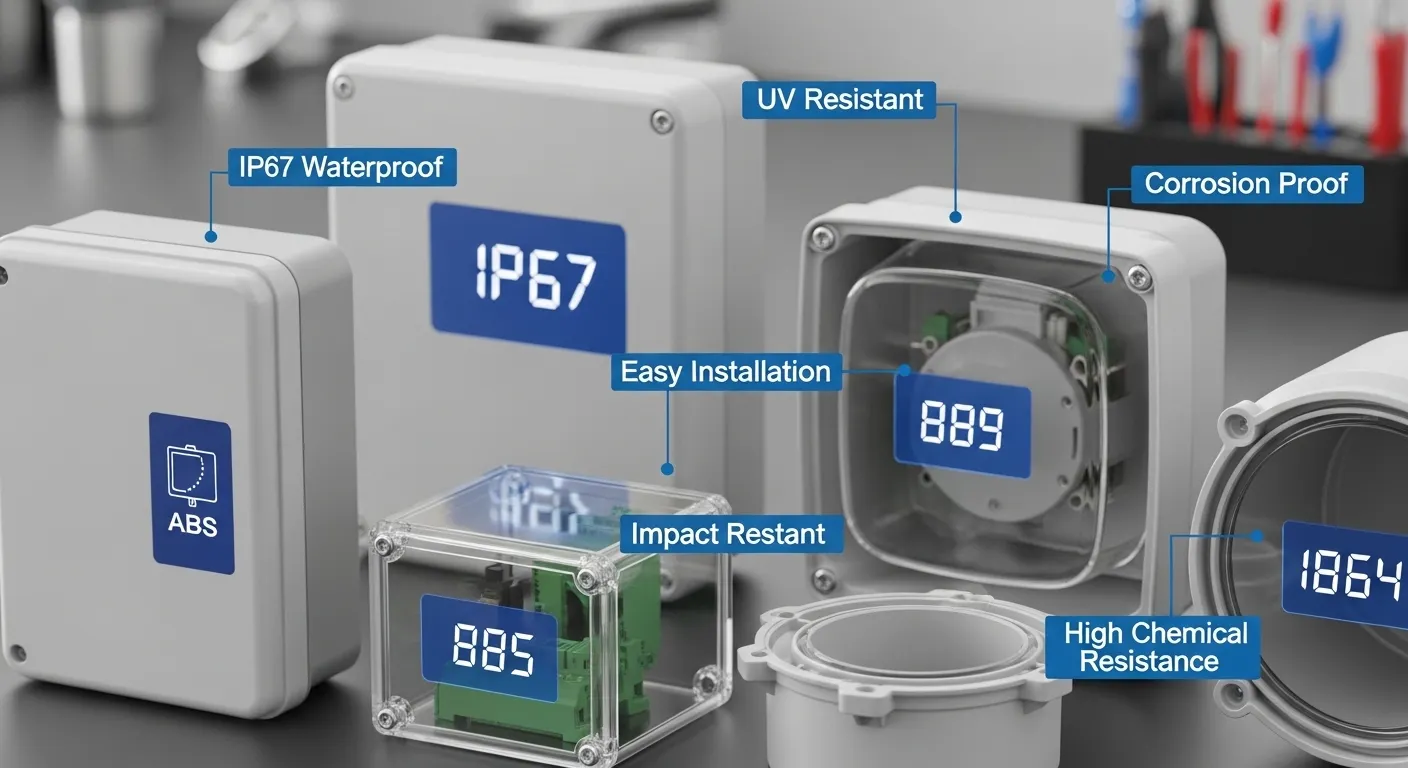
- Insulated Protection: Prevents electrical shocks and short circuits.
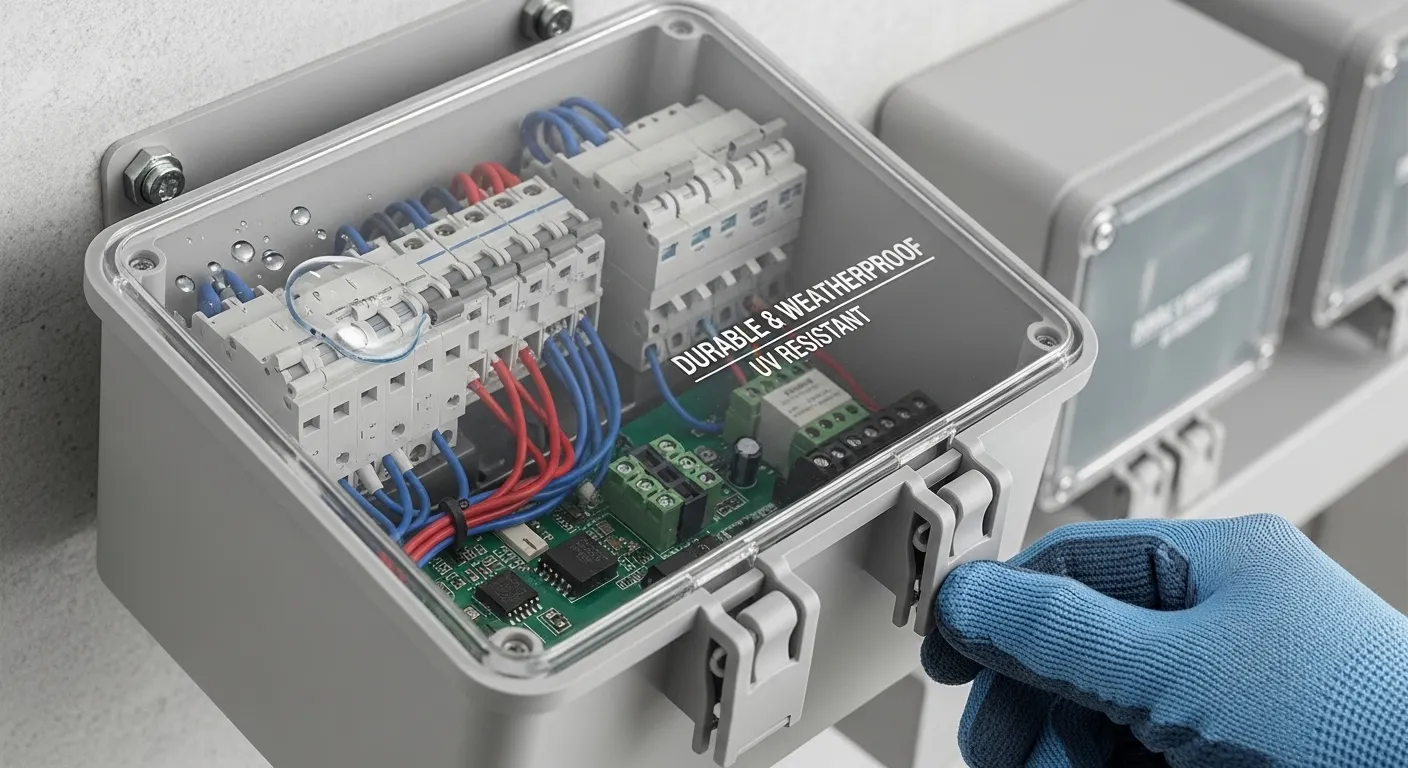
- Moisture Resistant: Safeguards equipment in damp environments.
- Lightweight Handling: Easy to transport and install.
- Durable Material: Resists impact and environmental wear.
- Customizable Design: Supports different shapes, sizes, and mounting options.
Introduction to Electrical Plastic Enclosures
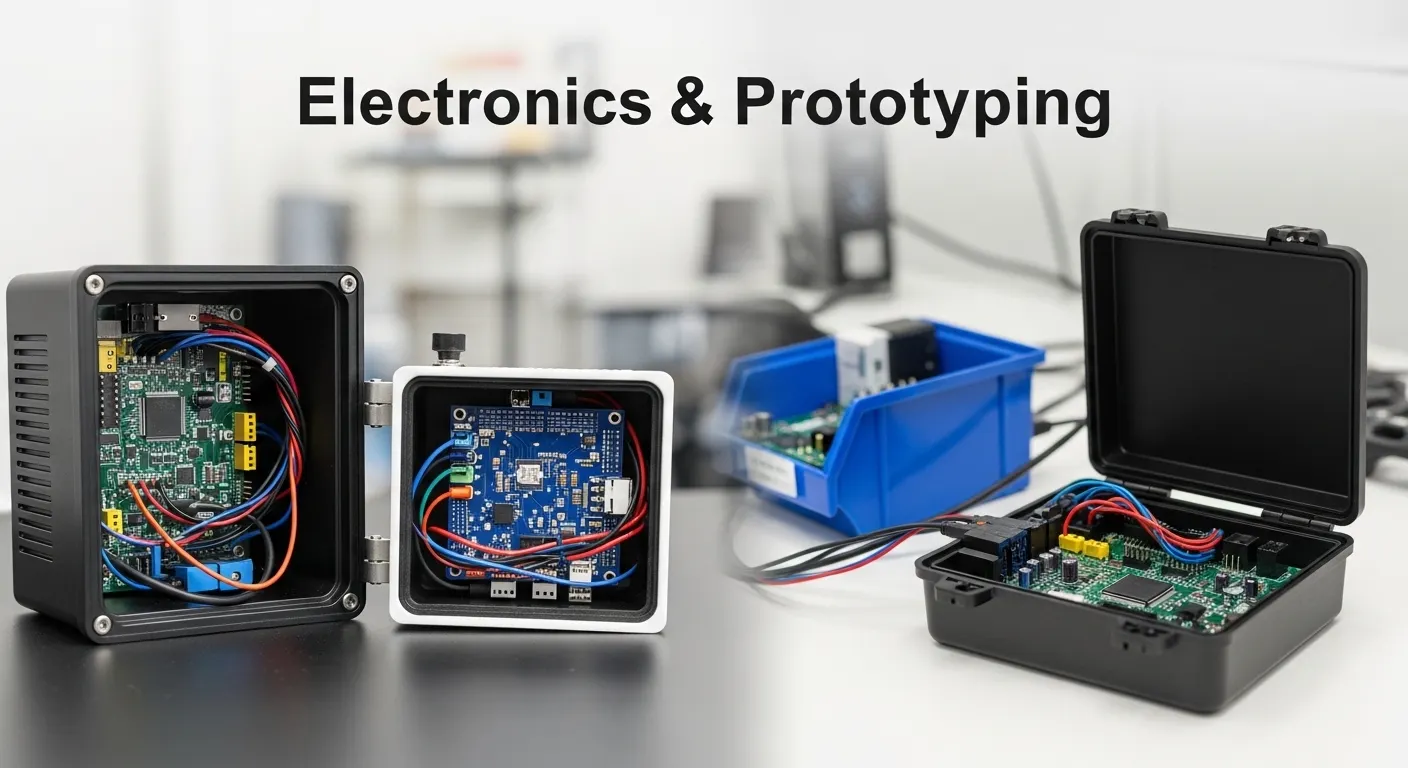
Electrical plastic enclosures are protective housings made from engineered polymers designed to safeguard electrical devices and wiring systems. They help maintain system safety while providing durable protection against environmental conditions.
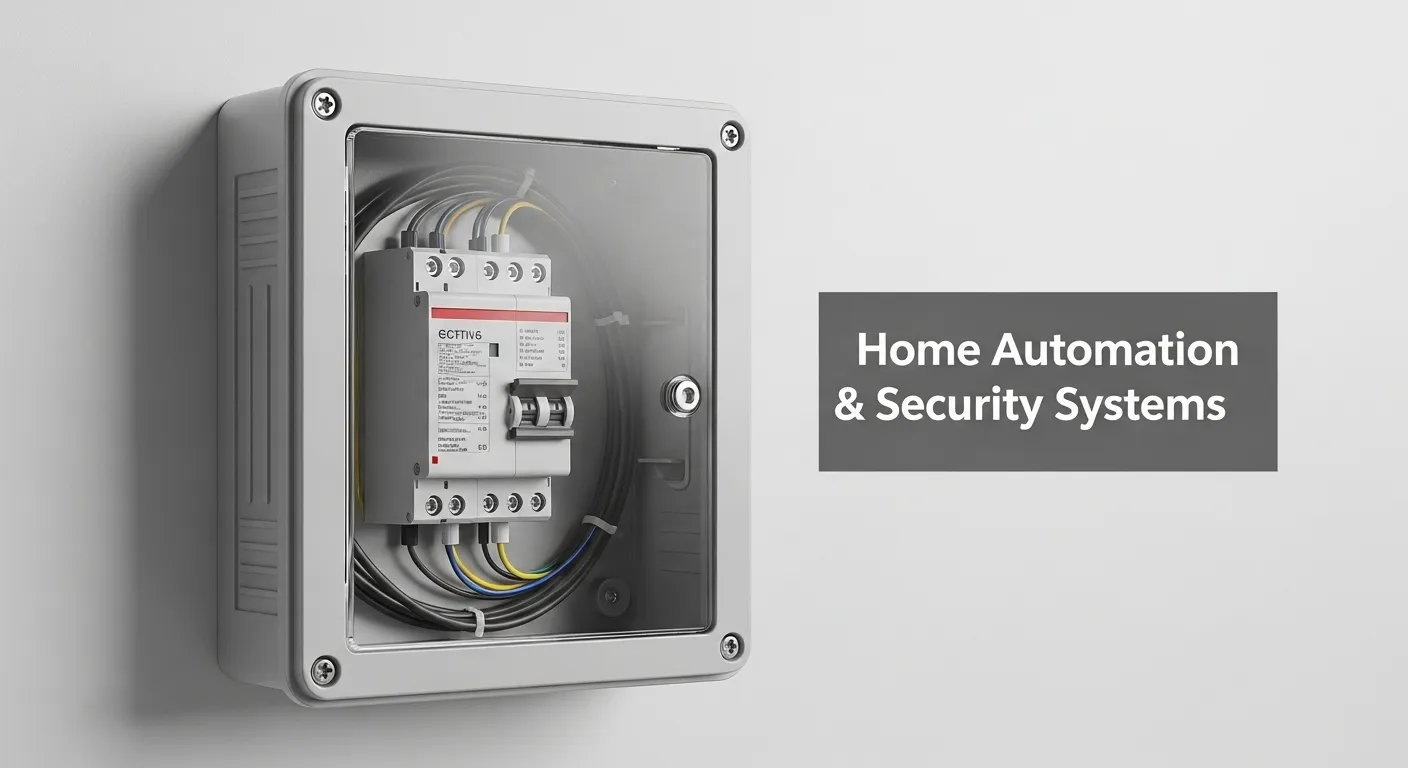
FAQ
1. What materials are used for plastic enclosures?
Answer:
Common materials include ABS, polycarbonate, PVC, and nylon for insulation and durability.
2. Why use plastic instead of metal?
Answer:
Plastic is lightweight, non-conductive, corrosion-resistant, and easy to mold.
3. Do plastic enclosures provide electrical insulation?
Answer:
Yes, polymer materials prevent short circuits and reduce shock risk.
4. Do plastic enclosures require maintenance?
Answer:
Minimal maintenance is needed due to durability and resistance to corrosion.
5. Why are electrical plastic enclosures important?
Answer:
They ensure safe, organized, and reliable operation of electrical and electronic systems.