


Silicone Rubber Compression Molding | A Custom Solutions
What is Silicone Rubber Compression Molding?
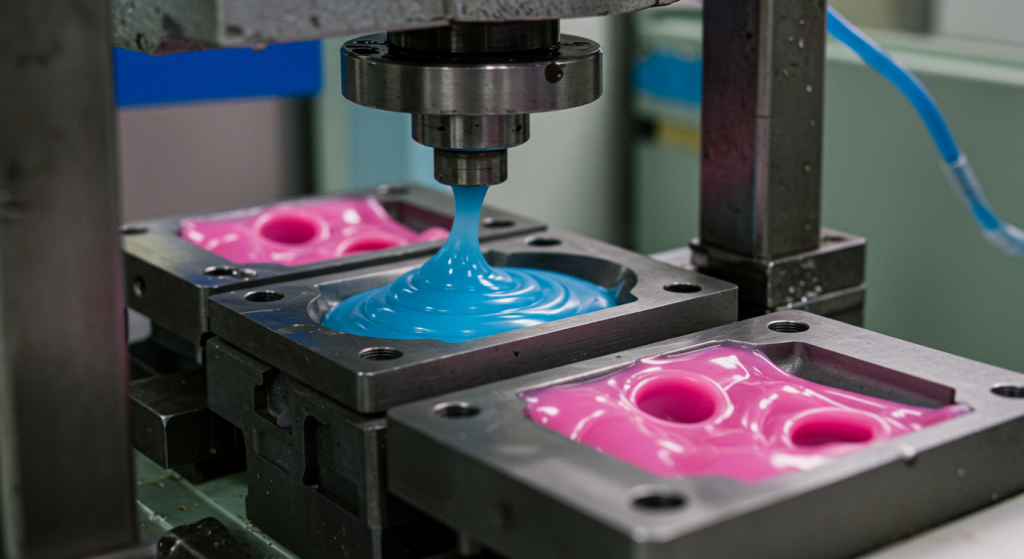
The process starts with placing a specific amount of soft silicone rubber in a mold for a defined period of time for it to soften and take the shape of the mold, after which it is pressure sealed for some time in an oven or drying chamber. When the silicone has molded to the shape of the container, the flexible silicone parts are. During this process, enhanced precision or thin-walled silicone parts of the silicone rubber are made, using silicone rubber compression molding because of its flexibility, high chemical resistance, and heat resistance.
Key Advantages of Silicone Rubber Compression Molding
1. High-Quality and Consistent Parts
Silicone compression molding is made with specific tolerances of silicone parts of ±0.2mm to ±0.5mm, which is of higher quality than other rubber molding techniques with such tight tolerances. This is critical for the automotive and medical industries, where parts are manufactured to meet specific requirements.
2. Flexibility in Design
Individual designs, tiny seals and gaskets, as well as massive industrial components and other complex shapes and dimensions, can all be produced with the procedure. For custom silicone rubber components used in electronics and the automotive industry, silicone molded parts, as well as components, can be made with ease.
3. Versatility Across Industries
The various industries that we cater to can make use of silicone compression molding in the following ways.
• Medical: Medical silicone parts and components can be manufactured in a sterile environment.
• Automotive: Silicone gaskets and seals that can withstand extreme temperatures.
• Consumer: Steamers and other domestic and personal devices.
4. Cost-Effective and Efficient
Silicone rubber molding has lower tooling costs and can be automated for large-scale production. This value enables manufacturers to decrease their costs and satisfy the ever-changing market demands.
5. Proven Scientific Evidence
The parts produced using silicone compression molding have proven to be more durable and able to withstand higher temperatures compared to products made with other modern molding techniques. The extreme flexibility and resilience of silicone mean that the parts produced can withstand extreme environmental conditions.
Types of Silicone Used with Compression Molding
Because each kind of silicone performs differently, careful consideration of the choices is critical. For each target audience, the types of silicone available include:
- Medical Silicone: Used in surgical implants, sterile surgical components, and tubing.
- Industrial Silicone: Used for parts in automobiles, electronics, and industrial machines.
- High-Performance Silicone: Resists high-level temperatures, strong chemicals, and high mechanical stresses.
The Process of Molding Silicone Rubber
The everyday steps used in molding silicone rubber do not vary from one industry to another. Some of the steps include:
- Material Preparation: Silicone rubber can be found as sheets or pellets. For example, there are SMC silicone molding compounds found in sheets, and others are divided into pellets.
- Design and Tooling the Molds: The compression of the silicone in the molds is an important part of the design, and so great care must be taken to do it accurately. For mold cavity design, it is imperative to retain the diaphragmatic precision.
- Silicone Molds Heating: Correctly setting the temperatures of the molds guarantees that the silicone flows and cures properly.
- Silicone Positioning: Cavity molds receive specific portions of silicone.
Applications and Multiple Forms of Silicone Rubber Compression Molding
1. Medical Field
Medical devices, like catheters, and other devices, use silicone molded parts. This is essential for devices in the medical field. With silicone compression molding, we can ensure the strength and precision of medical devices, which is crucial for patient safety and biocompatibility.
2. Automotive Industry
Automotive parts like silicone gaskets, seals, and other parts with vibration-dampening properties are produced using high-temperature silicone compression molding. This heating is needed to ensure the acceptability of the parts to the engine heat, chemicals, and mechanical stress.
3. Consumer Electronics
Also, compression molding is used to produce silicone rubber molded parts for consumer electronics. These include the button seals, protective casings, and other flexible, durable, and heat-resistant parts.
4. Industrial Uses
Silicon rubber compression molding parts used for Industrial purposes, like seals, hoses, and vibration-dampening components, are often used in industrial machines. These parts are made using compression molding to ensure they are durable and reliable.
Silicone Compression Molds Manufacturing Techniques
The growth of silicone compression mold manufacturing is accompanied by more modern and productive methods and techniques.
- High Precision Silicone Molding: Perfect design of intricate molded parts in accurate measurements.
- Two-Shot Silicone Molding (if applicable): Produces components of different materials and/or colors in one production cycle.
- Thermoset Elastomer Processing: Ensures the distribution of the properties of the materials and the elasticity.
- Injection Vs Compression Molding of Silicone: Compression molding is best for heavy and intricate parts, while thin and intricate pieces are better suited for injection molding.
Increasing The Result of Silicone Compression Molding
- Select the Correct Silicone Grade: The material choice impacts the capability to withstand rigorous use, shall be long-lasting, and must be within applicable specifications.
- Adjust the Mold Design: For mass-produced molds, using single cavity molds improves the production rate.
- Quality Improvement: The quality of the molded part is affected by the pressure, temperature, and curing time.
- Quality Assurance: For biomed and automotive parts, dimensions, consistency, and tolerances should be checked.
Conclusion:
Silicon rubber compression molding isn’t simply confined to the molding of silicone polymers to a heated metal frame. It encompasses the molding of highly precise and durable silicone components relevant to the automotive and medical industries, and adds to the flexibility of design and the low cost of production. We, at SunOn, provide silicone compression molding solutions to the clients' movement-precise, molded components and fulfill every single aspect of the customer and industry’s regulations. Whether the components needed are prototypes in small quantities or massive industrial tools, the quality remains uncompromised.
