


The Strategic Benefits of Turnkey Mechanical Assembly Solutions for Modern Manufacturing
Turnkey mechanical assembly solutions provide a streamlined, end-to-end manufacturing approach where a single provider manages everything from component sourcing to final testing. This integrated model eliminates the logistical headaches of managing multiple vendors, significantly reducing lead times and production costs. By leveraging a one-stop shop, companies can ensure higher precision, consistent quality, and a faster path to market for complex mechanical products.
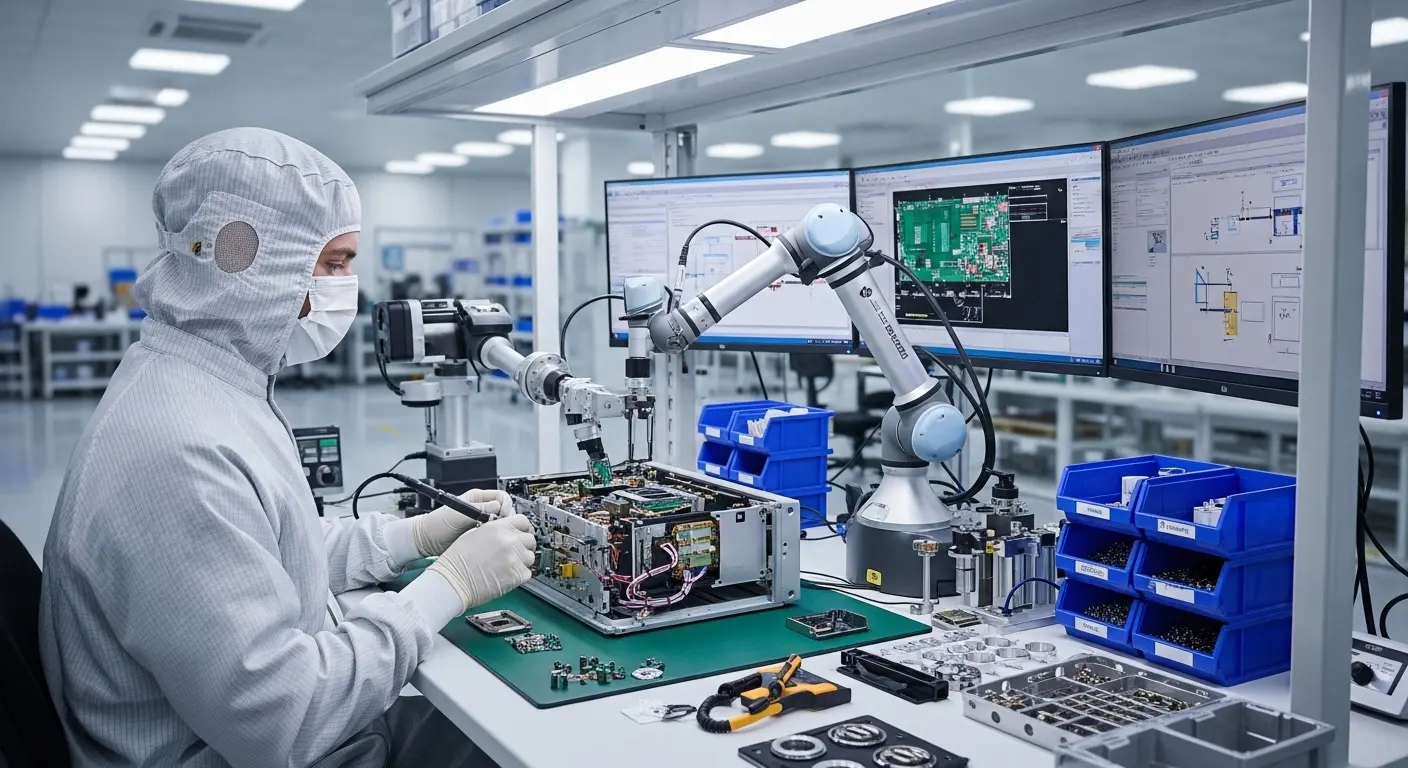
What Are Turnkey Mechanical Assembly Solutions?
Turnkey mechanical assembly solutions are comprehensive manufacturing services where a single partner handles the entire production lifecycle, including sourcing, assembly, and testing. Instead of managing separate contracts for parts and assembly, the client receives a finished, functional product ready for immediate use or sale. This model prioritizes efficiency, accountability, and seamless technical integration across all production stages.
In the fast-paced world of hardware development, the "siloed" approach to manufacturing is becoming a liability. I have seen countless projects stall because a CNC shop in one region produced parts that didn't fit the injection-molded housing produced in another. Turnkey solutions solve this by housing the expertise under one roof. At Sunon Mould, our mechanical assembly services are designed to act as an extension of your engineering team, ensuring that every screw, bracket, and PCB fits perfectly the first time.
Why Is the All-In-One Model Better Than Fragmented Manufacturing?
Fragmented manufacturing requires you to act as the middleman between multiple specialized shops, which often leads to communication breakdowns and "blame-shifting" when errors occur. A turnkey partner takes full ownership of the process. If a part doesn’t fit during assembly, the turnkey provider fixes it internally without charging you for "rework" between different vendors.
How Do Turnkey Solutions Speed Up Your Time-to-Market?
Turnkey mechanical assembly solutions accelerate time-to-market by removing the transit time between different vendors and synchronizing the production schedule. When assembly happens in the same facility as component manufacturing, the feedback loop is instantaneous. This allows for rapid troubleshooting and parallel processing, cutting weeks off the traditional development cycle and giving you a competitive edge.
In manufacturing, time is quite literally money. Consider the typical "multi-vendor" nightmare:
- The plastic housings are finished but waiting for the metal brackets.
- The brackets arrive but have a burr that prevents assembly.
- The assembly house sends the brackets back, wasting four days in shipping.
With a turnkey approach, the assembly team catches that burr while the brackets are still on the shop floor. For companies utilizing specialized techniques like 2K injection moulding, having the assembly team right next to the molding machines ensures that complex, multi-material parts are handled with the specific care they require immediately after production.
Can Turnkey Assembly Reduce Design Iteration Cycles?
Yes, because the engineers building the product work directly with the people designing the assembly jigs. This "Design for Assembly" (DFA) feedback happens in real-time. If a technician finds that a specific internal clip is difficult to reach, the design can be tweaked for the next batch immediately, rather than waiting for a post-production report from a third-party assembler.
Why Is Cost Reduction a Major Benefit of Turnkey Assembly?
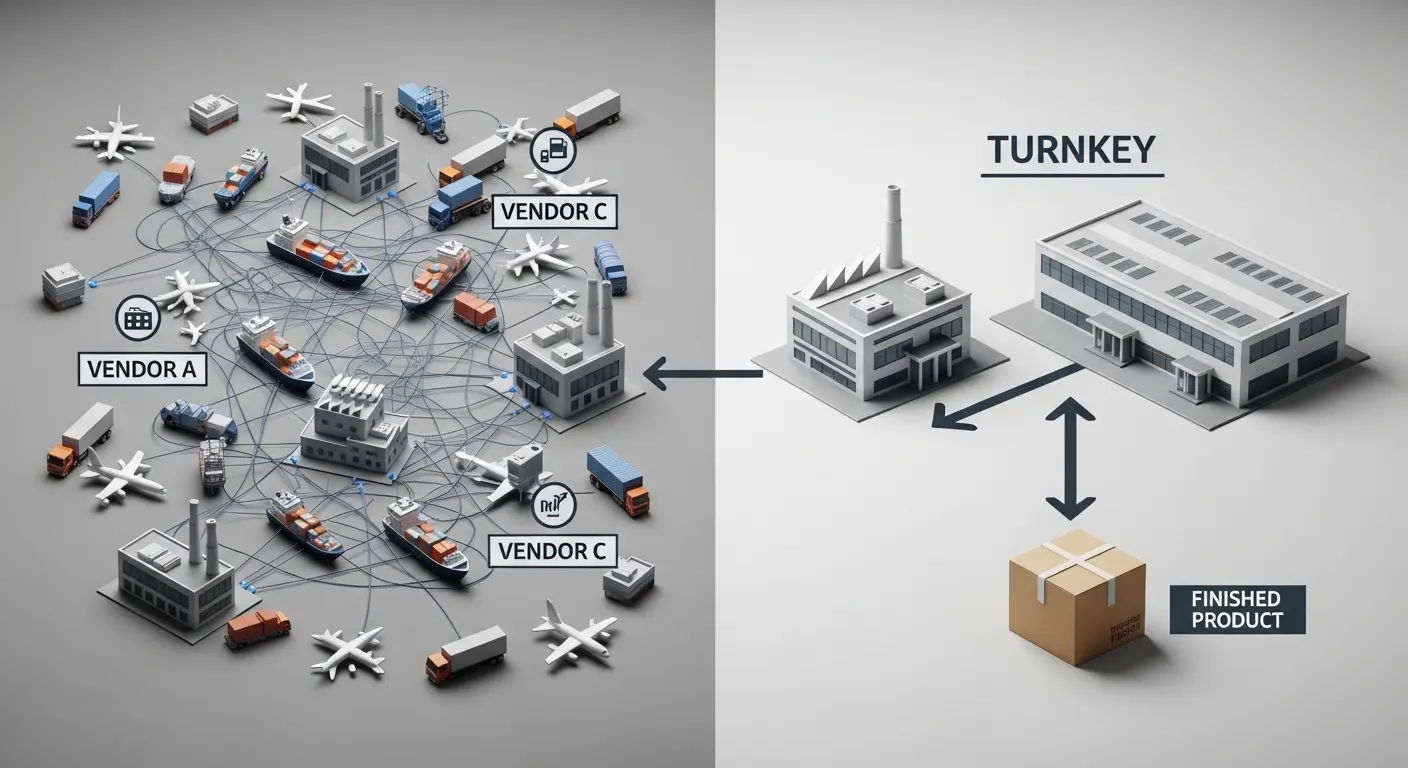
Turnkey mechanical assembly reduces costs by eliminating multiple shipping fees, reducing administrative overhead, and leveraging the provider’s bulk purchasing power for hardware. By consolidating the supply chain, you pay for one streamlined process rather than paying a markup at every stage of a fragmented chain. Furthermore, internal quality control reduces the expensive risk of final product rejection.
| Cost Category | Multi-Vendor Approach | Turnkey Solution Approach |
| Logistics | High (Multiple shipments between sites) | Low (Single shipment of finished goods) |
| Inventory | High (Buffer stocks at every stage) | Low (Just-in-time internal movement) |
| Management | Expensive (Project managers for each vendor) | Efficient (One point of contact) |
| Quality Risk | High (Inter-vendor compatibility issues) | Low (Single-source accountability) |
Tip: Look for a partner that offerspost-processing servicesin-house. This ensures that aesthetic finishes like painting or plating don't add weeks to your timeline or extra zeros to your invoice.
How Does a Turnkey Partner Ensure Superior Quality Control?
A turnkey partner ensures superior quality by implementing a unified Quality Management System (QMS) across every stage of production. From the moment raw materials arrive to the final functional test of the assembled unit, one set of standards applies. This eliminates the "tolerance stack-up" issues that occur when different vendors use different measurement tools or standards.
Quality isn't just about a checklist; it's about the "culture of the part." When our team at Sunon Mould handles custom overmolding services, they aren't just looking at the bond between materials; they are looking at how that part will eventually fit into the final mechanical housing. This holistic view prevents the "it's within my spec, not my problem" attitude that plagues multi-vendor projects.
What Role Does Functional Testing Play in Turnkey Solutions?
Functional testing is the final gatekeeper. In a turnkey environment, the provider doesn't just check if the parts look right; they check if the product works. This includes electrical continuity, mechanical load testing, and environmental stress tests. You receive a box of products that are "plug-and-play" ready for your end customers.
Is Accountability the Hidden Advantage of Turnkey Manufacturing?
Accountability is the most significant "soft" benefit; with a turnkey solution, there is only "one throat to choke." If a product fails, there is no ambiguity about who is responsible. The provider owns the components, the assembly, and the final result, forcing them to be more rigorous in their internal processes to avoid the high cost of failure.
I’ve seen many OEMs lose sleep managing five different suppliers for a single handheld device. When a defect appears, Supplier A blames the material of Supplier B, who blames the tolerances of Supplier C. A turnkey partner like Sunon Mould removes this stress. We provide a single point of contact and total transparency. If there is a challenge, we solve it internally before it ever reaches your desk.
How to Choose the Right Turnkey Mechanical Assembly Partner?
Choosing the right partner requires auditing their internal capabilities, their experience with complex assemblies, and their commitment to transparency. You need a partner who understands both the "macro" of project management and the "micro" of mechanical tolerances. Ensure they have a proven track record in your specific industry, whether it's medical, automotive, or consumer electronics.
Checklist for Auditing a Potential Turnkey Partner:
- In-house Capabilities: Do they actually do the work, or do they outsource it to a sub-contractor? (Always prefer direct manufacturers).
- Certifications: Do they hold ISO 9001 or industry-specific certifications?
- Prototyping: Can they handle small-batch "Alpha" runs before moving to mass production?
- Supply Chain Management: Do they have established relationships with component suppliers for things like sensors, motors, and fasteners?
Conclusion
Turnkey mechanical assembly solutions represent the evolution of efficient manufacturing. By consolidating the supply chain, companies can focus on what they do best—innovating and selling—while leaving the complexities of sourcing, fabrication, and assembly to specialized experts. The result is a more resilient, cost-effective, and higher-quality production cycle.
