


What is Turnkey Mechanical Assembly? Benefits for Product Manufacturers
Turnkey mechanical assembly is the most efficient way for modern manufacturers to bring complex hardware to market today. This comprehensive service covers everything from initial component sourcing to final testing and packaging under one roof. By centralizing the supply chain, companies can bypass the logistical nightmares of coordinating multiple vendors. Instead of managing ten different suppliers for plastic parts, fasteners, and electronics, you partner with a single expert team. This approach drastically reduces lead times and ensures a higher level of quality control across the entire production cycle.
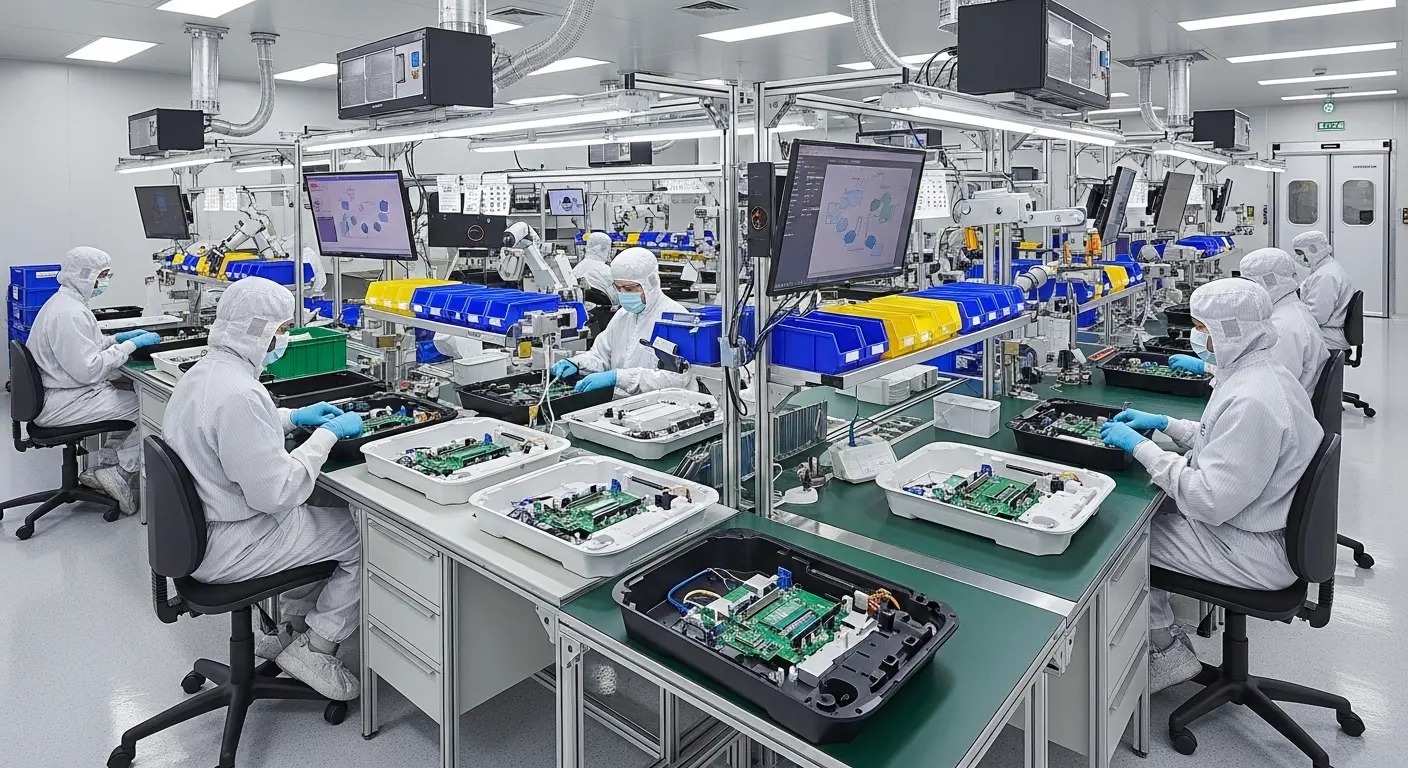
What defines a true turnkey mechanical assembly service?
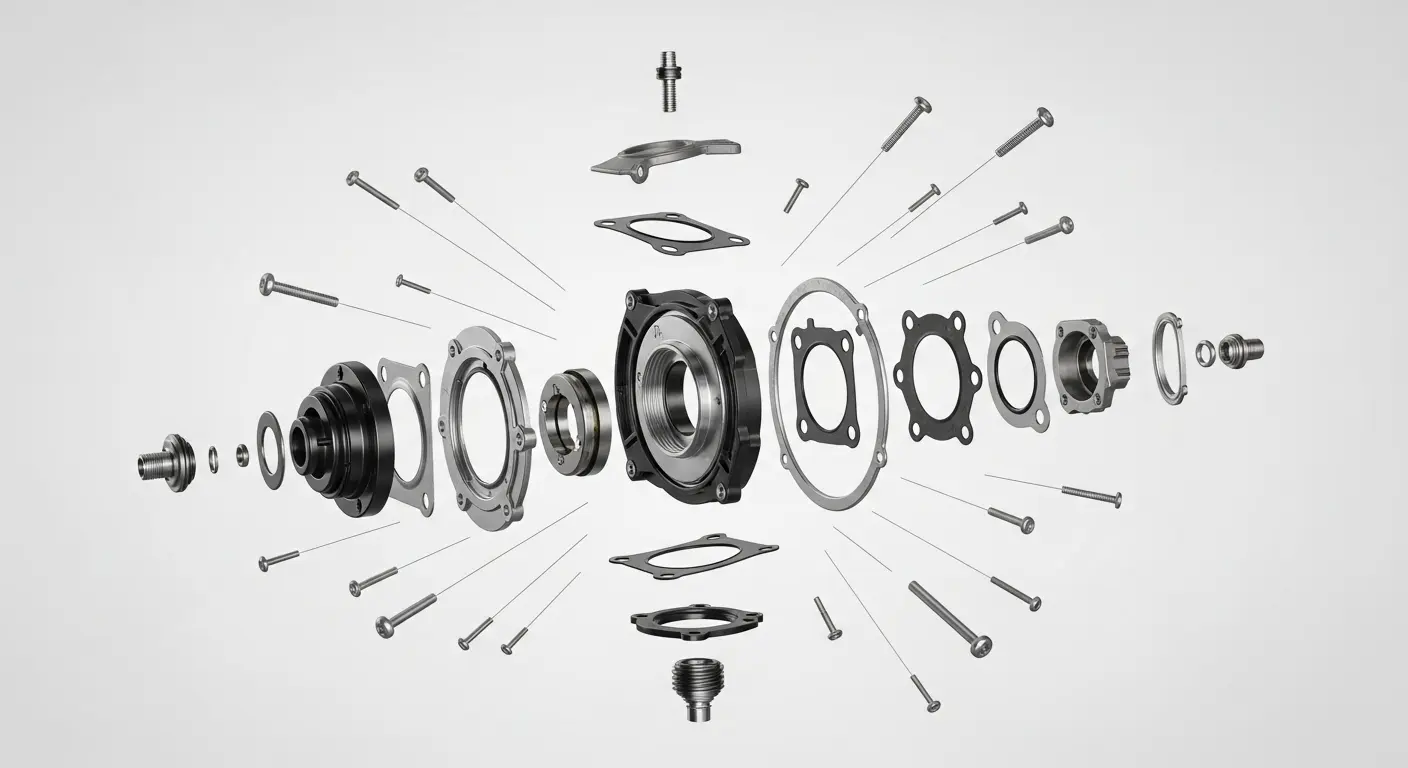
A true turnkey mechanical assembly service is an end-to-end manufacturing solution where one provider handles sourcing, fabrication, assembly, and testing. It transforms a design concept into a finished, market-ready product without the client needing to manage individual sub-suppliers. This model provides a "single point of accountability" for the entire project.
In my years managing production lines, I’ve seen the "old way" fail too often. A client would source a housing from one shop and internal brackets from another. When the parts didn't fit, the suppliers just blamed each other. In a turnkey environment, that friction vanishes. The assembly team identifies fitment issues during the pilot run and corrects them immediately.
Key components of this service include:
- Bill of Materials (BOM) Management: Sourcing every screw, gasket, and PCB.
- Custom Fabrications: Managing specialized processes like custom 2K mold design for multi-material parts.
- Sub-Assembly & Final Integration: Building the internal "guts" before the final enclosure.
- Functional Testing: Ensuring every unit powers on and performs to spec.
- Logistics: Packaging and shipping directly to distribution centers.
How does turnkey assembly reduce manufacturing costs?
Turnkey assembly reduces costs by eliminating the overhead of managing multiple vendors and minimizing shipping expenses between different facilities. Manufacturers save on administrative labor, bulk material purchasing, and reduced scrap rates. By consolidating production, you benefit from "economies of scale" even on mid-sized production runs where every dollar counts.
Many people assume doing it themselves is cheaper. They ignore the "hidden costs." If you ship parts from three different states to your warehouse for assembly, you pay for shipping three times. You also pay for the floor space to store those parts.
| Cost Category | Traditional Multi-Vendor | Turnkey Assembly |
| Shipping Fees | High (Multiple Legs) | Low (Single Location) |
| Admin Labor | 40-60 Hours/Month | <5 Hours/Month |
| Inventory Holding | High Buffer Required | Just-in-Time |
| Quality Rejects | Higher (Vendor Conflict) | Lower (Unified QC) |
[ndustry studies show that turnkey integration can reduce total cost of ownership (TCO) by 15% to 22%].
Why is speed-to-market faster with integrated assembly?
Integrated assembly accelerates speed-to-market by removing the "wait time" between different manufacturing stages. When the molding, machining, and assembly happen in the same ecosystem, feedback loops are instantaneous. This eliminates weeks of transit time and prevents the production delays typically caused by one late sub-vendor stalling the entire line.
Consider a project requiring overmolded TPE to ABS. If the TPE supplier is separate from the assembly house, a minor tolerance shift can stop production for ten days. In a turnkey setup, the assembly lead walks across the hall to the molding lead, and the adjustment happens in hours.
Tip: Use a turnkey provider that owns their tooling. This ensures that any mechanical adjustments needed for better fitment during assembly can be made to the molds immediately.
What are the quality control advantages of a single-source provider?
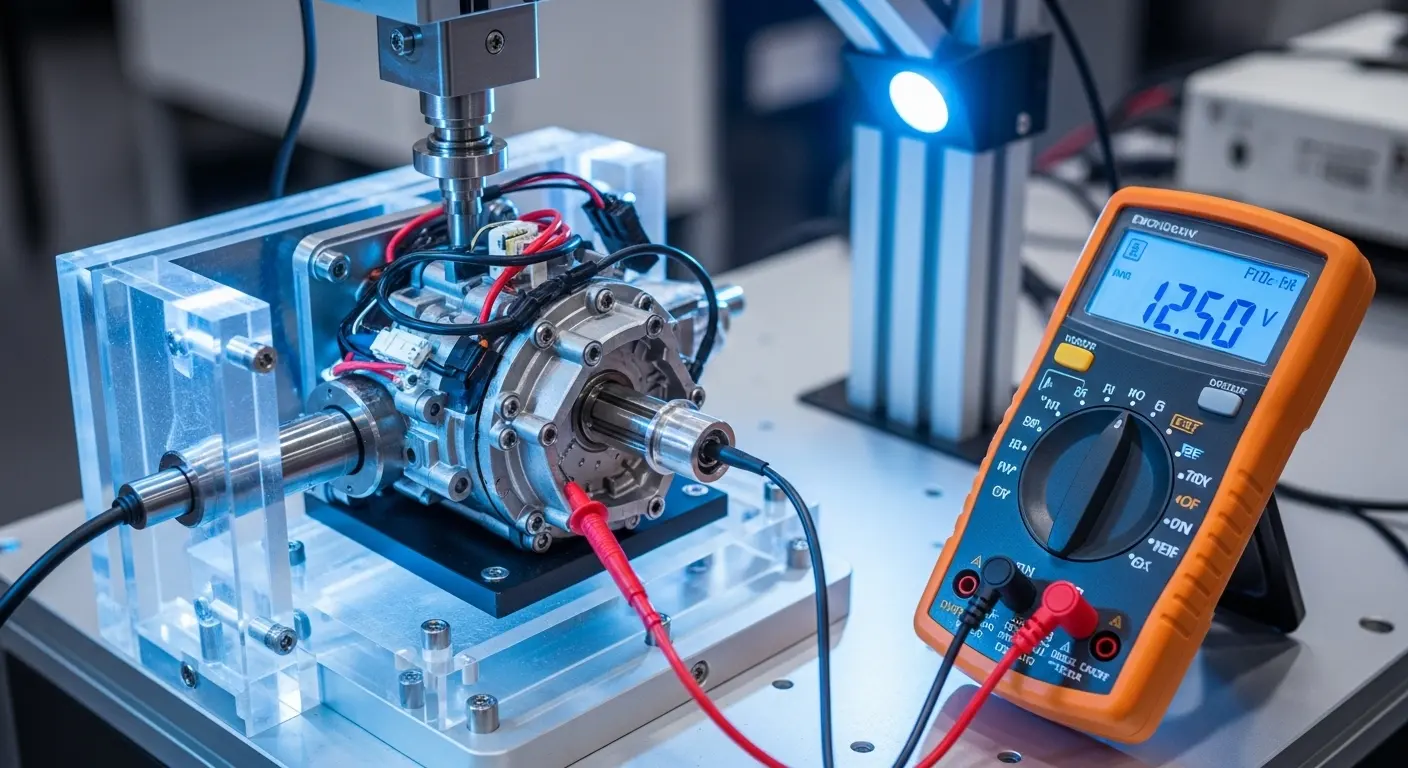
The primary quality advantage is "Closed-Loop Accountability," where a single entity is responsible for the final product's performance. Because the assembly team knows the end-use of the product, they inspect incoming components with the final assembly in mind. This holistic view catches defects that a component-only supplier would likely overlook.
When working with a China overmolding factory, for example, the bond strength between materials is critical for the mechanical assembly's durability. A turnkey partner tests that bond during the assembly process. If you used separate vendors, you might not discover a bonding issue until the product is already in the customer's hands.
- Standardized Inspection: One set of QC criteria for the whole build.
- Traceability: Easier tracking of batch numbers for all internal components.
- Faster Root Cause Analysis: If a unit fails, the team can check the mold, the material, or the assembly technique instantly.
How can turnkey services help with complex product designs?
Turnkey services simplify complex designs by providing DFM (Design for Manufacturing) insights that consider the assembly process, not just individual parts. Expert providers help optimize how components fit together, often suggesting custom overmolding service options to reduce part counts. This results in a more robust product that is easier and cheaper to build.
I once worked on a medical device with 14 internal fasteners. Our assembly team suggested a snap-fit redesign and a single overmolded seal. We cut the assembly time by 40%. A component-only vendor would never have suggested that—they just want to sell you the parts you drew.
Tip: Involve your turnkey partner during the prototyping phase. Their "assembly-first" mindset can eliminate 20% of your parts before you ever cut steel for a mold.
Is turnkey assembly scalable for small and large businesses?
Yes, turnkey assembly is highly scalable because it allows businesses to expand production without investing in their own factory floor or labor force. Small startups use it to appear "big" by leveraging a partner's infrastructure. Large enterprises use it to offload specialized product lines, allowing their internal teams to focus on core R&D and marketing.
For low-volume runs, it saves the cost of expensive assembly jigs. For high-volume runs, it allows for the implementation of dedicated robotic cells. [Insert Data: Flexible manufacturing partnerships allow companies to scale production volume by 300% without adding internal headcount].
FAQs About Turnkey Mechanical Assembly
What is the difference between turnkey and contract manufacturing?
Contract manufacturing is a broad term. Turnkey is a type of contract manufacturing that specifically includes the sourcing of all raw materials and components, meaning the client only provides the design and receives a finished product.
Who owns the tooling in a turnkey agreement?
In almost all professional agreements, the client pays for and owns the tooling (molds, jigs, fixtures). The turnkey provider maintains and stores them for production.
Can I provide some of the components myself?
Yes. This is often called "Kitted" or "Hybrid" assembly. It’s common if you have a proprietary sensor or a specialized chip you want to control, while the provider handles everything else.
How do I protect my Intellectual Property (IP)?
Work with reputable providers who offer formal NDAs and have a track record of protecting client designs. Specialized hubs like Sunon Mould have strict internal protocols to keep your engineering files secure.
Final Thoughts on Choosing a Turnkey Partner
Moving to a turnkey mechanical assembly model is a strategic shift from "buying parts" to "buying a finished solution." It frees your engineering team from the drudgery of supply chain management and lets them focus on innovation. When you find a partner that can handle everything from the initial mold design to the final functional test, you aren't just saving money—you are buying peace of mind.
The goal is a seamless transition from a digital CAD file to a boxed product. By selecting a partner with deep expertise in both plastic injection and complex assembly, you ensure that your product is built to last and priced to compete.
