


Weld Line Phenomena: Complete Guide for Injection Molding
Weld lines are a major defect in injection molding and precision manufacturing, which may reduce the integrity of parts. In injection molding, a weld line is an injection molding defect that occurs when two flow fronts of molten resin collide, but do not completely fuse to present a weak or visible line. This phenomenon is critical to the understanding of engineers and manufacturers who may wish to maximize the strength of parts, the surface quality and the overall production efficiency. Weld lines may form in any thermoplastics and components such as car body parts and enclosures of consumer electronics may be impacted.
What Is a Weld Line?
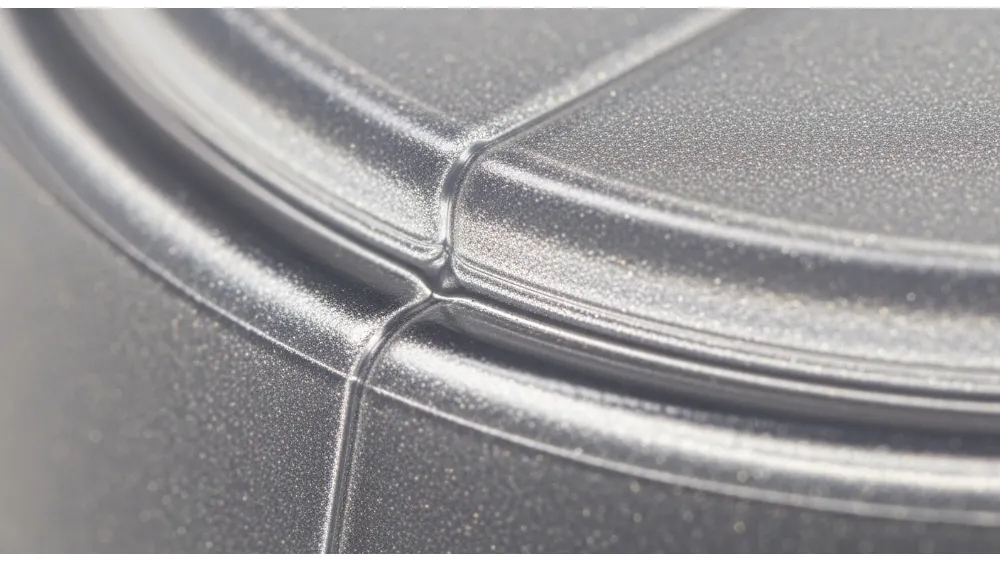
A weld line is a structural flaw which is manifested as a line or seam on molded components. It forms when the stream of molten plastic masses collides and forms without proper bonding of the molecules. Such lines can compromise the part, lessen aesthetics and even in some cases fail to sustain mechanical stress. In highly geometrical injection molding, it is nearly impossible to avoid weld lines, hence, knowledge and management is of essence in injection molding.
Causes of Weld Lines
There are a number of conditions leading to the formation of weld lines. Improper fusion may be caused by temperature variations in the mold, insufficient injection pressure and inadequate flow of materials. Molten plastic is likely to be forced to separate and rejoin at different orientations by thin walls or sharp transitions in geometry of the cavity. Tooling design and the location of gates are also important because when the gates are not properly located they may establish more than one flow front which may intersect in unfavorable conditions.
Effect on Mechanical Strength
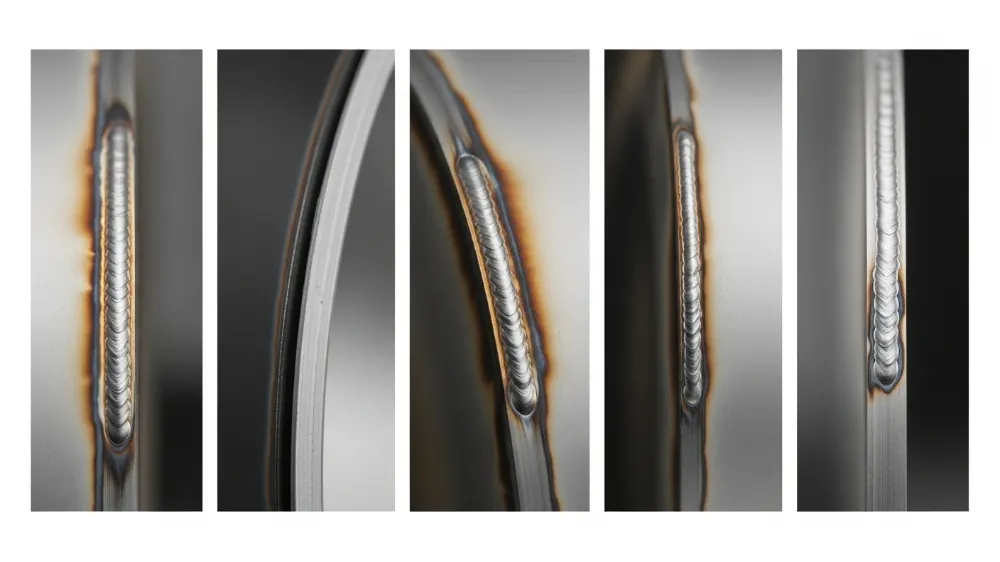
Weld lines tend to decrease the mechanical strength of a component especially tensile and impact strength. Depending on the stress, there is a possibility of a failure of materials along the weld line and it is vital to monitor and control weld lines. Weld lines may form sources of cracks in structural components. In load bearing applications, the presence will have to be taken into account in the design, selection of materials and quality control to observe reliability in the service conditions.
Appearance and Beauty of Surface
In addition to structural issues, weld lines have the potential to alter the surface finish of molded pieces. The visible lines can either be streaks, color variations or small ridges on the exterior part. In consumer-facing products, this may lower the perceived quality and lead to rework or rejection. The cosmetic treatments applied or process modifications used by manufacturers are aimed at reducing the weld lines without compromising the integrity of the structure.
Material Considerations
The kind of thermoplastic will determine the line of weld. Flowable materials are easier to fuse together and eliminate the visibility of the weld lines. On the other hand, very loaded or viscous substances can worsen the flaw. Additives like glass fibers within the polymer can also exhibit weaker bonding at weld lines due to the fact that fibers can have an inhibiting effect on the proper intermingling of the molecular mass. The correct selection of material is therefore a major process of weld line control.
Parameters of Injection Molding That Influence Weld Lines
Weld lines can be greatly minimised by appropriate control of injection molding parameters. Flow behavior depends on factors like melt temperature, injection speed, and mold temperature among others. Further heating of the mold means that the flow front can be kept molten longer to increase fusion. Pressure drops may be minimized by the adjustment of injection speed and enhance uniform filling. These parameters are to be optimized with special attention to part geometry and material properties.
Mold and Tooling Design Strategies
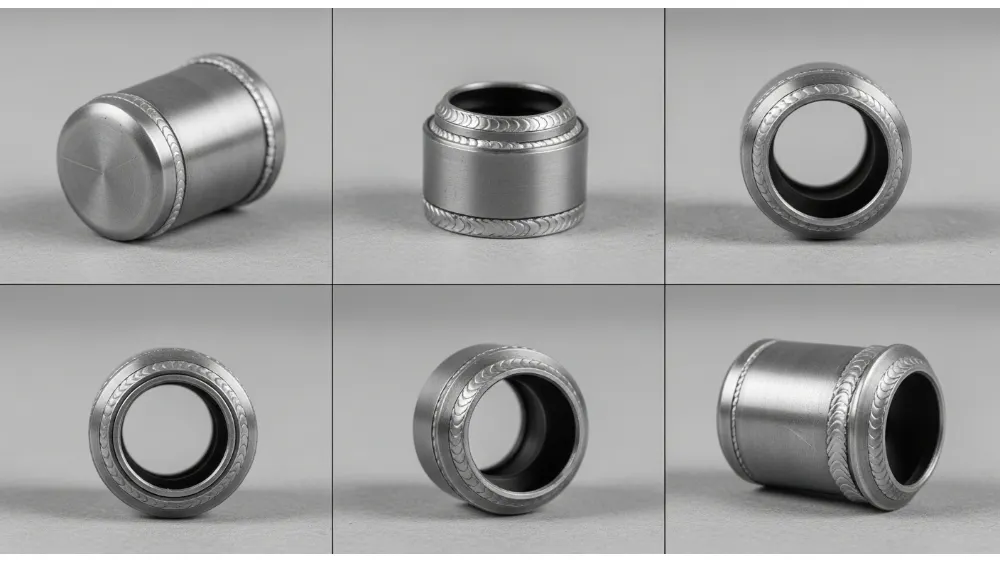
Control of weld lines is very important regarding tooling design. The location of the gates must promote even filling and reduce the regions where individual flow fronts are in contact. Gates and runners have to be placed in a way that facilitates movement. In complicated components, it is possible to use several gates at strategic locations to minimize the chances of weld line development. Mold surface finishes, venting, and stream path design will all help the fact of better fusion at weld fronts.
Detection and Inspection
Weld lines can be observed visually, by use of a microscope or by non-destructive testing. There are also some weld lines that are delicate and must be carefully lit or magnified. In the structural parts, the line testing can measure the strength loss through mechanical testing. Early detection also enables manufacturers to modify parameters or redesign tooling during early design before defects and scrap occur on large scale production.
Methods of Reducing Weld Lines
Weld lines can be reduced by several strategies. Fusion can be improved by raising the injection pressure or increasing the melting temperature. External heating like localized heating of molds is also used to sustain flow of the plastic at the weld front. Bonding is also enhanced by the use of materials with a superior flowability or reduced viscosity. In certain instances the solution that is most effective is the redesign of the part to prevent the abrupt front collisions in the flow.
Industrial Applications Practical Uses
Weld lines may be evident in the instrument panels, bumper or engine covers within the automotive industry. Manufacturers are very keen in the location and temperature profiles of gates to prevent weakening of these very important components. In electronics, aesthetics weld lines could be displayed when housing parts used to act as a device are not optimised. The management of weld lines is also done with care in even the small industrial parts such as fittings or valves to provide uniform performance.
Cost Implications
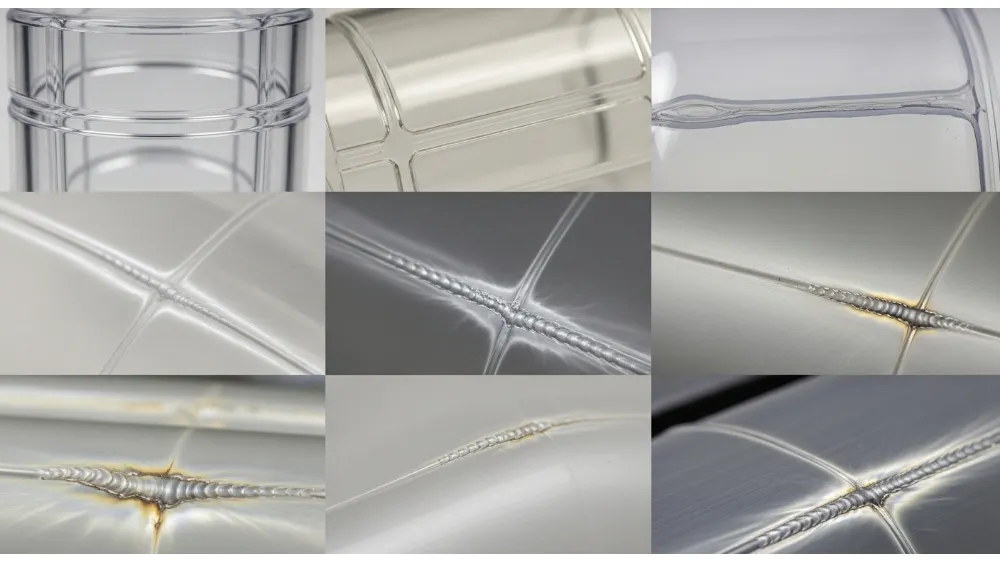
Weld lines may add costs to production as they may require scrap, rework or finish. Lines with low bond strength can result in warranty or product failure. The manufacturers minimize the effect of weld lines by investing in the optimization of processes, tooling design, and material selection, ensuring high-quality standards, which saves money in the long-term perspective.
Advanced Solutions
Simulation software is one of the modern technologies that enable engineers to forecast the location and behaviour of weld lines prior to physical production. This allows gates to be apportioned, moulds to be formed and process conditions to be altered in advance. Moreover, the flow fronts can be controlled more accurately with sophisticated injection molding methods like sequential valve gating, minimizing the weld line formation in high stakes.
Errors in Weld Line Management
- Negligence of material flow properties
- Improper use of gate locations
- Inability to vary melt or mold temperature
- Ignoring the impact of geometry effects
- Failure to inspect weld lines in the quality control
The prevention of these errors will guarantee the improved integrity of parts and minimize the production inefficiency.
Frequently Asked Questions (FAQ)
Q1: What is specifically a weld line in injection molding?
A weld line refers to a seam or line on a molded part where two fronts of flowing melting plastic meet but not completely fuse.
Q2: Why are weld lines considered defects?
They can compromise the part, reduce surface quality, and in severe cases cause mechanical failure.
Q3: Can weld lines be completely prevented?
Not always. Proper design, material choice, and process control can minimize weld lines, but some complex parts may still have minor lines.
Q4: How does material choice affect weld lines?
Materials with high flowability fuse more easily, while highly filled or viscous materials can create more visible weld lines.
Q5: How are weld lines inspected?
Weld lines can be identified by visual inspection, magnification, mechanical testing, or non-destructive testing.
Q6: How can manufacturing processes reduce weld lines?
By adjusting melt and mold temperatures, injection speed, gate placement, and part design to improve flow front fusion.
Q7: Do weld lines affect surface appearance?
Yes. They can cause streaks, color differences, or ridges, impacting the final product’s aesthetics.
Q8: Are weld lines critical in some industries?
Yes. They are particularly important in automotive, aerospace, and other industries where structural integrity is essential.
Conclusion
Knowledge and control of the weld lines in injection molding play a crucial role in manufacture of quality and durable parts. The manufacturers could decrease their occurrence and minimize adverse outcomes by paying appropriate attention to the material choice, mold design, injection parameters, and inspection guidelines. Further improved tools of simulations and process optimization strategies also improve the quality of parts, reliability, and efficiency and weld line management can be considered an inseparable component of modern manufacturing.
