


When to Use Two-Shot Molding in Product Design
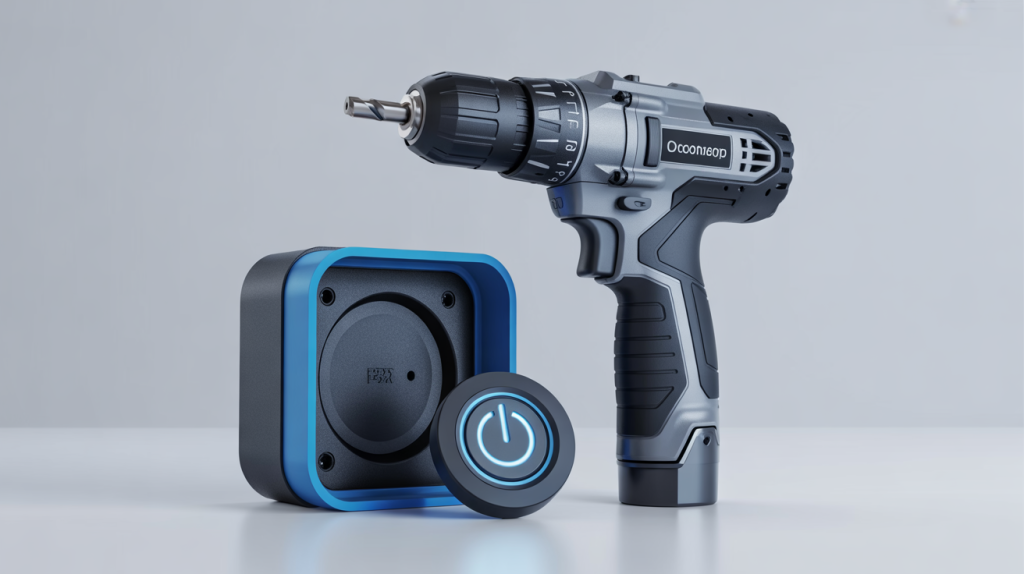
Two-shot molding is a transformative manufacturing technology that allows product designers to create complex, multi-material parts with unparalleled efficiency and precision. It is used in product design when you need to combine different material properties—like a rigid structure with a soft grip, create a permanent waterproof seal, or add durable, multi-color branding—all within a single manufacturing cycle. This makes it the ideal process for the high-volume production of sophisticated parts in the automotive, medical, and consumer electronics industries.
Key Takeaways: When to Use 2K Molding
- For Ergonomics: Add soft, comfortable, and non-slip grips to rigid parts for better handling and a premium feel.
- For Sealing: Create integrated, permanent gaskets for waterproof or airtight enclosures, eliminating a common point of failure.
- For Aesthetics: Mold durable, multi-color logos, text, and graphics that will never wear off, peel, or fade.
- For Efficiency: Eliminate costly and slow manual assembly steps required for multi-material components.
What Is Two-Shot (2K) Molding? A Quick Recap
Two-shot (or 2K) molding is an advanced injection molding process that creates a component from two different polymers in a single machine cycle. The process uses a highly specialized mold and a machine with two independent injection units. After the first material (the substrate) is injected, the mold rotates or shifts, and the second material is injected over the first. Because the two materials are joined at optimal temperatures, they form a powerful molecular bond. This results in a durable, seamlessly integrated part without the need for secondary assembly. For a detailed breakdown of the mechanics, read our comprehensive guide on 2K injection molding.
The Core Principle: Key Indicators for Using Two-Shot Molding
You should consider two-shot molding when your design goals fall into one of four main categories: combining material properties, creating integrated seals, incorporating complex aesthetics, or optimizing for high-volume production. If your project involves any of these requirements, 2K molding is likely the most effective manufacturing solution.
Here are the key indicators that it's the right choice:
- Combining Material Properties: This is the most common driver. The process excels at combining a rigid, structural polymer with a soft, flexible thermoplastic elastomer (TPE). This allows you to design a part with a strong core and a comfortable, non-slip exterior, all in one piece.
- Creating Integrated Seals: When a part must be waterproof, airtight, or protect against dust, 2K molding is a superior solution. It allows you to mold a flexible gasket directly onto a rigid housing, creating a permanent, reliable seal that eliminates the risk of a separate O-ring being installed incorrectly or degrading over time.
- Complex, Durable Aesthetics: If you need multi-color designs, backlit buttons with an opaque covering, or text and logos that are physically part of the component, 2K molding is the answer. The graphics are molded-in, making them impossible to scratch off or wear away, unlike paint, pads, or labels.
- Optimizing for High-Volume Production: When producing parts at scale (typically over 100,000 units), the efficiency of 2K molding is unmatched. While tooling is a significant investment, the lightning-fast cycle times and elimination of manual labor drastically lower the per-part cost, making it far more economical than overmolding or manual assembly in the long run.
Key Use Cases for Two-Shot Molding by Function
The most powerful way to understand 2K molding's potential is to look at the specific engineering problems it solves. By grouping applications by their function, you can quickly see how this process can be applied to your own design challenges.
Use Case 1: Superior Ergonomics and Grip (Soft-Touch Surfaces)
- The Problem It Solves: Standard hard plastics can be slippery, uncomfortable to hold for long periods, and can feel cheap. For many products, a secure, comfortable grip is essential for both safety and user satisfaction.
- The 2K Solution: Two-shot molding allows you to bond a soft, rubber-like material, such as TPE or silicone, directly onto a rigid structural frame. This creates a seamless, comfortable, and non-slip surface that feels like a single, high-quality component. Because the bond is molecular, the soft grip will never peel, slip, or separate from the body, even under heavy use.
- Real-World Examples:
- Power Tools: Cordless drill handles with integrated rubber grips for secure handling on a job site.
- Personal Care: Toothbrush and razor handles with soft, ergonomic grips for better control and comfort.
- Consumer Electronics: Camera bodies with textured TPE grips, and soft-touch buttons on remote controls.
- Automotive Interiors: Knobs, dials, and console buttons with a premium, non-slip feel.
Use Case 2: Integrated Sealing and Gasketing
- The Problem It Solves: Protecting sensitive electronics or internal components from water, dust, and other contaminants is a major design challenge. Traditional methods use separate, manually installed O-rings or gaskets, which can be pinched, installed incorrectly, or degrade over time, creating a potential point of failure.
- The 2K Solution: Two-shot molding lets you create a permanent, integrated gasket by molding a flexible, sealing material directly into a groove on the rigid housing. This forms a perfect, one-piece seal that is highly reliable and eliminates the time, cost, and risk associated with manual assembly.
- Real-World Examples:
- Automotive: Weather-proof electrical connectors and sensor housings that must survive for years under the hood.
- Outdoor Electronics: Watertight enclosures for GPS units, outdoor lighting, and environmental sensors.
- Wearable Technology: Smartwatch casings with an integrated seal to achieve IP67/68 water resistance ratings.
- Medical Devices: Housings for diagnostic equipment that require a reliable seal to protect internal electronics during cleaning or sterilization.
Use Case 3: Durable, Multi-Color Aesthetics and Branding
- The Problem It Solves: Surface-level branding, like paint, printing, or labels, can easily be scratched, chipped, or worn away, cheapening the product's appearance over its lifespan. For buttons with backlit icons, a durable and light-blocking solution is required.
- The 2K Solution: This process allows you to mold colors and graphics directly into the part itself. A logo, icon, or letter is a solid piece of colored plastic, bonded permanently to the main body. For backlit applications, you can mold an opaque layer over a translucent one, with the icon remaining clear.
- Real-World Examples:
- Keyboards & Controls: High-end keyboard keys where the letters will never fade, and backlit buttons in a car's interior.
- Corporate Branding: Company logos molded directly into the housing of an electronic device for a premium, permanent mark.
- Safety Indicators: Red emergency stop buttons where the color is the material itself, not a layer of paint.
Use Case 4: Vibration Dampening and Noise Reduction (NVH)
- The Problem It Solves: In vehicles and industrial machinery, vibrations can cause noise, premature wear, and damage to sensitive components. Isolating these vibrations is crucial for performance and longevity.
- The 2K Solution: You can strategically mold soft, vibration-absorbing materials onto rigid mounting points or brackets. This creates an integrated dampening component that is more durable and compact than a separate rubber bushing, effectively reducing noise, vibration, and harshness (NVH).
- Real-World Examples:
- Automotive: Suspension components and engine mounts with integrated bushings.
- Industrial Equipment: Protective feet and mounts for small motors or pumps to isolate them from the main chassis.
- Electronics: Grommets molded into a housing to protect internal circuit boards from shock and vibration.
Is Two-Shot Molding Right for Your Project? A Decision Checklist
Use this quick checklist to determine if two-shot molding is a strong candidate for your part. The more questions you answer with "yes," the more likely it is that 2K molding is the most effective manufacturing solution for your needs.
- Multi-Material Requirement: Does your part's design require two different rigid or flexible plastic materials to be permanently bonded together?
- (Yes / No)
- High Production Volume: Is the anticipated production volume for this part high, likely exceeding 100,000 units over its lifespan?
- (Yes / No)
- Sealing and Ingress Protection: Is a permanent, leak-proof, or airtight seal a critical design requirement to protect against water, dust, or other elements?
- (Yes / No)
- Assembly Simplification: Is reducing complex assembly steps, minimizing labor costs, and improving production speed a primary business goal?
- (Yes / No)
- Enhanced Ergonomics: Does the product's function or value depend on having a comfortable, non-slip, or soft-touch surface for the user?
- (Yes / No)
- Durable Aesthetics: Does the design include graphics, logos, or text that must remain intact and resist wear for the entire life of the product?
- (Yes / No)
If you answered "Yes" to two or more of these questions, exploring the benefits of the 2K molding process is a logical and potentially very valuable next step for your project.
Mini-FAQ
The primary difference lies in the process and the bond. Two-shot molding creates a powerful chemical bond in a single, automated machine cycle, making it ideal for high-volume production. Overmolding is a two-step process that typically creates a mechanical bond and is better suited for lower volumes, prototyping, and applications where a chemical bond isn't necessary.
No, two-shot molding is a plastic-on-plastic process designed to bond two compatible polymers. The process of molding plastic onto a metal component is known as insert molding, which is technically a type of overmolding and follows a different manufacturing approach.
It improves quality in several ways. First, the molecular bond is far more reliable and durable than glued or assembled parts. Second, it enables superior sealing against environmental factors. Third, it produces a more refined, seamless finish with no gaps or misalignments. Finally, the highly automated process reduces the potential for human error found in manual assembly, leading to greater consistency from part to part.
Conclusion
Two-shot molding is more than just a manufacturing process; it's a powerful design tool. When leveraged correctly, it allows engineers and designers to create innovative products that are more durable, functional, and user-friendly. It is the go-to solution when you need to solve complex challenges related to ergonomics, sealing, aesthetics, or manufacturing efficiency at scale.
By understanding these core use cases, your design team can unlock new possibilities for product performance and longevity. At Sunon Mould, our engineering team specializes in helping clients determine if the powerful benefits of two-shot molding align with their product goals. By considering the process early in the design phase, you can maximize its potential to create a truly superior product.
