


Chemical Resistant Silicone Components for Harsh Environments: The 2026 Engineering Guide
Chemical resistant silicone components are specialized elastomers designed to maintain their physical and mechanical properties when exposed to aggressive reagents, extreme temperatures, and environmental stressors. In modern industrial applications, these components serve as critical seals, gaskets, and connectors that prevent system failure in high-stakes environments.
What you will control with this guide:
- Material Selection: Differentiate between standard VMQ and high-performance Fluorosilicone.
- Chemical Compatibility: Identify which specific acids, bases, and solvents silicone can withstand.
- Design Precision: Optimize part geometry for high-durability manufacturing.
- Cost Efficiency: Determine when to use standard grades versus premium chemical-resistant polymers.
The Science of Resistance: Why Silicone Survives Harsh Environments
Silicone's resilience is rooted in its unique molecular structure. Unlike organic rubbers that possess a Carbon-Carbon (C-C) backbone, silicone is built on a Siloxane (Si-O) backbone. This inorganic chain is significantly stronger and more stable, allowing it to resist oxidation and thermal degradation that would typically cause other elastomers to become brittle or melt.
In harsh environments, silicone maintains its flexibility across a staggering temperature range, typically from -115°C to 300°C (needs verification for specific extreme grades). This thermal stability ensures that seals do not lose their "compression set"—the ability to spring back and maintain a seal—even after years of thermal cycling.
Common Mistakes to Avoid:
- Assuming All Silicones are Equal: Standard silicone is excellent for UV and ozone but will swell rapidly if exposed to concentrated fuels.
- Ignoring Mechanical Stress: A component under high tension will fail chemically much faster than one in a relaxed state.
Silicone vs. Fluorosilicone (FVMQ): Choosing the Right Grade
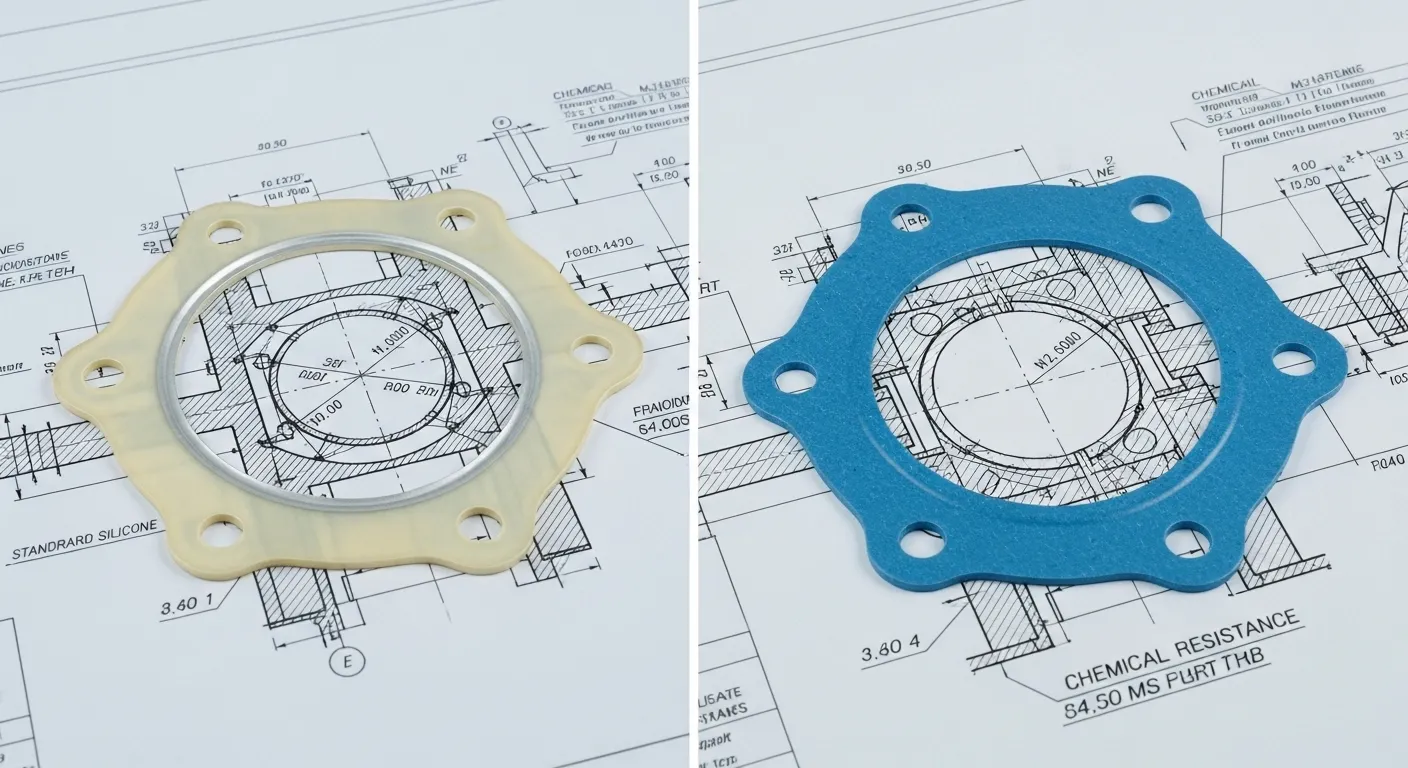
Selecting the right grade is the most significant factor in part longevity and project cost. While standard silicone (VMQ) is the "workhorse" of the industry, Fluorosilicone (FVMQ) is the specialist for chemical extremes.
| Feature | Standard Silicone (VMQ) | Fluorosilicone (FVMQ) |
| Primary Strength | Thermal range, UV resistance | Fuel and solvent resistance |
| Oil Resistance | Poor (swells in petroleum) | Excellent |
| Temperature Range | -60°C to 230°C | -60°C to 200°C |
| Typical Cost | Moderate | High (approx. 5-10x VMQ) |
When to Upgrade: If your component will have direct, prolonged contact with jet fuel, automotive gasoline, or aggressive mineral oils, Fluorosilicone is mandatory. For medical sterilization or high-heat air seals, standard silicone is usually sufficient.
Chemical Compatibility Matrix: Acids, Bases, and Solvents
Engineering for 2026 requires precise data on how materials react to specific industrial chemicals. Silicone exhibits a "selective" resistance profile.
High Resistance (Safe):
- Dilute Acids: Acetic acid, citric acid.
- Alcohols: Isopropyl and Ethyl alcohol (ideal for medical sterilization).
- Bases: Sodium Hydroxide (dilute).
- Oxidizers: Ozone and high-intensity UV.
Low Resistance (Danger Zone):
- Concentrated Mineral Acids: Sulfuric or Nitric acid.
- Aromatic Hydrocarbons: Benzene, Toluene.
- Petroleum Fuels: Standard gasoline and diesel.
Custom Manufacturing for Harsh Environments: Beyond the Material
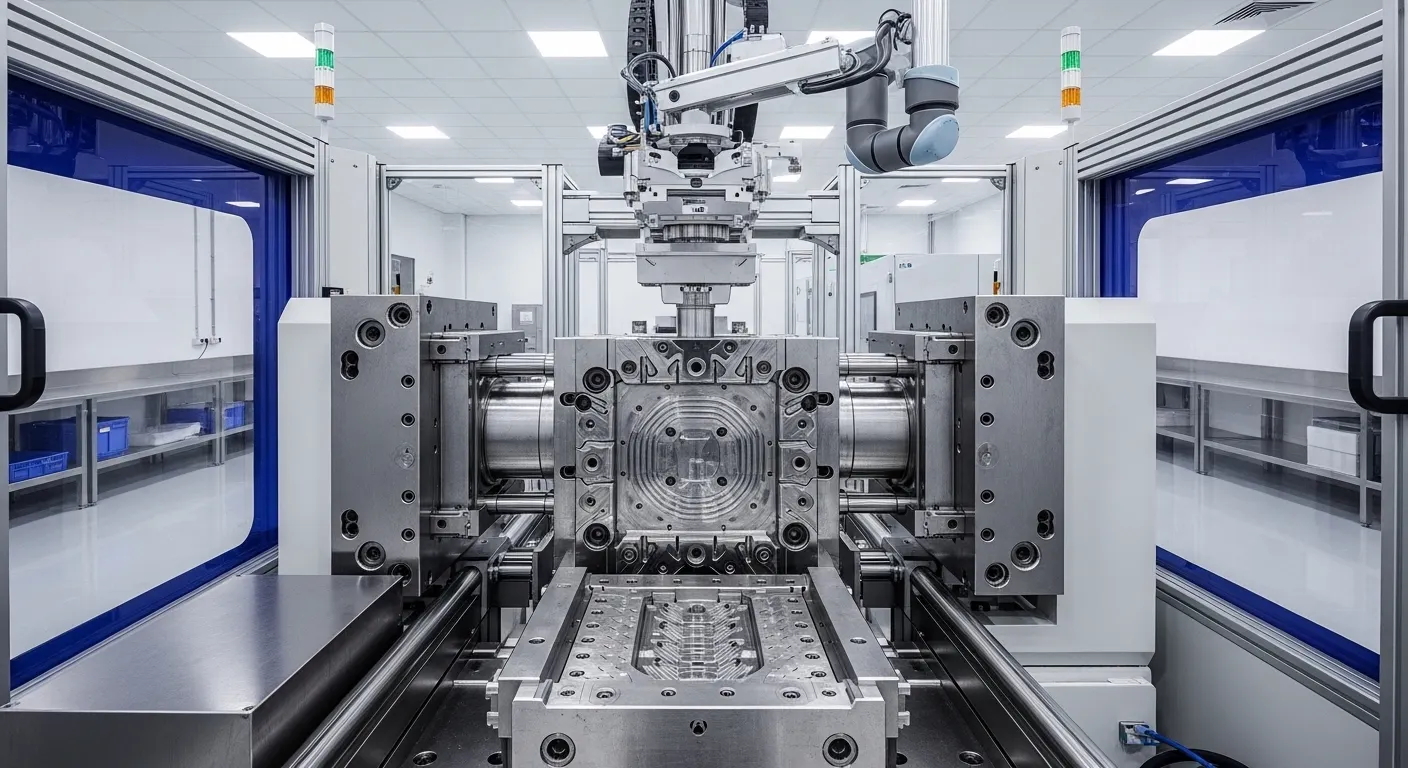
The best material will fail if the manufacturing process creates internal stresses. At SunOn Industrial Group, we focus on Design for Manufacturing (DFM) to ensure that the physical shape of the component supports its chemical resistance.
For many projects, engineers require flexible silicone parts for dynamic applications where the component must withstand both chemical exposure and constant mechanical movement. In these cases, Liquid Silicone Rubber (LSR) injection molding is preferred over compression molding because it offers tighter tolerances and reduced risk of air entrapment, which can lead to localized chemical attack.
Manufacturing Best Practices:
- Radius Edges: Avoid sharp internal corners where chemicals can pool and degrade the material.
- Post-Curing: Always post-cure chemical-resistant parts to drive off volatiles and stabilize the polymer cross-links.
- T1 Sampling: Use initial mold trials to test part "swell" in the actual target chemical before mass production.
Industry-Specific Applications for 2026
Automotive & EV Battery Cooling
As EV battery tech advances, silicone hoses and seals must resist specialized glycols and dielectric fluids at higher pressures. Silicone’s ability to remain stable under high-voltage conditions makes it the primary choice for 2026 battery enclosures.
Medical & Healthcare
Medical components must resist harsh "wipe-down" chemicals and repeated autoclave cycles. USP Class VI silicone is the standard here, ensuring no chemicals leach from the component into the patient environment.
Aerospace & Defense
Aerospace seals face a dual threat: extreme cold at altitude and exposure to hydraulic fluids (Skydrol). Fluorosilicone remains the industry standard for these high-criticality flight components.
Frequently Asked Questions (FAQ)
Concentrated mineral acids (like sulfuric acid), aromatic hydrocarbons (benzene), and high-pressure steam over 120°C are the most common causes of rapid silicone degradation.
It depends on the chemical. Silicone is superior for oils and high temperatures, while EPDM is often better for phosphate-ester hydraulic fluids and polar solvents.
Higher temperatures accelerate chemical reactions. A chemical that is "safe" at room temperature may cause silicone to swell or disintegrate at 100°C.
Standard silicone cannot be used for gasoline as it will swell and lose shape. You must use Fluorosilicone (FVMQ) for any application involving petroleum-based fuels.
Silicone has an exceptional shelf life, often exceeding 20 years if stored away from direct UV and extreme heat, making it more durable than most organic rubbers.
Generally, no. However, certain pigments can react with specific aggressive chemicals. For high-purity or ultra-harsh environments, "natural" (uncolored) silicone is recommended.
Conclusion
Successfully deploying chemical resistant silicone components in 2026 requires a balance of material science, precise molding, and a deep understanding of the operating environment. By selecting the correct grade—whether VMQ or FVMQ—and optimizing your design for manufacturing, you can ensure long-term reliability in even the harshest industrial settings.
