


Injection Molding for Medical Devices: Material and Design Guide
Designing a high-precision plastic injection mold for medical devices and consumer electronics requires a meticulous balance of regulatory compliance, material science, and advanced engineering. Whether you are developing a handheld diagnostic tool or a complex surgical instrument, the manufacturing process must guarantee absolute repeatability and sterilization compatibility. This guide explores how to navigate the complexities of medical-grade molding to ensure your product moves seamlessly from a digital concept to a life-saving reality.
What is a Plastic Injection Mold for Medical Devices?
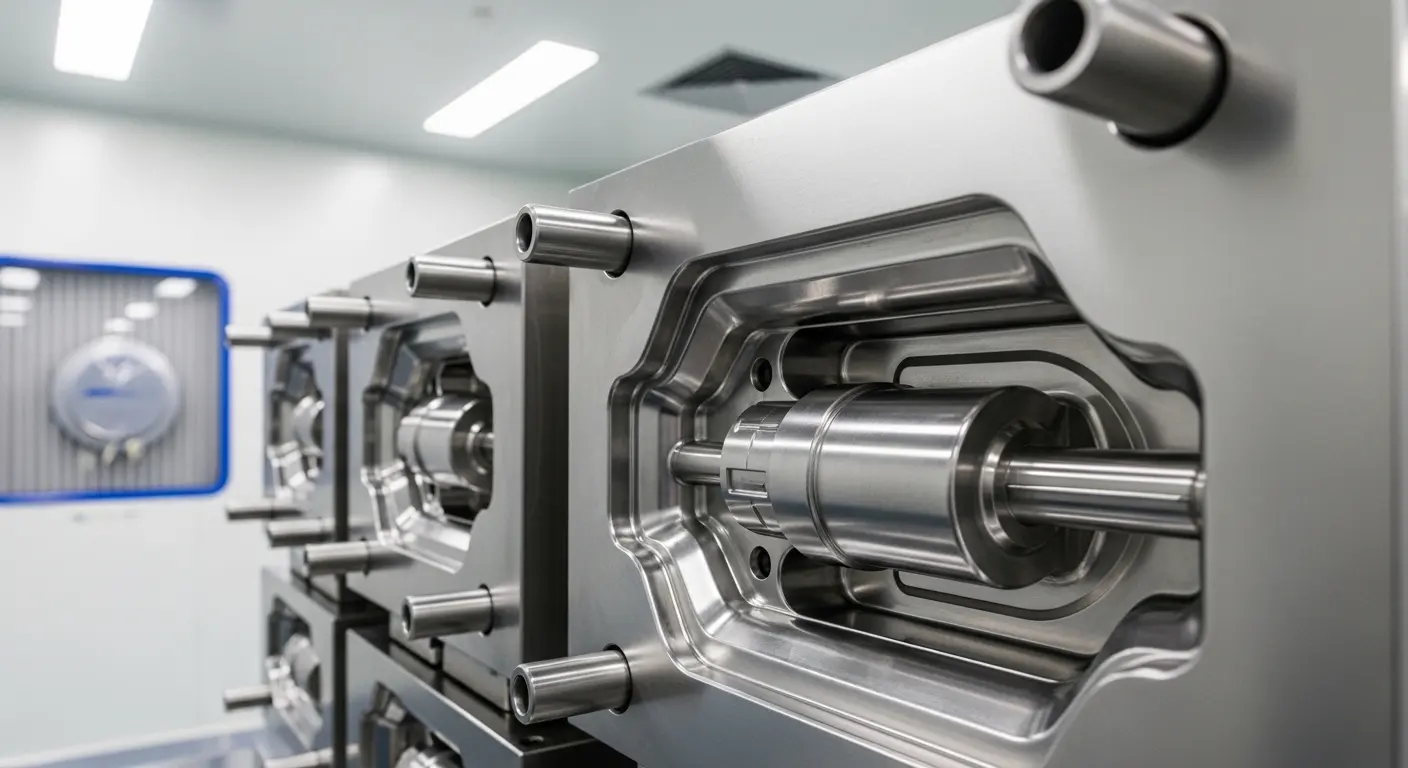
A plastic injection mold for medical devices is a specialized tool engineered to produce high-precision, biocompatible parts that meet strict FDA and ISO standards. Unlike standard molding, these tools often require stainless steel construction to withstand cleanroom environments and high-temperature resins. They are designed for zero-defect production to ensure patient safety in critical healthcare applications.
In my years managing plastic injection molding projects, I've seen that the stakes in medical manufacturing are uniquely high. One minor flaw in a ventilator valve or a syringe housing isn't just a quality issue—it's a safety hazard. This is why medical molds often involve "Class 101" tooling, built to run millions of cycles with virtually no dimensional drift. I once worked on a blood analysis cartridge where a 0.05mm variance in a fluid channel caused the entire diagnostic test to fail. That experience taught me that in the medical world, precision is the only metric that matters.
Why is Material Selection Critical for Medical Molding?
Material selection is critical because medical parts must be biocompatible, chemically resistant, and capable of withstanding rigorous sterilization processes like autoclaving or gamma radiation. Common choices include medical-grade Polycarbonate (PC), PEEK, and specialized Silicones. These materials are tested to ensure they do not leach harmful chemicals or degrade when in contact with human tissue or harsh cleaning agents.
Choosing the right resin is the foundation of a successful medical device. If the material cannot handle the thermal stress of an autoclave, the device is useless in a hospital setting.
| Material | Key Properties | Common Medical Application |
| PEEK | High heat resistance, bone-like modulus | Spinal cages, orthopedic implants |
| Polycarbonate (PC) | Impact resistance, optical clarity | Dialysis filters, surgical tool housings |
| Polypropylene (PP) | Chemical resistance, hinge properties | Syringe barrels, lab containers |
| Silicone (LSR) | Flexibility, biocompatibility | Catheters, seals, gaskets |
| ABS | Rigidity, ease of processing | Handheld diagnostic devices |
How does 2K Injection Molding enhance medical devices?
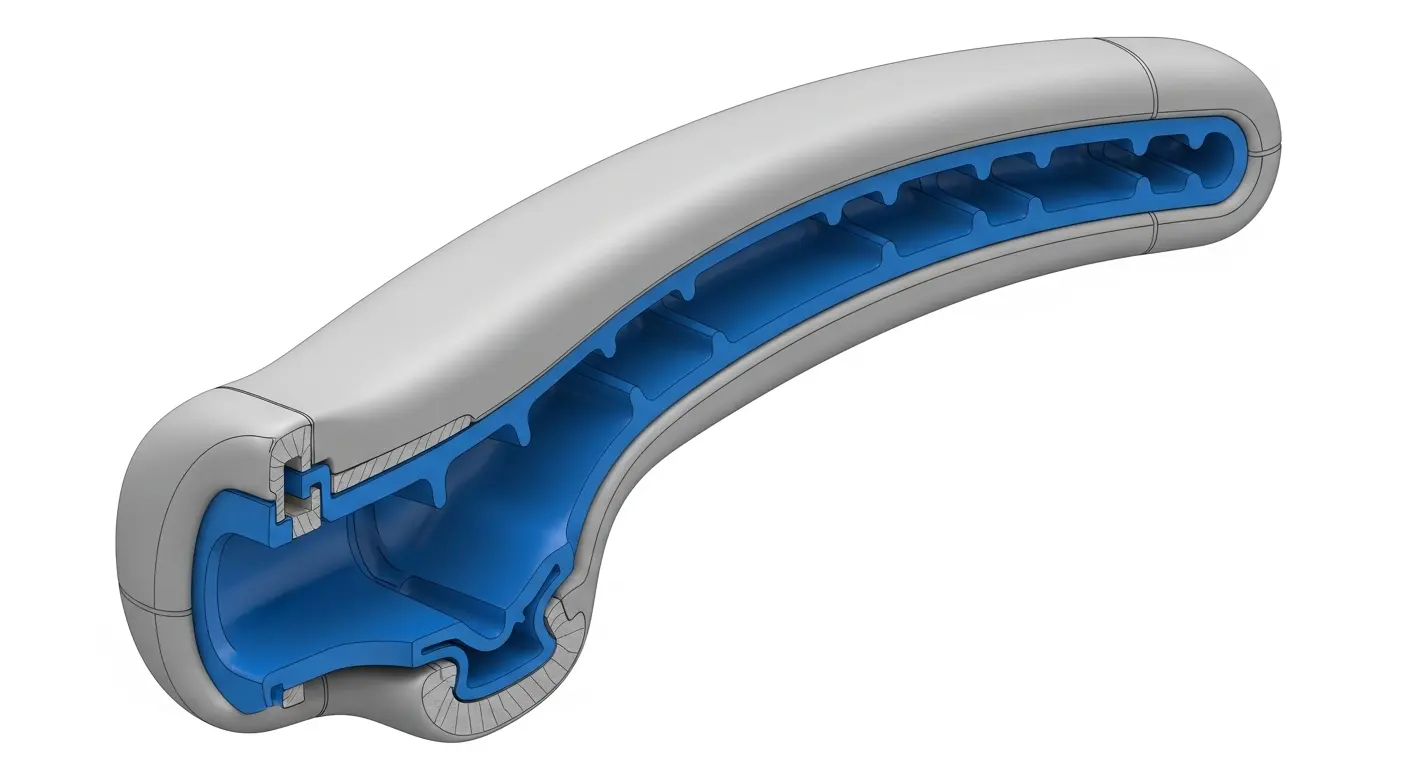
Many modern medical tools require a mix of rigid and soft materials. By utilizing a 2K injection molding guide, engineers can create a device with a hard internal structure and a soft-touch, ergonomic grip in a single process. This eliminates the need for adhesives, which are often a point of failure or contamination in medical environments.
How to Optimize Part Design for Medical Compliance?
Optimizing part design for medical compliance involves implementing uniform wall thicknesses, generous draft angles, and rounded corners to prevent bacterial traps. Designers must follow a specific 2K injection molding part design philosophy that prioritizes ease of cleaning and structural integrity while ensuring the part can be ejected from the mold without deformation.
Tip: Always design for "cleanability." Avoid deep, narrow crevices where bioburden can accumulate. If a part cannot be easily sterilized, it will likely fail regulatory audits.
The Role of Draft Angles and Surface Finish
For medical devices, surface finish isn't just about looks. A smooth, SPI-A1 finish can reduce the friction of moving parts in a syringe and make it easier to detect surface contaminants. To achieve this high-gloss finish, you must incorporate draft angles of at least 1.5 to 2 degrees to allow the part to exit the mold without scuffing the polished steel.
What are the Benefits of 2K Injection Molding for Healthcare?
The primary 2k injection molding process benefits for healthcare include the reduction of assembly steps, improved seal integrity, and enhanced user ergonomics. By molding two materials—such as a rigid housing and a soft gasket—simultaneously, you create a chemical bond that is far superior to manual assembly, reducing the risk of fluid leaks in life-critical devices.
Using 2K injection molding methods like "transfer molding" or "rotary table molding" allows for complex, multi-functional parts to be produced in high volumes. This is particularly useful for consumer electronics in the medical space, such as smart inhalers or wearable heart monitors, where comfort and durability are paramount.
How do FDA Regulations Impact Mold Design?
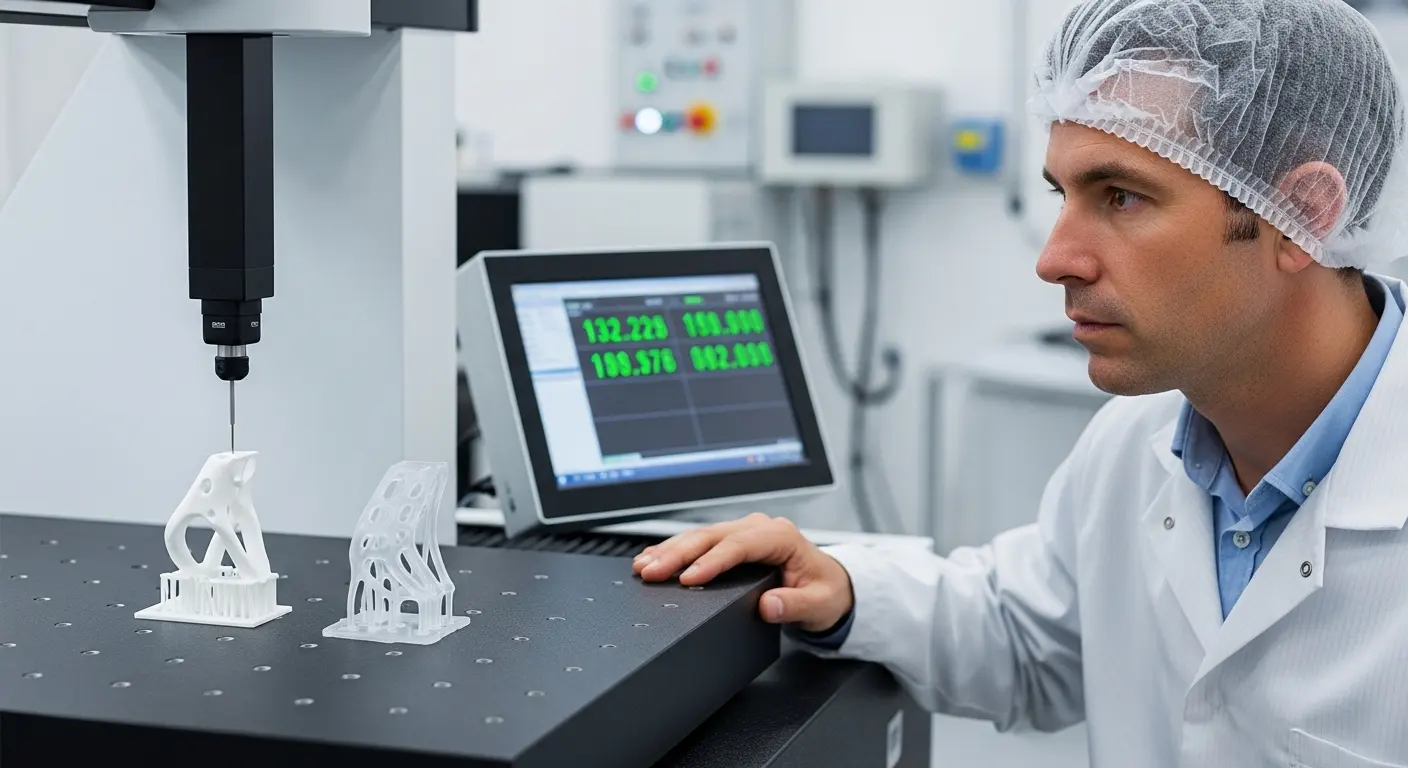
FDA regulations impact mold design by requiring comprehensive process validation, including IQ (Installation Qualification), OQ (Operational Qualification), and PQ (Performance Qualification). Every aspect of the molding environment—from the air quality in the cleanroom to the temperature of the cooling water—must be documented and controlled to ensure every part produced is identical to the validated prototype.
When a manufacturer builds a plastic injection mold for medical devices, they aren't just selling a piece of steel. They are selling a validated process. You must prove that if you run the mold today and again in six months, the parts will be within the same [data: +/- 0.01mm] tolerance.
Documentation and Traceability
In the event of a field failure, the FDA requires a "paper trail." This includes:
- Material Certifications: Proving the resin is virgin and medical-grade.
- Cycle Data Logs: Showing the injection pressure and cooling time for every shot.
- Maintenance Records: Documenting every time the mold was cleaned or repaired.
What are the Challenges in Medical Injection Molding?
The biggest challenges include managing the high cost of medical-grade resins, maintaining strict cleanroom standards (ISO Class 7 or 8), and preventing "gas traps" or "burn marks" during the high-speed injection of sensitive materials. Furthermore, the long lead times for regulatory approval mean that any design error found during the molding stage can be devastating to a product launch timeline.
Overcoming Material Sensitivity
Many biocompatible resins are hygroscopic, meaning they absorb moisture from the air. If the resin isn't dried perfectly before molding, it can lead to "splay" or structural weakness. This is why high-end medical molders invest in desiccant drying systems that monitor moisture levels in real-time.
How to Choose a Medical Molding Partner?
Choosing a partner requires looking for ISO 13485 certification, which is the specific quality management standard for medical devices. You should also evaluate their cleanroom capabilities and their experience with advanced techniques like 2K molding. A partner who understands the nuances of consumer electronics and medical regulations can help you avoid common pitfalls in the DFM (Design for Manufacturing) phase.
A great partner doesn't just take your CAD file and cut steel. They ask questions. They might suggest changing a gate location to avoid a knit line in a high-stress area or recommending a different resin that has better chemical resistance to common hospital disinfectants.
Future Trends in Medical Injection Molding
The future of the industry is leaning toward "Smart Molding" and micro-injection molding. We are seeing the rise of sensors embedded directly into the mold to monitor cavity pressure at a granular level, using AI to automatically adjust machine settings to prevent defects. Additionally, as medical devices become smaller, the ability to mold parts weighing less than a gram with micron-level precision is becoming a standard requirement for robotic surgery components.
Final Thought
Successfully navigating the world of plastic injection mold for medical devices requires a deep commitment to quality and a thorough understanding of the regulatory landscape. By prioritizing biocompatible materials, optimizing designs for sterilization, and leveraging advanced processes like 2K molding, manufacturers can produce devices that are not only innovative but fundamentally safe. In the medical field, there is no room for error—and your mold design should reflect that reality.
