


Plastic Injection Moulding in the USA: A Comprehensive Guide
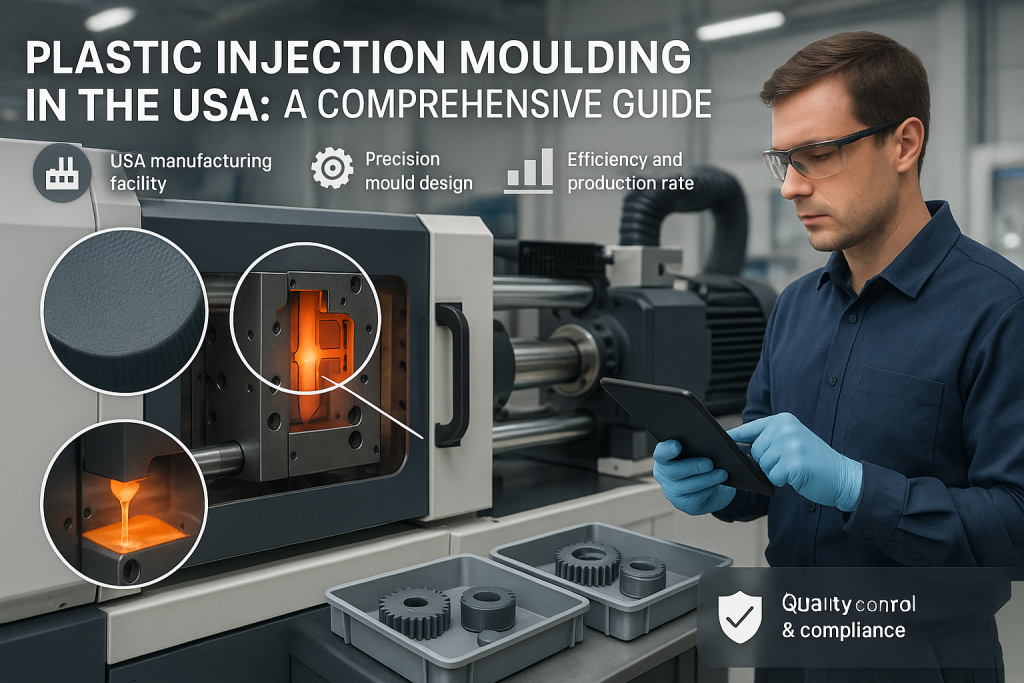
Plastic injection moulding in the USA is a cornerstone of modern manufacturing. This process creates vast quantities of identical plastic parts with high precision. It is essential for producing complex and intricate shapes for various industries. The technique involves injecting molten material into a specially designed mould. Injection moulding has become a dominant method for mass production. Its efficiency and repeatability offer significant advantages. Companies across the nation depend on this technology for their production lines. Understanding this process is key to appreciating its role in the economy. This guide explores the details of plastic injection moulding.
The Fundamentals of the Plastic Injection Moulding Process
The plastic injection moulding process is a cycle of specific steps. Each stage is carefully controlled to ensure part quality. The cycle begins with raw plastic material in the form of pellets. These pellets are fed into the injection moulding machine. The machine then melts the plastic and injects it under pressure. The entire process is automated for speed and consistency. It is a highly refined manufacturing method.
The Clamping Stage
Before injection, the two halves of the mould must be securely closed. A powerful clamping unit holds the mould halves together. This unit applies immense force to counteract the injection pressure. If the mould is not clamped properly, molten plastic can escape. This leakage, known as flash, results in defective parts. The clamping force must be sufficient for the specific material and part size. Modern machines have precise clamping force controls.
The Injection Stage
Once the mould is clamped, the injection stage begins. The plastic pellets are melted by heat and friction from a reciprocating screw. The screw pushes the molten plastic forward. It accumulates at the front of the barrel. The screw then acts as a plunger, forcing the molten plastic into the mould cavity. The speed and pressure of this injection are critical parameters. They affect the final part’s dimensions and appearance.
Cooling and Solidification
After the cavity is filled, the cooling process starts. The molten plastic begins to cool and solidify inside the mould. It takes on the shape of the mould cavity. Cooling lines are often built into the mould to circulate water or oil. This helps to regulate the temperature and speed up the cooling time. The cooling phase is often the longest part of the cycle. Proper cooling prevents part defects like warping or shrinking.
Ejection of the Final Part
When the part has cooled enough, the mould opens. An ejection mechanism then pushes the solidified part out of the cavity. This system typically uses pins or plates to apply a force to the part. The part falls onto a conveyor belt or into a collection bin. The machine is then ready for the next cycle to begin. The entire cycle can take anywhere from a few seconds to several minutes. It depends on the part’s size and complexity.
Key Materials Used in Plastic Injection Moulding
A wide range of polymer materials can be used for injection moulding. The choice of material depends on the part’s intended application. Each plastic has unique properties. These properties include strength, flexibility, and temperature resistance. Selecting the correct material is a critical step in product development. It ensures the final product performs as expected. Material selection impacts both cost and function.
Common Thermoplastics
Thermoplastics are the most widely used materials in injection moulding. They can be melted and re-solidified multiple times without significant degradation. Common examples include Acrylonitrile Butadiene Styrene (ABS). ABS offers good toughness and impact resistance. Polycarbonate provides high strength and temperature resistance. Polypropylene is known for its chemical resistance and flexibility. These materials are used in countless consumer and industrial products.
Engineering-Grade Polymers
Engineering-grade polymers offer superior mechanical and thermal properties. They are used for more demanding applications. Materials like PEEK and Ultem can withstand very high temperatures. They also have excellent chemical resistance. Nylon is often used for its strength and low-friction properties. These polymers are found in automotive, aerospace, and medical components. They provide performance beyond standard thermoplastics.
Elastomers and Thermosets
Elastomers and thermosets are also used in injection moulding. Thermosets undergo a chemical change when heated, forming a permanent solid. They cannot be re-melted. This gives them excellent dimensional stability and heat resistance. Elastomers are rubber-like polymers known for their flexibility. They are used to create seals, gaskets, and over-moulded grips. The moulding process for these materials differs slightly from thermoplastics.
Choosing the Right Material for Your Project
Selecting the best material requires careful consideration. Designers must think about the part’s environment. Will it be exposed to chemicals or UV light? What mechanical stresses will it endure? The aesthetic requirements also play a role. The material choice affects surface finish and color options. Consulting with a material science expert or an experienced moulder is a wise decision. They can help balance performance needs with budget constraints.
The Role of High-Precision Moulds in Manufacturing
High-precision moulds are essential for creating parts with very tight tolerances. These moulds are engineered to an extremely high standard. Their construction requires advanced machinery and skilled toolmakers. The quality of the mould directly determines the quality of the final parts. In many industries, precision is not just a goal; it is a requirement.
What Defines a High-Precision Mould?
A high-precision mould is defined by its ability to produce parts with minimal dimensional variation. The tolerances can be as tight as a few micrometers. The design and fabrication of these moulds involve sophisticated software and CNC machining. Every component, from the cavity to the cooling channels, is optimized. The goal is to achieve perfect repeatability over thousands of cycles.
Industries Demanding Tight Tolerances
Many sectors rely on high-precision components. The medical industry needs them for surgical devices and implants. The electronics sector uses them for connectors and casings. The automotive industry requires precise parts for engines and safety systems. In these fields, even small deviations can lead to product failure. This makes high-precision moulding a critical capability.
The Impact of Precision on Part Quality
The precision of a mould affects every aspect of the final part. It ensures proper fit and function in complex assemblies. It contributes to a better surface finish. For businesses, consistent quality builds brand reputation. For manufacturing hubs like Chicago, producing high-precision moulds is a key specialty. Investing in a high-quality mould leads to better products and lower long-term costs.
Advancements in Mould-Making Technology
Technology continues to push the boundaries of mould precision. Five-axis CNC machining allows for the creation of very complex geometries. Electrical Discharge Machining (EDM) helps create fine details and sharp corners. Advanced simulation software can predict how plastic will flow into the mould. This helps toolmakers optimize the design before cutting any steel. These advancements make it possible to produce more intricate parts than ever before.
Designing Durable Injection Moulds for Longevity
The durability of an injection mould is crucial for high-volume production. A mould must withstand millions of cycles without wearing out. Its design and construction are key factors in its lifespan. A well-made mould is a significant investment. Its longevity ensures a better return on that investment. It reduces downtime and replacement costs.
The Importance of Mould Material Selection
Moulds are typically made from various grades of steel. Hardened steel, like H-13, is used for long production runs. It offers excellent resistance to wear and heat. For shorter runs or prototypes, pre-hardened steel or even aluminum can be used. The choice of steel impacts the mould’s cost and its durability. A harder steel costs more but will last much longer.
Core and Cavity Design Considerations
The core and cavity are the main components that shape the plastic part. Their design must account for the stresses of injection and cooling. Proper venting is needed to allow trapped air to escape. The gate location, where plastic enters the cavity, must be chosen carefully. A good design minimizes wear on these critical surfaces. It also makes the mould easier to maintain.
Maintenance and Care for Moulds
Regular maintenance is essential to extend a mould's life. This includes cleaning the mould surfaces after each production run. It also involves inspecting for any signs of wear or damage. Moving parts, like ejector pins, should be lubricated. Proper care prevents costly repairs and ensures consistent part quality. For businesses seeking reliable production, sourcing durable injection moulds is a top priority. A planned maintenance schedule protects the investment.
Balancing Cost with Mould Lifespan
There is a trade-off between the initial cost of a mould and its expected lifespan. A cheaper mould made from lower-grade steel may suffice for a small batch. For mass production, investing in a high-quality hardened steel mould is more economical. It avoids the costs of remaking the tool midway through a product’s life. The decision should be based on the total required production volume.
The Plastic Injection Moulding Market Landscape
The market for plastic injection moulding is robust and continues to grow. It is driven by demand from a wide range of industries. The ability to produce complex parts at a low per-unit cost makes it attractive. Manufacturers are constantly seeking ways to improve efficiency and quality. This pushes innovation in materials, machinery, and processes.
Current Market Size and Growth Projections
The market is valued at many billions of dollars. Projections show steady growth in the coming years. This growth is fueled by advancements in polymer science. It is also supported by the increasing adoption of automation. The demand for lightweight components in automotive and aerospace sectors is a major contributor. As new applications are found, the market will continue to expand.
Key Industry Drivers
Several factors are driving the industry forward. The need for fuel-efficient vehicles pushes the use of lightweight plastic parts. The medical industry's demand for disposable, sterile products relies on injection moulding. The consumer electronics market requires intricate housings and components. These key drivers ensure a strong and consistent demand for moulded plastic parts.
Emerging Trends in the Sector
Innovation is constant within the industry. One of the key plastic injection mould USA trends is the move toward greater sustainability. This includes the use of recycled and bio-based plastics. Automation and Industry 4.0 principles are making factories smarter. 3D printing is being used to create prototype moulds quickly. These trends are shaping the future of manufacturing.
Challenges Facing Manufacturers
The industry also faces challenges. Fluctuations in raw material prices can affect profitability. There is a constant pressure to reduce cycle times and costs. The need for a highly skilled workforce is another concern. Manufacturers must invest in training and technology to stay competitive. Navigating global supply chains can also be complex.
Regional Hubs for Injection Moulding
Manufacturing capabilities for injection moulding are not evenly distributed. Certain areas have become well-known centers of excellence. These regional hubs offer a concentration of talent, suppliers, and infrastructure. This creates a supportive ecosystem for businesses needing moulded parts. Proximity to these hubs can offer logistical benefits.
The Manufacturing Ecosystem in Key Areas
Key manufacturing regions have a deep network of related businesses. This includes tool and die makers, material suppliers, and equipment vendors. They also have academic institutions that support research and workforce development. This concentration of resources makes it easier for companies to innovate. It fosters collaboration and knowledge sharing.
Why Certain Regions Become Centers of Excellence
Regions often develop specialties based on the dominant local industries. An area with a strong automotive sector will likely have many moulders specializing in automotive parts. This specialization builds a deep pool of expertise. Over time, these regions gain a reputation for quality and reliability. This attracts more investment and talent.
A Look at Established Manufacturing Zones
Certain states are well-known for their manufacturing prowess. The Midwest has a long history of industrial production. States on the West Coast also have strong manufacturing bases. For example, finding a top-tier injection mould manufacturer in California is straightforward due to the state's diverse industrial needs. These established zones provide a reliable supply chain for many businesses.
Logistical Advantages of Regional Suppliers
Working with a regional supplier can offer significant advantages. It can reduce shipping costs and lead times. It makes communication and site visits much easier. A local supplier has a better understanding of the regional business climate. For just-in-time manufacturing, having a supplier nearby is a great benefit. It simplifies logistics and improves supply chain resilience.
How to Select the Best Injection Mould Supplier
Choosing the right supplier is a critical decision. The supplier becomes a partner in the manufacturing process. Their capabilities will directly impact product quality and time to market. A thorough evaluation process is necessary to find the best fit. This process should look beyond just the price quote.
Evaluating a Supplier’s Technical Capabilities
A potential supplier’s technical expertise is paramount. Review their equipment list to ensure they have modern, well-maintained machines. Ask about their experience with the specific material you plan to use. Inquire about their tool-making capabilities. Can they build and maintain high-quality moulds? A technically proficient supplier can help optimize your part design for manufacturability.
Assessing Quality Control and Certifications
A strong quality control system is non-negotiable. The supplier should have a documented process for inspecting parts. This includes both in-process checks and final inspections. Ask about their quality certifications, such as ISO 9001. These certifications demonstrate a commitment to quality management. A reliable supplier will be transparent about their quality processes.
Communication and Project Management
Good communication is the foundation of a successful partnership. The supplier should be responsive and provide clear updates. A dedicated project manager is a positive sign. They serve as a single point of contact. Before starting, it is helpful to establish clear expectations for the project.
- Define key milestones and deadlines.
- Establish a regular communication schedule.
- Clarify the process for design changes.
- Confirm the reporting format for quality checks.
Finding the Right Partner for Your Needs
Ultimately, the goal is to find a partner who understands your project’s goals. They should be able to provide valuable feedback and support. Look for a supplier with a proven track record in your industry. Checking references and case studies can be very helpful. Choosing the best injection mould supplier in the USA involves a careful balance of cost, quality, and service.
Applications Across Major Industries
Plastic injection moulding is a versatile process. Its applications span nearly every major industry. The ability to create durable, complex parts at scale makes it indispensable. From simple consumer goods to critical aerospace components, its reach is extensive. It is a foundational technology for countless products we use daily.
Automotive Components
The automotive industry is one of the largest users of injection moulded parts. Plastics are used to reduce vehicle weight, which improves fuel efficiency. Components like dashboards, bumpers, and interior trim are made using this process. Engine components and electrical housings are also moulded from high-performance plastics. The process delivers the strength and precision needed for these parts.
Medical and Healthcare Devices
In the medical field, injection moulding is used to produce a vast array of devices. This includes surgical instruments, drug delivery systems, and diagnostic equipment. Plastics offer design flexibility and can be sterilized. The process ensures the consistency and cleanliness required for medical applications. Single-use disposable products are a major segment.
Consumer Electronics and Goods
Almost every electronic device contains injection moulded parts. Casings for phones, laptops, and televisions are common examples. Internal components like buttons, gears, and connectors are also moulded. The process allows for the creation of stylish and functional designs. It meets the high-volume demands of the consumer market.
Aerospace and Defense Parts
The aerospace industry uses injection moulding for high-performance components. Lightweight plastics help reduce aircraft weight and improve performance. These materials must meet strict safety and performance standards. Parts include interior cabin components, electrical connectors, and housings for sensitive equipment. The process provides the reliability this critical sector demands.
The Future of Injection Moulding
The process of plastic injection moulding in the USA remains vital for manufacturing. It is a mature technology that continues to evolve. Innovations in materials, automation, and data analysis are driving it forward. The industry is adapting to new challenges, like sustainability. It will continue to be a key enabler for product development. As technology progresses, the capabilities of injection moulding will only grow, solidifying its place as an essential manufacturing method for years to come.
