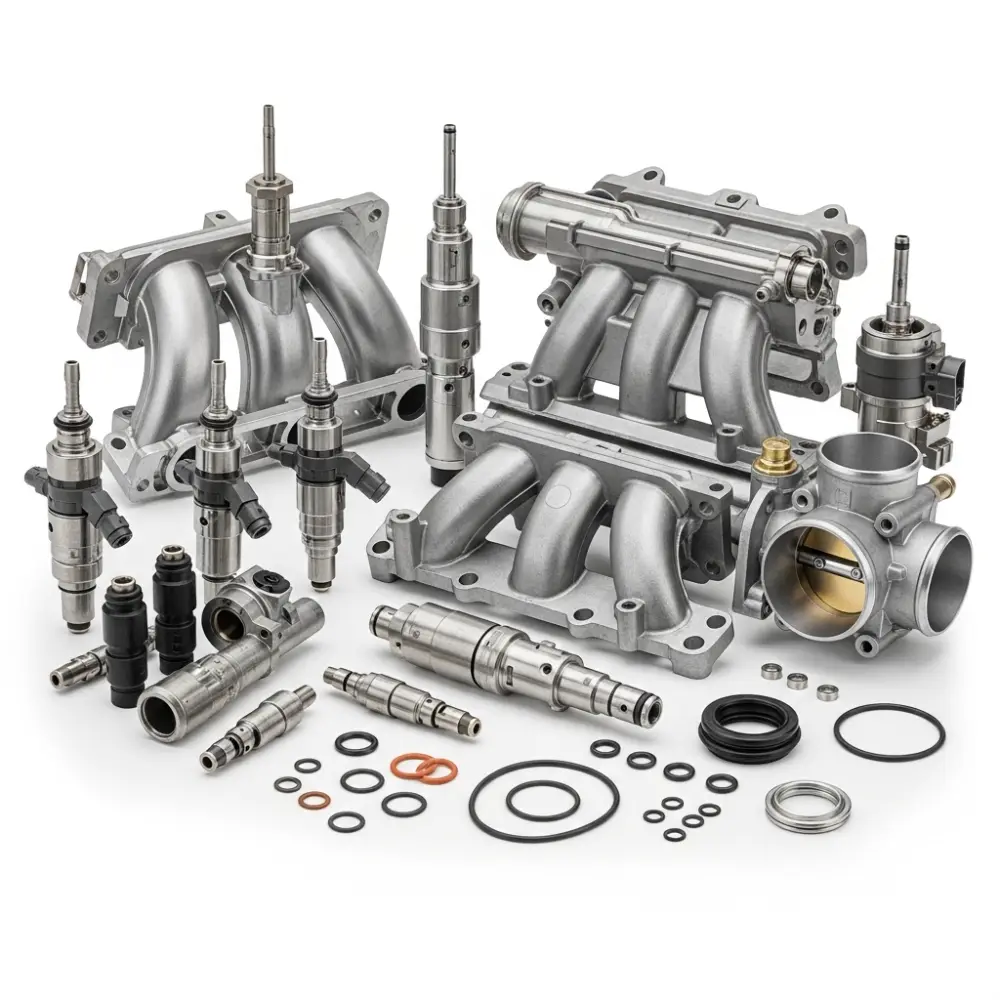
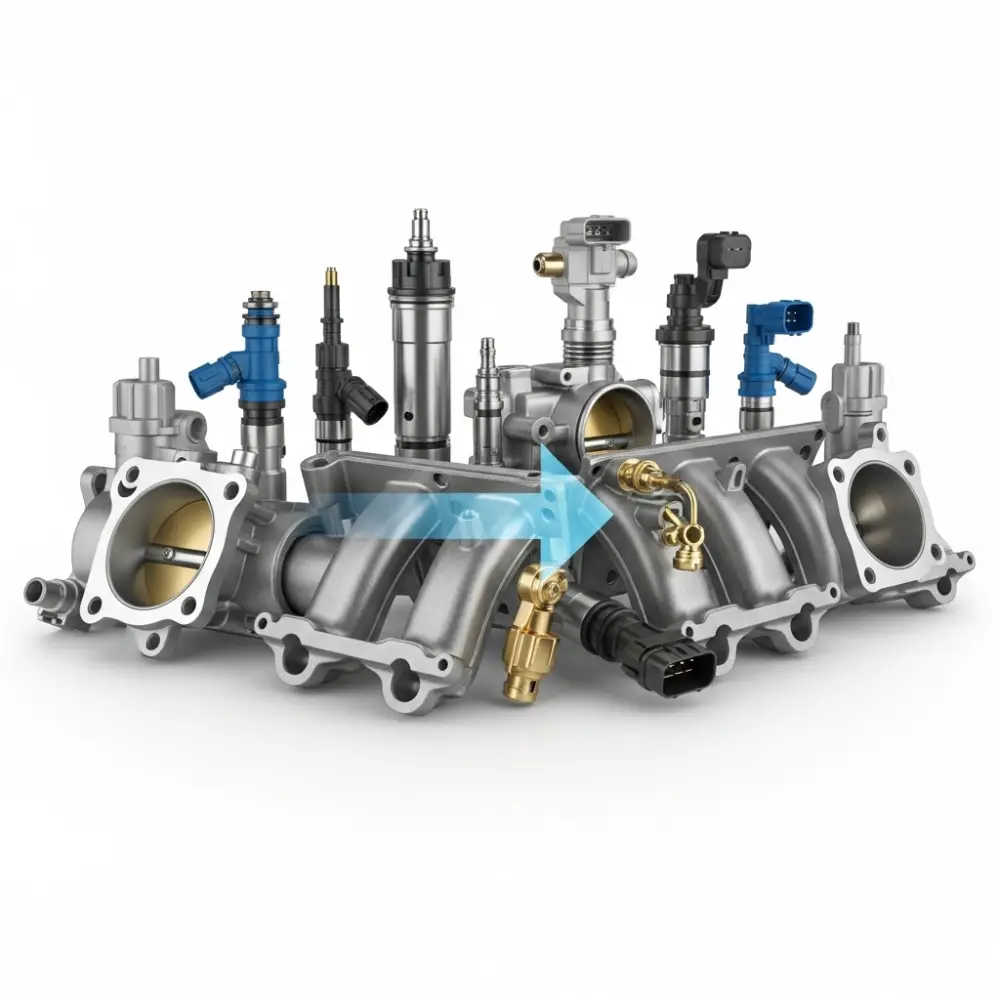
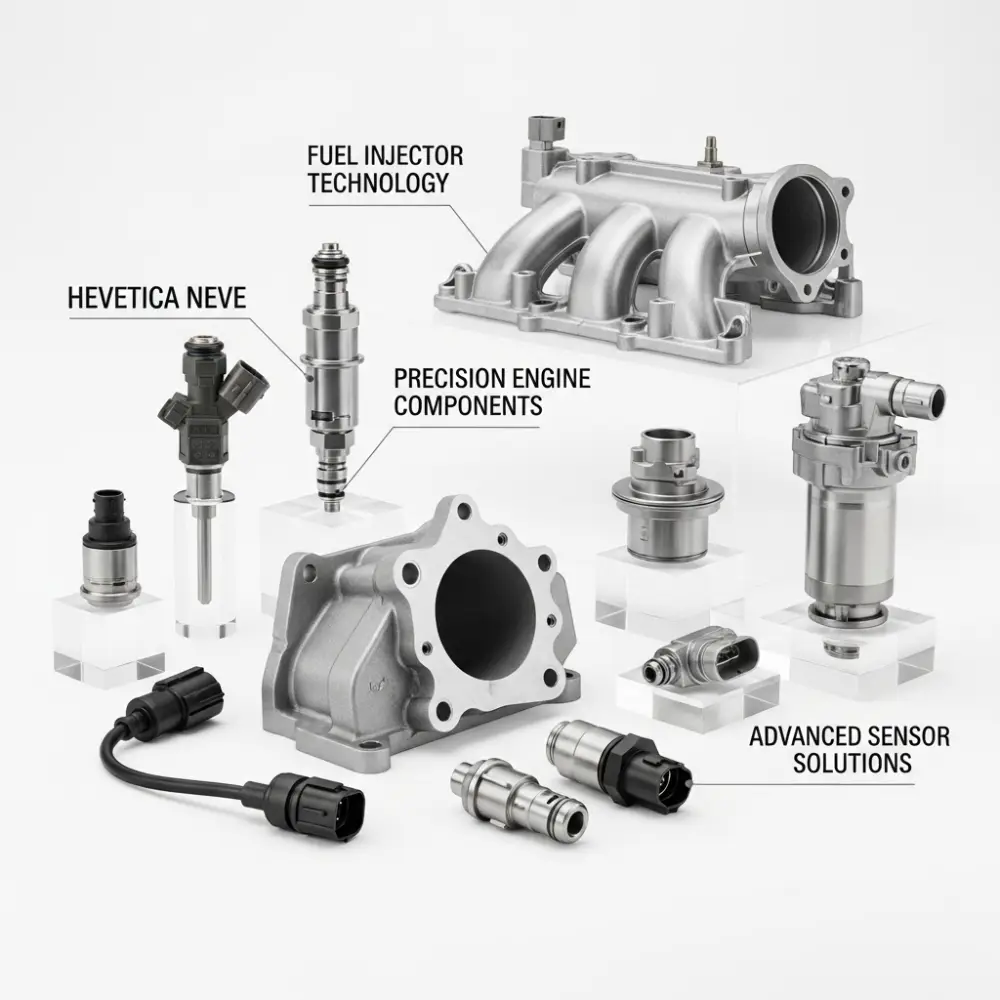
Automotive Injection Parts mainly refer to car components manufactured using injection molding technology. Injection molding is a process in which plastic or other materials are heated to a molten state, then injected into a mold under high pressure. After cooling and setting, the components are formed. This method is widely used in the production of various car parts, such as interior and exterior trim, electronic connectors, etc.
What are Automotive Injection Parts?
Automotive Injection Parts refer to car components made using injection molding technology. Injection molding is a process where materials such as plastics, rubber, metals, or composites are heated until molten, then injected under high pressure into molds to form parts. This method is widely used for producing a variety of automotive parts, such as interior components, exterior parts, electrical connectors, and more.
Applications of Automotive Injection Parts
Automotive Injection Parts are essential in various systems within the vehicle:
-
Interior Parts – Components like dashboards, door panels, and console housings
-
Exterior Parts – Bumpers, grilles, side panels, and trim pieces
-
Under-the-Hood Components – Parts such as engine covers, air ducts, and reservoir tanks
-
Electrical Components – Connectors, housings, and sensor enclosures
-
Functional Parts – Fasteners, clips, brackets, and mounts
The ability of injection molding to produce intricate designs makes it ideal for these applications.
|

|
|
Advantages of Automotive Injection Parts
Automotive Injection Parts offer numerous benefits, making them essential for modern vehicle manufacturing. These advantages include:
-
High Precision – Injection molding ensures tight tolerances and complex geometries.
-
Cost-Efficiency – Ideal for large-scale production with reduced per-unit costs.
-
Material Flexibility – Works with various plastics and composites to meet performance needs.
-
Fast Production – High-speed manufacturing ensures rapid turnaround times.
-
Lightweight – Parts produced are lightweight yet durable, enhancing overall vehicle performance.
-
Consistency – Injection molding maintains uniformity in high-volume production, ensuring consistent quality.
|
Why Choose Automotive Injection Parts?
Choosing Automotive Injection Parts provides several key advantages:
-
Cost-Effective Manufacturing – Perfect for mass production with low cost per unit.
-
Design Freedom – Allows for intricate, customized parts that are both lightweight and durable.
-
Efficient Production – Fast manufacturing processes keep delivery times short.
-
Enhanced Durability – Injection-molded parts offer long-lasting performance and resistance to wear.
-
Flexibility in Materials – A wide variety of materials can be used for different automotive applications.
Injection molding is essential in automotive manufacturing, providing high-quality, durable parts that meet the demands of modern vehicles.
|
|