Home > Product > Automotive Lighting Housing Molding

Automotive Lighting Housing Molding

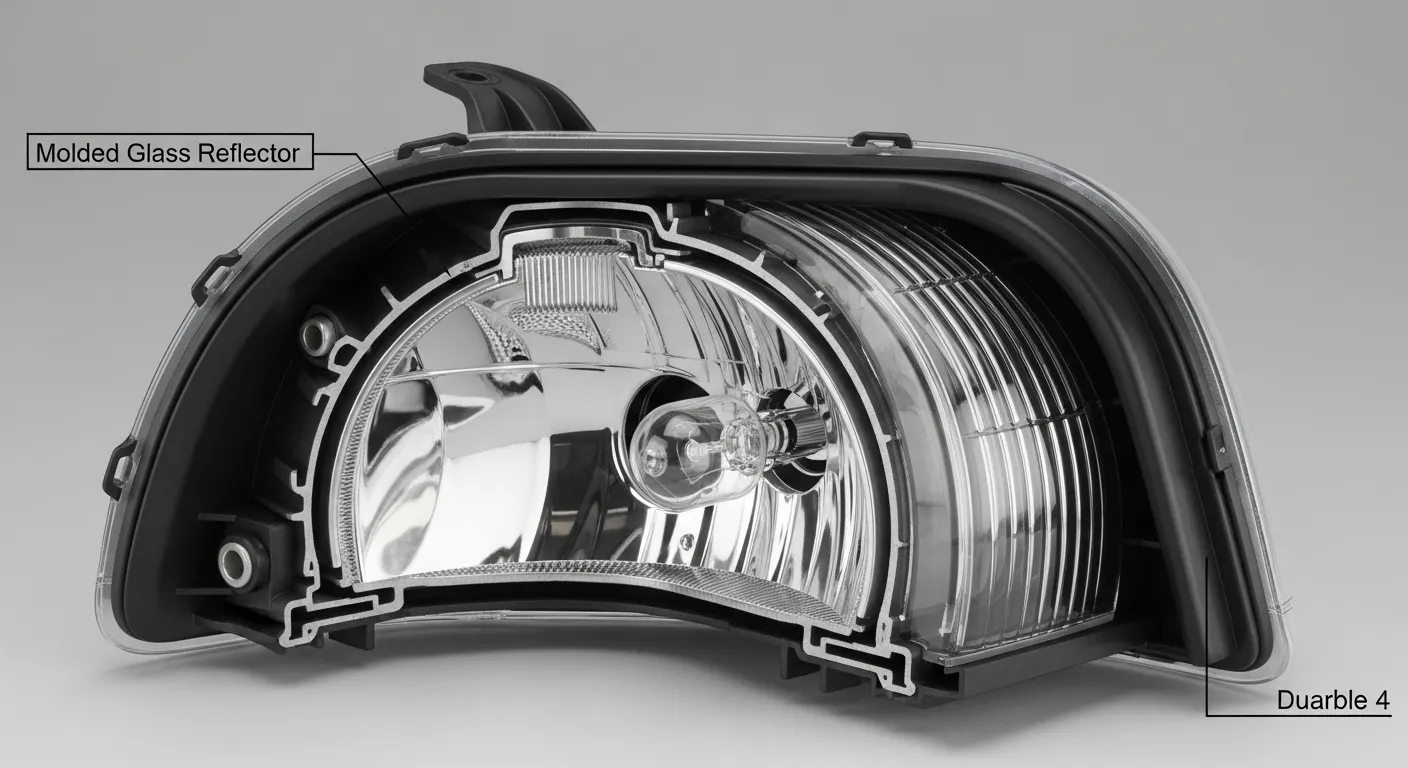
Automotive Lighting Housing Molding is a manufacturing process that creates plastic housings for vehicle lighting systems, offering protection and durability. It uses injection molding to produce precise, lightweight.
  • High Precision – Ensures exact fit and function.
  • Lightweight – Reduces overall vehicle weight.
  • Weatherproof – Resists environmental factors like UV and moisture.
  • Customizable – Adaptable to various vehicle designs and styles.
  • Durable – Provides long-lasting protection for lighting components.

Product Details

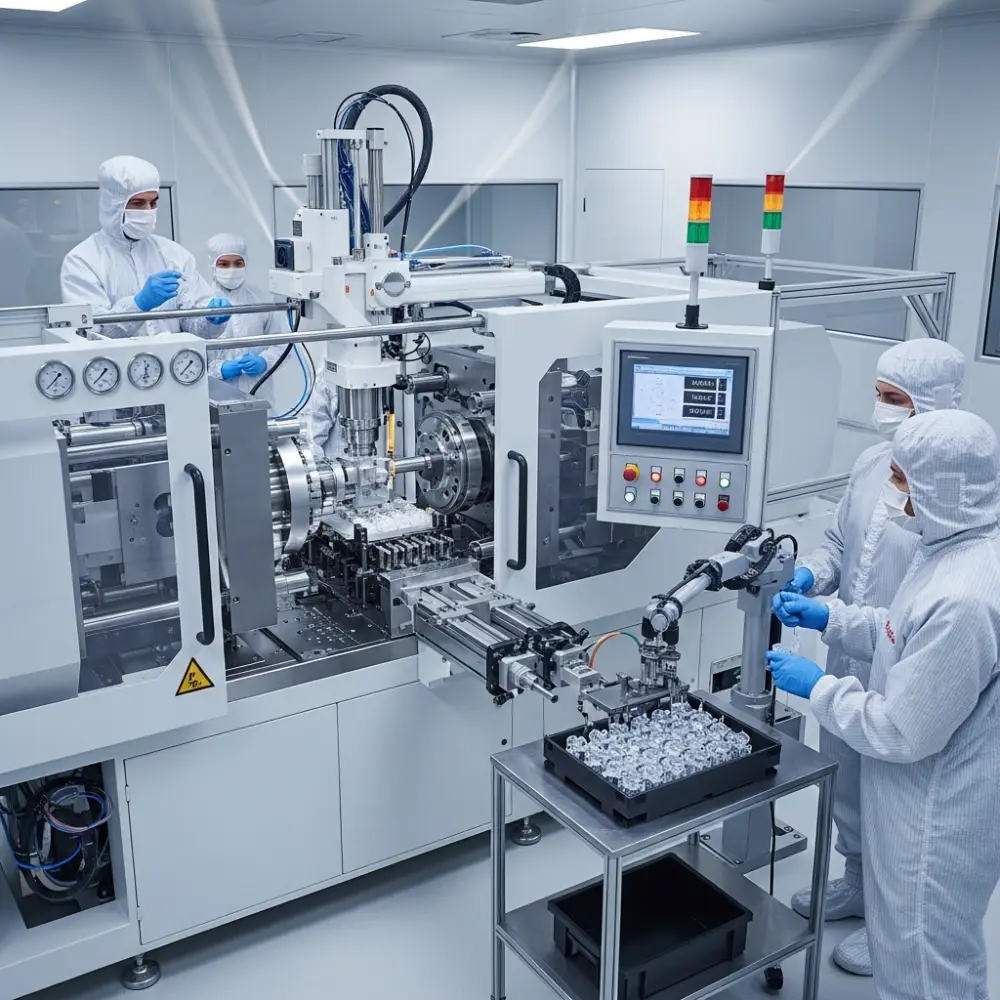
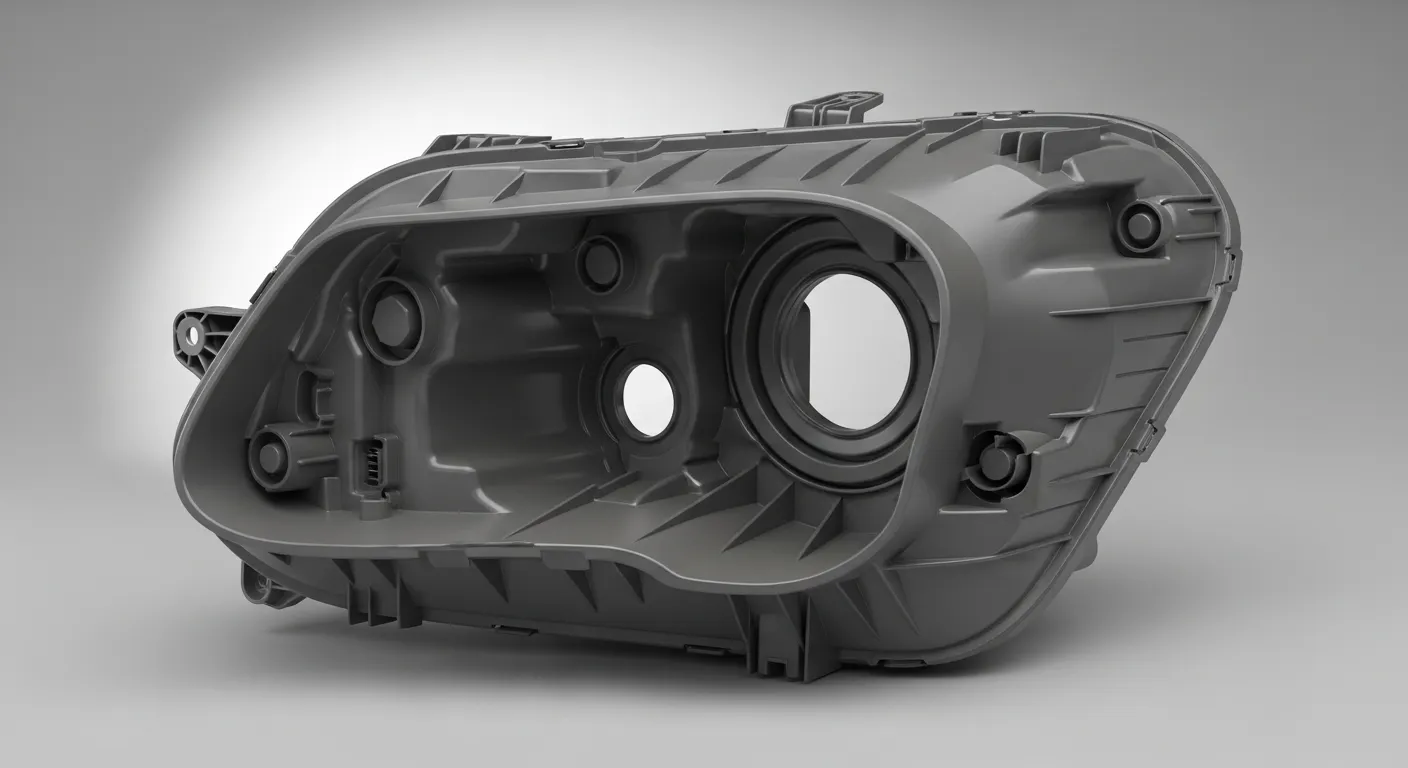
Automotive Lighting Housing Molding is a production method used to create protective plastic covers for automotive lighting elements. Using injection molding techniques, molten plastic is injected into molds to form precise, robust casings that house the lighting components of a vehicle. These parts are essential for protecting sensitive lighting systems while providing a sleek and functional exterior design.
What is Automotive Lighting Housing Molding?

Automotive Lighting Housing Molding refers to the manufacturing process that produces plastic casings designed to enclose automotive lighting systems. This process ensures that headlights, tail lights, and other lighting components are securely housed, protected from environmental elements, and enhanced for performance. The molding process provides an efficient and durable solution for creating custom housings that meet safety and aesthetic standards.

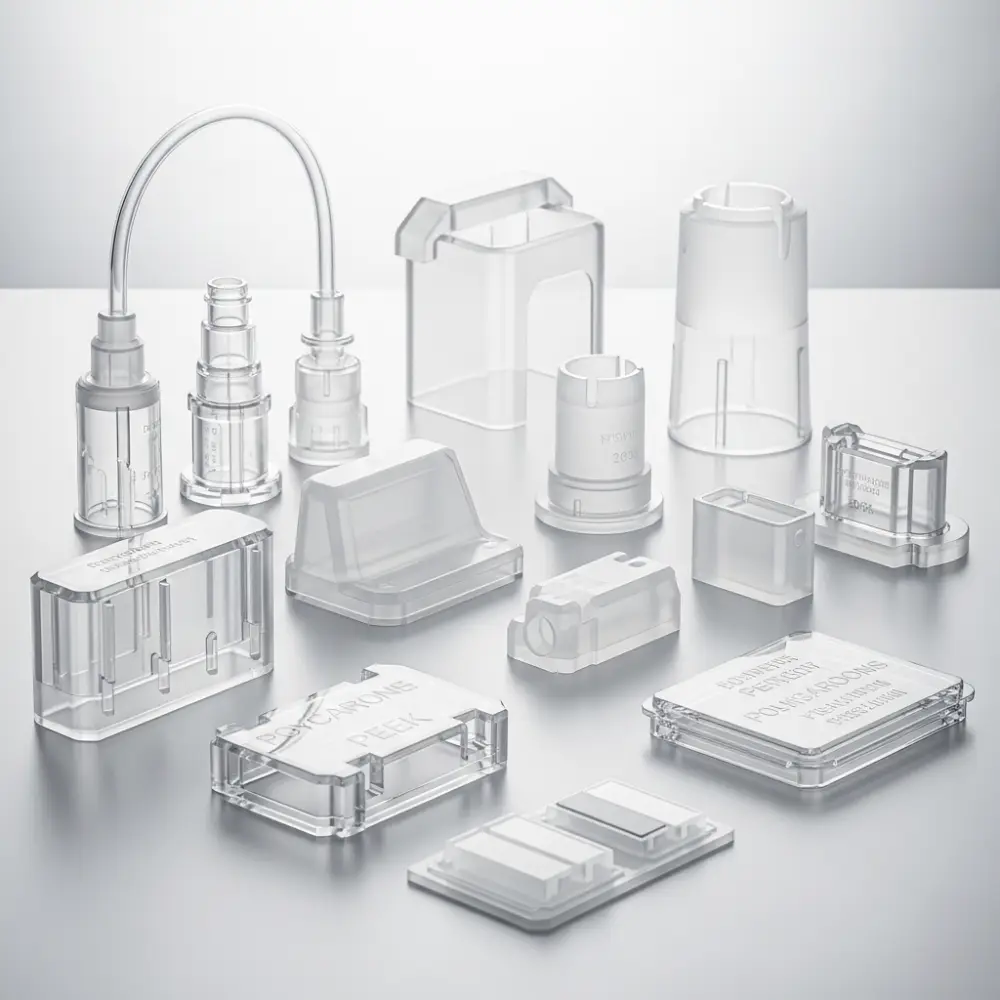
Plastic lighting housings
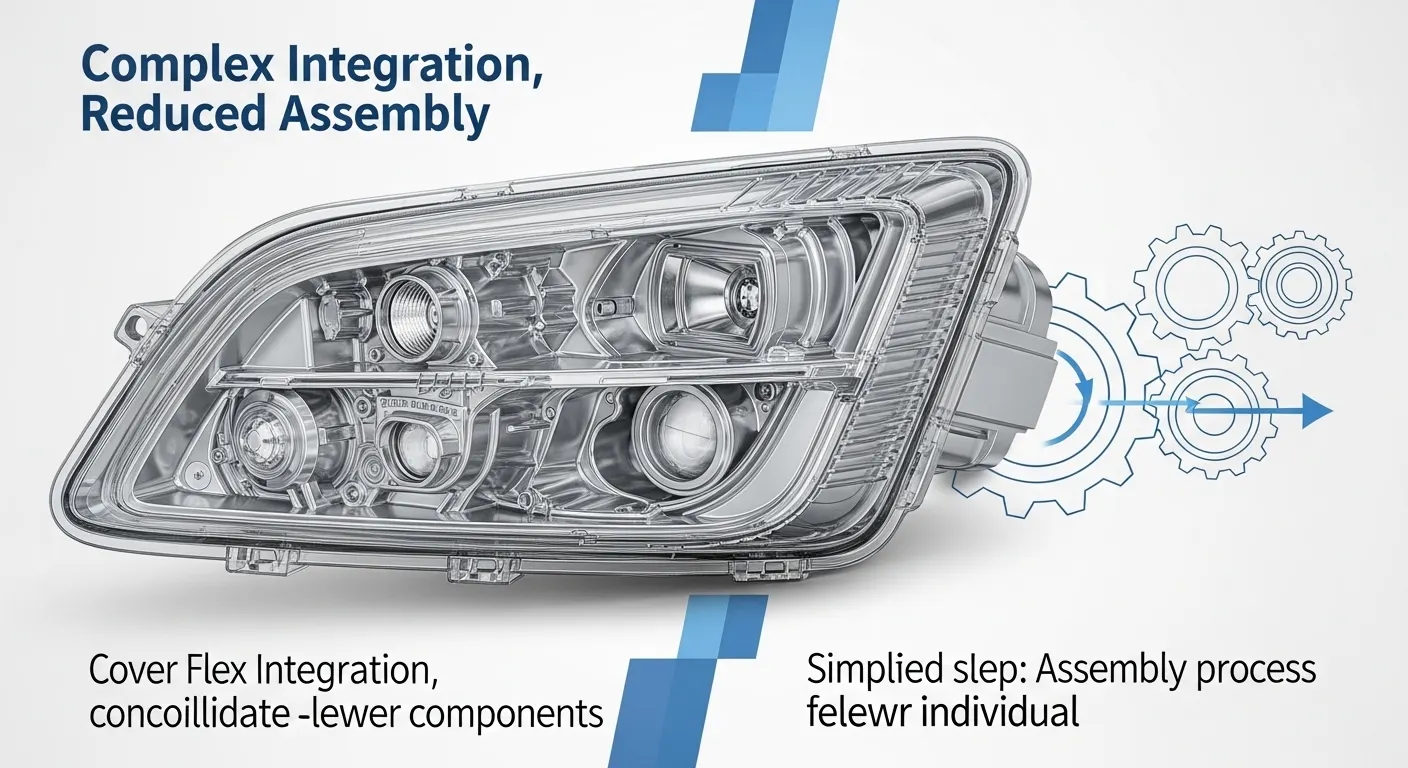
Vehicle lighting enclosures

Key Features of Automotive Lighting Housing Molding

  1. Precision Design – Offers detailed, accurate molding for perfect fitting.

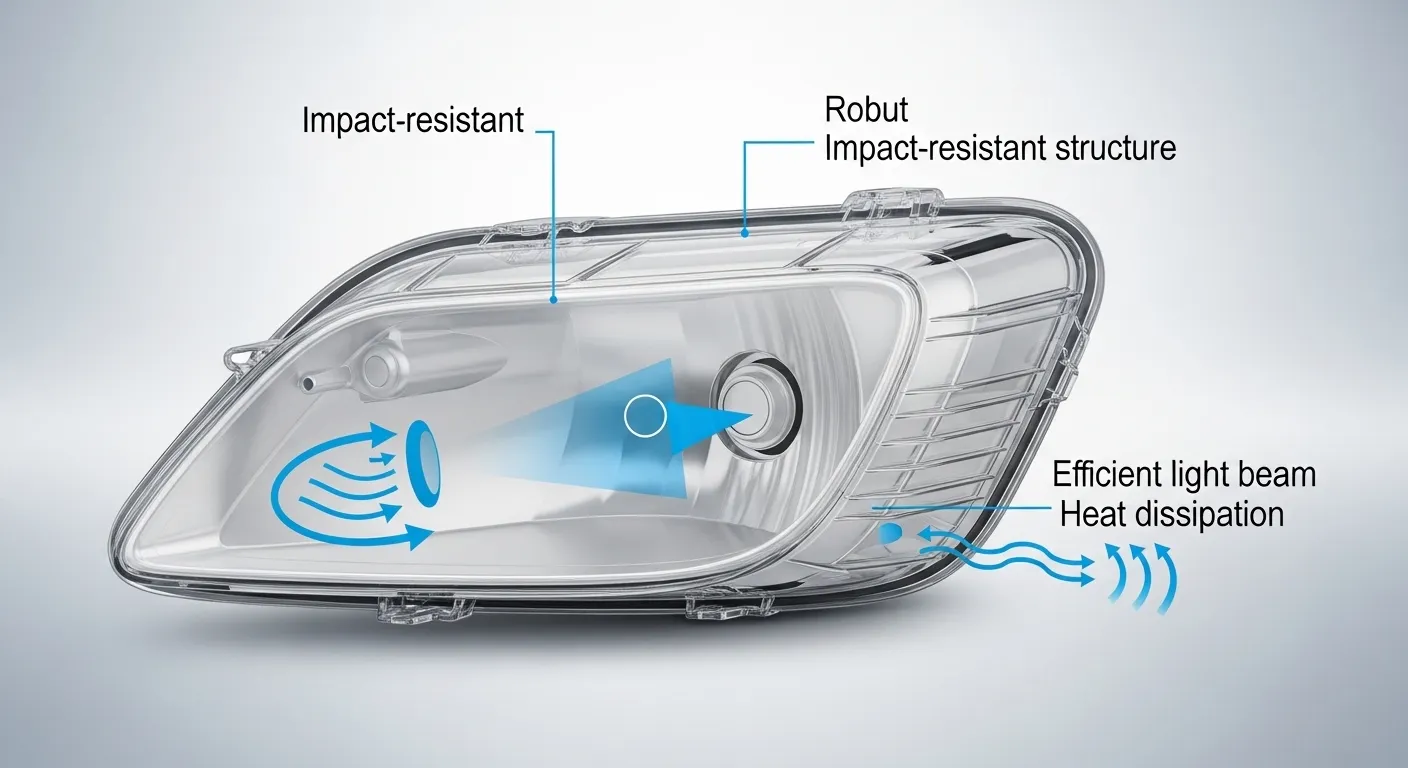
  2. Impact Protection – Shields lighting parts from potential damage.

  3. Customizable Appearance – Allows for various finishes and colors to match the vehicle’s style.

  4. Weather Resistance – Designed to endure environmental factors like moisture and UV rays.

  5. Enhanced Durability – Built to last and withstand temperature changes and physical wear.

Applications of Automotive Lighting Housing Molding

  • Headlights – Protects the light bulbs and electrical components from dirt and moisture.

  • Tail Lights – Ensures durability and visibility while keeping lights safe from impacts.

  • Fog Lights – Provides housing that is resistant to the elements and allows for optimal performance.

  • Turn Signal Lights – Custom housings help with the smooth operation and protection of signal lights.

  • Indicator Lights – Offers impact and weather protection to the smaller vehicle lights.

Custom lighting housings
Headlight plastic housings

Why Choose Automotive Lighting Housing Molding?

  1. Efficient Production – The molding process allows for high-volume manufacturing with minimal waste.

  2. Cost Savings – Injection molding is a cost-effective method for mass-producing high-quality parts.

  3. Design Flexibility – Capable of producing intricate designs with precision, ensuring the housing meets specific vehicle requirements.

  4. Reliable Performance – The durable material ensures the lighting system performs optimally for long periods.

FAQ

1. How is automotive lighting housing molded?
Answer:

The process involves injecting molten plastic into molds to create precise, durable parts for headlights, tail lights, and other vehicle lights.

2. How does automotive lighting housing molding improve safety?
Answer:

It provides impact-resistant protection for the lighting system, reducing the risk of damage and ensuring proper light function during driving.

3. What types of vehicle lights use molded plastic housings?
Answer:

Common applications include headlights, tail lights, fog lights, and turn signal lights.

4. How long do automotive lighting housings last?
Answer:

They are built to last and resist damage from UV rays, moisture, and temperature fluctuations, ensuring a long service life.

5. How do plastic lighting housings protect the components?
Answer:

They act as shields against physical damage, dirt, moisture, and temperature extremes, ensuring the lighting system remains functional.