Home > Product > Consumer Electronics Molding

Consumer Electronics Molding

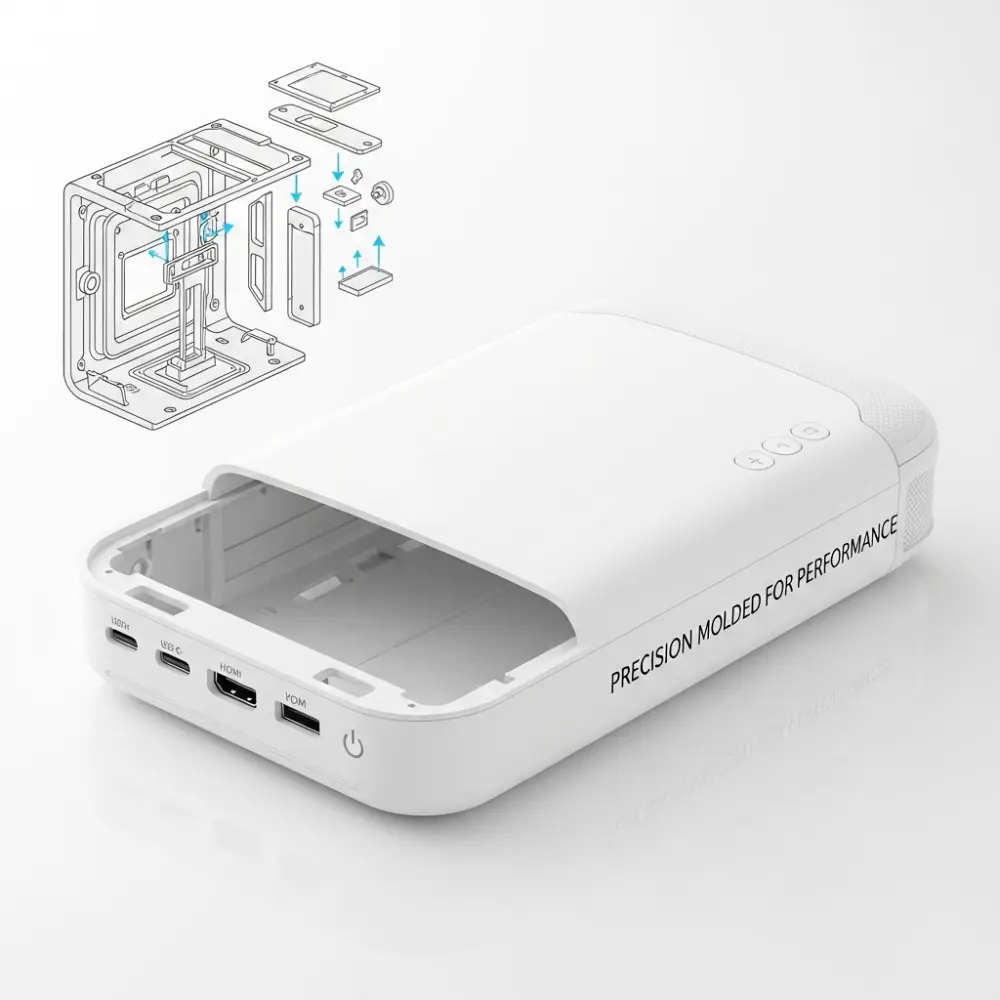
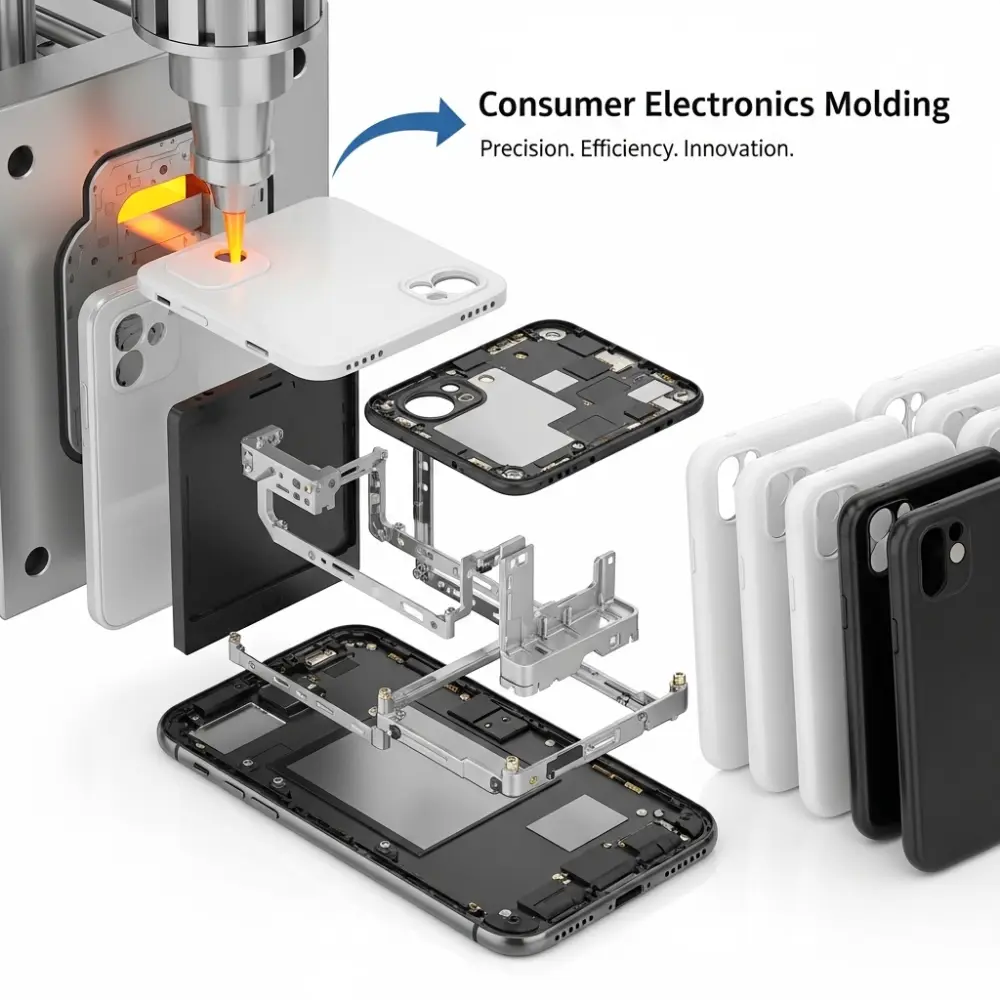
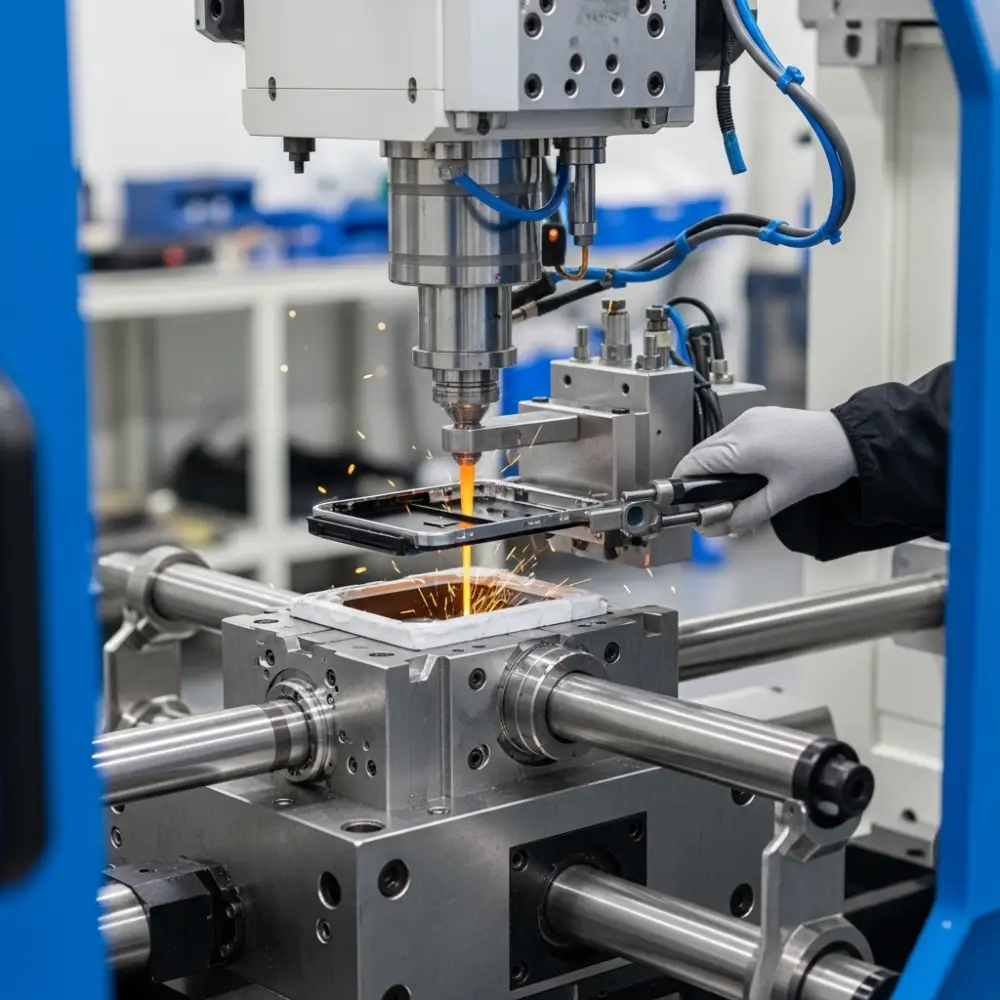
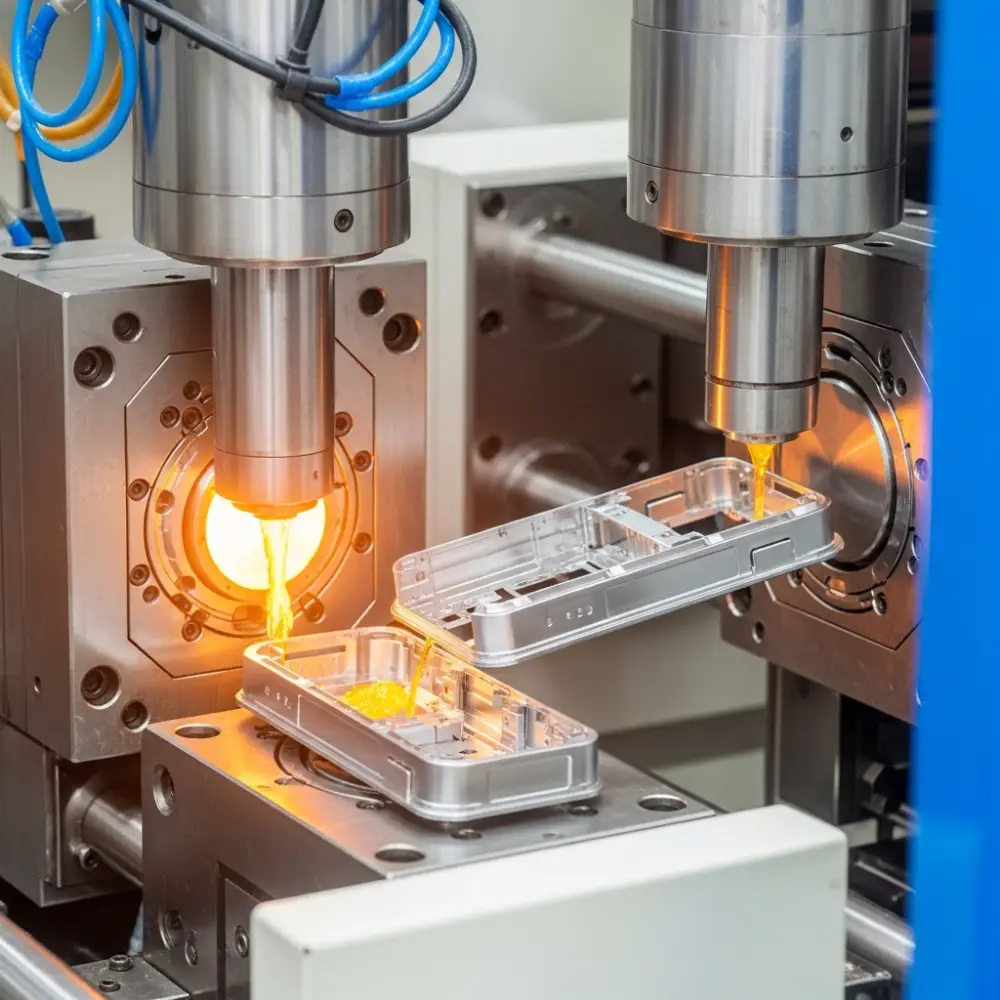
Consumer Electronics Molding is the injection molding process used to create plastic parts for electronics, like housings and buttons. It's fast, cost-effective, and ensures high-quality, durable components.
  • High precision for complex designs.
  • Fast production cycle for efficiency.
  • Cost-effective for large-scale manufacturing.
  • Wide material options for flexibility.
  • Consistent quality across production runs.

Product Details

Consumer Electronics Molding is a precision plastic injection molding process used to manufacture high-quality components for electronic devices. It ensures accurate dimensions, smooth surface finish, and stable structural performance, meeting the strict standards of modern consumer electronic products.


What is Consumer Electronics Molding?

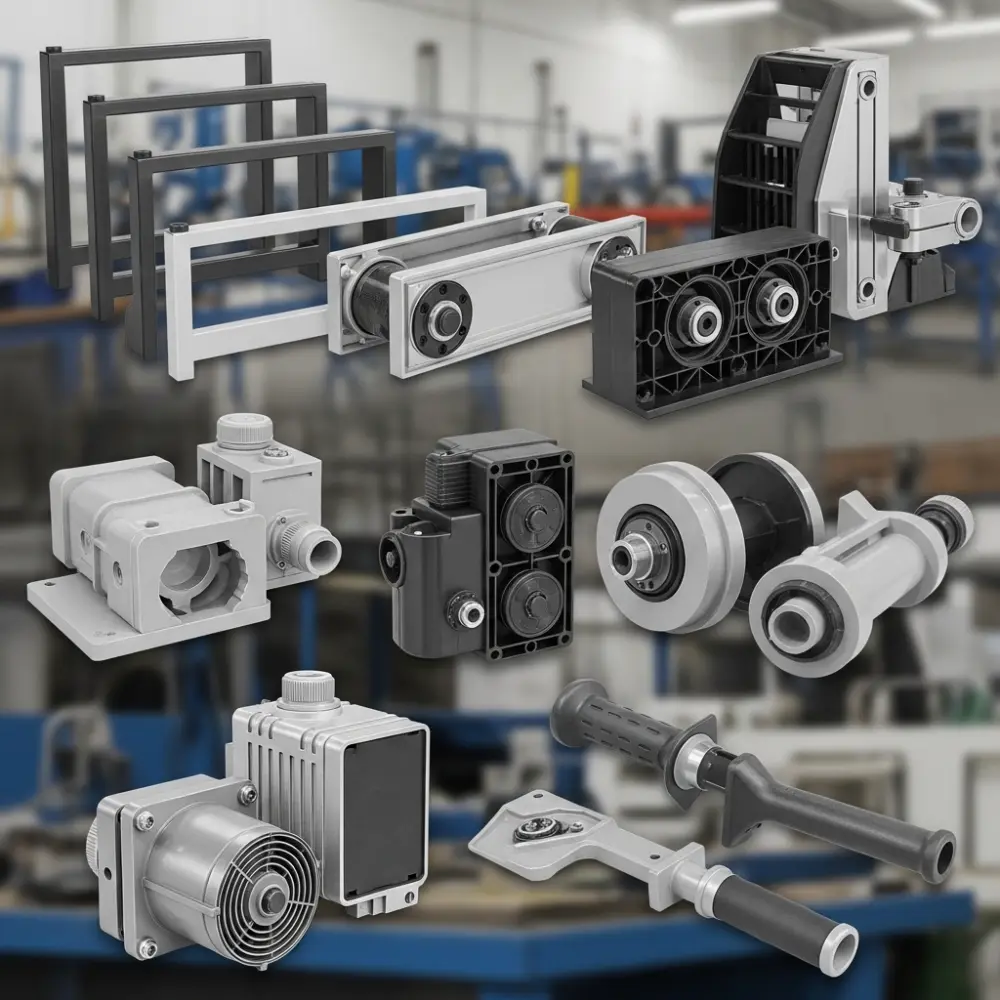
Consumer Electronics Molding refers to the use of advanced injection molding technology to produce plastic housings, structural parts, and functional components for electronic products. It involves mold design, material selection, precision molding, and quality control to achieve reliable and aesthetically pleasing results.

Applications of Consumer Electronics Molding

Consumer electronics molding plays a vital role in various device manufacturing, including:

  1. Smartphones – Precision housings and internal structural parts for durable and sleek designs.

  2. Laptops and Tablets – Lightweight, sturdy enclosures ensuring long-term performance and portability.

  3. Home Automation – Plastic enclosures for smart devices, thermostats, and security systems.

  4. Headphones – Molding of earbud cases, connectors, and speaker housings for aesthetic appeal.

These molded parts are critical to ensuring performance, durability, and design flexibility in modern consumer electronics.

Electronic device molding


Rapid molding for electronics

Advantages of Consumer Electronics Molding

Consumer electronics molding offers several key benefits, including:

  1. High Precision – Ensures tight tolerances and accurate component dimensions for optimal performance.

  2. Cost Efficiency – Ideal for large-scale production, reducing unit costs and increasing profitability.

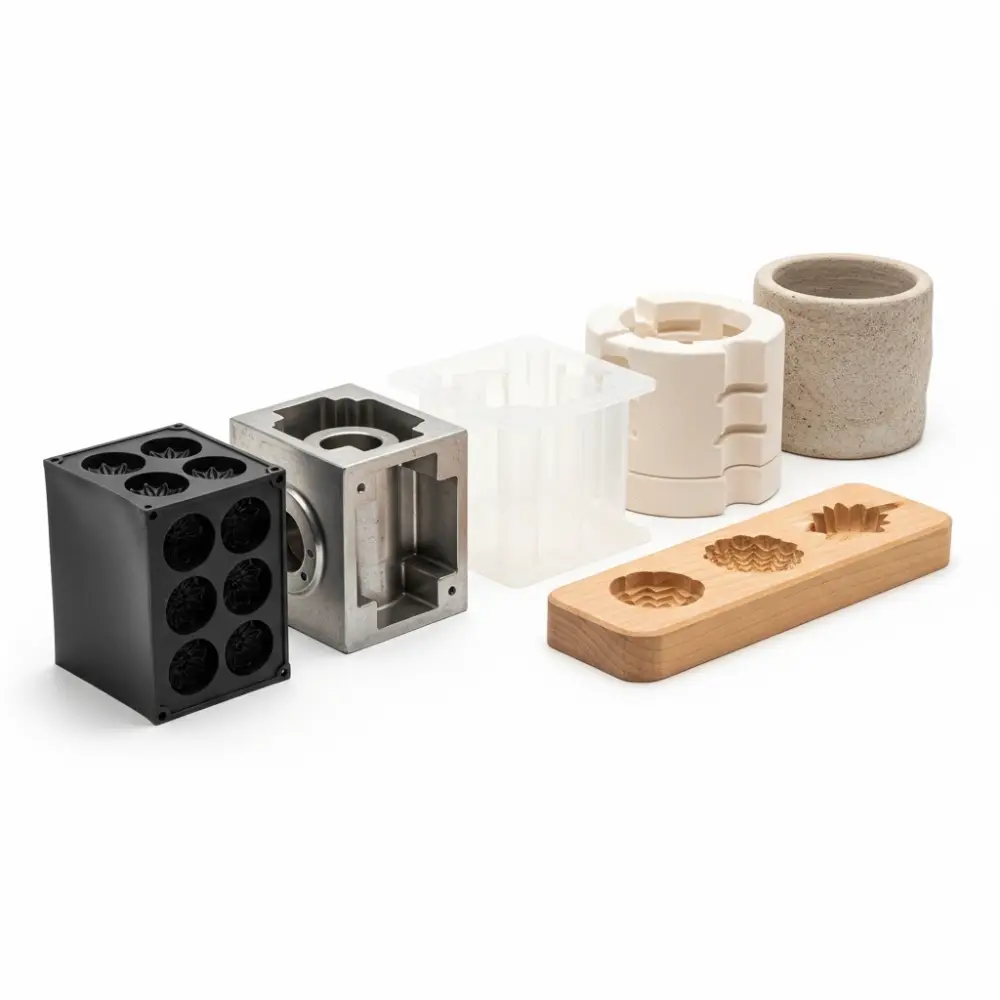
  3. Material Flexibility – A wide range of materials available, from lightweight plastics to durable compounds.

  4. Speed – Fast production cycles help meet tight deadlines and deliver products quickly to market.

  5. Design Freedom – Allows for complex shapes, thin walls, and unique features in electronics.

These advantages make molding the go-to choice for producing high-quality consumer electronics.

Why Choose Consumer Electronics Molding?

Choosing consumer electronics molding offers several compelling reasons:

  1. Quality Consistency – Provides uniform, reliable parts that meet high manufacturing standards.

  2. Efficiency – High production capacity, ideal for high-demand products and large batches.

  3. Customization – Tailors components to specific requirements, optimizing fit, function, and design.

  4. Sustainability – Uses recyclable materials, contributing to environmentally friendly manufacturing.

  5. Cost-Effective – Lowers production costs while maintaining high product standards, driving competitive pricing.

These factors ensure molded parts meet industry needs while driving efficiency and innovation in electronics.

Plastic injection molding services

FAQ

1. What is consumer electronics molding?
Answer:

Consumer electronics molding is the process of using injection molding to create plastic components for electronic devices such as smartphones, wearables, and laptops. It ensures precise, high-quality, and durable parts.

2. How precise is consumer electronics molding?
Answer:

Consumer electronics molding is highly precise, offering tolerances as tight as +/- 0.1mm. This ensures the production of detailed and accurate components for electronic devices.

3. What industries use consumer electronics molding?
Answer:

Industries such as smartphones, computers, wearables, home automation, and automotive electronics rely on consumer electronics molding for producing high-quality plastic components.

4. How do you ensure quality in molded plastic electronics parts?
Answer:

Quality is ensured through rigorous testing, strict material selection, and precision-controlled molding processes. Manufacturers also perform quality checks at various stages of production.

5. Can injection molding be used for complex shapes in electronics?
Answer:

Yes, injection molding is highly versatile and can create complex and detailed shapes with precision, such as intricate internal structures and thin-walled components.