
Home > Product > Electric Vehicle Plastic Components

Electric Vehicle Plastic Components

Electric Vehicle Plastic Components are lightweight, durable plastic parts used in EVs to reduce weight, improve energy efficiency, and enhance performance. They are found in batteries, interiors, and exteriors.

  • Flexible Design – Enables intricate and complex shapes.
  • Recyclable – Contributes to sustainability through recyclable materials.
  • Noise-Reducing – Helps minimize vibrations and noise.
  • Thermal Insulation – Helps regulate temperature within the vehicle.
  • Chemical Resistance – Withstands exposure to oils, fuels, and other chemicals.

Product Details

Electric Vehicle Plastic Components are plastic parts utilized in the construction of electric vehicles. These components help to reduce the weight of the vehicle, improve energy efficiency, and offer resistance to environmental factors such as heat, moisture, and UV radiation. They are essential for EVs in areas like battery systems, powertrains, and vehicle interiors.
What are Electric Vehicle Plastic Components?

Electric Vehicle Plastic Components are specialized parts made from plastic materials used in various systems of electric vehicles (EVs). These components are designed to be lightweight, durable, and efficient, contributing to better energy efficiency, lower vehicle weight, and improved performance. They are used in everything from battery enclosures to interior panels and exterior parts.

Lightweight EV parts
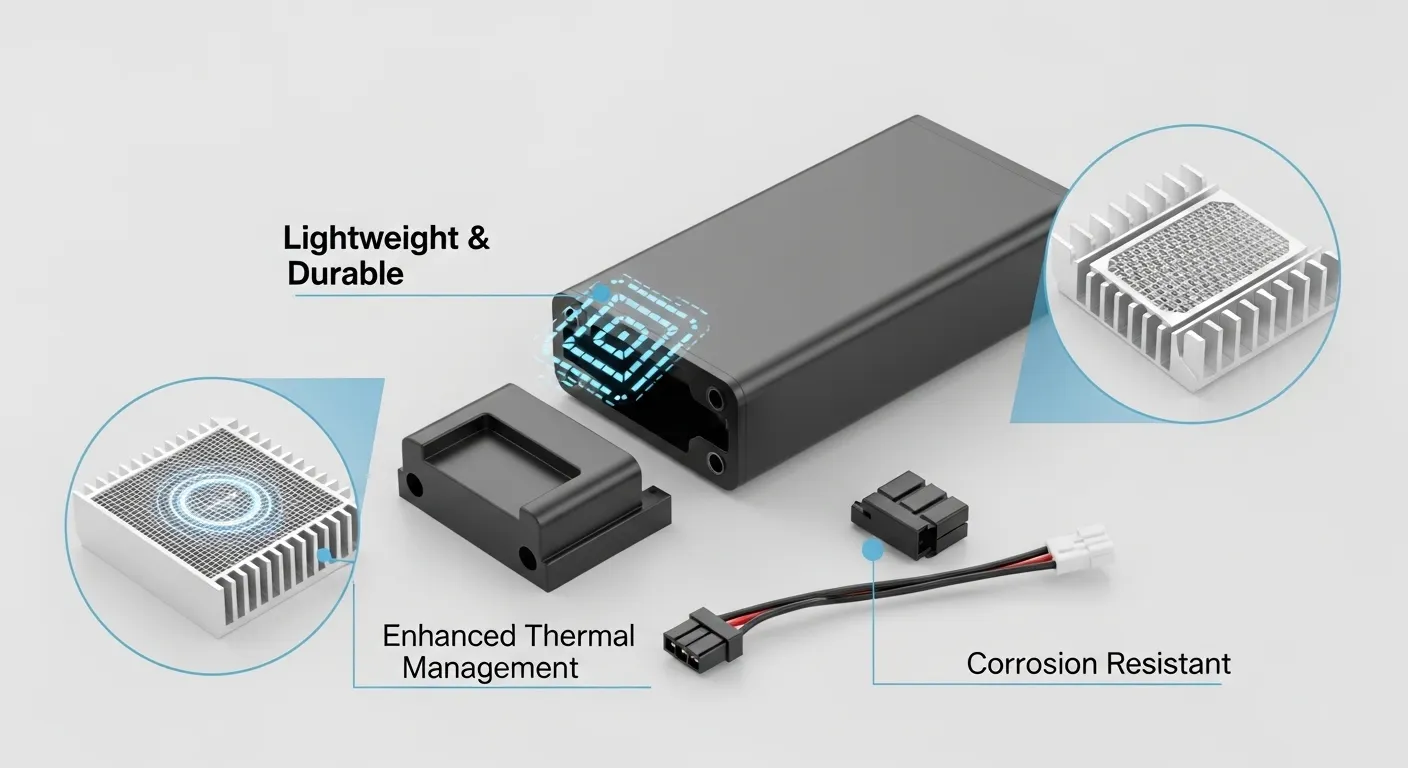
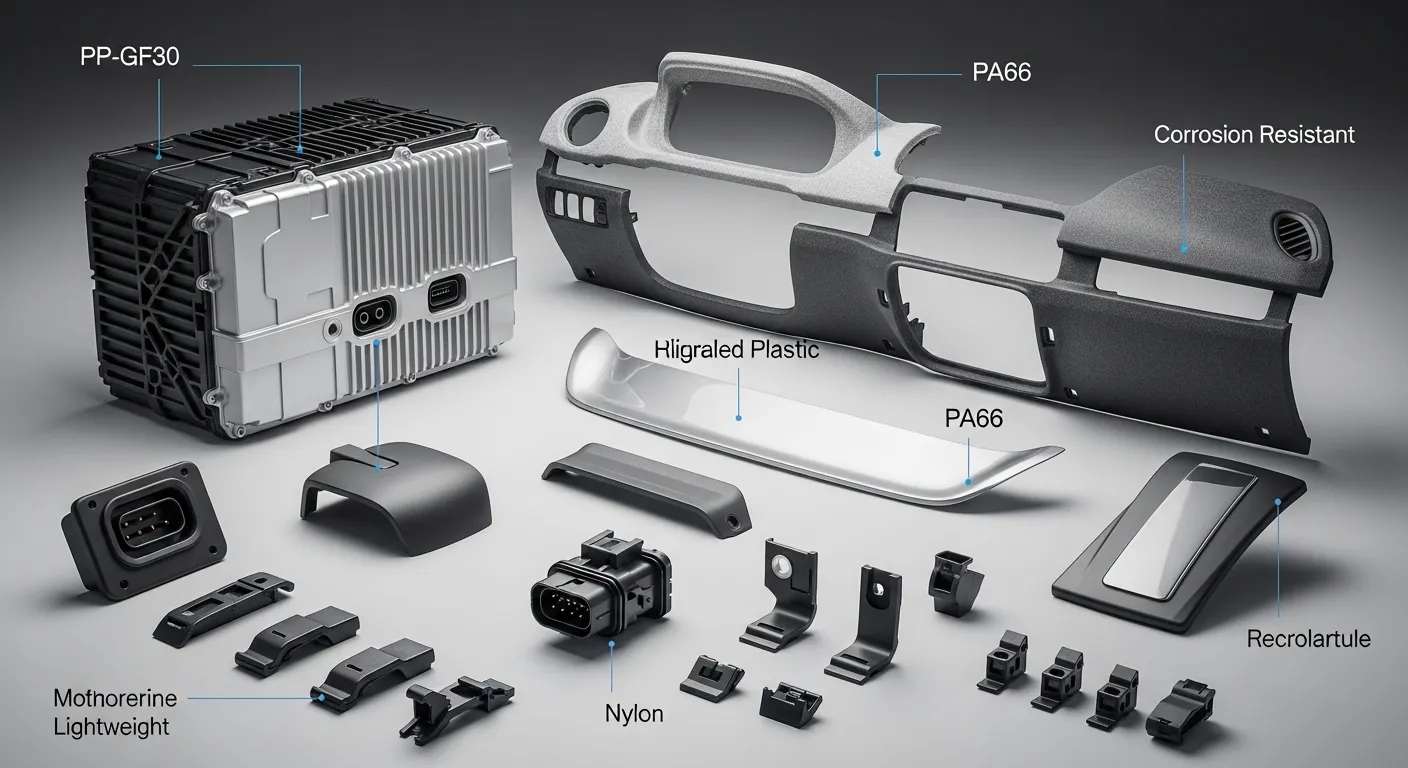
Plastic battery housing

Key Features of Electric Vehicle Plastic Components

  • Lightweight – Helps reduce the overall weight of the vehicle, enhancing fuel efficiency.

  • Energy Efficient – Plays a role in improving vehicle energy management and reducing power loss.

  • Durable – Resistant to wear, impact, and environmental conditions.

  • Corrosion-Resistant – Offers protection against rust and degradation.

  • Versatile – Can be molded into various shapes and sizes for different applications.

Applications of Electric Vehicle Plastic Components

  • Battery Enclosures – Protects and insulates the battery from external damage and environmental factors.

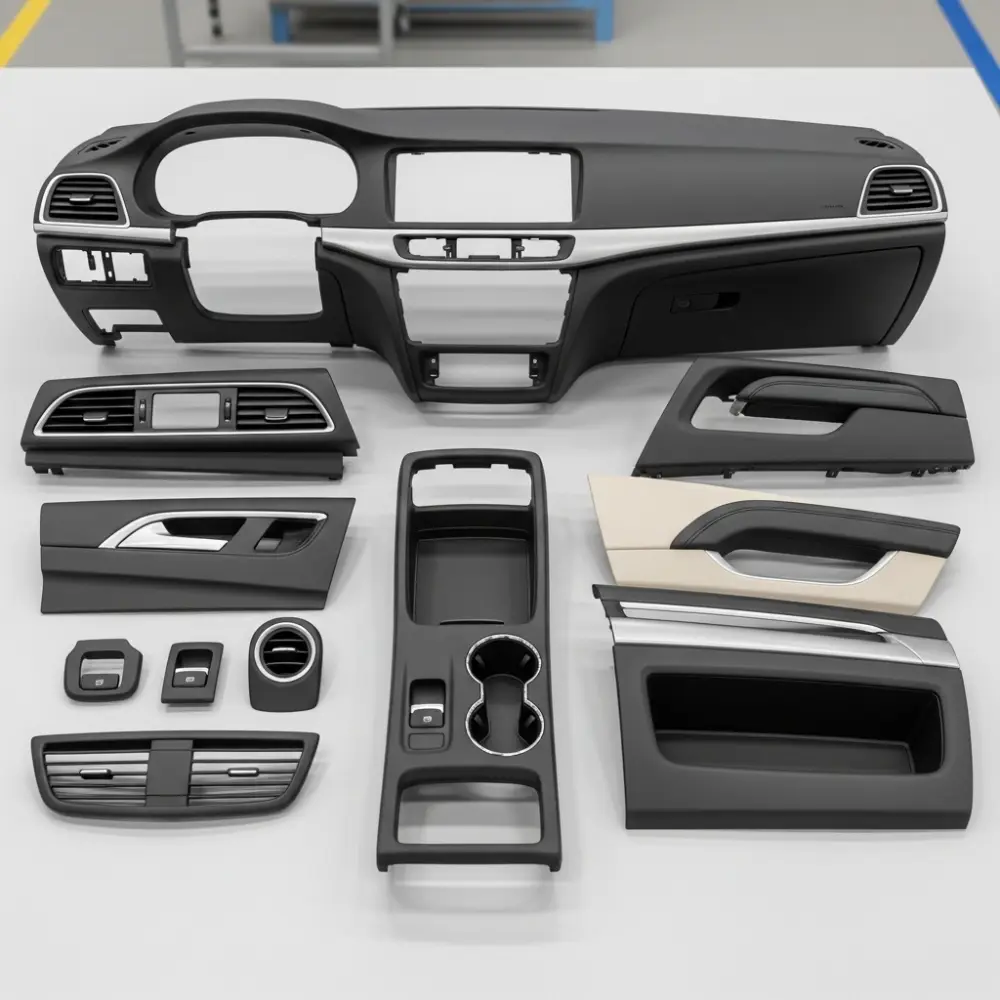
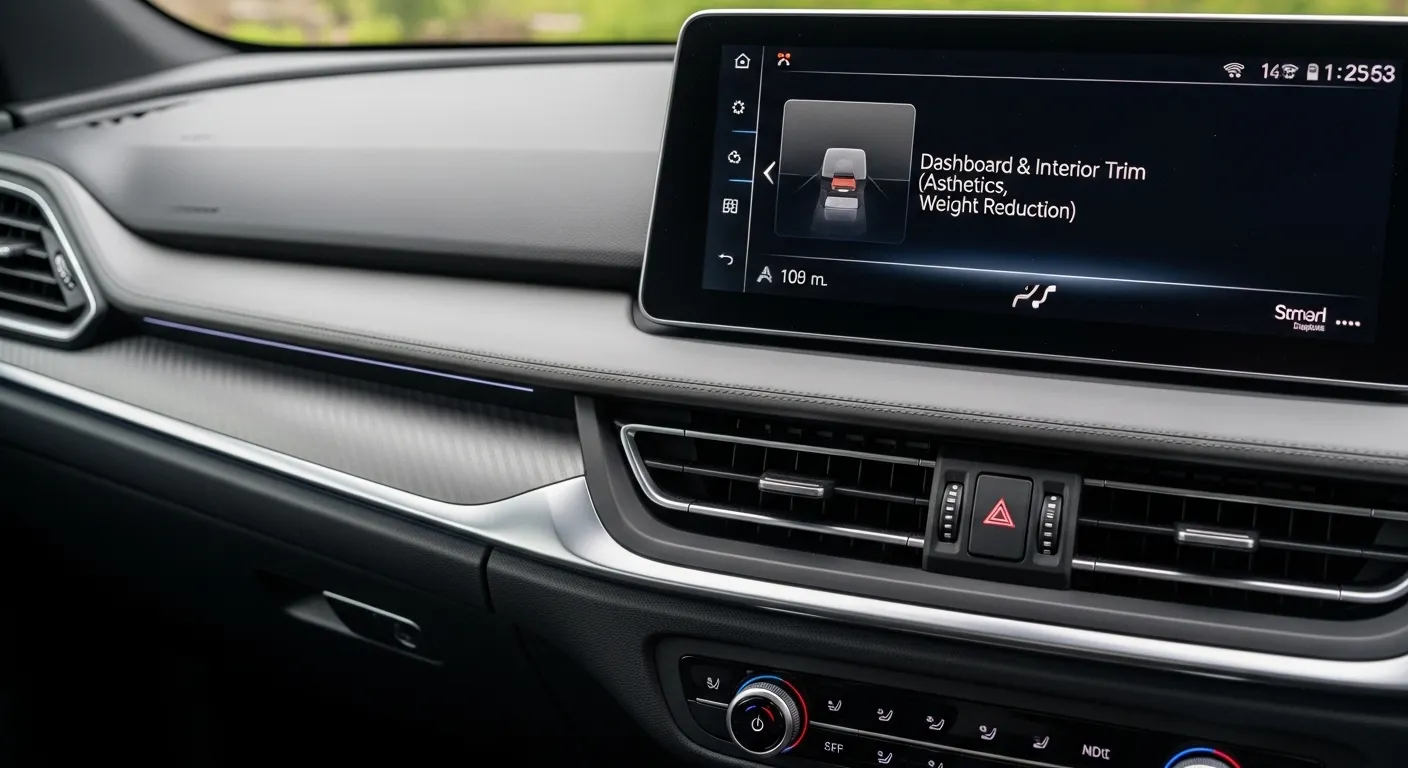
  • Interior Parts – Includes dashboards, trim, and seats, reducing weight and enhancing comfort.

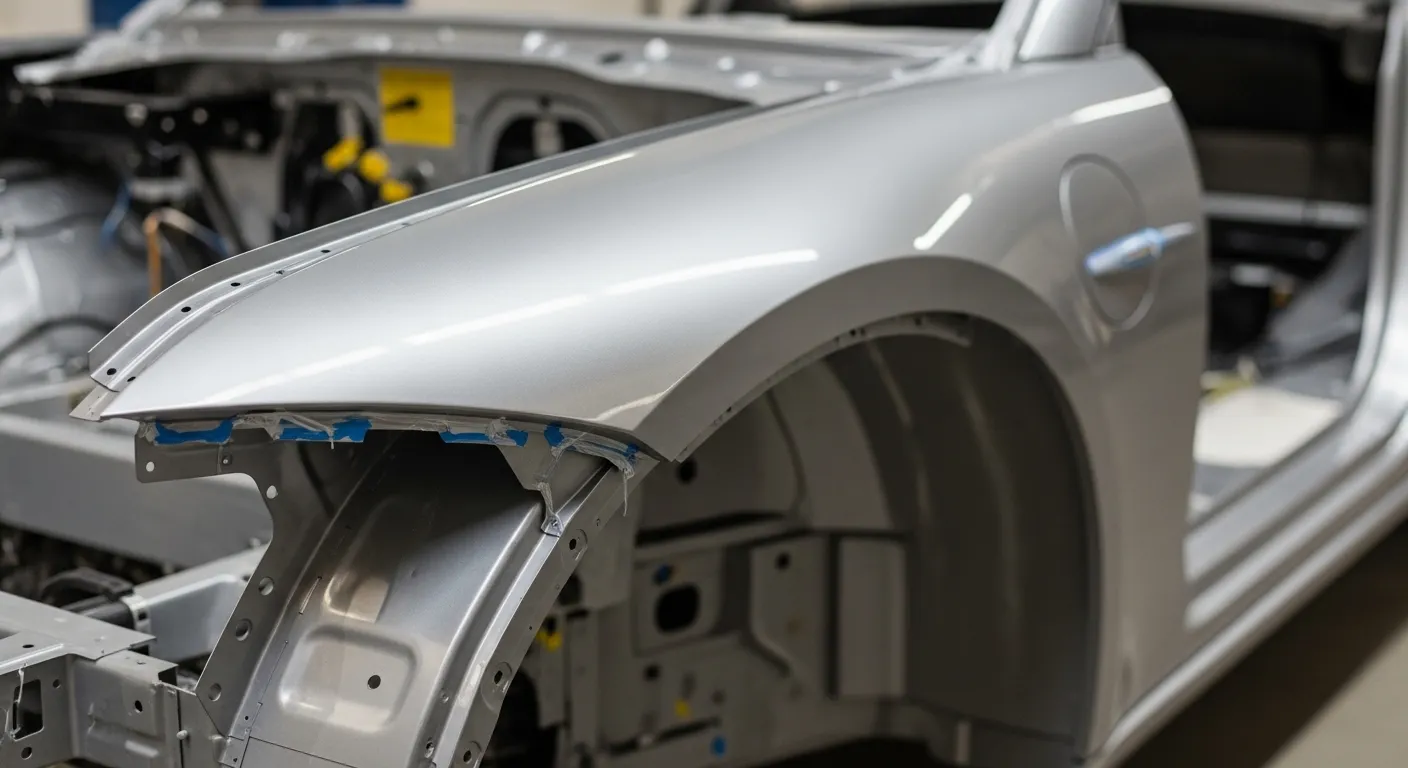
  • Exterior Parts – Bumpers, fenders, and panels that offer protection and aesthetics while reducing overall vehicle weight.

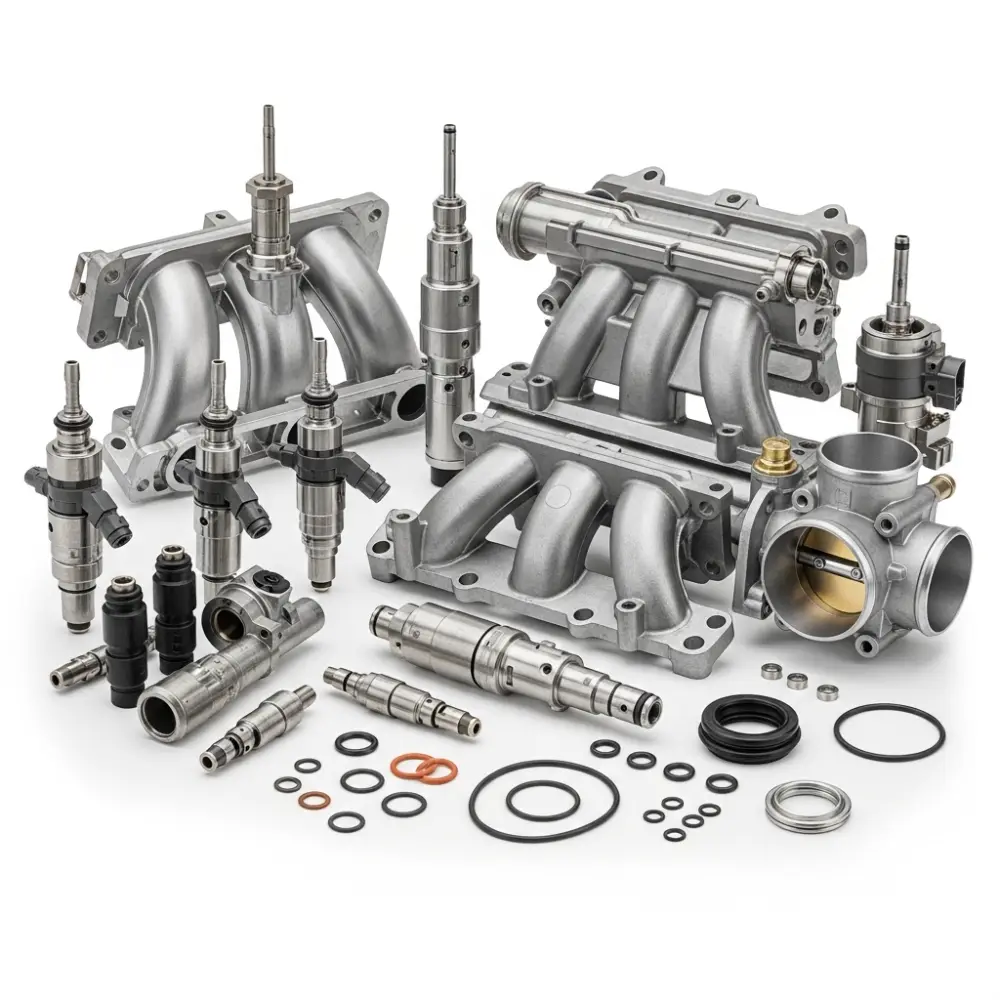
  • Powertrain Components – Lightweight plastic parts used in the vehicle’s power system to reduce energy loss and improve efficiency.

EV interior plastic parts
Durable EV plastic materials

Why Choose Electric Vehicle Plastic Components?

  1. Weight Reduction – Lightweight plastics help increase vehicle range and improve energy efficiency.

  2. Cost Efficiency – Affordable compared to metal alternatives, reducing overall production costs.

  3. Improved Performance – Reduces energy loss and helps manage battery and motor functions effectively.

  4. Environmental Benefits – Many plastic components are recyclable and contribute to a more sustainable vehicle design.

  5. Design Flexibility – Plastics can be molded into intricate shapes, offering versatility in design and function.

FAQ

1. What are Electric Vehicle Plastic Components made of?
Answer:

They are typically made from high-strength, durable plastics like polycarbonate, ABS, and polypropylene.

2. How do plastic components benefit electric vehicles?
Answer:

Plastic components help reduce overall vehicle weight, improve energy efficiency, and enhance the vehicle's performance.

3. How long do plastic components last in electric vehicles?
Answer:

Plastic parts in EVs are designed to be durable and can last the lifetime of the vehicle with proper use.

4. Are plastic components as strong as metal ones?
Answer:

While lighter, modern plastics used in EV components offer strength and impact resistance that is comparable to metals for specific applications.

5. How do plastic components improve the range of an electric vehicle?
Answer:

By reducing the overall vehicle weight, plastic components help increase energy efficiency and range.