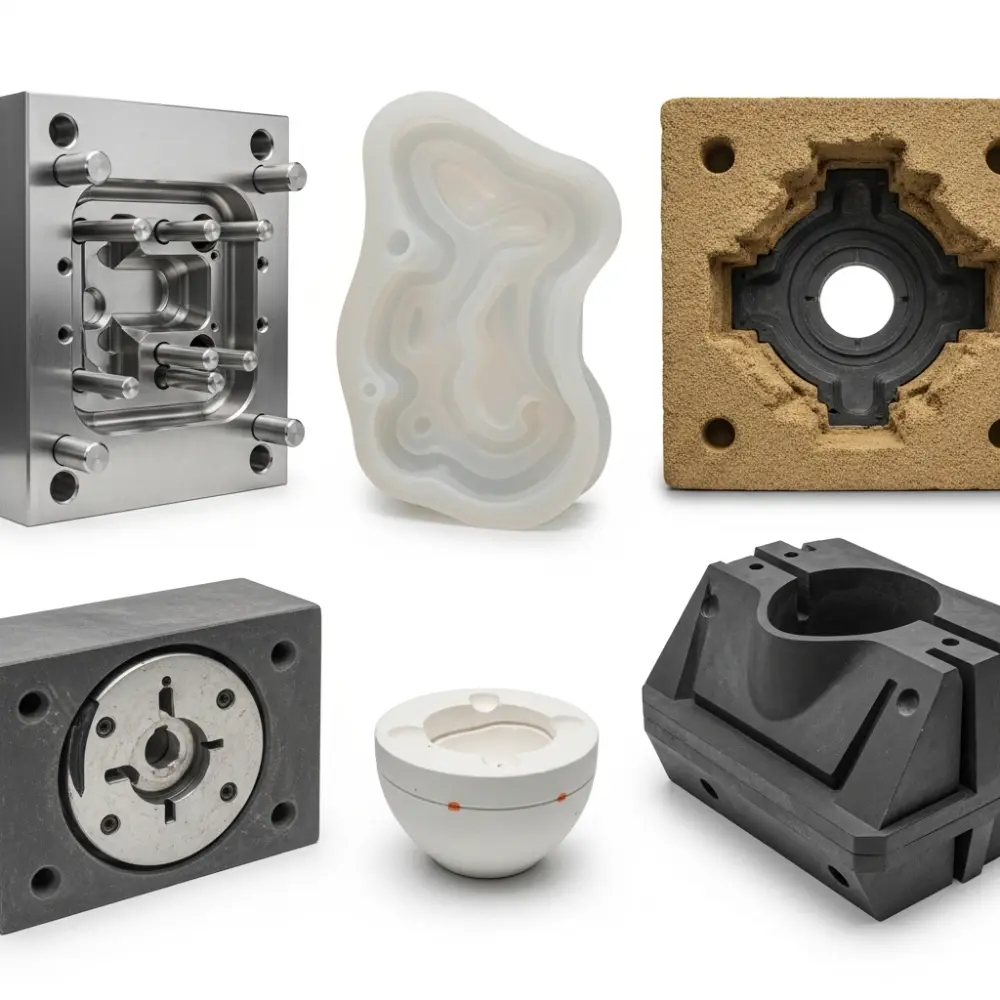
Home > Product > Material Versatility

Material Versatility

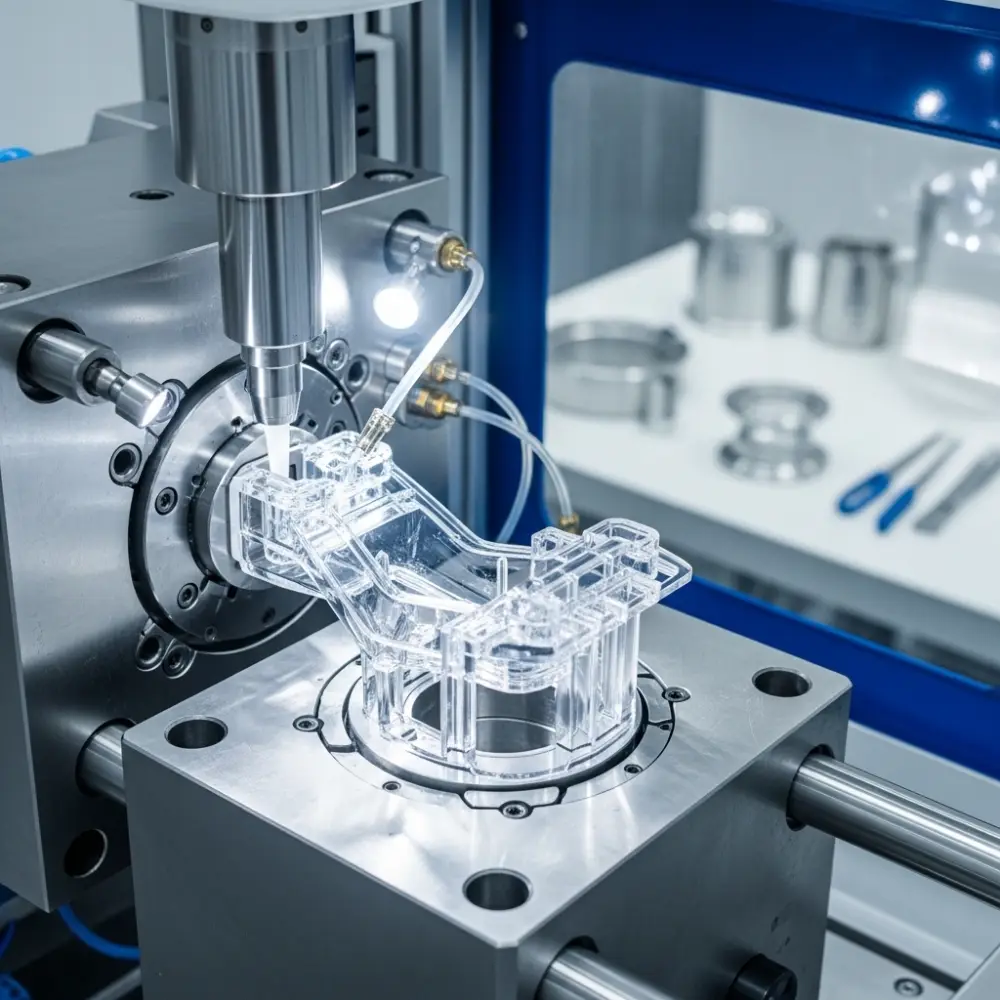
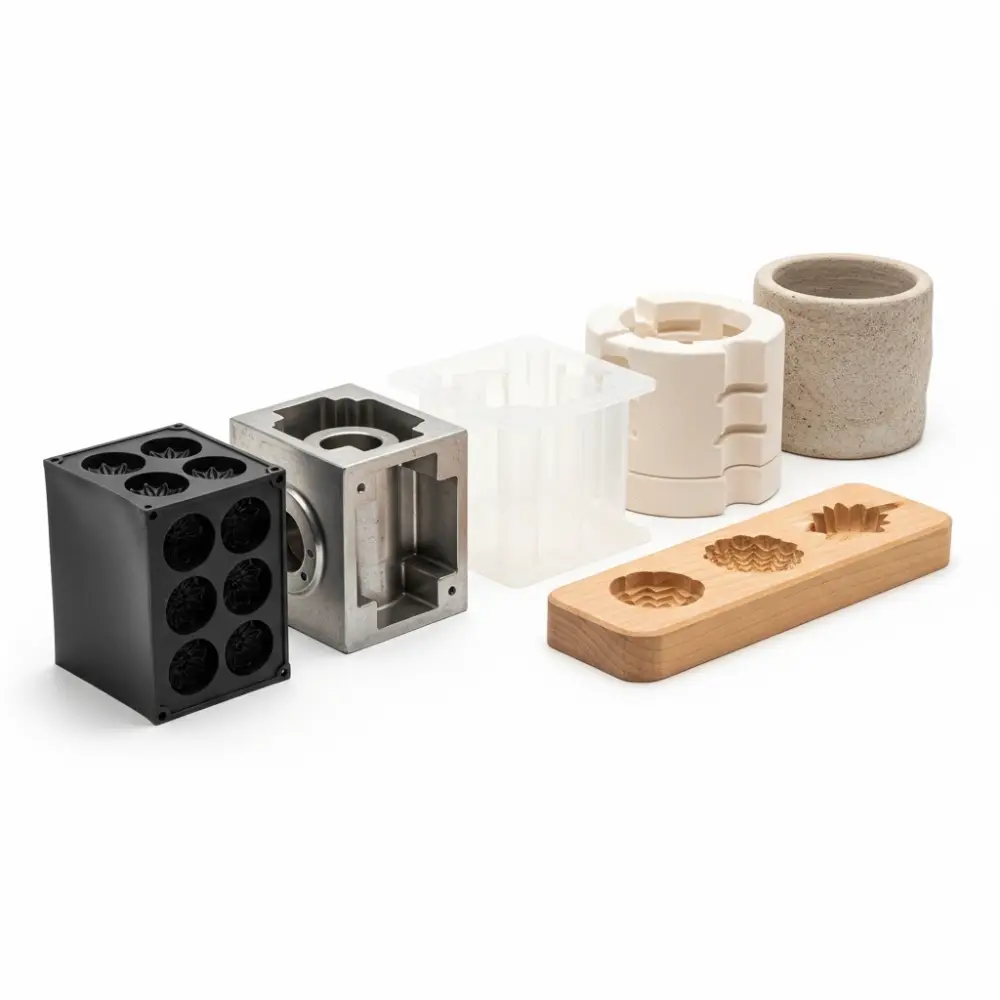
Material Versatility allows the same process to work with metals, plastics, and composites, enabling flexible, efficient, and high-quality manufacturing.

  • Works with multiple materials efficiently.
  • Reduces production limitations.
  • Enables cost optimization.
  • Increases design flexibility.
  • Speeds up prototyping and iteration.

Product Details

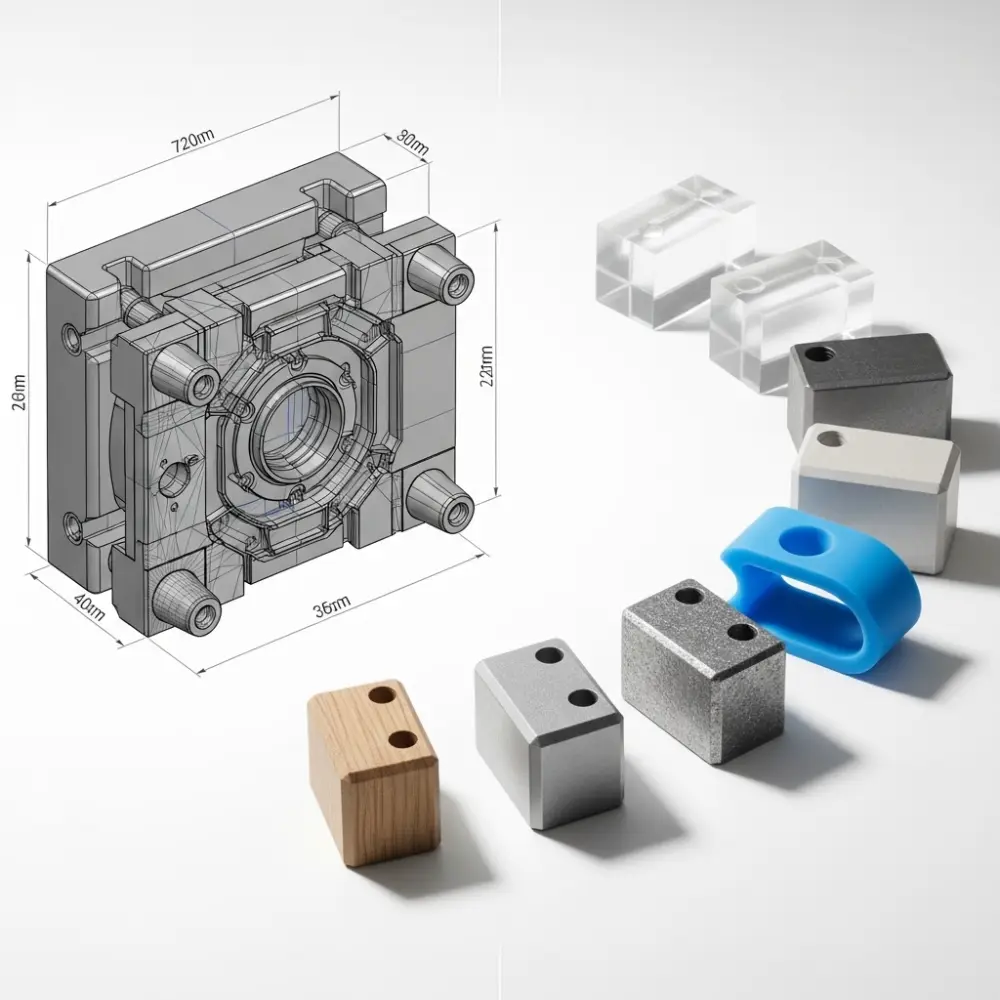
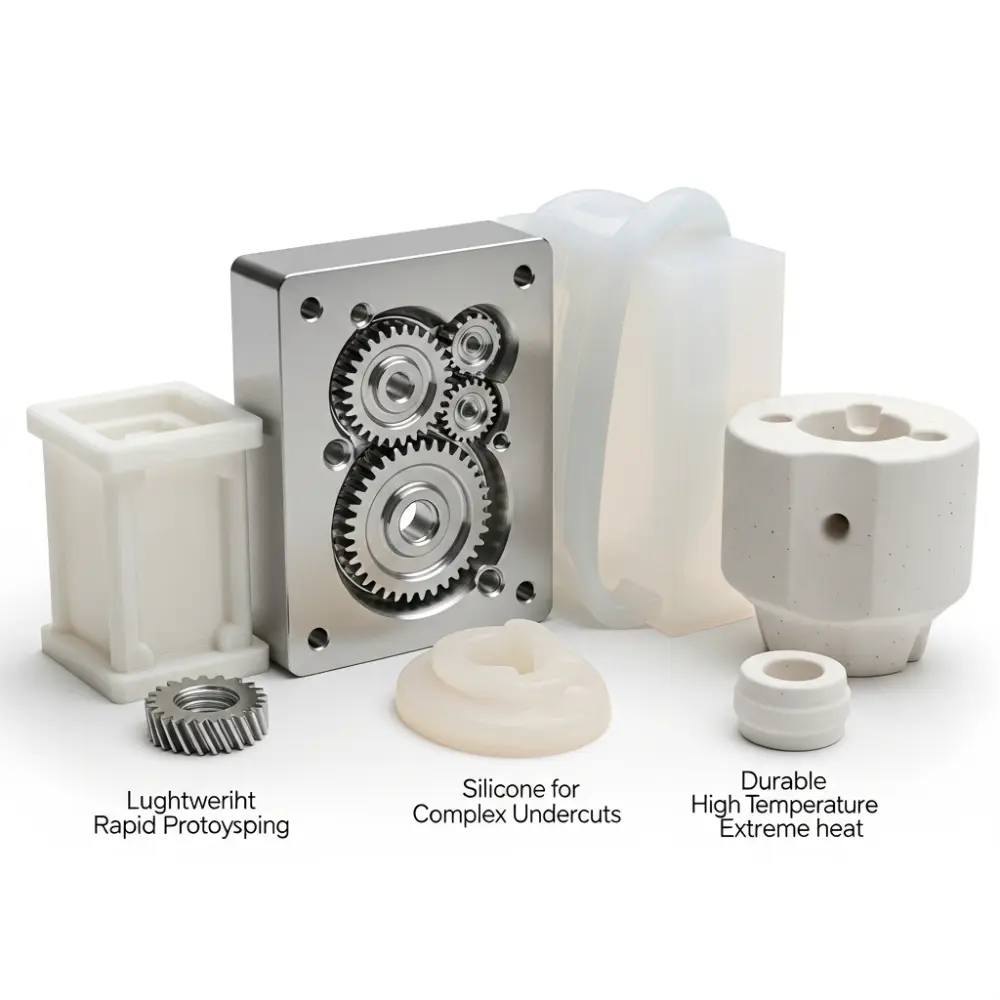
Material Versatility refers to the ability of a manufacturing process, tool, or technology to work effectively with a wide range of materials—metals, plastics, composites, and more. It allows designers and engineers to choose the most suitable material for performance, cost, and aesthetics without being limited by processing constraints.
What Are Material Versatility?

Material Versatility means flexibility in material selection. It enables:

  • Working with metals, plastics, and composites

  • Adapting processes to different material properties

  • Maintaining product quality across diverse materials

  • Allowing design creativity without material limitations

In short, it ensures the same manufacturing process or tool can handle multiple material types efficiently.

Applications of  Material Versatility

Material versatility is critical across industries:

  1. Electronics – Housings, connectors, and heat sinks with varied materials

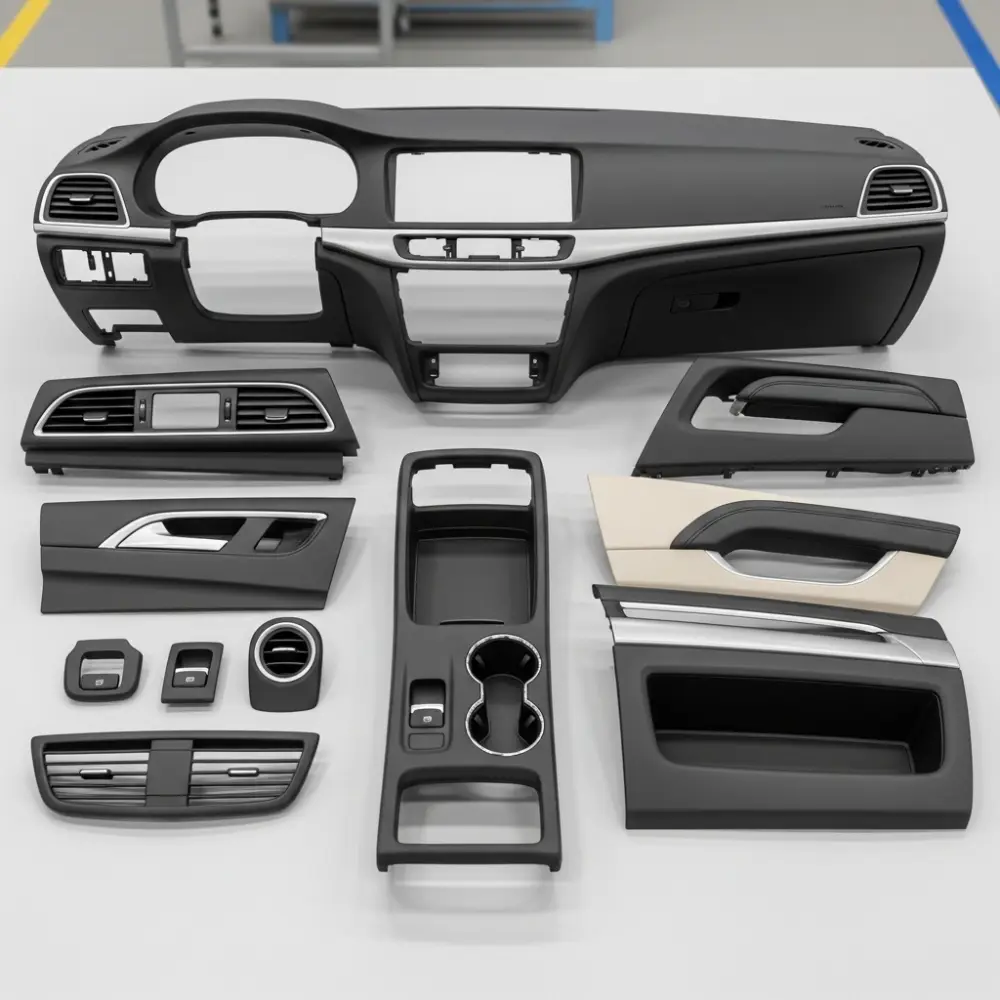
  2. Automotive – Metal brackets, plastic trims, and composite body panels

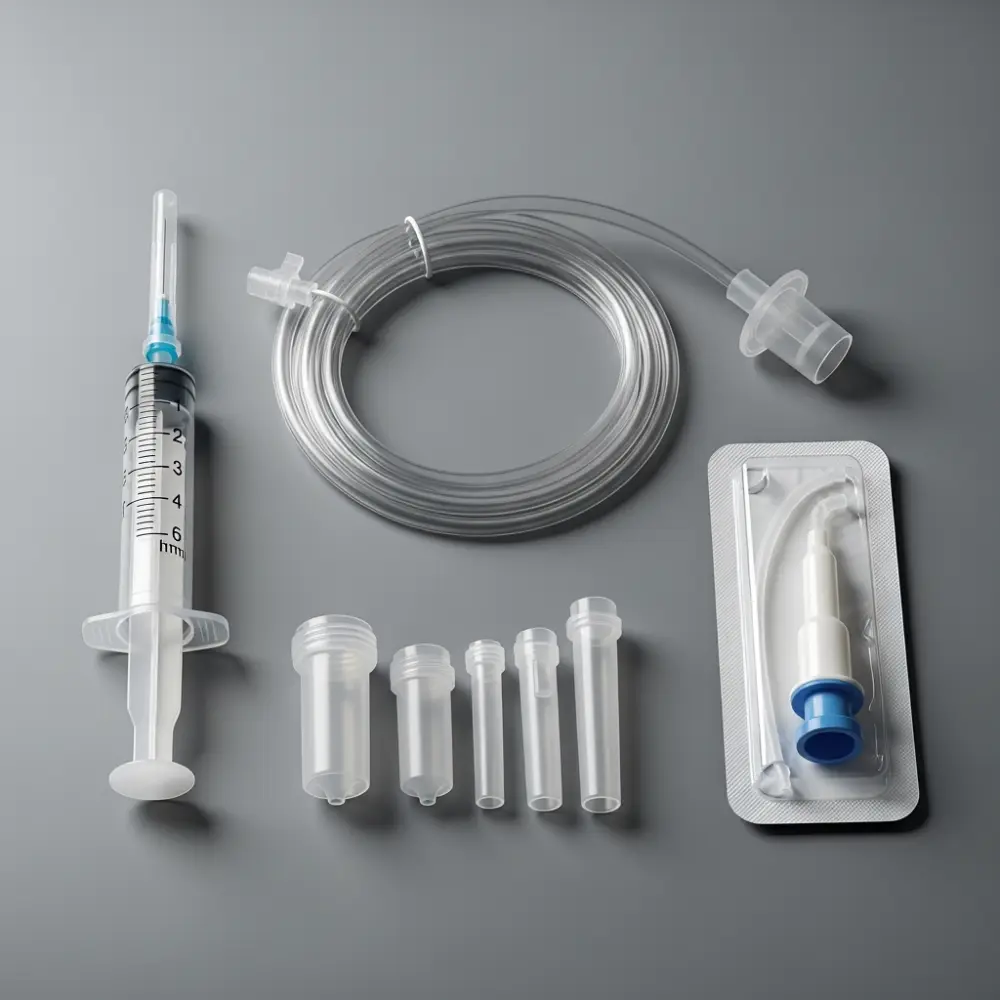
  3. Medical Devices – Surgical tools, implants, and instrument housings

  4. Industrial Equipment – Machine parts with different metal or polymer compositions

  5. Consumer Products – Durable home appliances, decorative items, and wearable devices

This flexibility allows manufacturers to optimize cost, weight, strength, and appearance.


Composites manufacturing

Flexible manufacturing

Advantages of Material Versatility

  • Works efficiently with metals, plastics, and composite materials.

  • Reduces production limits, allowing faster adaptation to designs.

  • Optimizes costs while maintaining high-quality product output.

  • Increases flexibility in design for customized product solutions.

  • Speeds prototyping and iteration for multiple material applications.

Why Choose Material Versatility?

Choosing a material-versatile approach ensures:

  • Broader material options for specific product needs

  • Faster adaptation to new designs and innovations

  • Cost-effective production without compromising quality

  • Greater competitive advantage in multi-material applications

In modern manufacturing, material versatility is essential for innovation, efficiency, and high-quality output.

FAQ

1. How does Material Versatility benefit prototyping?
Answer:

It allows rapid testing and iteration with different materials without changing processes.

2. Which materials are compatible with versatile manufacturing processes?
Answer:

Metals, plastics, composites, and other specialized industrial materials can be used.

3. Does Material Versatility affect product quality?
Answer:

No, it maintains or improves product quality across diverse materials.

4. How does it improve design flexibility?
Answer:

Engineers can choose materials based on performance, appearance, and cost needs.

5. Can Material Versatility support both small and large-scale production?
Answer:

Yes, it adapts to prototypes, pilot runs, and mass manufacturing efficiently.