Home > Product > Automotive Sensor Housing Injection Molding

Automotive Sensor Housing Injection Molding

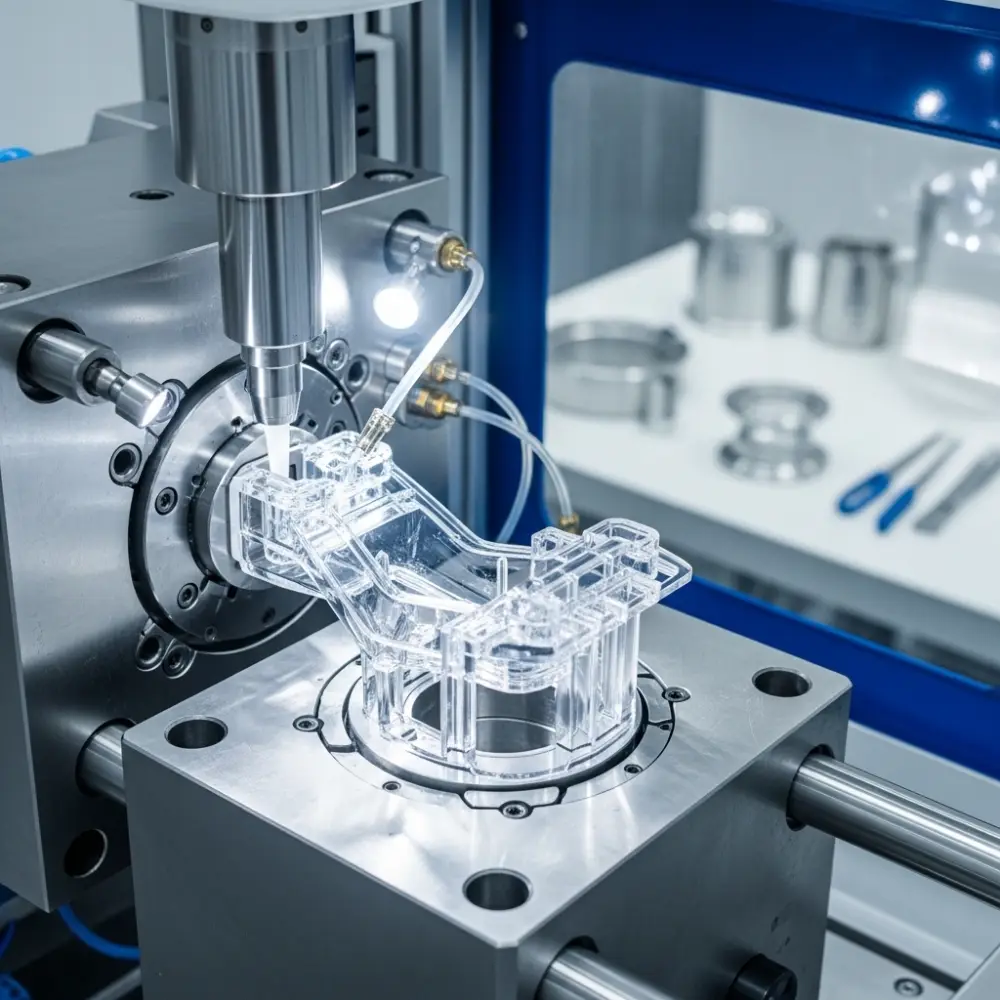
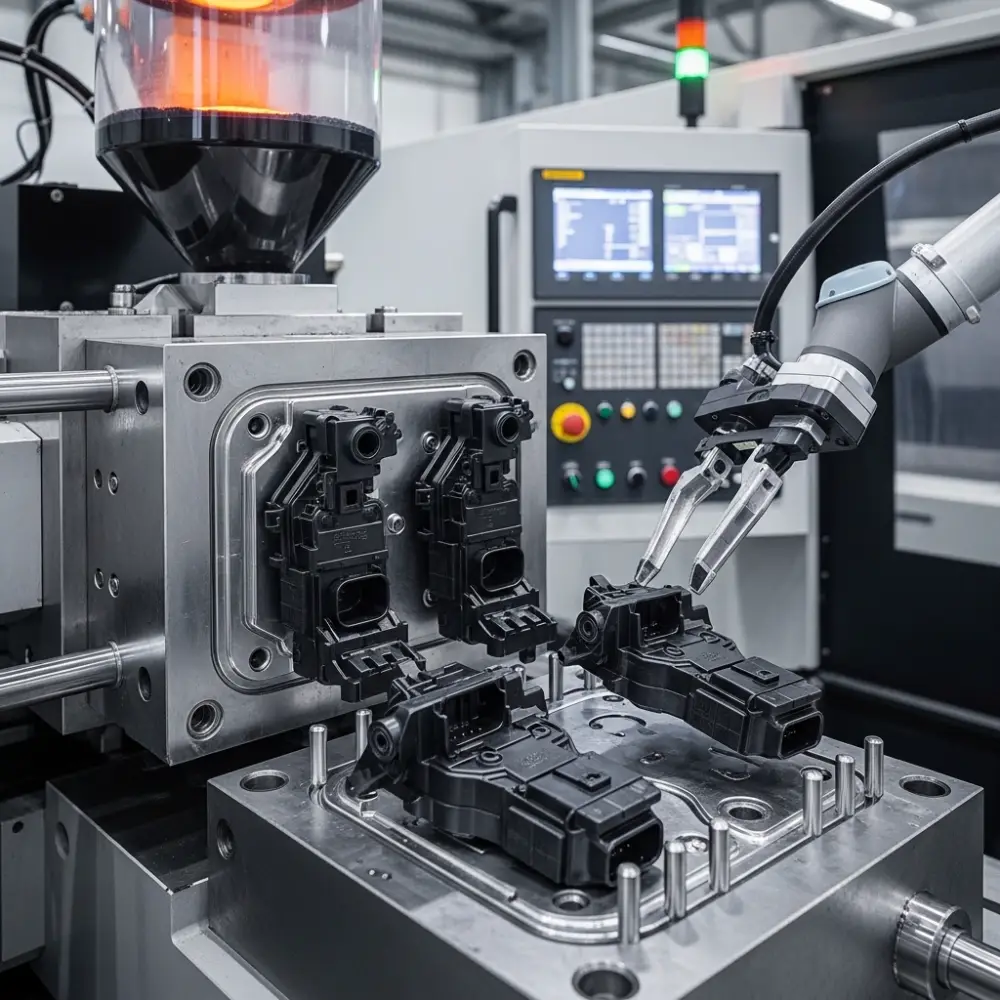
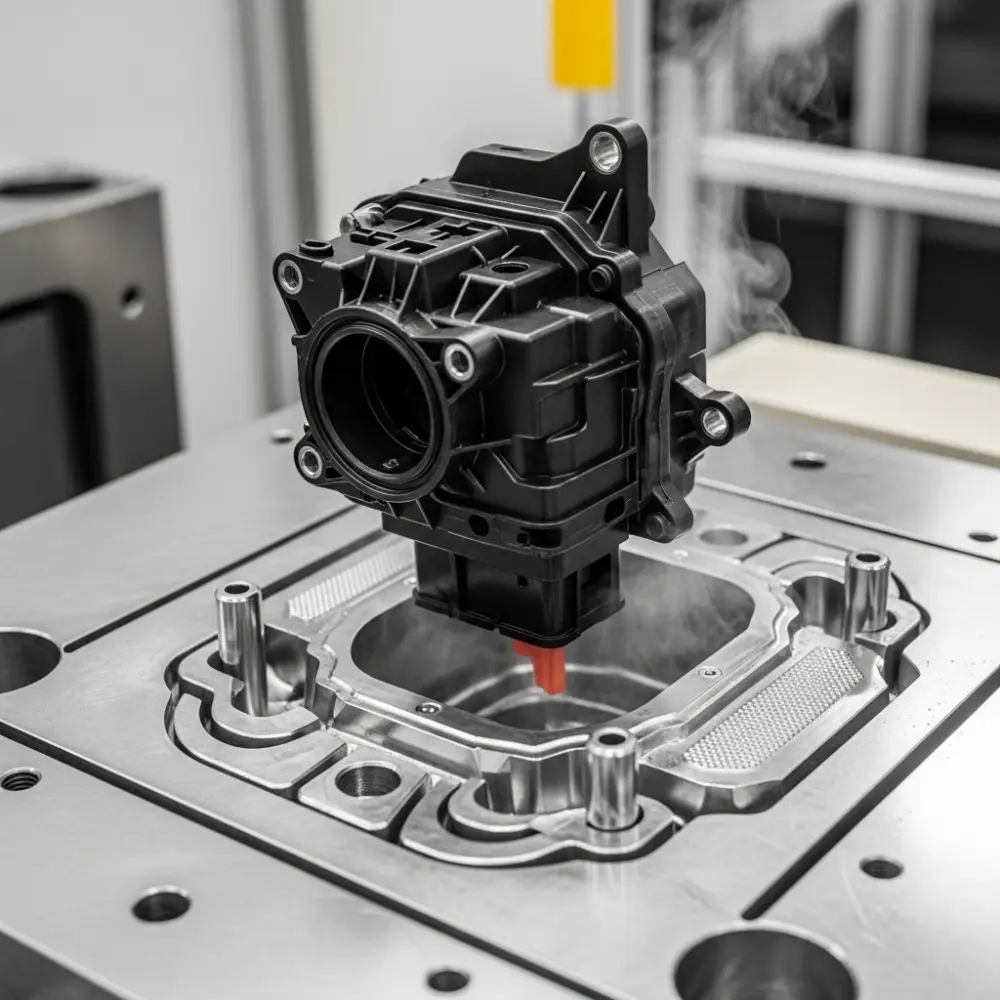
Automotive Sensor Housing Injection Molding is a process that produces durable plastic enclosures for vehicle sensors, protecting them from harsh environments and ensuring reliable performance.

  • Versatility – Suitable for various sensor types and applications.
  • High Strength – Provides robust protection against impacts.
  • Easy Integration – Simplifies assembly within the vehicle.
  • Corrosion Resistance – Protects sensors from rust and degradation.
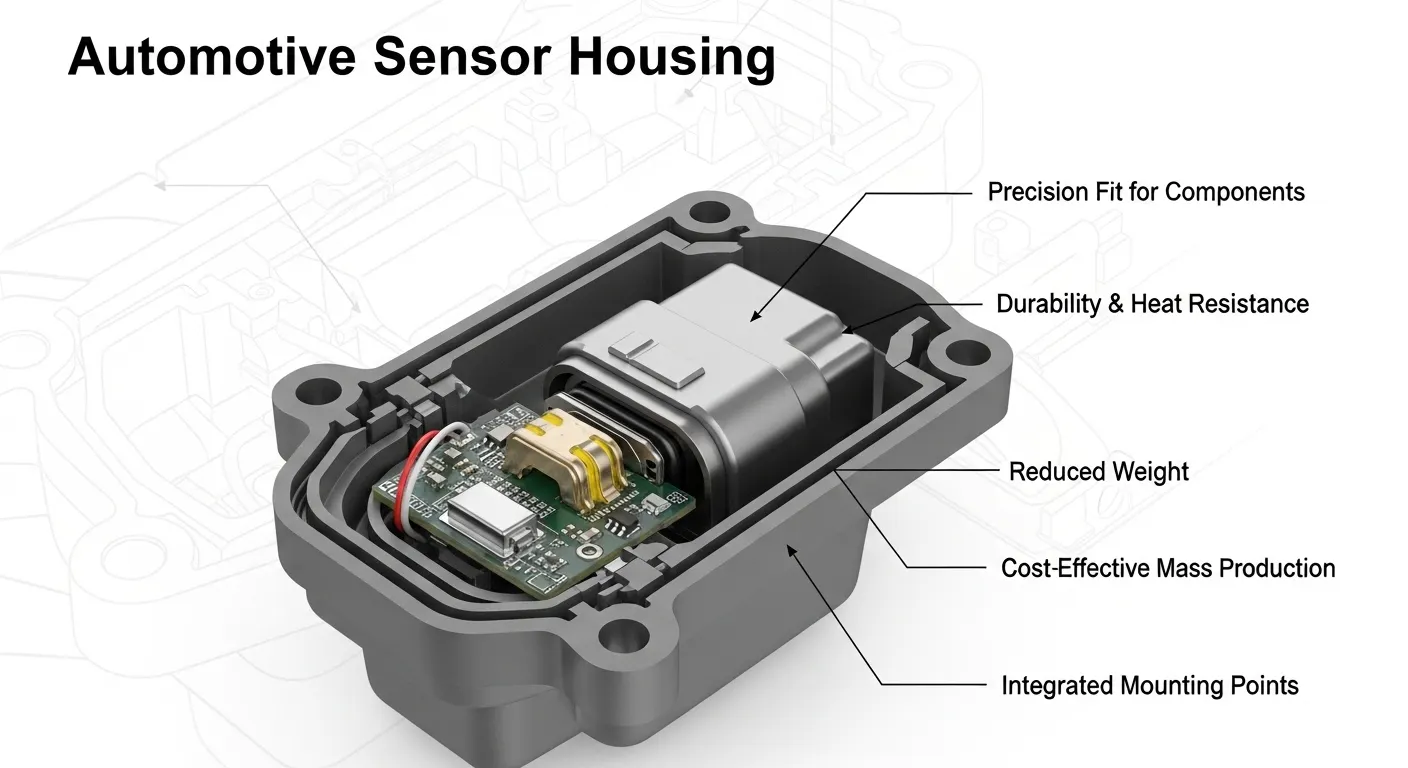
  • Custom Designs – Allows for tailored shapes and sizes for specific needs.

Product Details

Automotive Sensor Housing Injection Molding is the process of creating plastic enclosures that house automotive sensors, which monitor and control various vehicle systems. These housings are formed by injecting plastic into molds, providing strong, lightweight protection for sensors that measure temperature, pressure, speed, and other critical factors in the vehicle’s operation.

What is Automotive Sensor Housing Injection Molding?

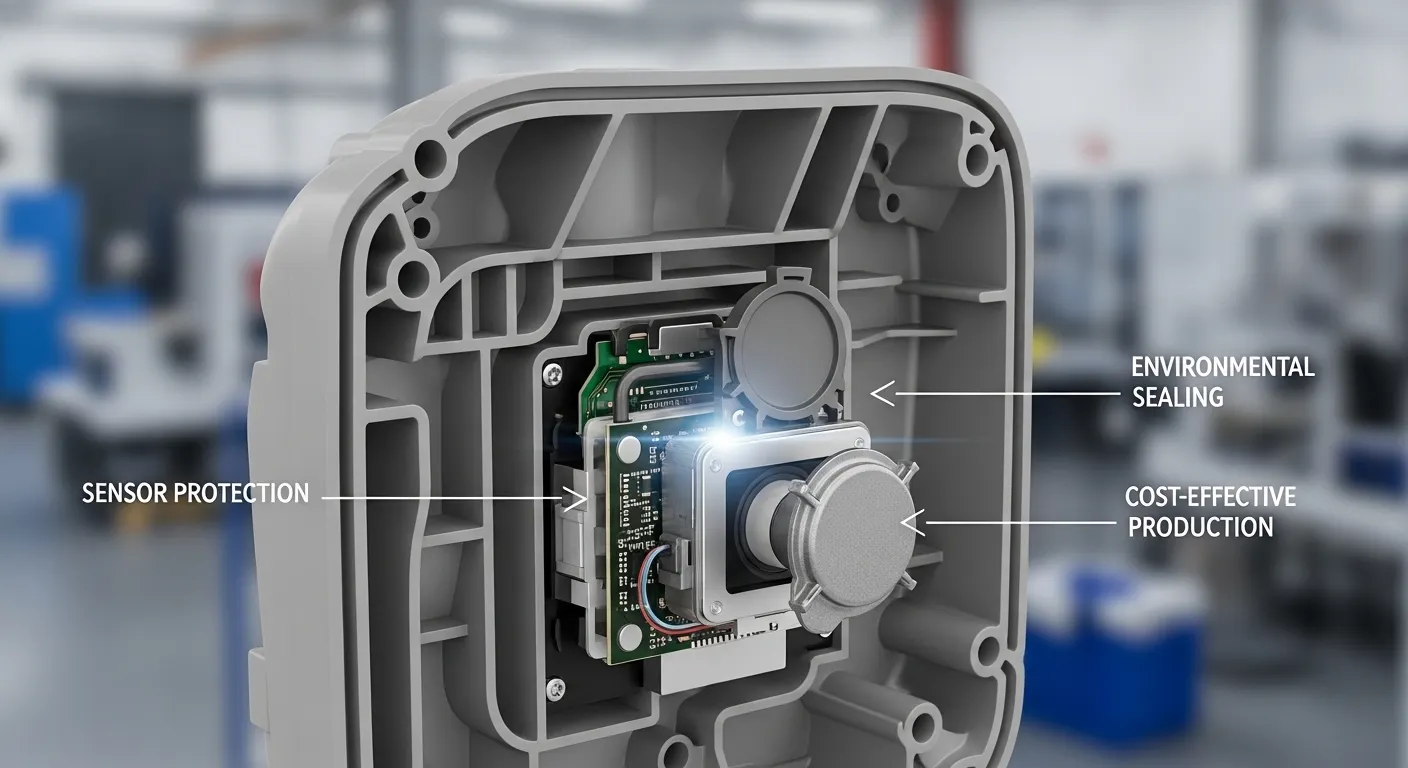
Automotive Sensor Housing Injection Molding is a manufacturing process used to produce durable and precise plastic enclosures that protect automotive sensors. This technique involves injecting molten plastic into a mold to create high-quality parts designed to safeguard the sensitive electronics of vehicle sensors from harsh environments such as moisture, dust, and extreme temperatures.

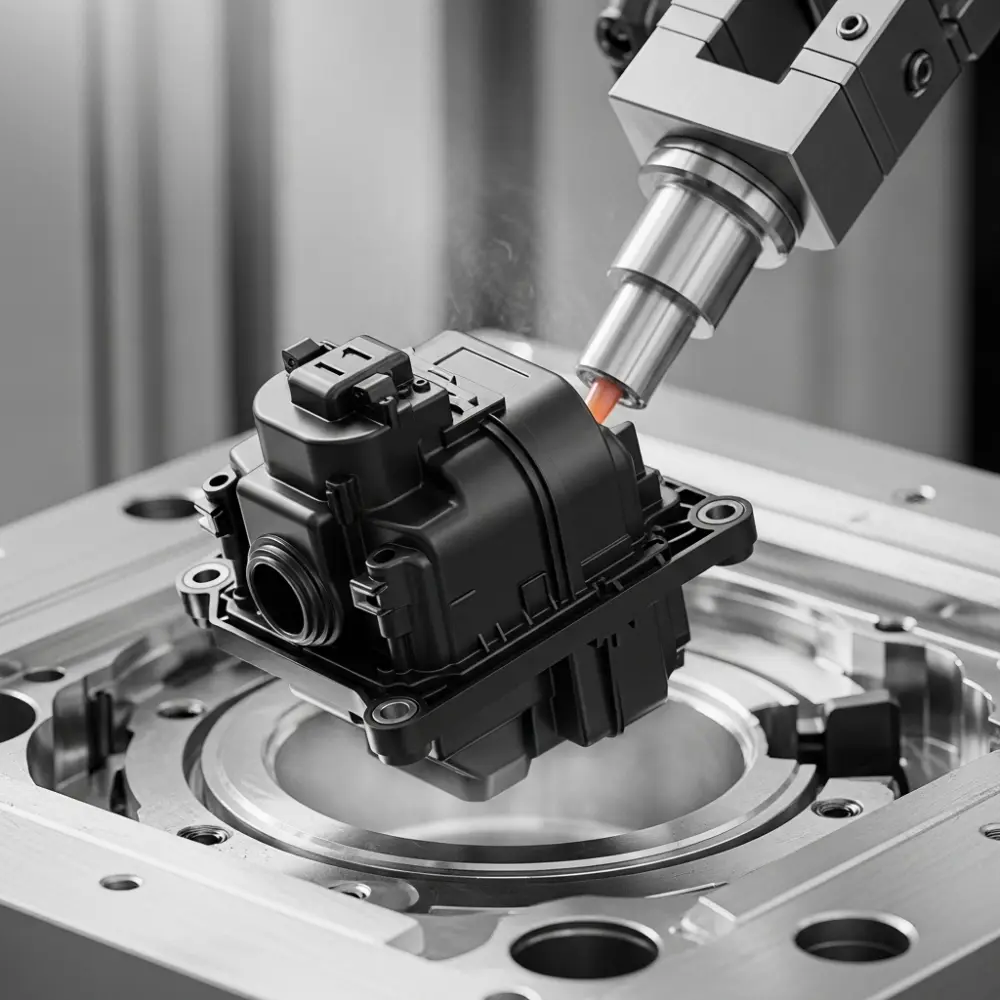
Automotive sensor
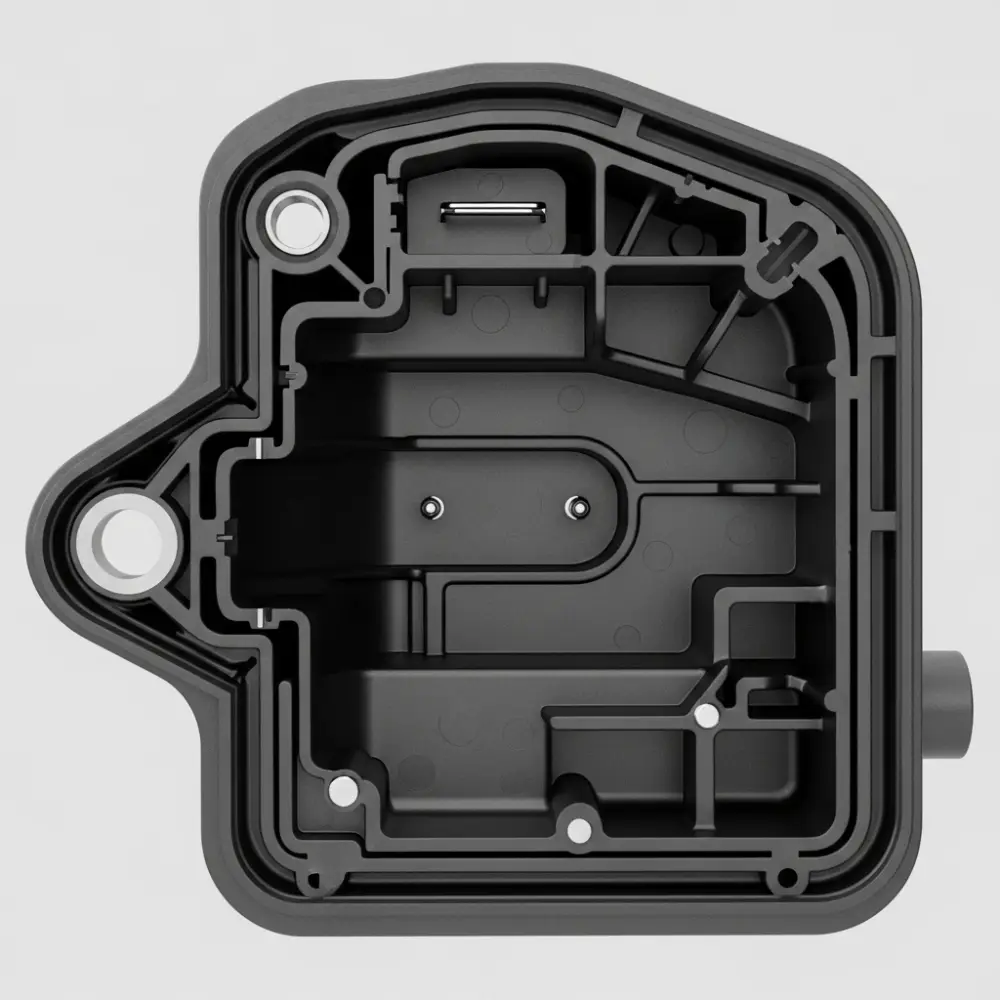
Plastic sensor housings

Key Features of Automotive Sensor Housing Injection Molding

  • High Precision – Ensures that the housing fits the sensor perfectly for optimal performance.

  • Durability – Resistant to wear, heat, and harsh environmental conditions.

  • Lightweight – Reduces the overall weight of the vehicle, improving fuel efficiency.

  • Customizable – Can be tailored to fit different sensor types and vehicle applications.

  • Cost-Effective – Injection molding is an efficient, scalable process that lowers manufacturing costs.

Applications of Automotive Sensor Housing Injection Molding

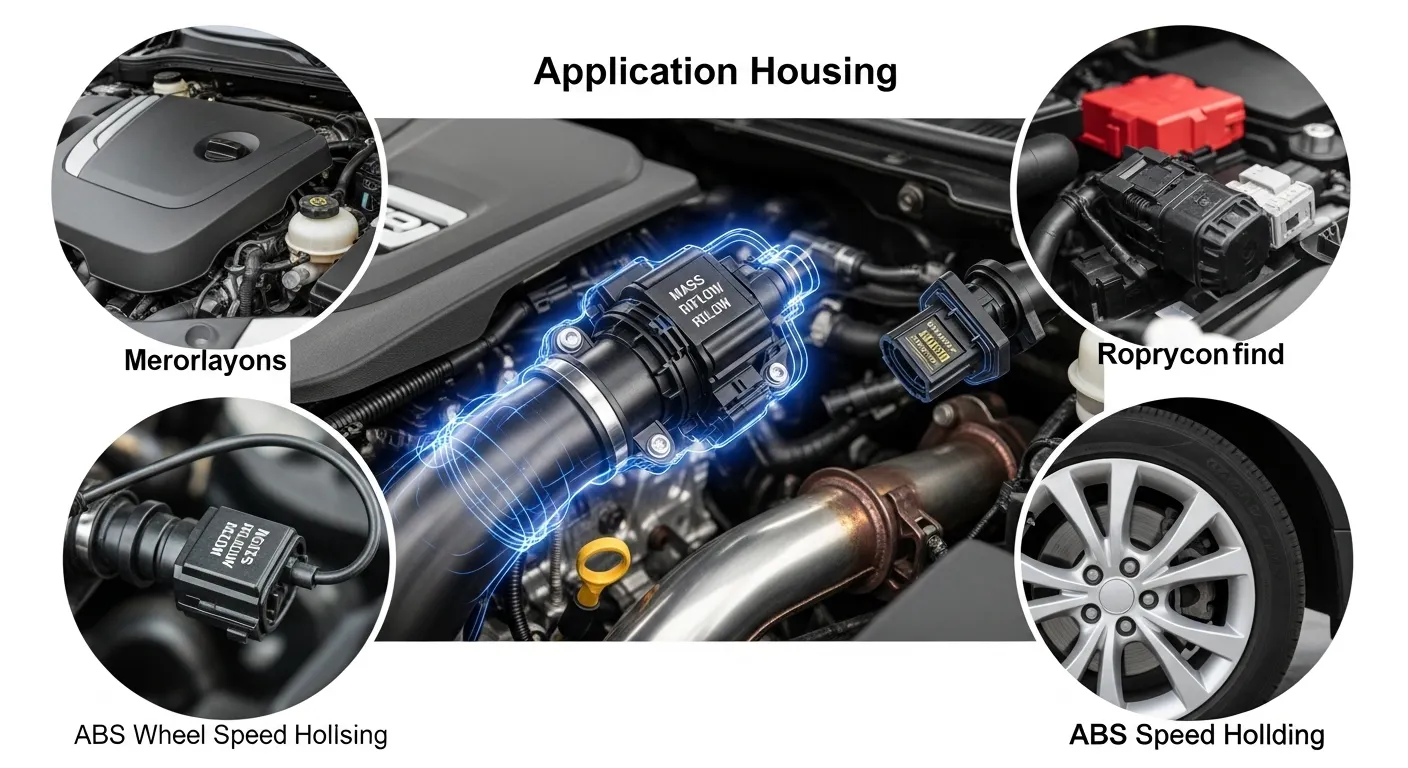
  • Engine Control Systems – Protects sensors that monitor engine temperature, pressure, and speed.

  • Safety Systems – Houses sensors for airbags, crash detection, and other safety features.

  • Navigation and Infotainment – Protects sensors used for vehicle navigation and entertainment systems.

  • Battery Management Systems – Safeguards sensors in electric vehicles that monitor battery health and performance.

Automotive sensor housing
Injection molded sensor housings

Why Choose Automotive Sensor Housing Injection Molding?

  • Enhanced Protection – Provides robust protection for sensitive sensors in challenging environments.

  • Optimized Performance – Ensures that sensors remain secure and functional, contributing to accurate data collection.

  • Weight Reduction – Helps reduce vehicle weight, enhancing overall efficiency.

  • Cost-Effective Production – Offers a low-cost solution for mass production with high-quality results.

  • Design Flexibility – Allows for the creation of custom, intricate designs suited for various sensors and applications.

FAQ

1. Why are plastic housings used for automotive sensors?
Answer:

Plastic is lightweight, durable, cost-effective, and offers resistance to moisture, dust, and other harsh conditions.

2. How do molded sensor housings improve vehicle safety?
Answer:

They protect critical sensors involved in safety features like airbags, collision detection, and stability control, enhancing overall vehicle safety.

3. What role do sensor housings play in emission control systems?
Answer:

They protect sensors used to monitor and control emissions, ensuring compliance with environmental standards.

4. How do sensor housings improve sensor performance?
Answer:

By providing secure protection, sensor housings help ensure that sensors remain accurate and functional, even in challenging environments.

5. What testing is done on automotive sensor housings?
Answer:

Sensor housings undergo rigorous testing, including impact resistance, temperature stability, and environmental durability to meet industry standards.