Home > Product > Medical Grade Plastic Molding

Medical Grade Plastic Molding

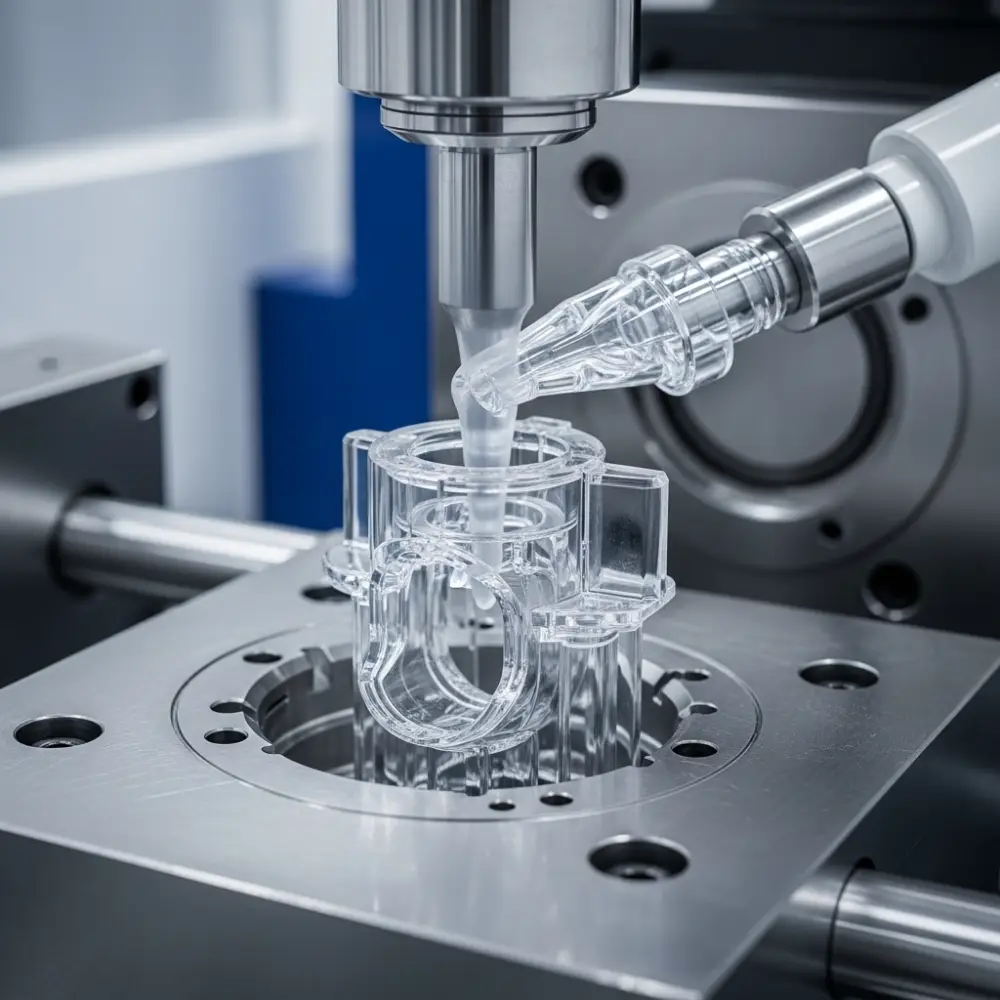
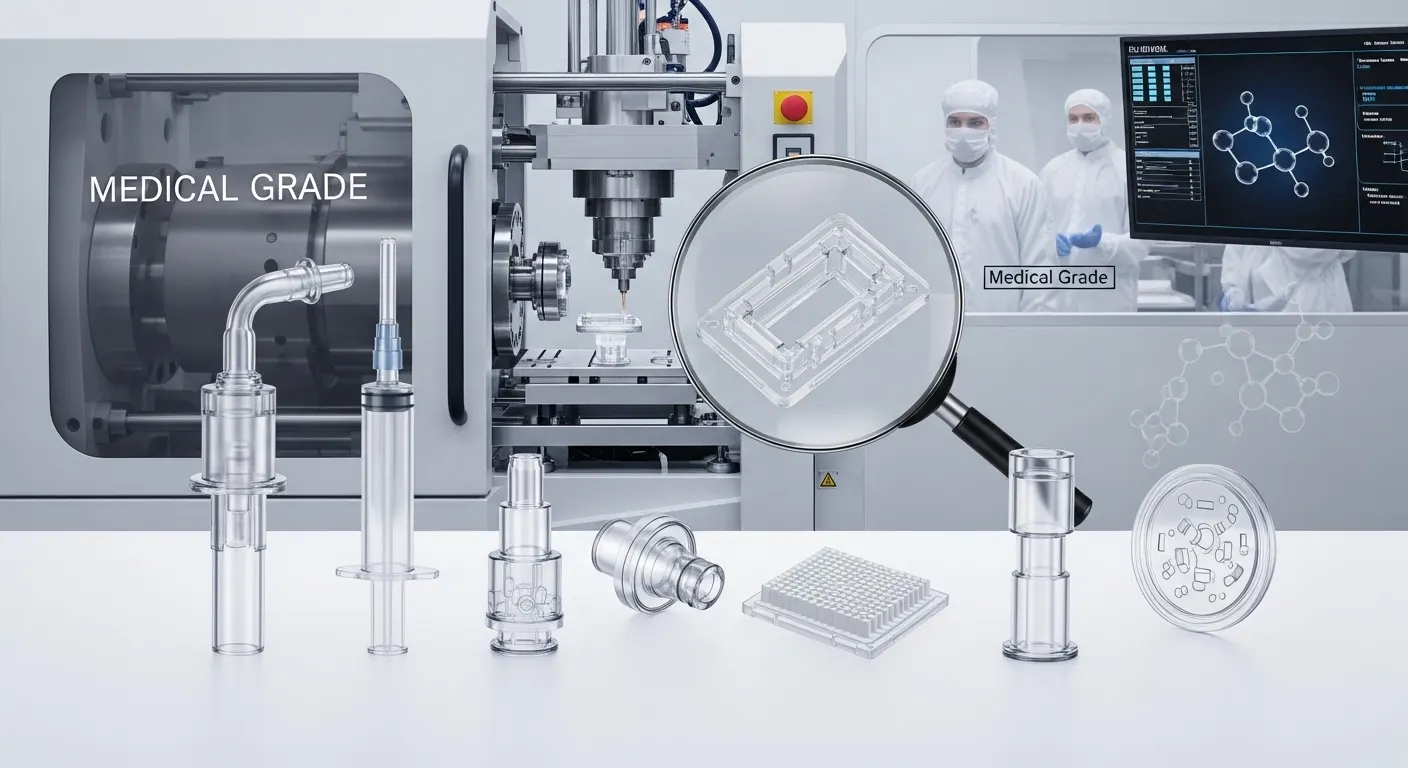
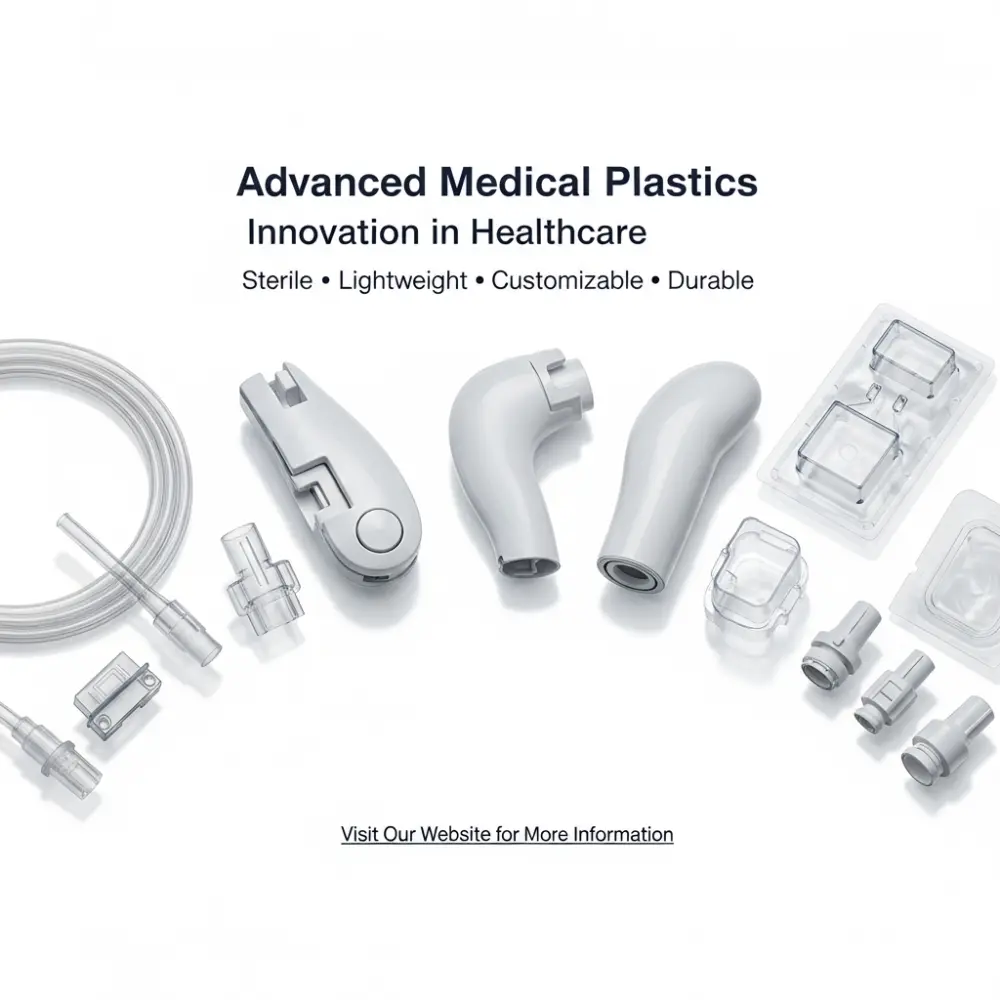
Medical Grade Plastic Molding shapes high-quality plastics for medical devices, ensuring safety, precision, and durability. It enables cost-effective production of essential healthcare components.
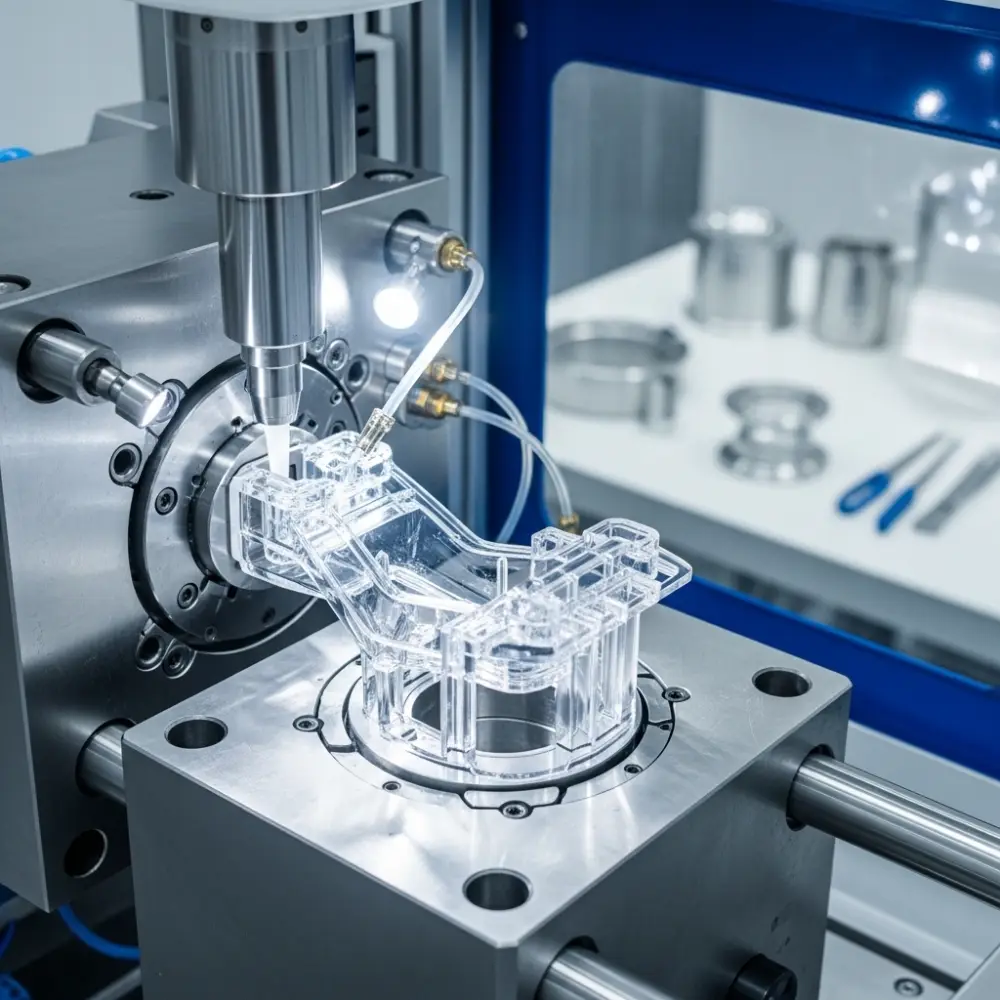
  • Flexible Design – Allows for complex shapes and intricate details.
  • Consistent Quality – Ensures uniformity across large batches.
  • Quick Production – Speeds up manufacturing times.
  • Lightweight – Reduces the overall weight of medical devices.
  • Chemical Resistance – Resists damage from medical-grade disinfectants and chemicals.

Product Details

Medical Grade Plastic Molding refers to the process of forming plastic materials specifically designed for use in medical applications. It involves injection molding, blow molding, or other techniques to create parts that meet stringent medical and regulatory standards. These parts are often used in devices that come into direct contact with patients or medical professionals.
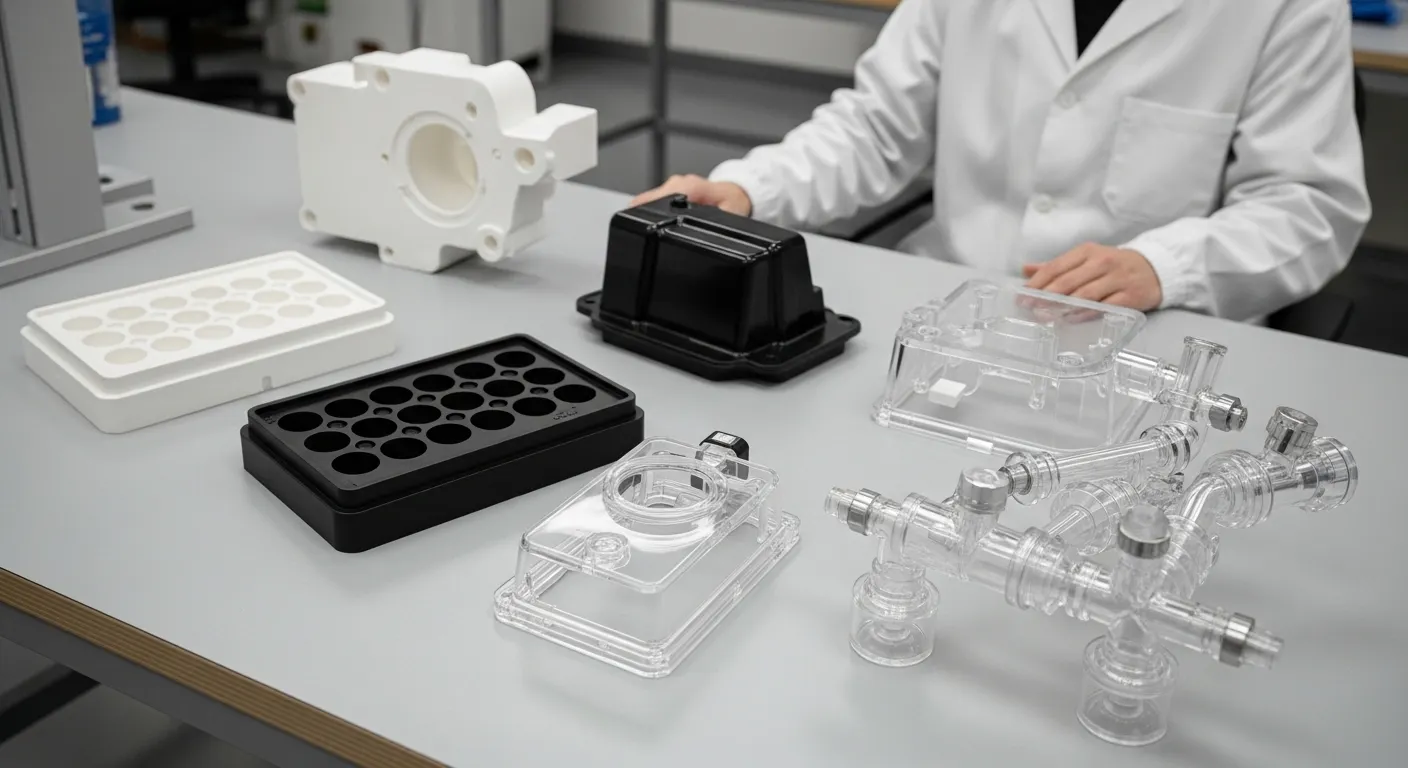
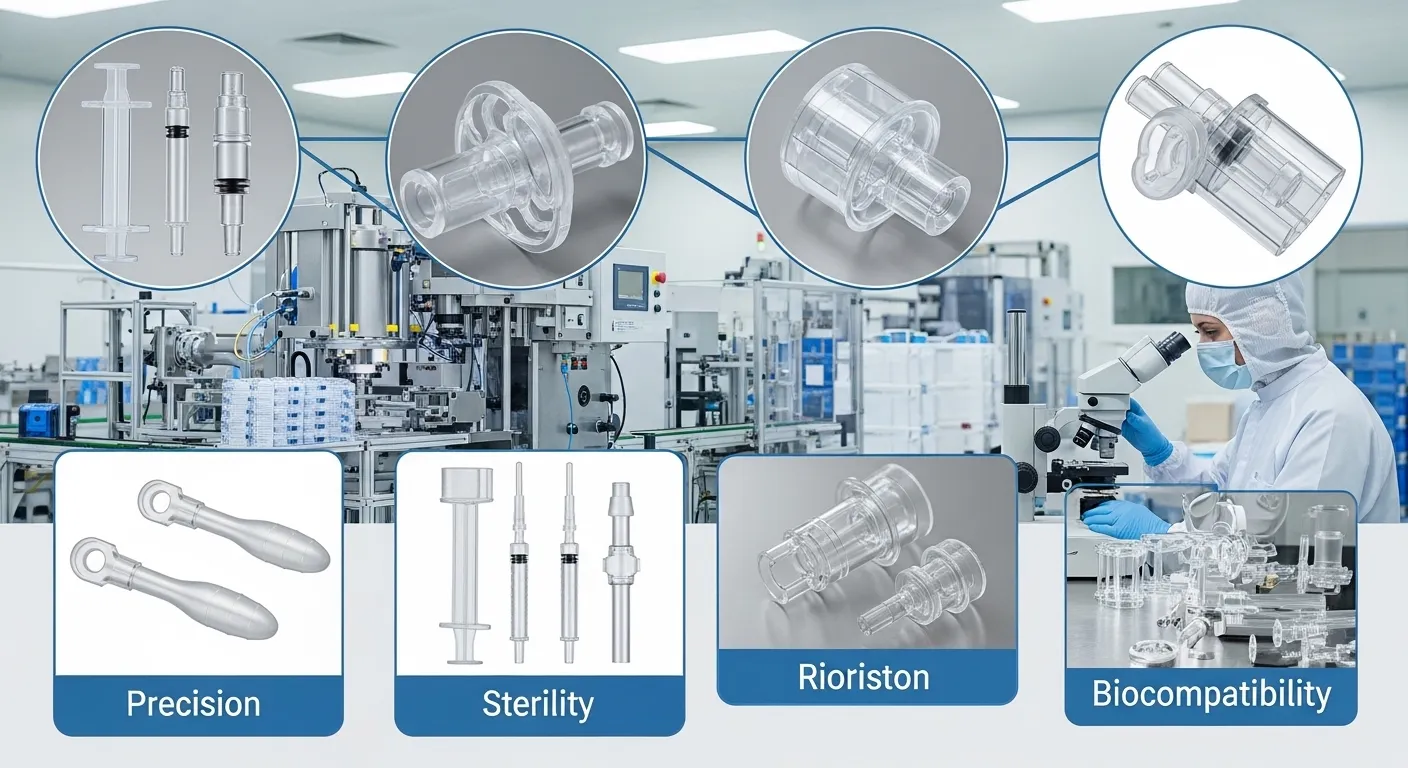
What is Medical Grade Plastic Molding?

Medical Grade Plastic Molding is a specialized process that involves shaping high-quality plastics to create components used in healthcare products. These plastics are designed to meet strict industry standards for safety, performance, and biocompatibility. The molding process allows for the mass production of precise, durable, and sterile parts needed for medical devices, instruments, and tools.

Medical device plastic molding
Precision plastic molding for healthcare

Key Features of Medical Grade Plastic Molding

  • Biocompatible – Ensures safety when in contact with the human body.

  • Precise – High accuracy in manufacturing for critical medical applications.

  • Durable – Resistant to wear, corrosion, and extreme conditions.

  • Sterilizable – Capable of being sterilized to ensure safety in medical environments.

  • Customizable – Easily adapted for specific medical device requirements.

Applications of Medical Grade Plastic Molding

  • Surgical Instruments – Handles, grips, and other components for medical tools.

  • Implants – Prosthetics and other devices that replace or support bodily functions.

  • Diagnostic Equipment – Parts for devices like thermometers, blood pressure monitors, and test kits.

  • Drug Delivery Systems – Components used in syringes, inhalers, and infusion pumps.

  • Patient Care Devices – Parts for devices like wheelchairs, IV bags, and catheters.

Medical injection molding
Custom medical plastic molding

Why Choose Medical Grade Plastic Molding?

  • Compliance with Standards – Meets strict health and safety regulations, ensuring high-quality, reliable parts.

  • Cost Efficiency – Affordable production for high-volume manufacturing.

  • Quality Control – Ensures consistent, reliable components for critical medical applications.

  • Ease of Customization – Can be molded into specific designs to meet the needs of various medical devices.

  • Safety and Sterility – Materials used are safe, sterile, and suitable for direct contact with patients.

FAQ

1. What certifications are required for medical grade plastic parts?
Answer:

Medical grade plastic parts must meet certifications such as ISO 13485 for medical devices and comply with FDA regulations to ensure safety and quality.

2. What industries benefit from medical grade plastic molding?
Answer:

The healthcare industry, including hospitals, medical device manufacturers, and research labs, benefits from high-quality, precise molded plastic components.

3. How does medical grade plastic molding ensure uniformity?
Answer:

Molding processes like injection molding produce consistent, high-quality parts that meet strict tolerances, ensuring uniformity across production runs.

4. How does medical grade plastic molding improve device performance?
Answer:

It provides precise, reliable, and consistent components that contribute to the overall functionality, safety, and efficiency of medical devices.

5. How do medical grade plastic molded parts ensure safety?
Answer:

These parts meet stringent industry standards, such as FDA approval and ISO certifications, to ensure they are safe for patient use.