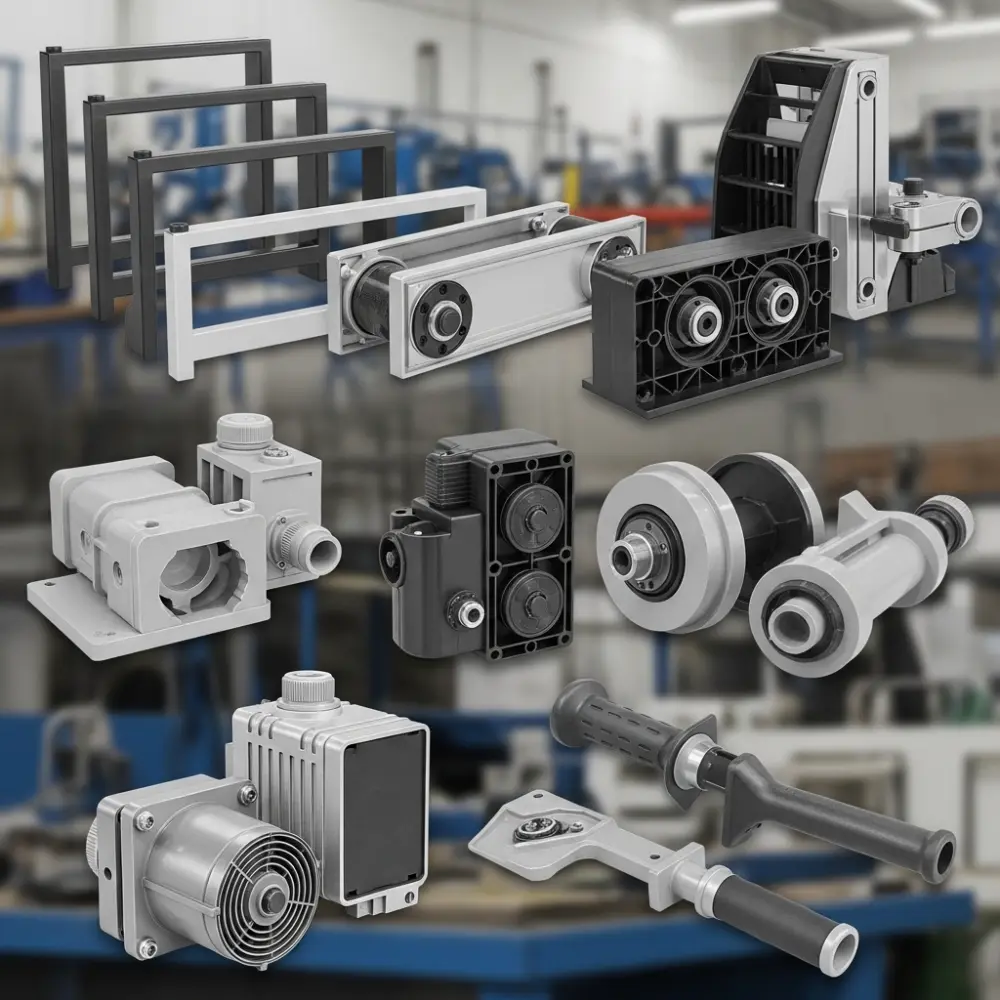


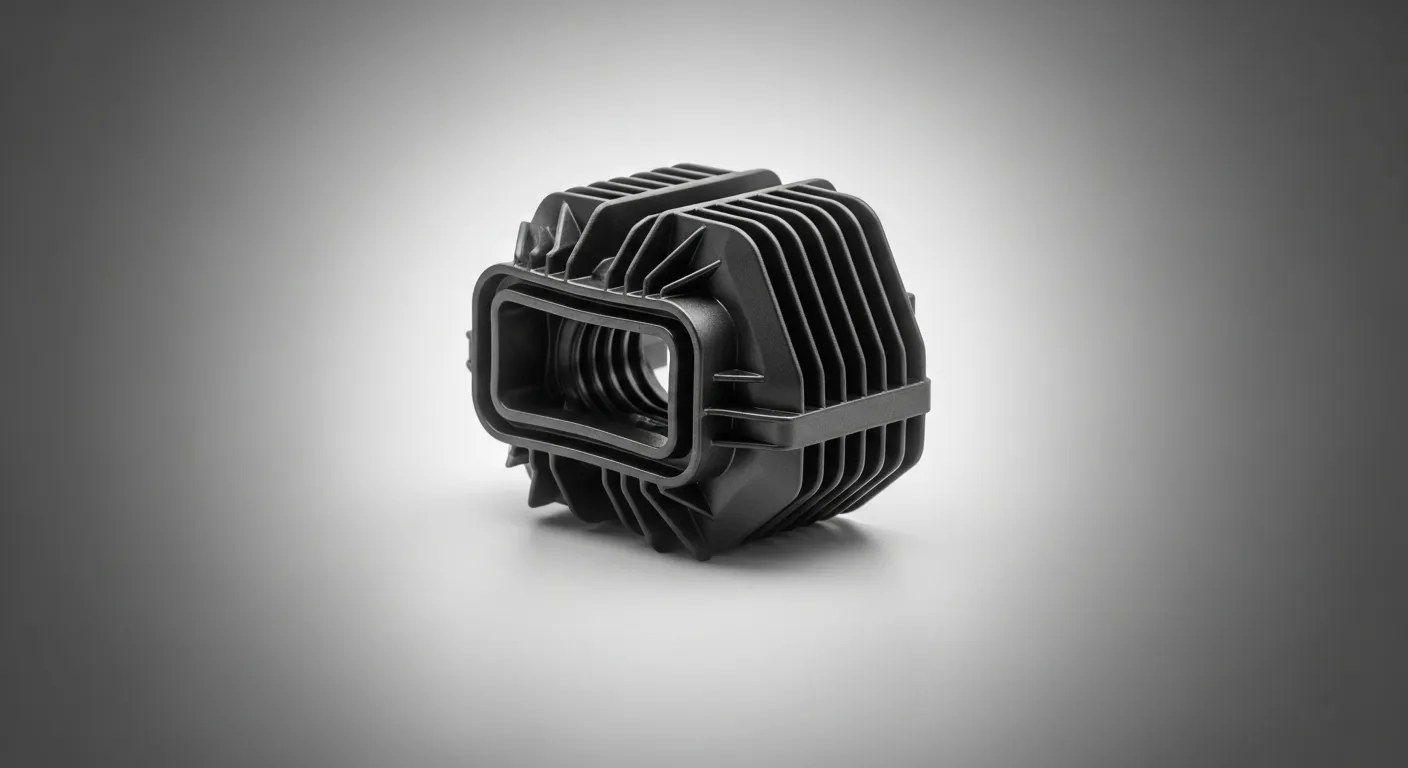
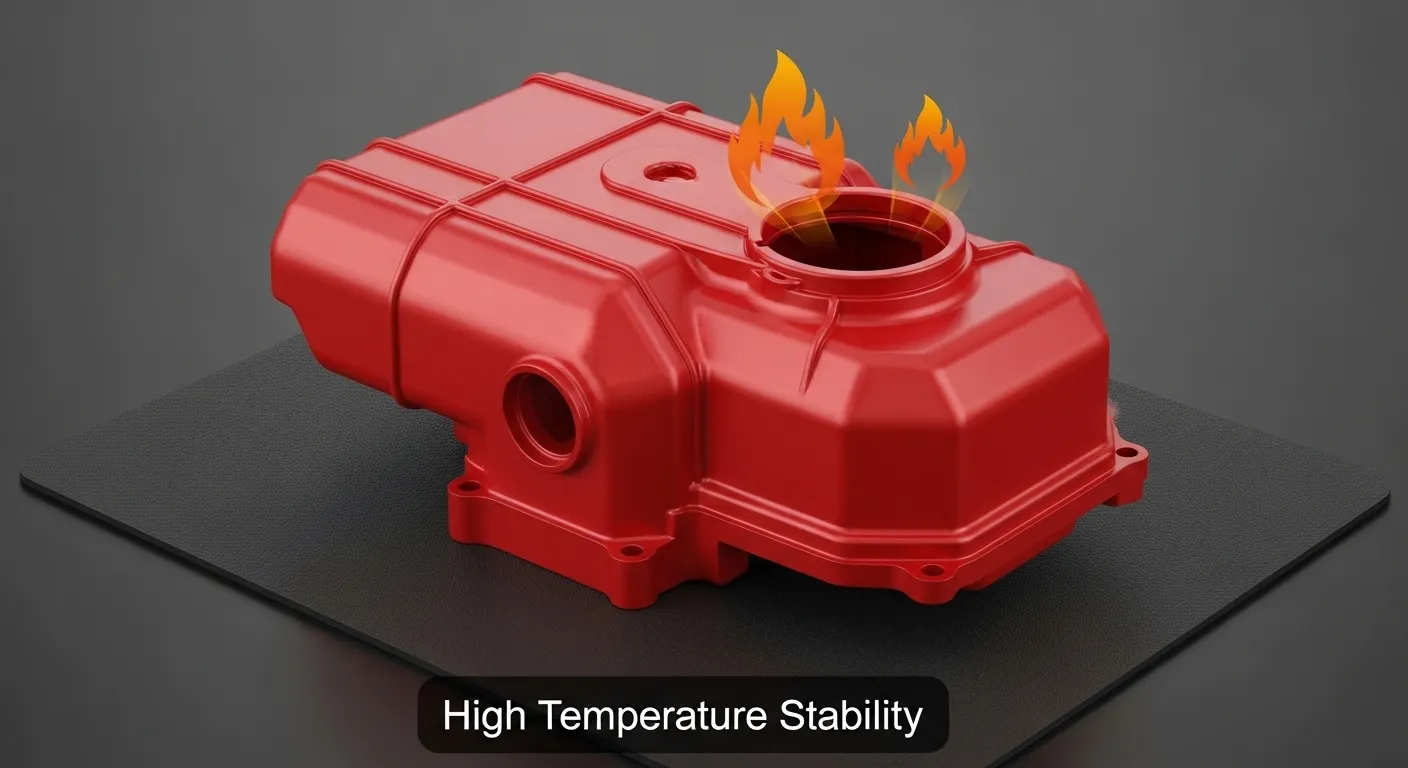
These molded polymers are designed to function under extreme thermal conditions without deformation. They provide stable support, protect delicate assemblies, and enable high-performance operation in heat-intensive environments.


Heat Resistant Injection Molded Parts
- Rapid Assembly Support – Simplifies integration into complex systems.
- Thermal Cycle Endurance – Maintains integrity through repeated heating and cooling.
- Compact Footprint – Conserves space within mechanical or electronic assemblies.
- Noise Dampening – Reduces vibration-induced sound in high-temperature equipment.
- Inspection Accessibility – Facilitates visual checks and component replacements.
Overview of Heat Resistant Injection Molded Parts
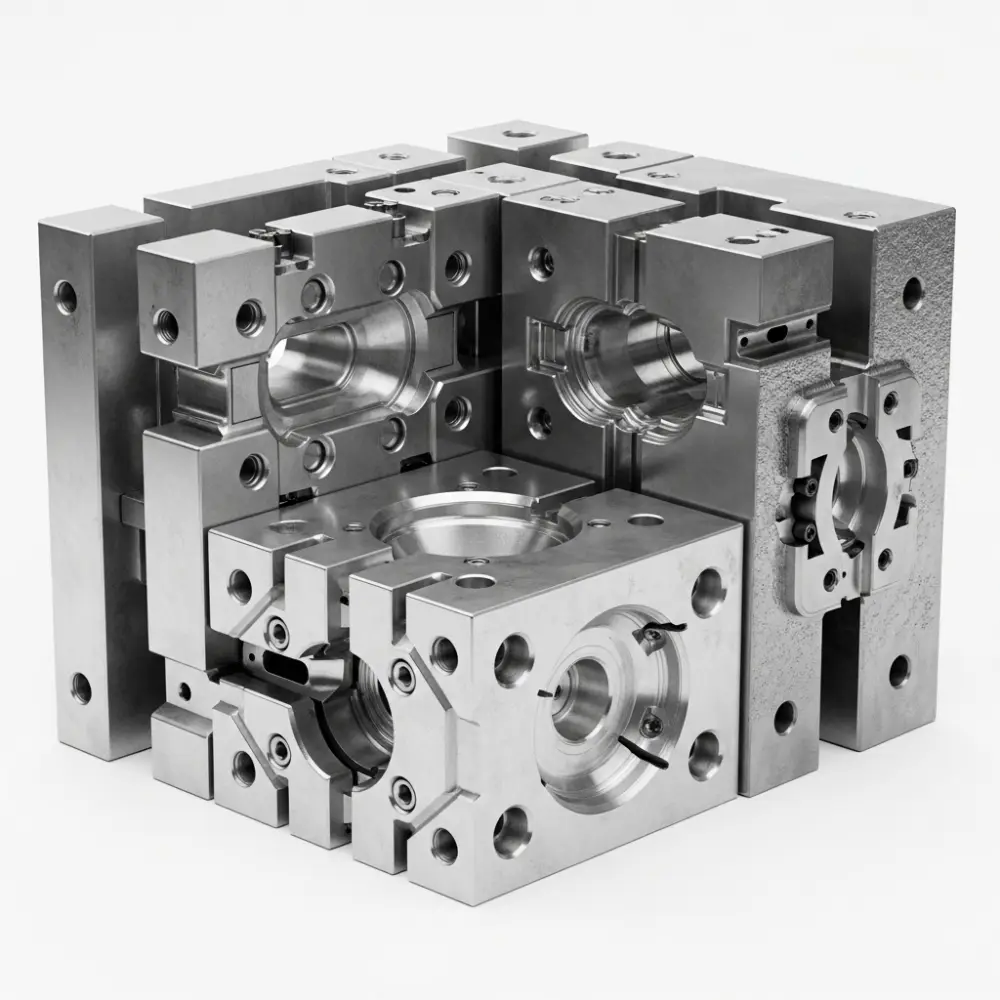
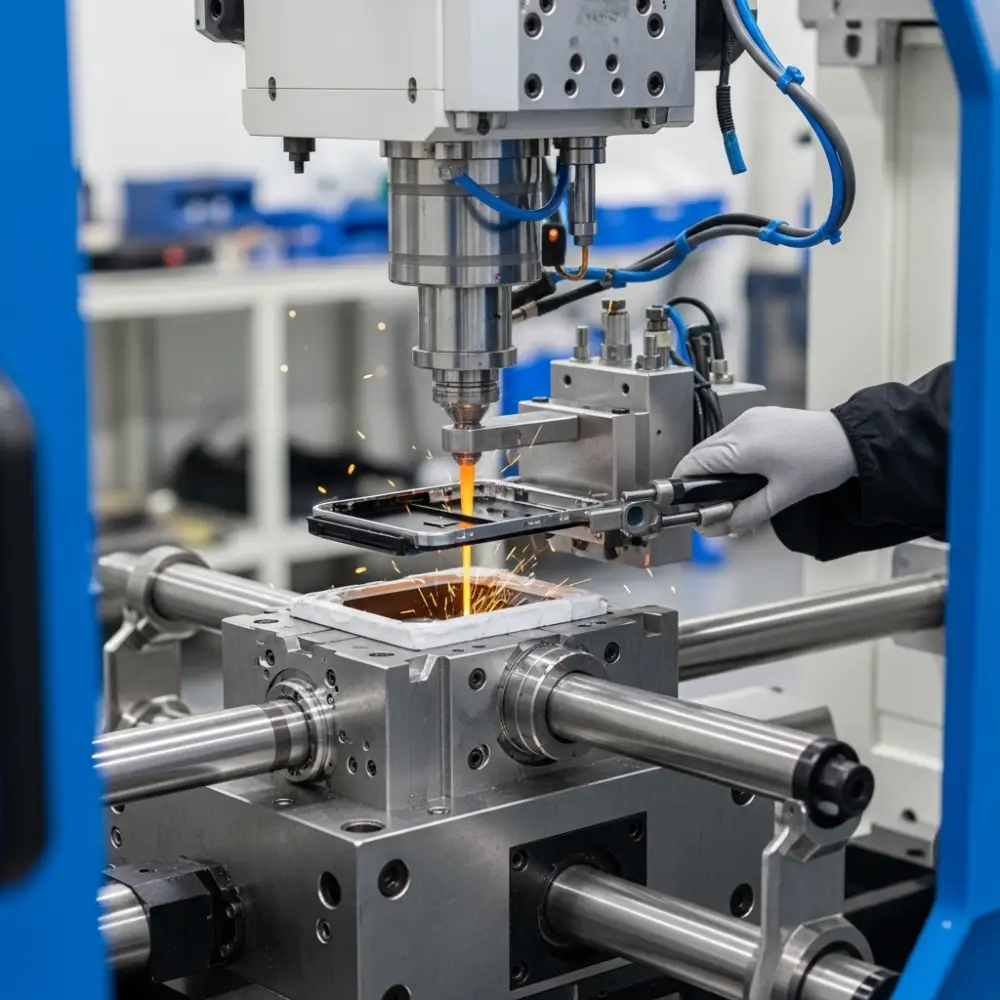
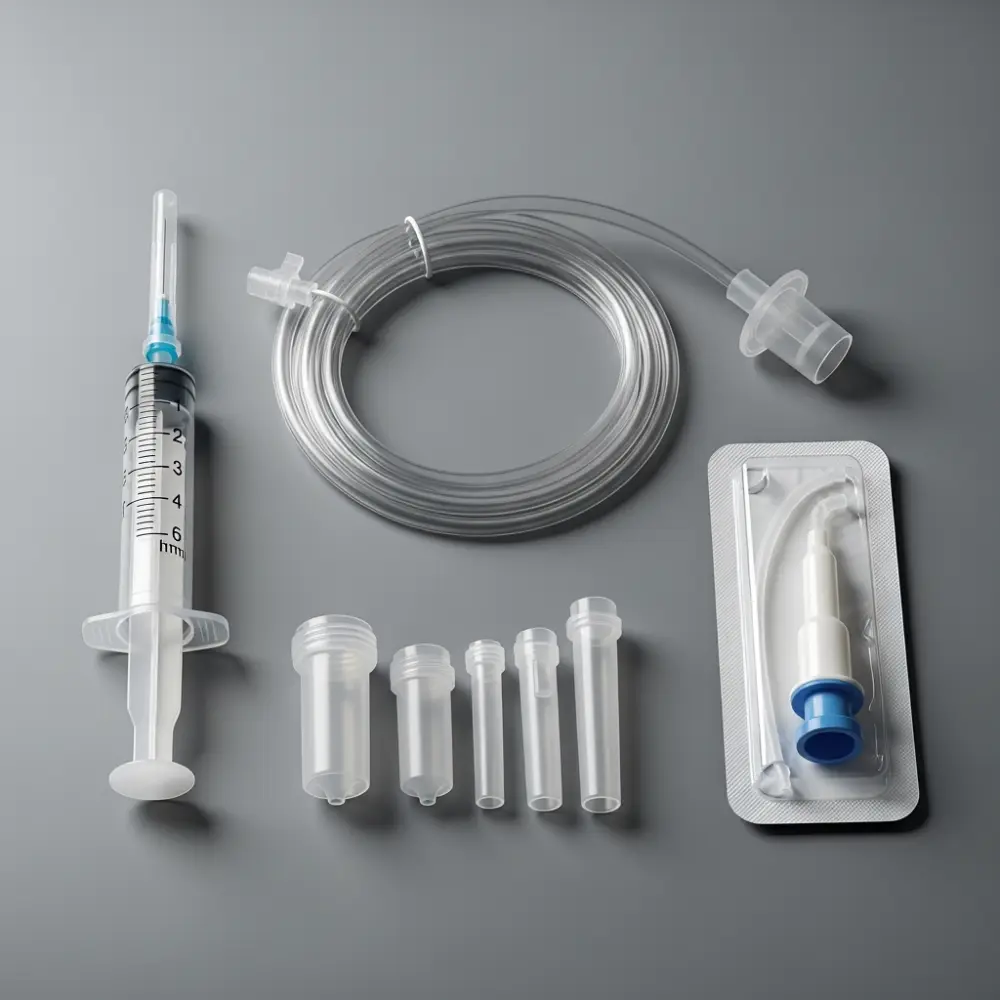
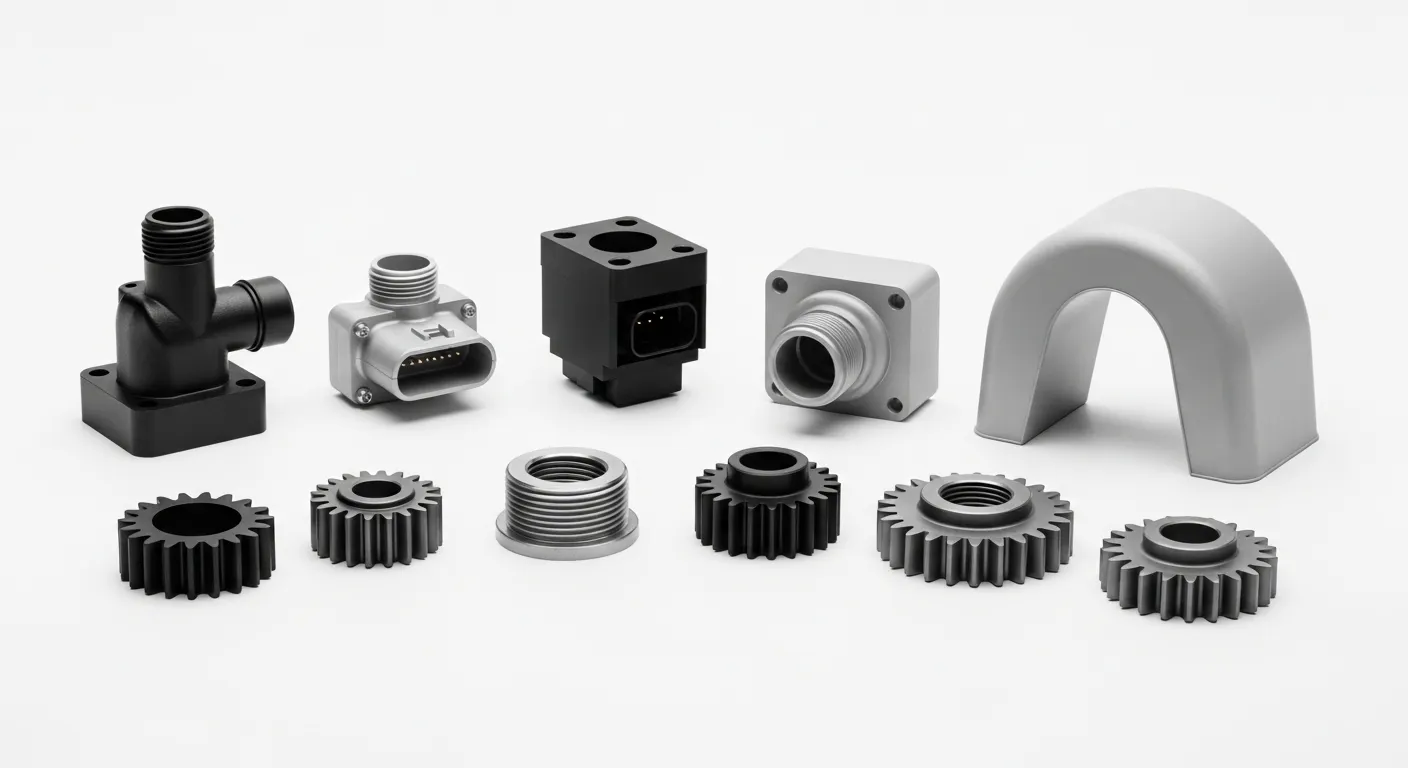
Heat resistant injection molded parts are engineered polymer components designed to endure high temperatures while maintaining structural integrity. These parts are precision-molded for reliable performance in demanding thermal environments.
FAQ
1. Which materials are commonly used?
Answer:
High-performance plastics such as PEEK, PPS, polycarbonate, and reinforced nylon.
2. Why use heat resistant polymers instead of metals?
Answer:
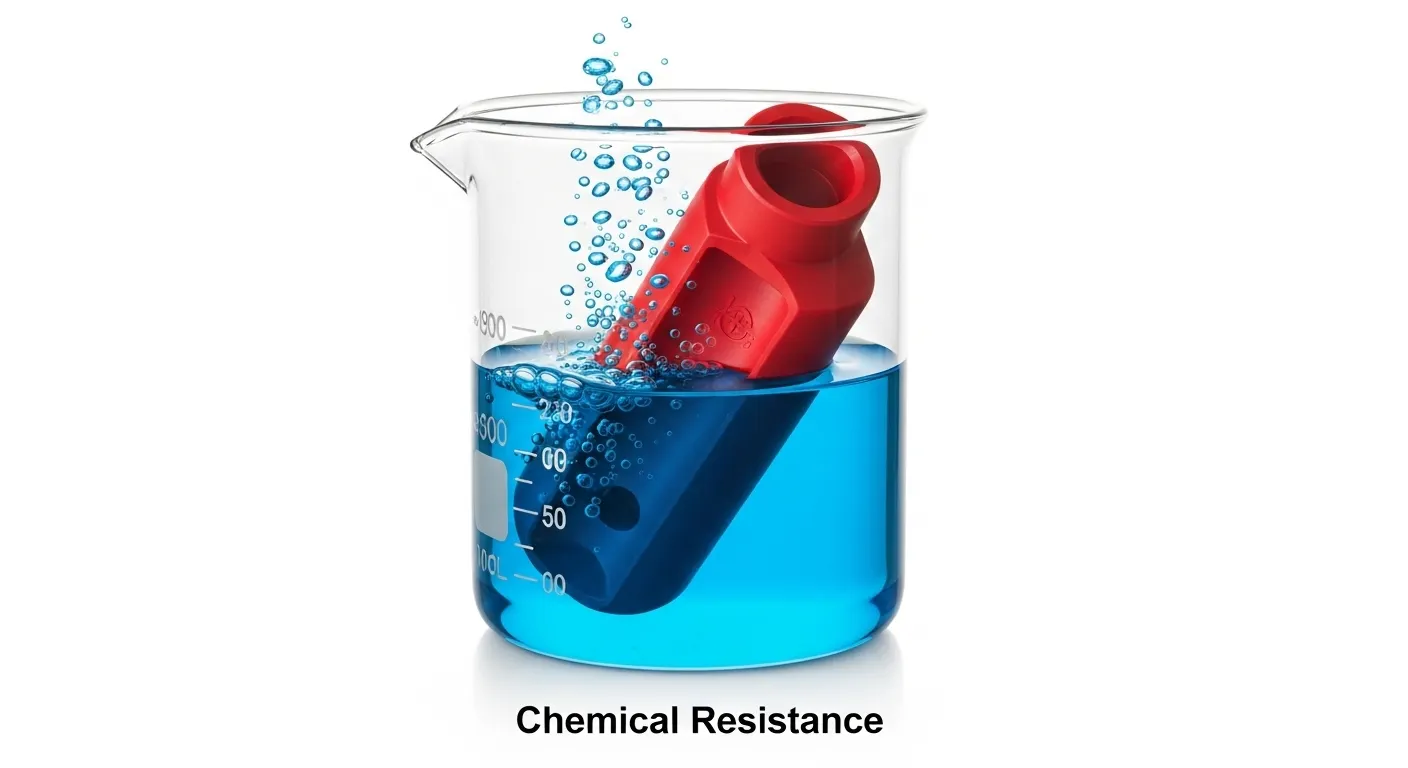
They reduce weight, resist corrosion, and maintain dimensional stability under heat.
3. Are these parts durable under repeated heating?
Answer:
Yes, engineered to withstand multiple thermal cycles without deformation.
4. Do these components enhance system reliability?
Answer:
Yes, they provide stable operation under demanding thermal conditions.
5. Why are heat resistant injection molded parts important?
Answer:
They ensure consistent performance, protect assemblies, and maintain operational safety in high-temperature environments.