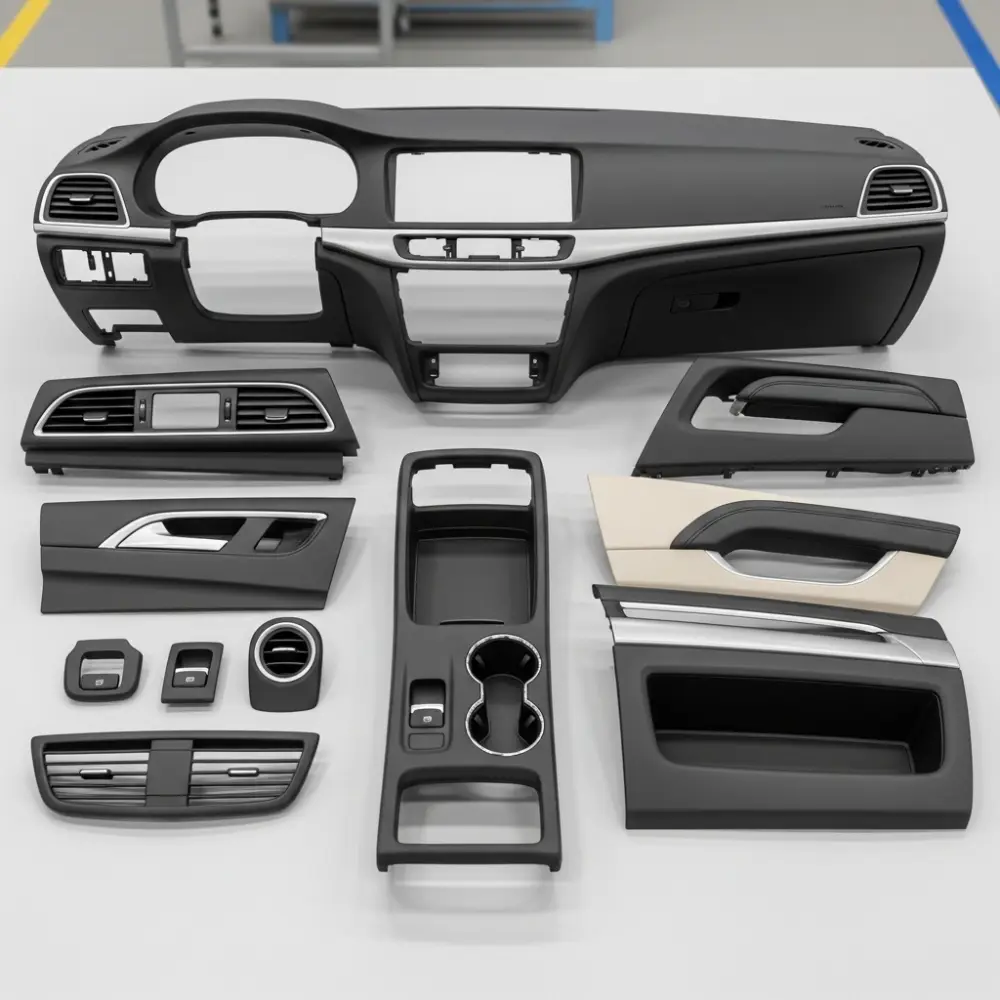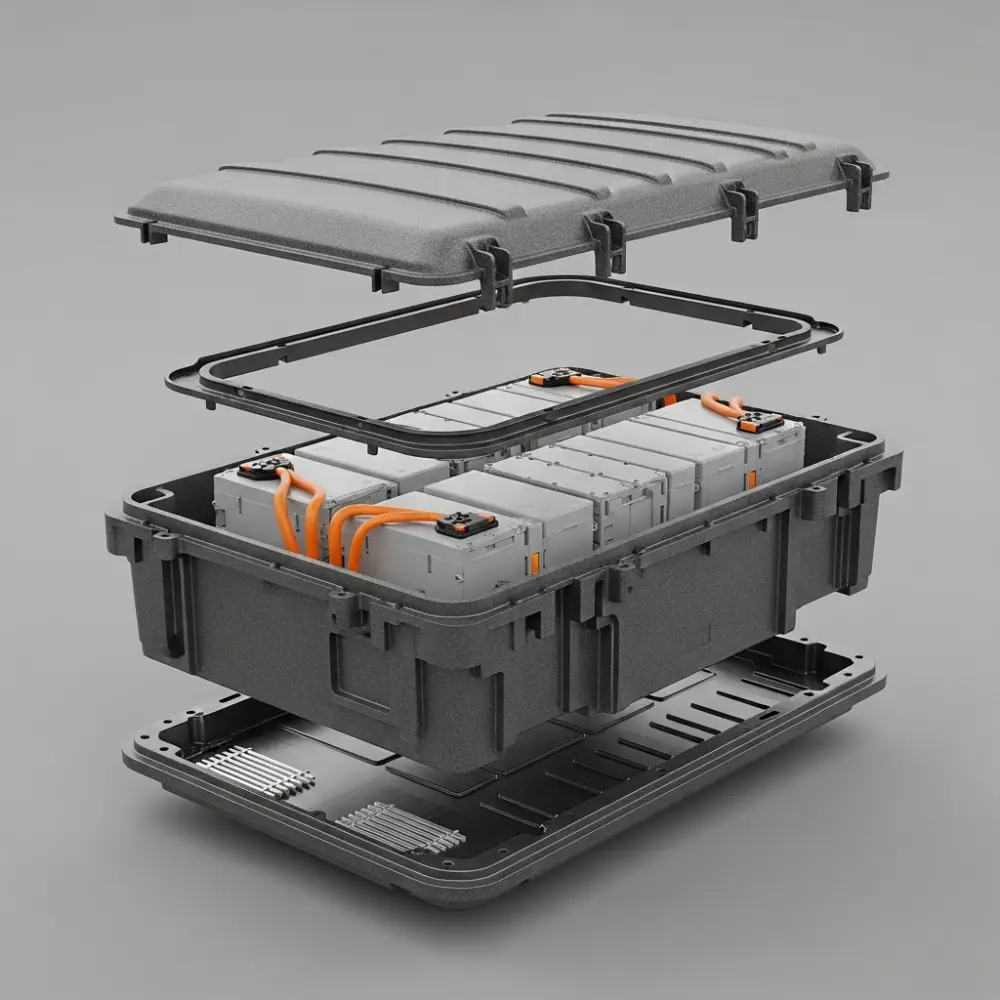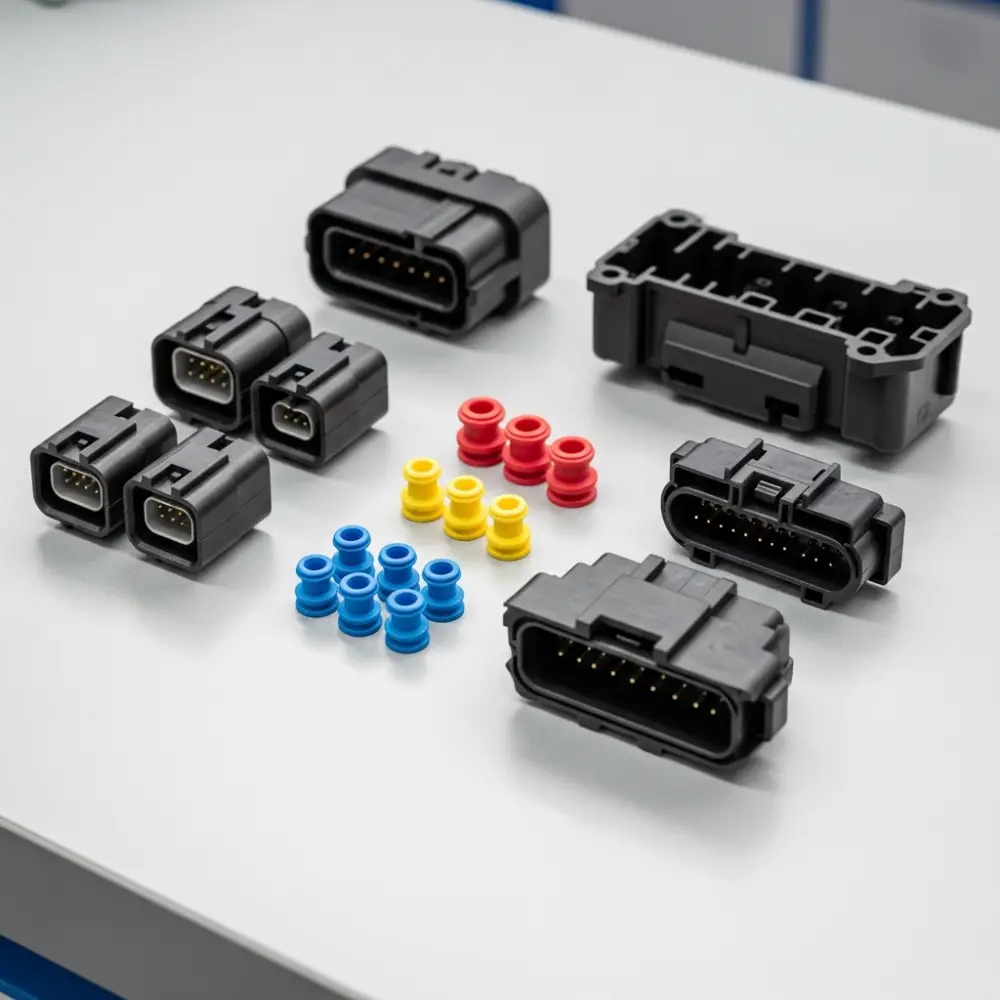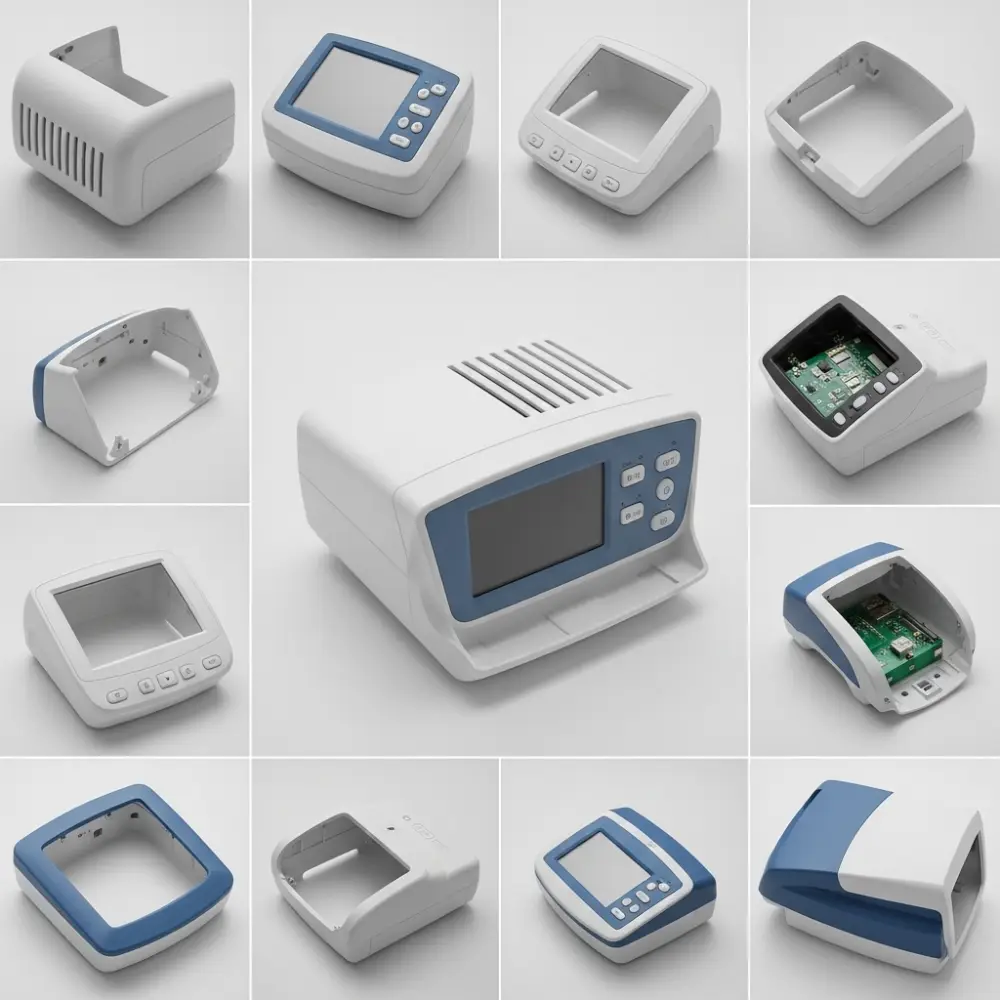


Injection Molded Electronic Enclosures are protective casings produced by injecting molten plastic into molds. This process creates durable and precise enclosures that shield electronic components from external elements, enhancing device performance and lifespan across various sectors.
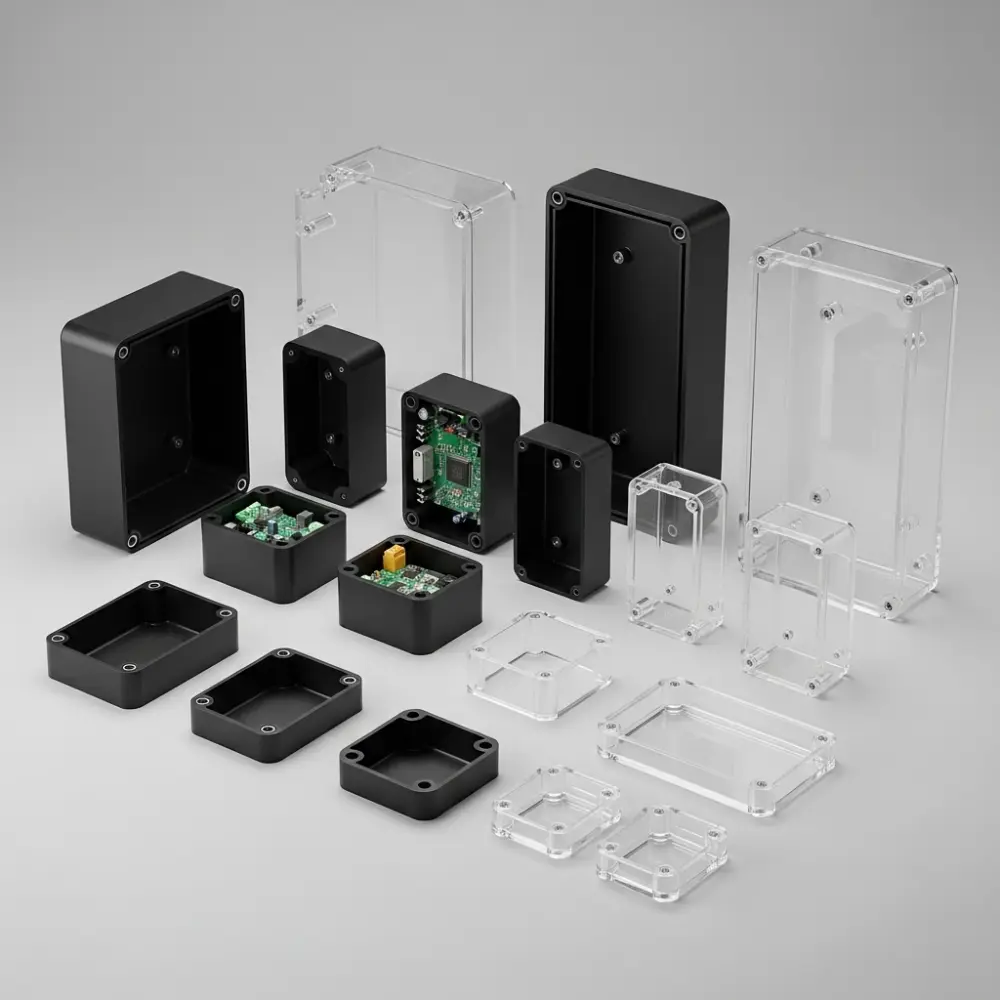


Injection Molded Electronic Enclosures
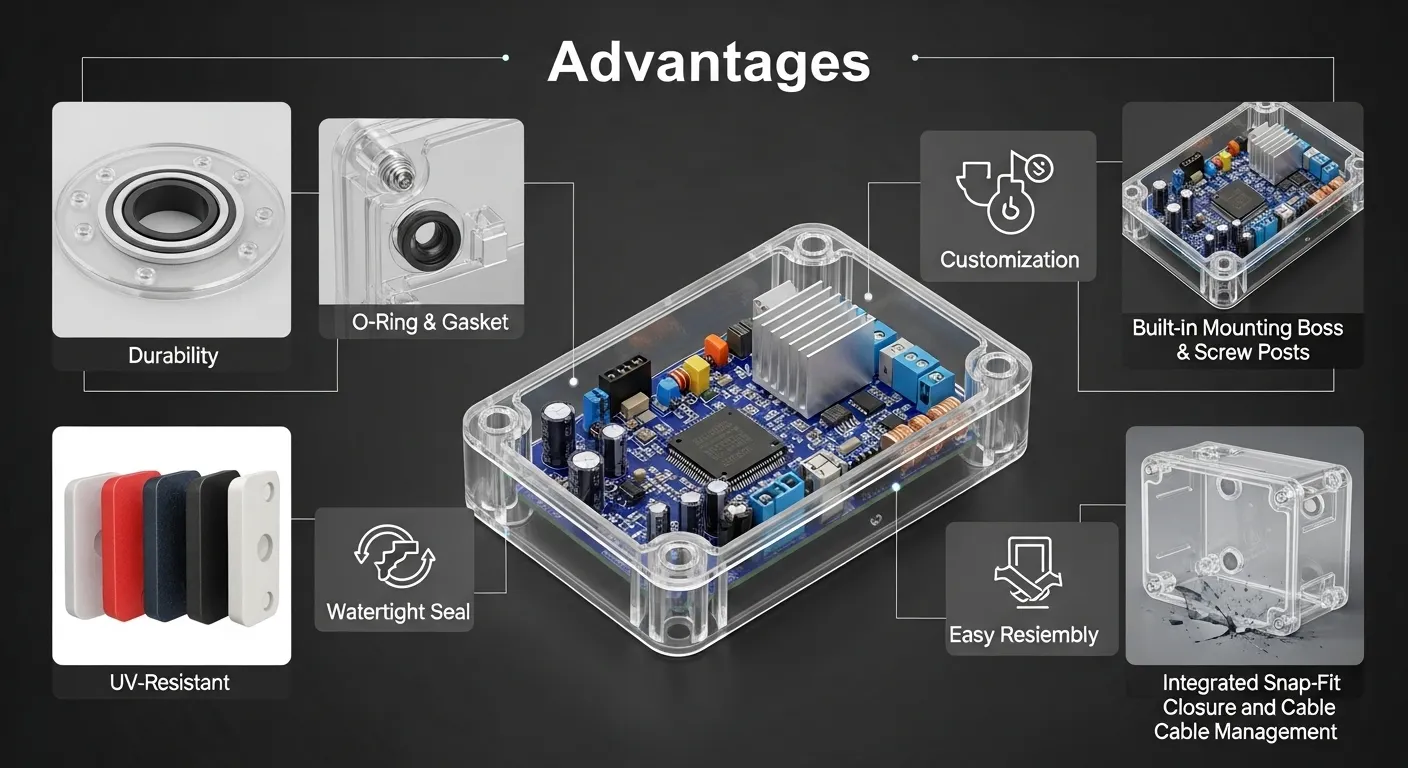
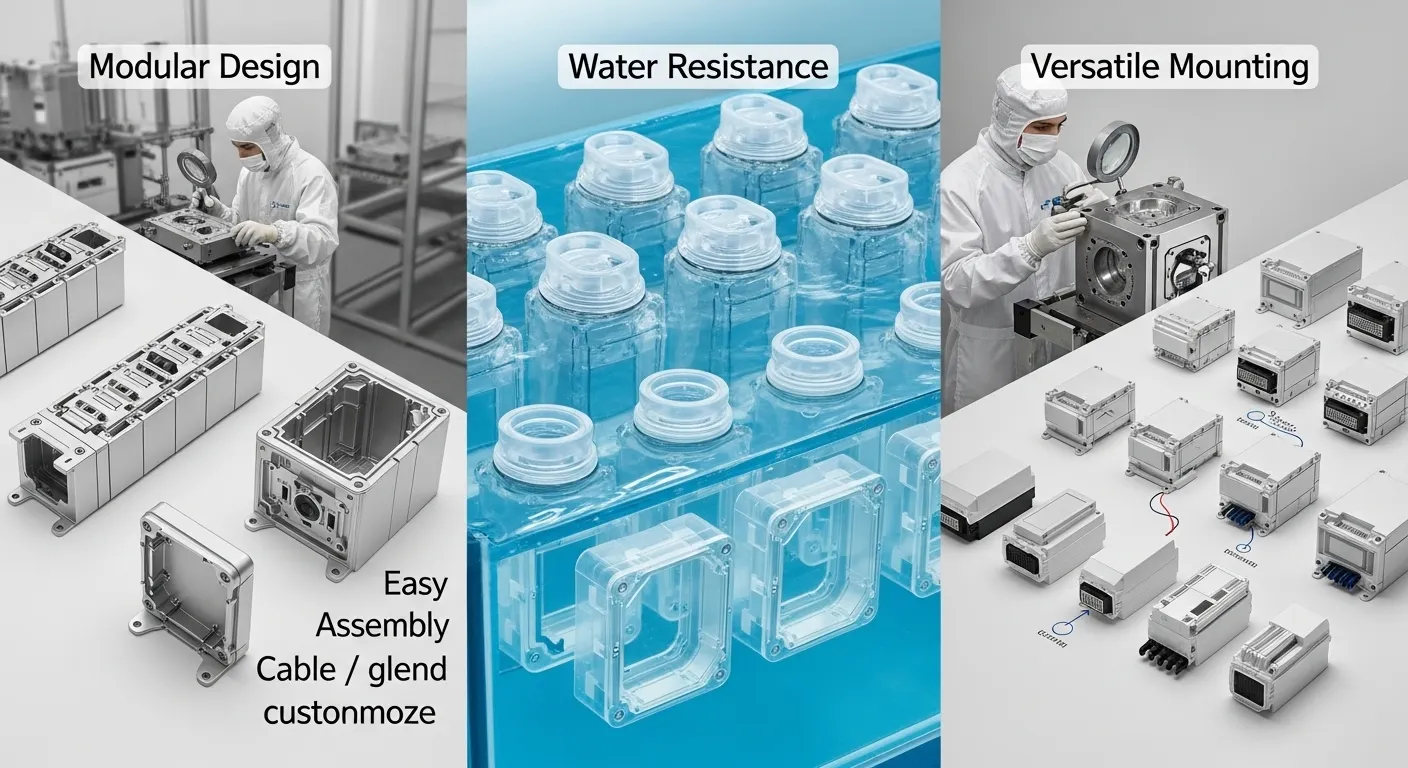
- Easy to Assemble: Simple to put together, reducing assembly time.
- Flexible Designs: Can accommodate various shapes and features.
- Impact Absorption: Protects electronics from shocks and vibrations.
- Cost-Effective for Large Runs: Efficient for mass production, reducing overall costs.
- Non-corrosive: Resistant to rust and degradation over time.
Introduction to Injection Molded Electronic Enclosures
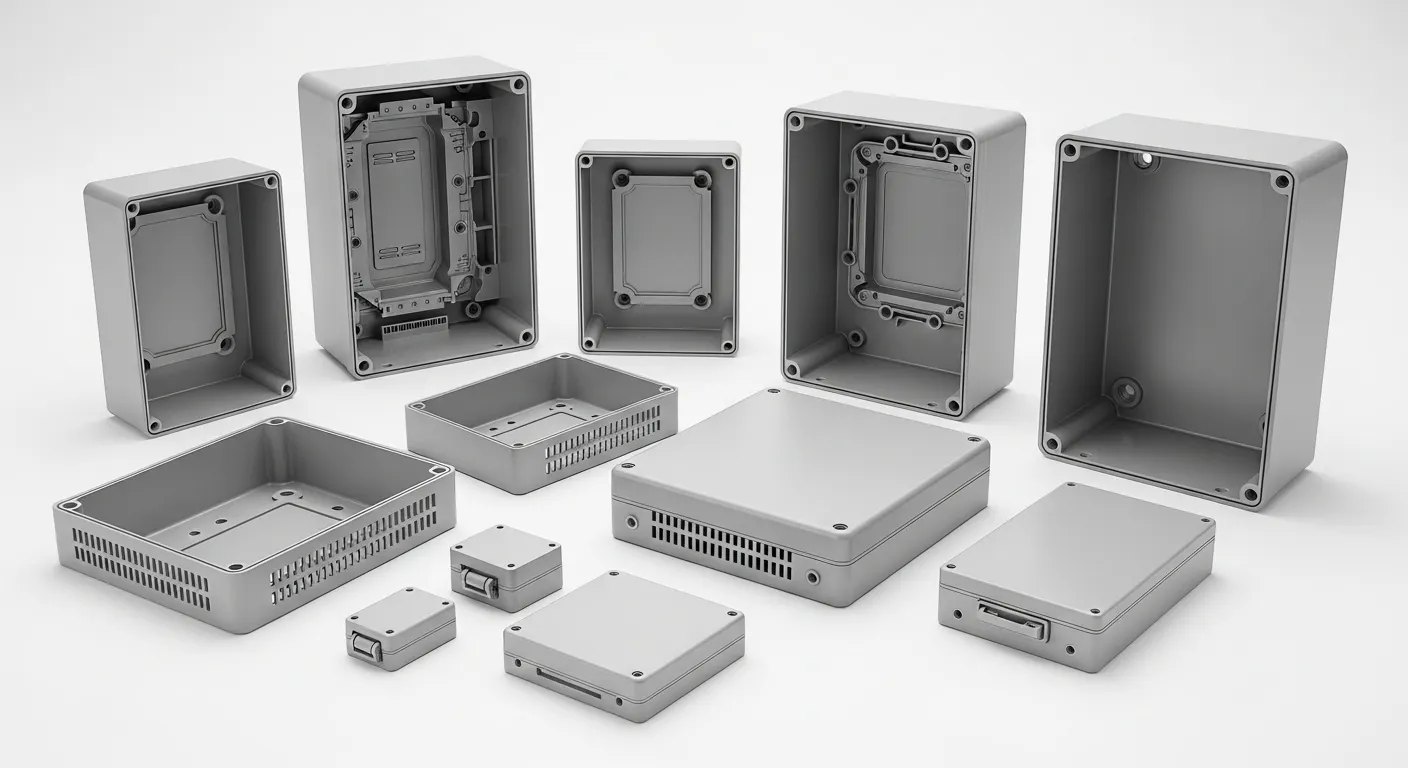
Injection Molded Electronic Enclosures are protective cases created through the injection molding process. Molten plastic is injected into a mold to form these enclosures, which are designed to house and protect electronic components. They ensure the safety, durability, and functionality of electronic devices across various industries.
FAQ
1. What are the design options available for Injection Molded Enclosures?
Answer:
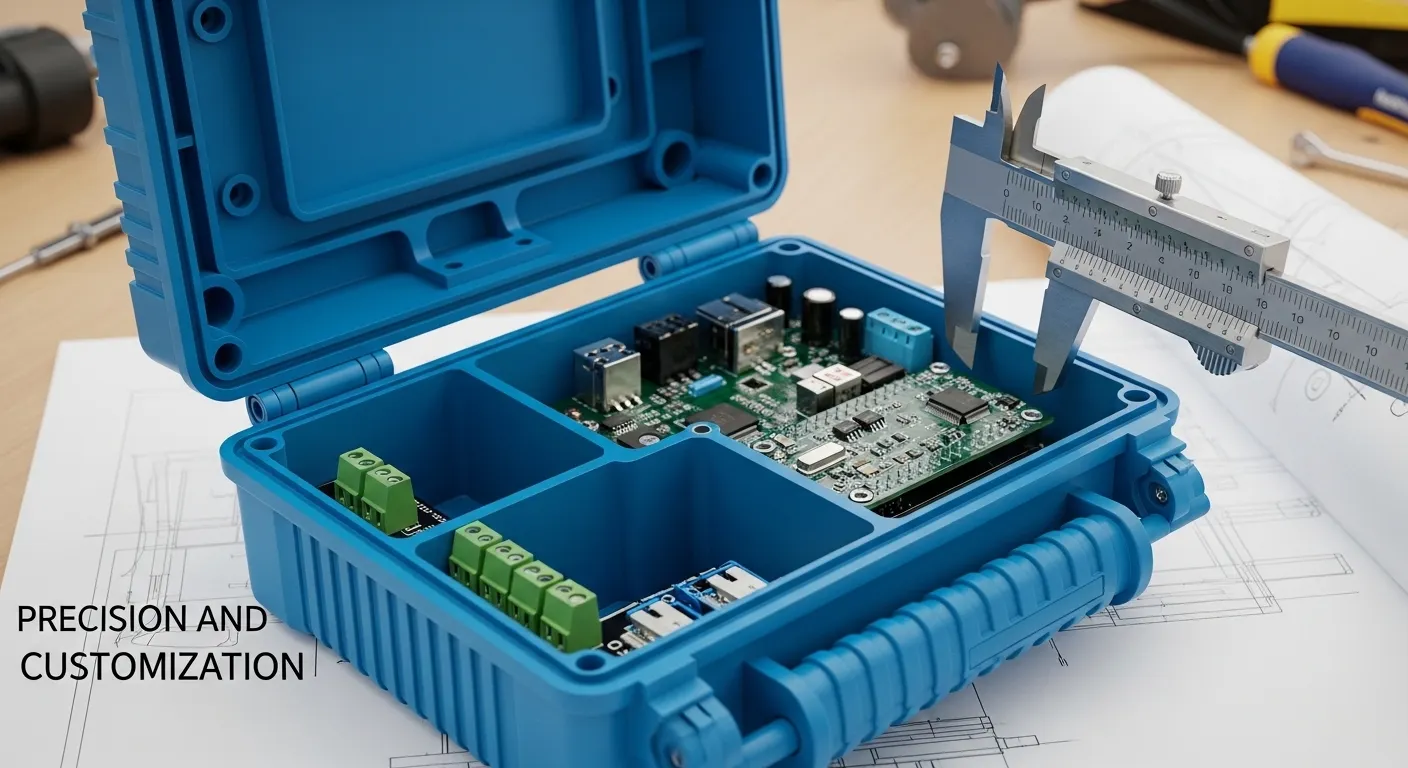
Design options include various shapes, sizes, colors, surface textures, and added features like vents, mounting brackets, and access points for connectors and ports.
2. Can Injection Molded Enclosures be used for high-temperature applications?
Answer:
Yes, certain materials like polycarbonate and PPS (polyphenylene sulfide) are designed to withstand high temperatures, making them suitable for thermal-sensitive applications.
3. How do Injection Molded Enclosures protect against electrical interference?
Answer:
Many plastic materials used in injection molding are non-conductive, which helps protect sensitive electronic components from electrical interference and shorts.
4. What makes polycarbonate a popular material for enclosures?
Answer:
Polycarbonate is favored for its high impact resistance, transparency, and ability to withstand extreme temperatures, making it ideal for protective electronic enclosures.
5. How does injection molding impact the durability of electronic enclosures?
Answer:
Injection molding creates a solid, consistent structure with fewer weak points, which enhances the durability and longevity of the enclosure under stress or wear.