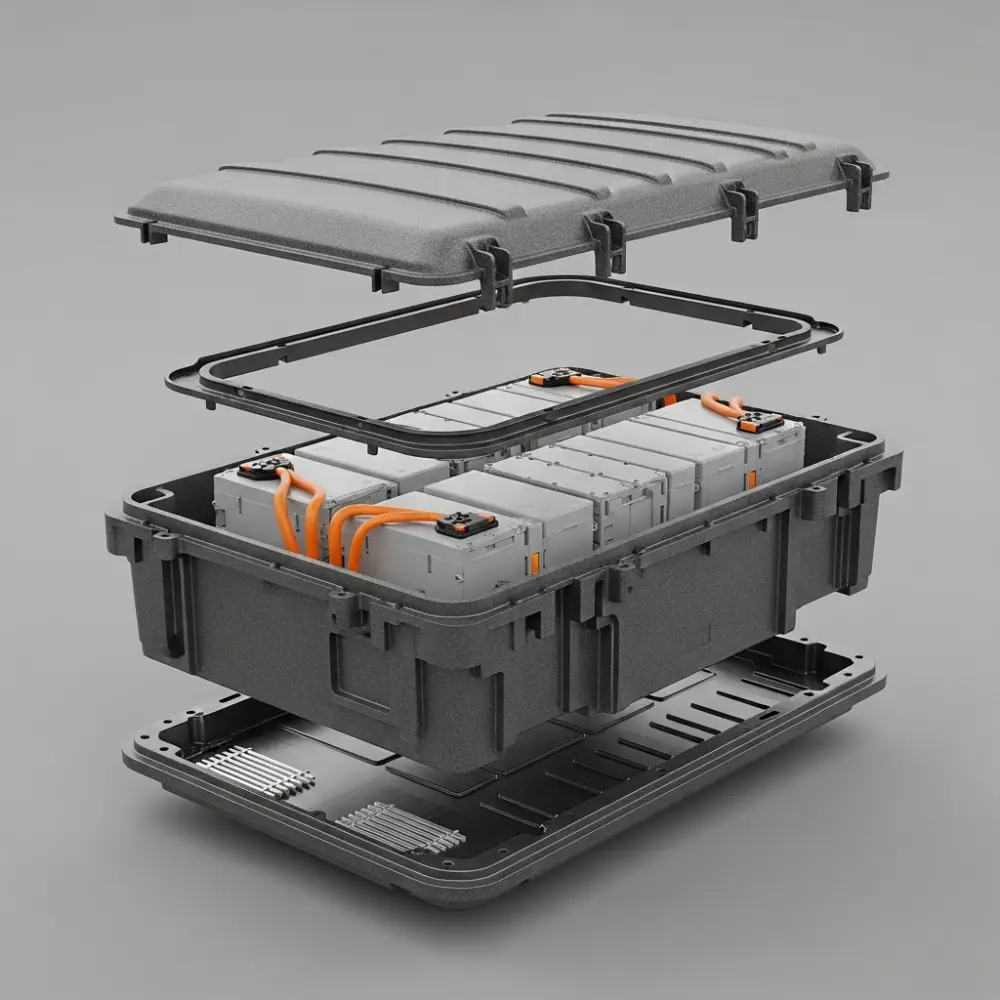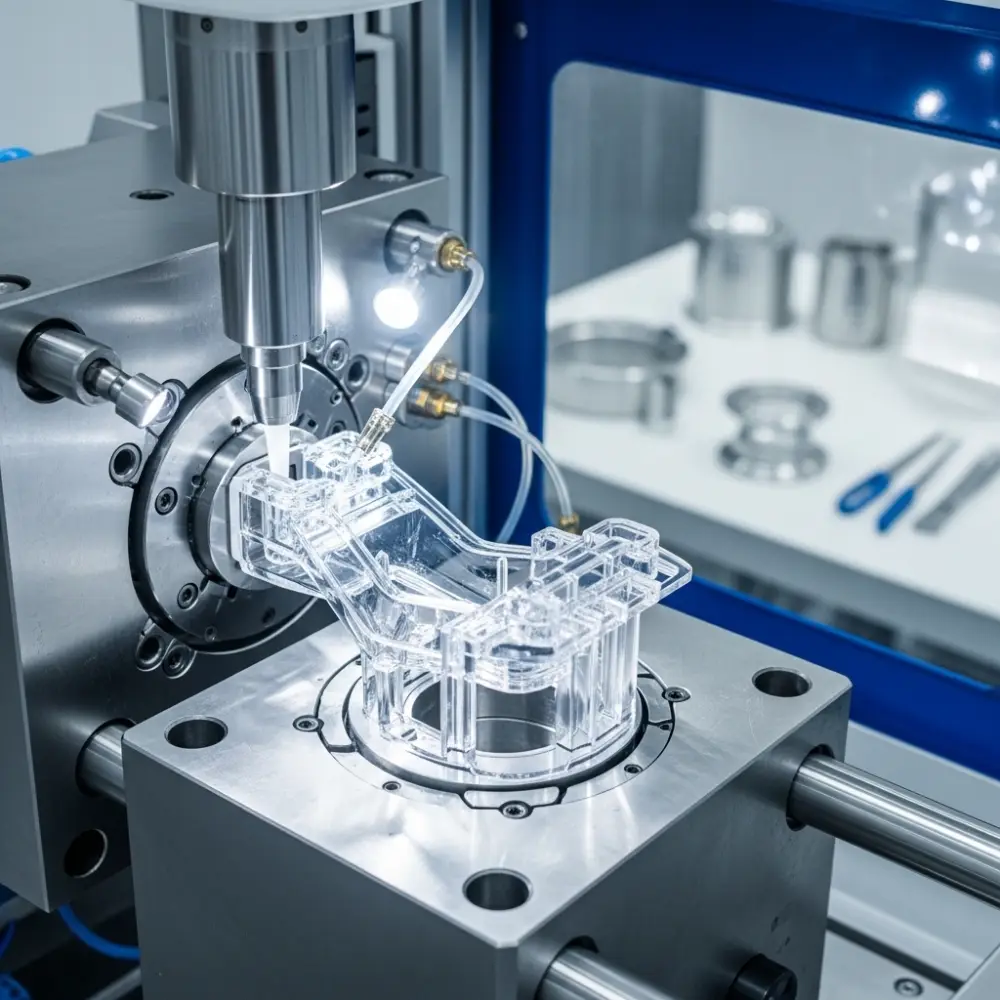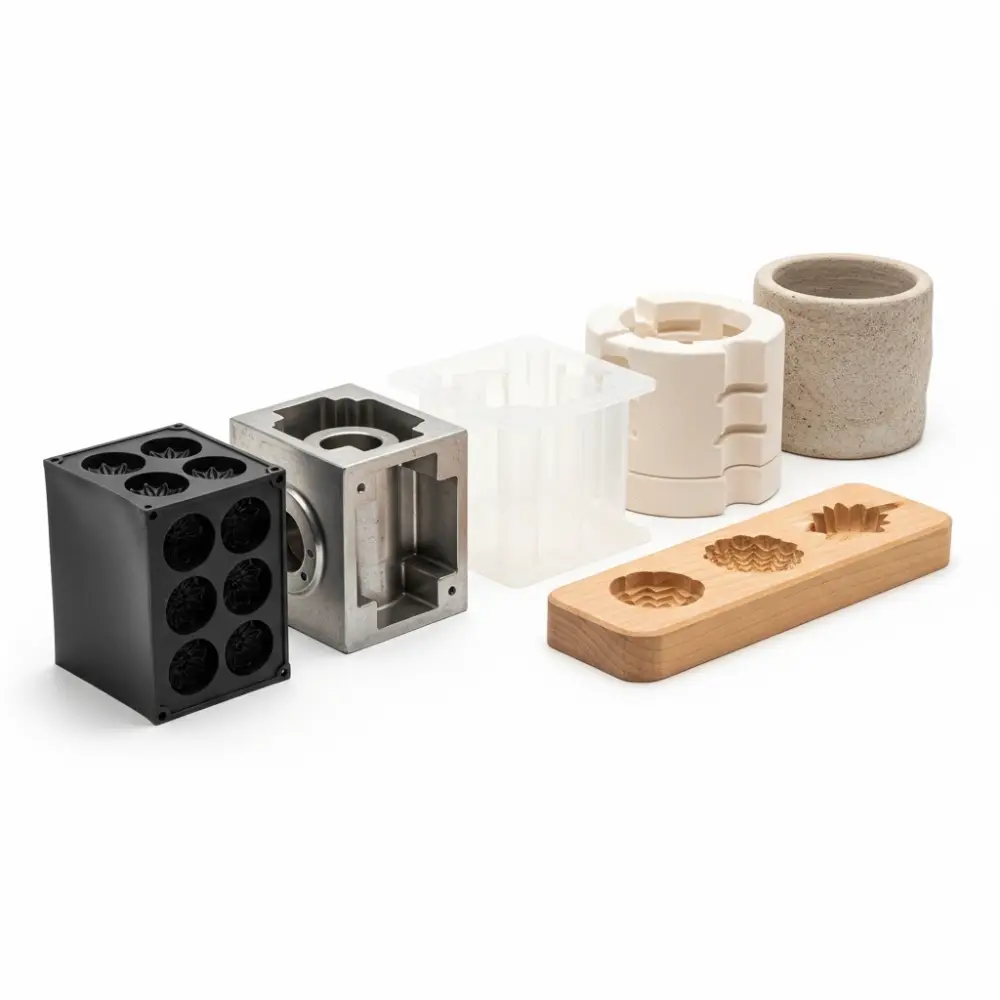


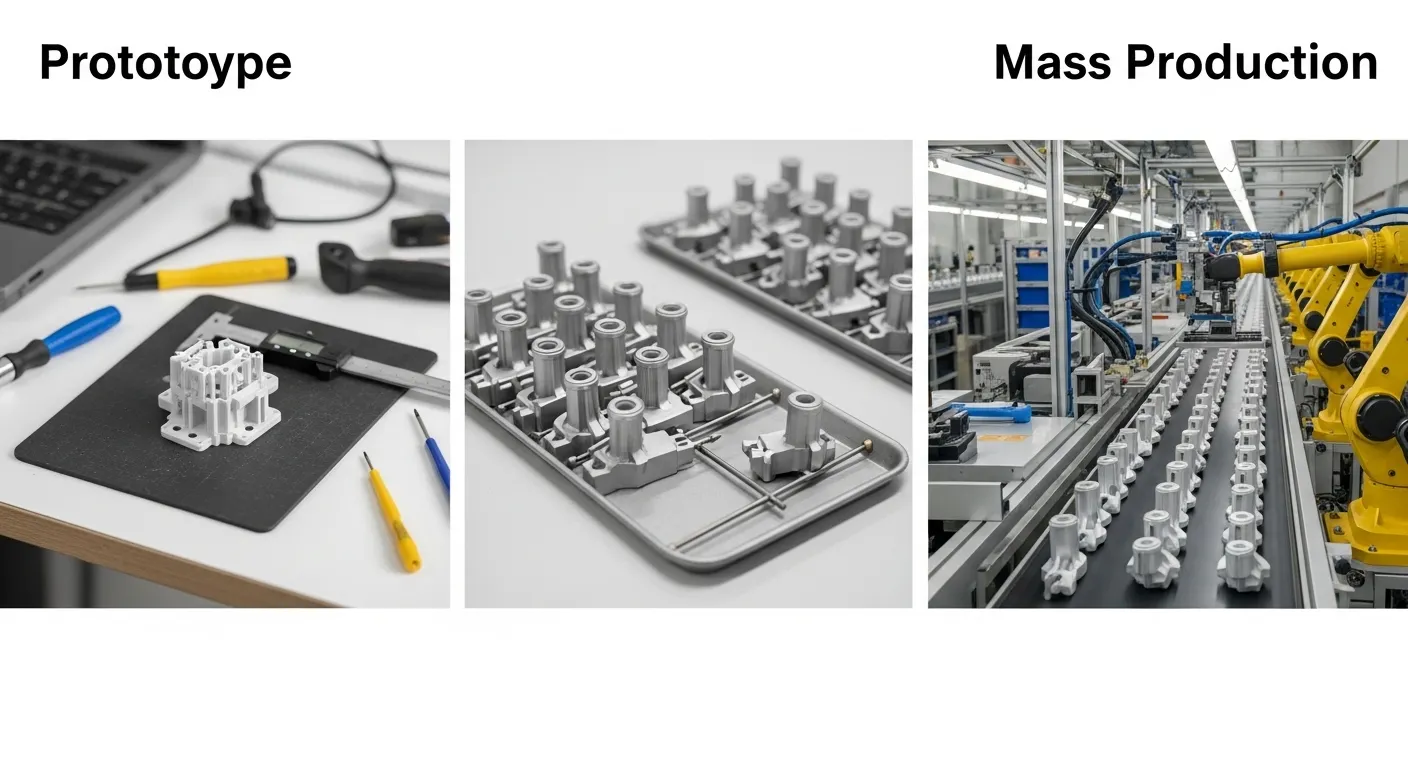
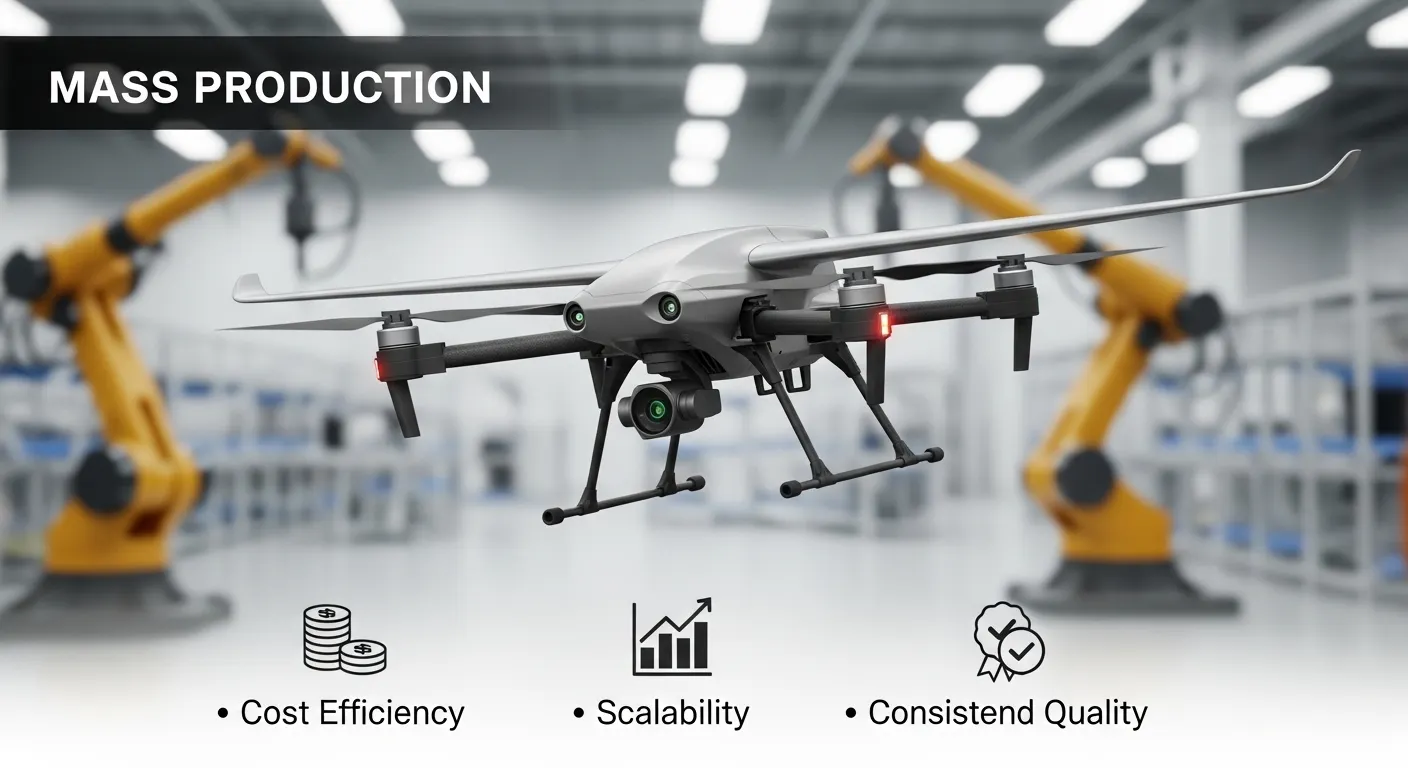
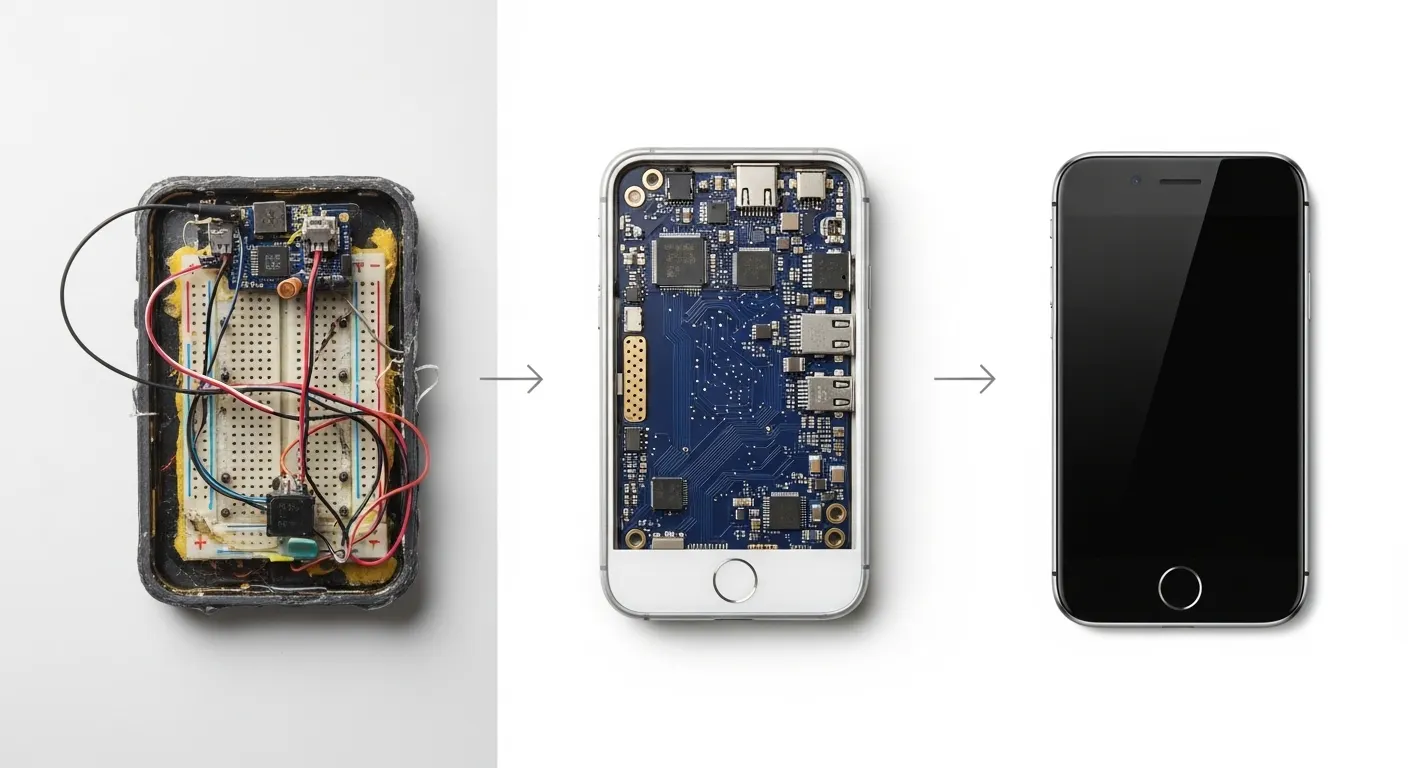
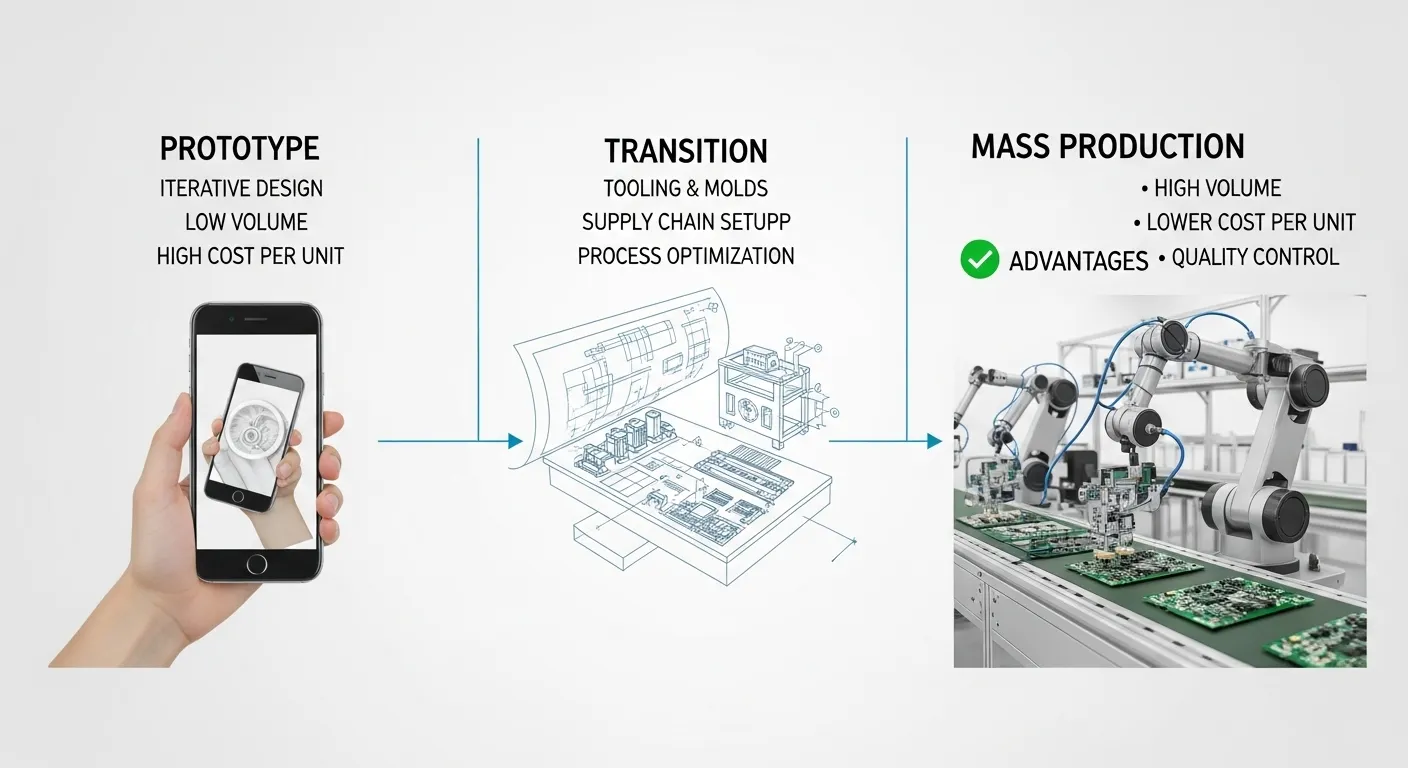
Prototype to Mass Production:This process guides a product from its initial concept through testing and refinement to achieve full-scale fabrication. It emphasizes precision planning, component evaluation, and process validation to ensure each unit meets design intentions. By integrating pilot trials and iterative adjustments, manufacturers can optimize assembly methods, reduce material waste, and maintain consistent performance across large quantities. The approach provides a structured path from small experimental models to commercially viable, high-volume products while minimizing delays and production issues.


Prototype to Mass Production
- Streamlined Transition – Converts experimental models into large batches efficiently.
- Process Verification – Confirms methods and operations function reliably before scaling.
- Resource Optimization – Reduces unnecessary material consumption during production.
- Consistency Across Units – Ensures uniform performance and dimensions in every item.
- Market Readiness – Accelerates preparation of products for commercial distribution.
Introduction to Prototype to Mass Production
Prototype to Mass Production is a comprehensive process that transforms initial product concepts into fully manufacturable items at scale. It involves design validation, material testing, tooling creation, and pilot runs to ensure quality, functionality, and manufacturability. This approach minimizes errors, reduces time-to-market, and guarantees consistent output for commercial distribution. Engineers and manufacturers collaborate throughout each stage to refine designs, optimize processes, and implement feedback, making the transition from early prototypes to large-volume production efficient and reliable.
FAQ
1. What steps are involved?
Answer:
Steps include concept evaluation, prototype testing, tooling preparation, and pilot production.
2. Is it suitable for all industries?
Answer:
Yes, applicable to electronics, automotive, medical devices, and consumer goods.
3. How does it improve product consistency?
Answer:
By validating methods and refining designs before high-volume output.
4. Can it speed up time-to-market?
Answer:
Yes, structured workflows reduce delays and accelerate commercialization.
5. What industries benefit most?
Answer:
Electronics, automotive, industrial equipment, medical devices, and consumer products.