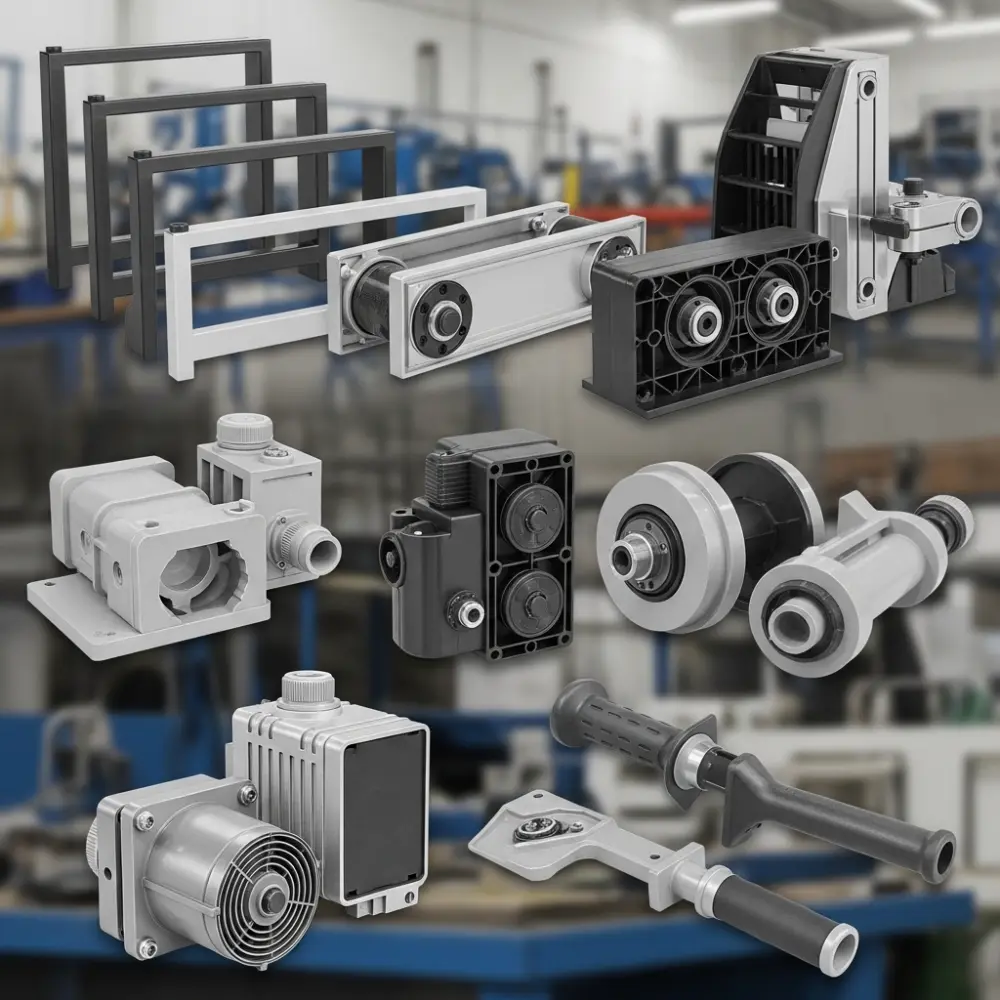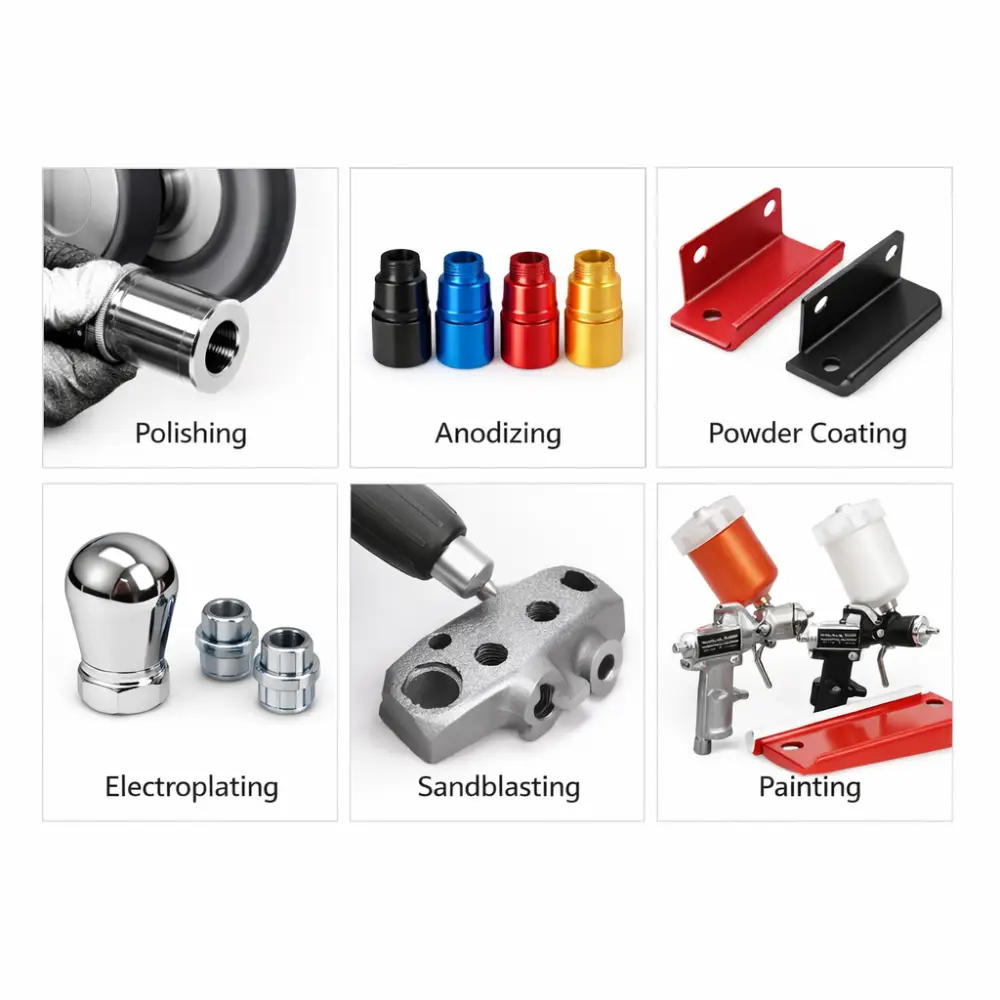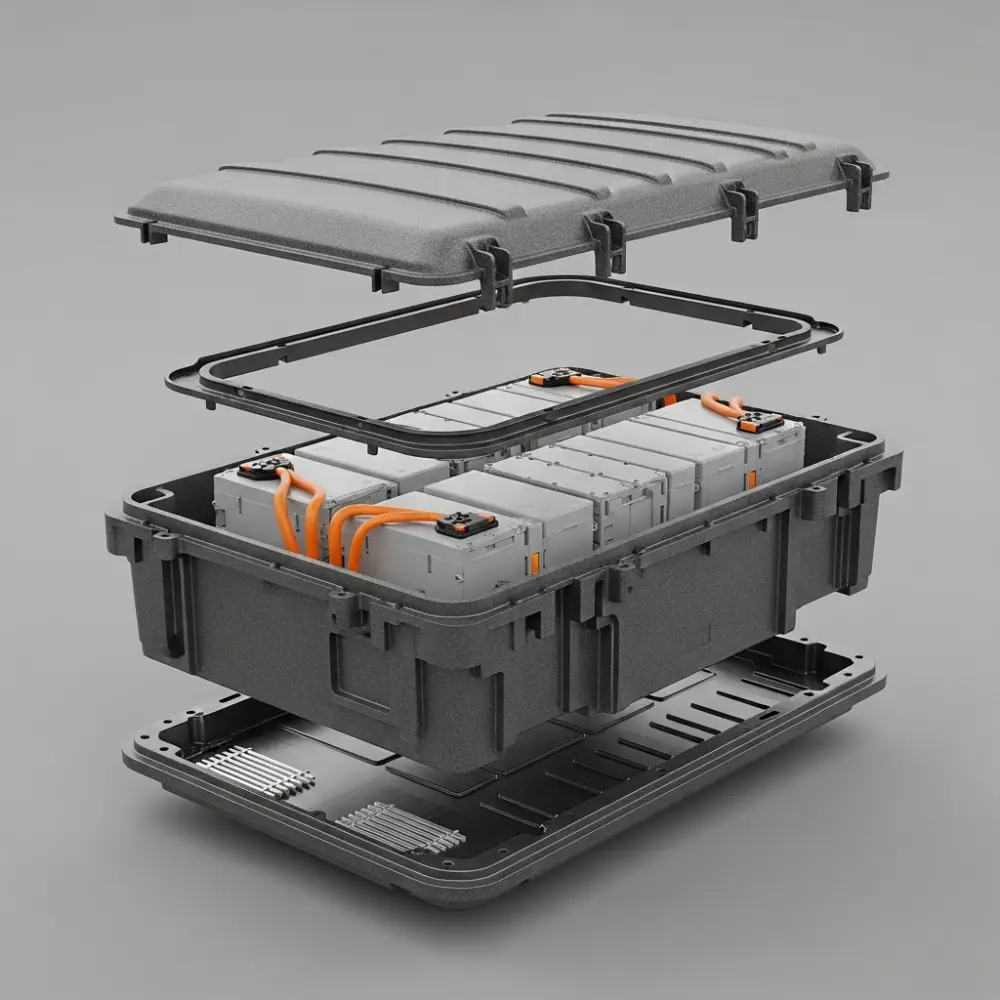


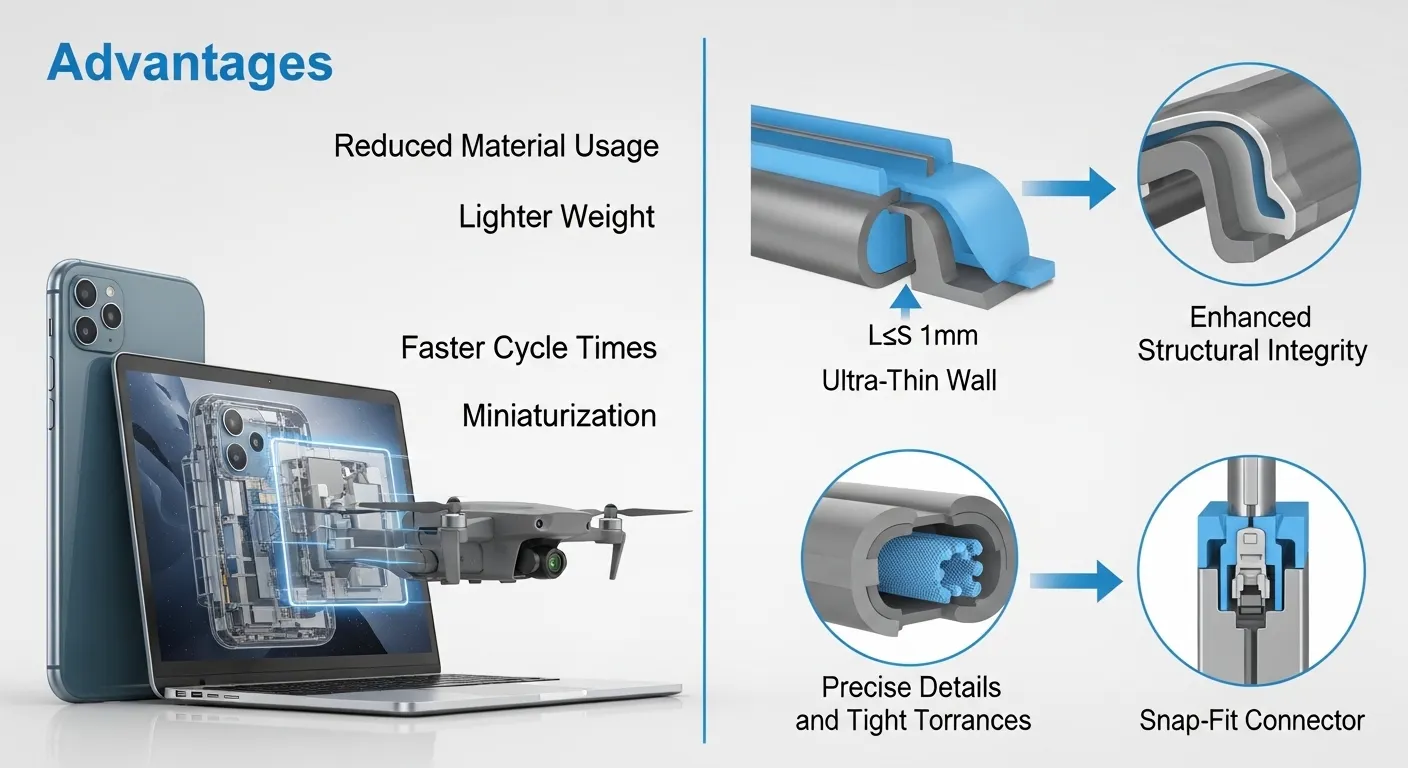
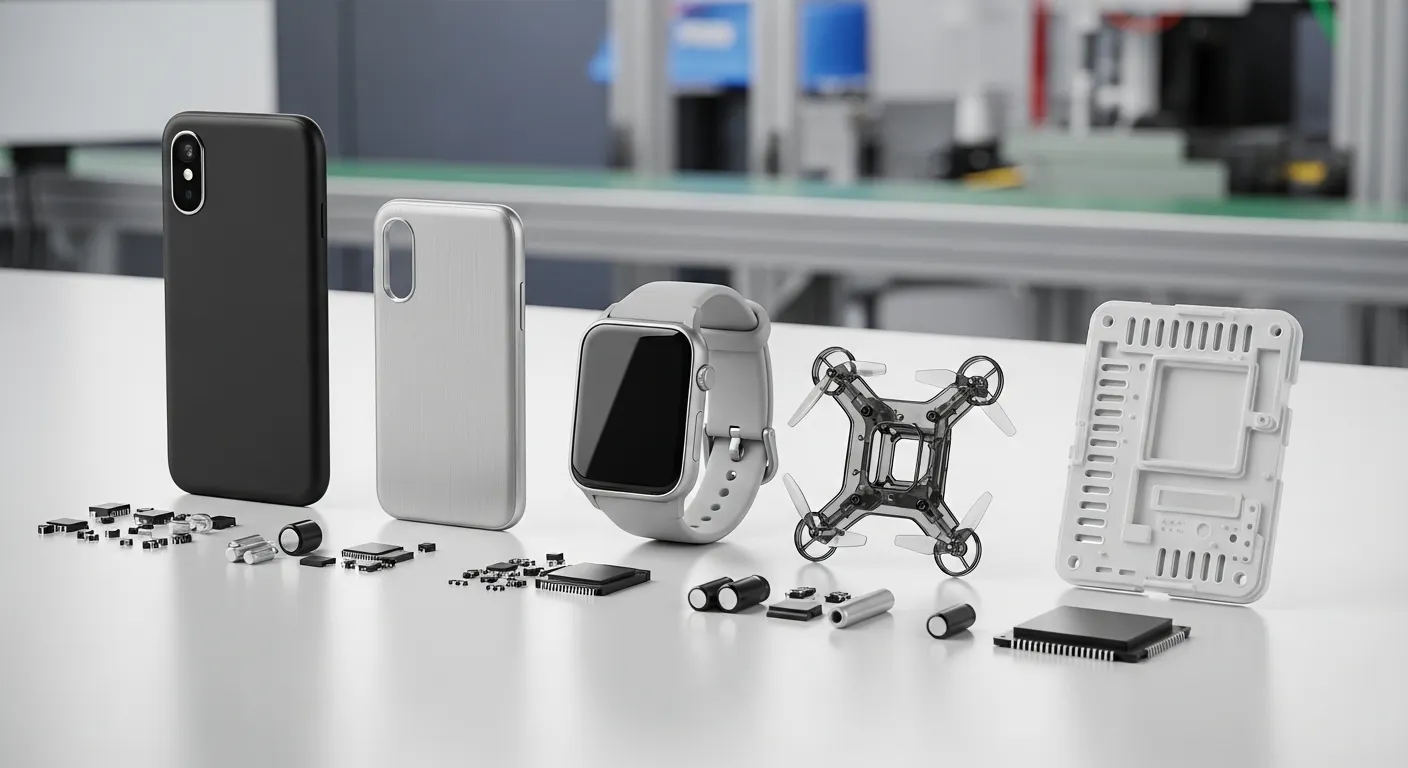
This process creates precise, lightweight polymer components with ultra-slim profiles. It enables efficient production of detailed parts for electronic devices while maintaining structural stability and high repeatability.
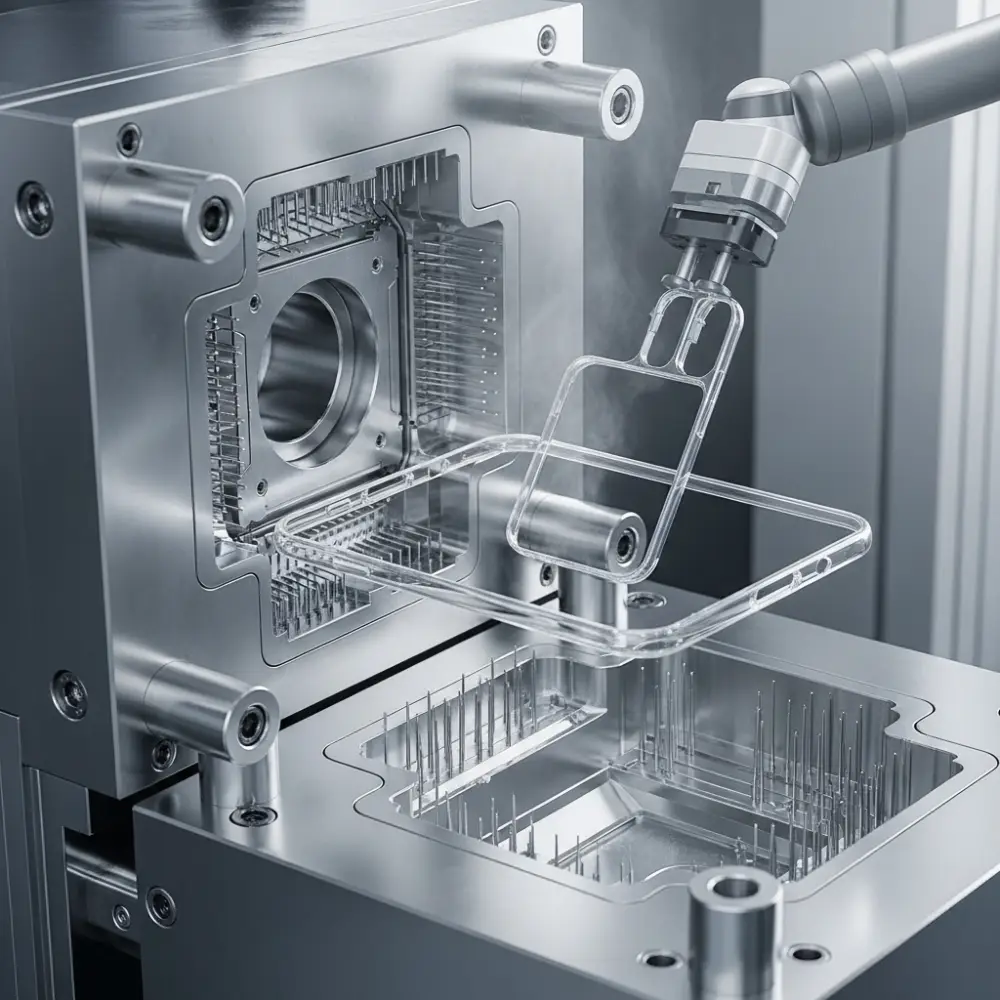
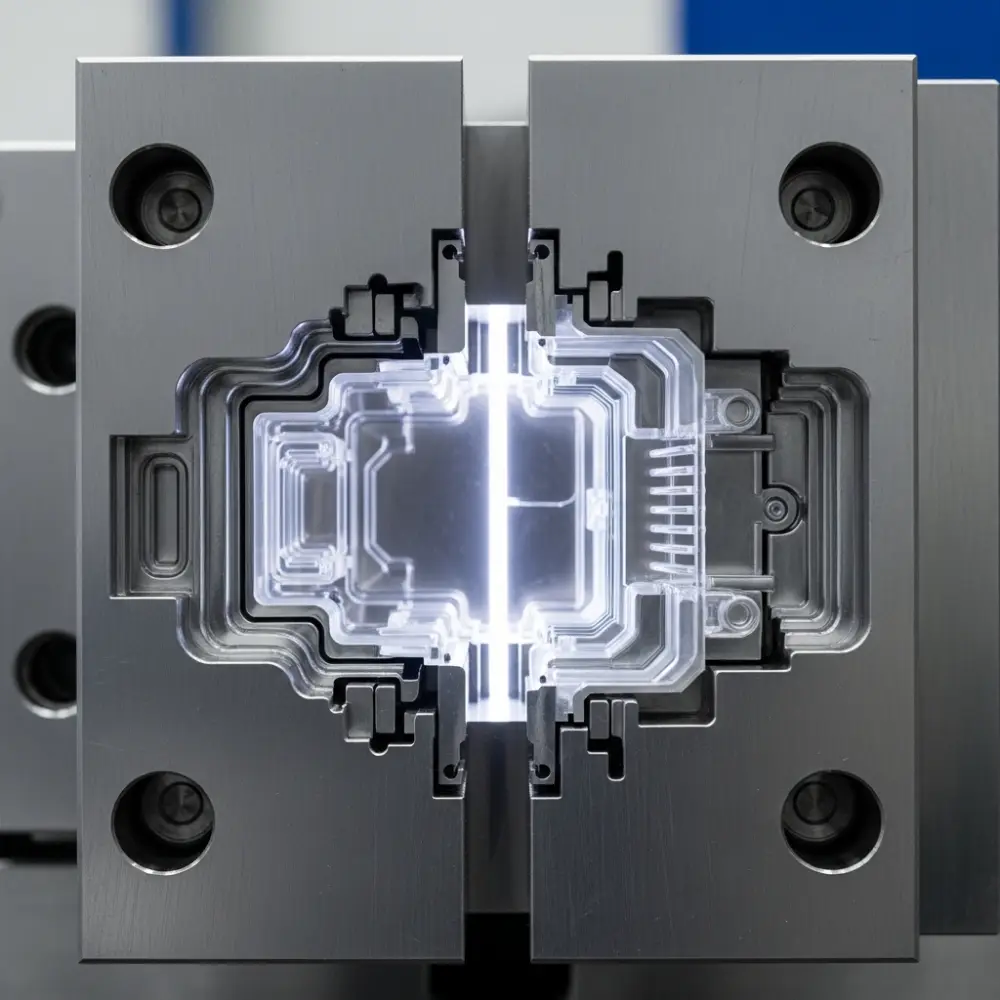
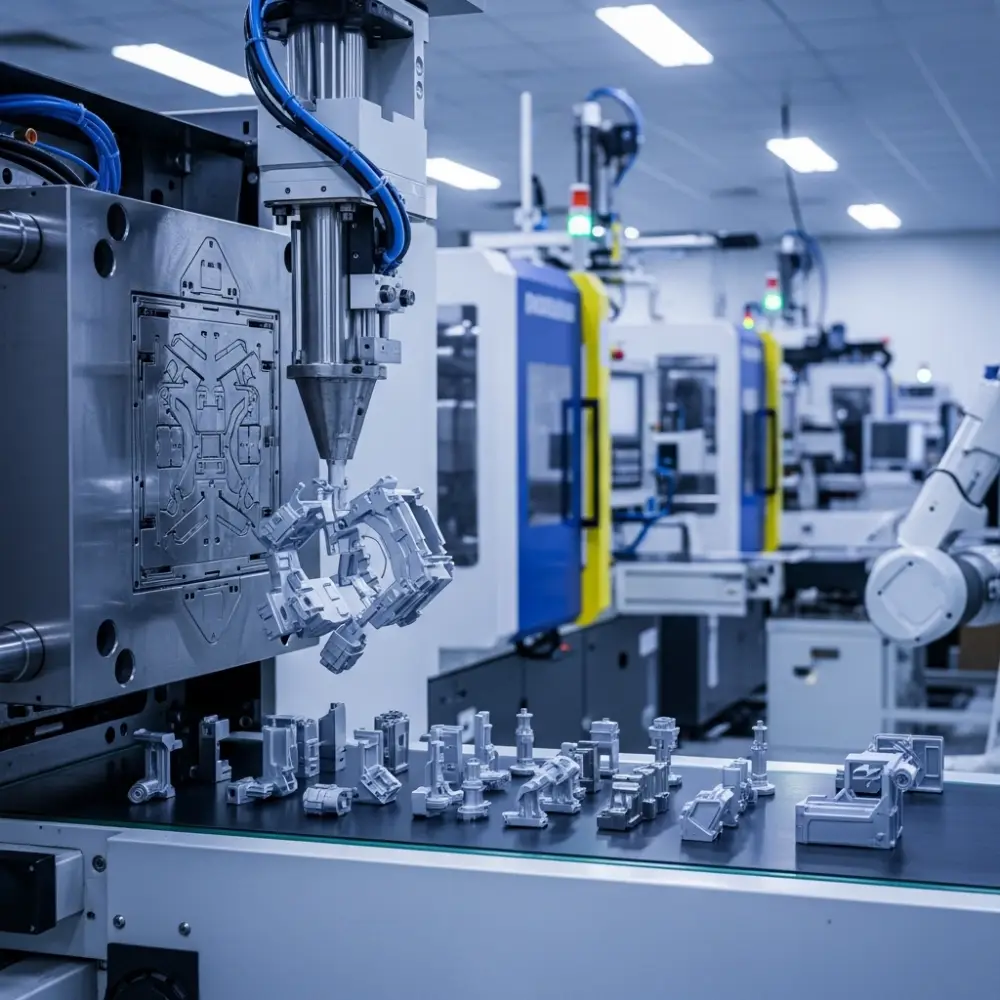
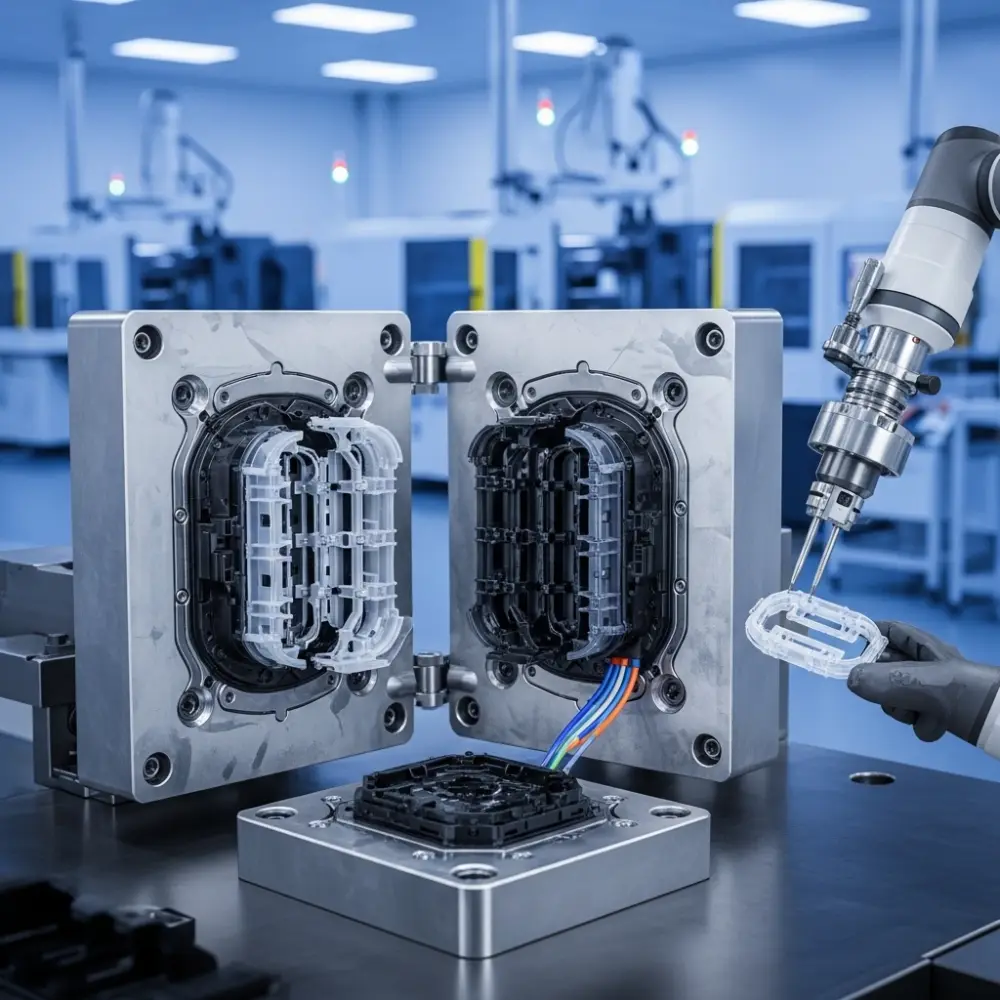
Thin Wall Plastic Injection Molding for Electronics
- Optimized Flow Control – Ensures molten plastic reaches all areas without defects.
- Reduced Cycle Time – Speeds up production while maintaining part integrity.
- Enhanced Surface Finish – Delivers smooth, defect-free external surfaces.
- Light-Weight Integration – Supports assembly of delicate electronic structures.
- Complex Feature Incorporation – Allows built-in channels, clips, or hinges.
Introduction to Thin Wall Plastic Injection Molding for Electronics
Thin wall plastic injection molding for electronics produces lightweight, precise polymer components with minimal material thickness. It enables high-speed production of complex shapes while maintaining excellent dimensional consistency and structural integrity.

FAQ
1. What materials are commonly used?
Answer:
ABS, polycarbonate, and nylon are often chosen for durability and heat resistance.
2. Are thin wall molded parts durable?
Answer:
Yes, engineered polymers maintain strength despite minimal wall thickness.
3. Is thin wall molding suitable for compact designs?
Answer:
Yes, ideal for miniaturized electronic devices with tight space requirements.
4. Is specialized equipment required?
Answer:
Yes, high-pressure injection machines and precise temperature control are needed.
5. Are these parts heat resistant?
Answer:
Yes, suitable polymer selection allows operation under device-generated heat.