Home > Product > Surface Finishing Options

Surface Finishing Options

Surface finishing options enhance a product's appearance, performance, and lifespan. By applying techniques like polishing, anodizing, and powder coating, manufacturers improve durability, aesthetic appeal, and functionality, offering customized finishes tailored to specific needs.

  • Enhanced Durability – Improves wear and tear resistance.
  • Aesthetic Appeal – Offers sleek, shiny, or vibrant finishes.
  • Corrosion Resistance – Protects against rust and environmental damage.
  • Improved Functionality – Adds special properties like conductivity or anti-slip.
  • Customization – Offers a range of colors, textures, and finishes.

Product Details

Surface Finishing Options refer to a range of post-manufacturing processes applied to metal or plastic components to enhance their appearance, durability, and functional performance.

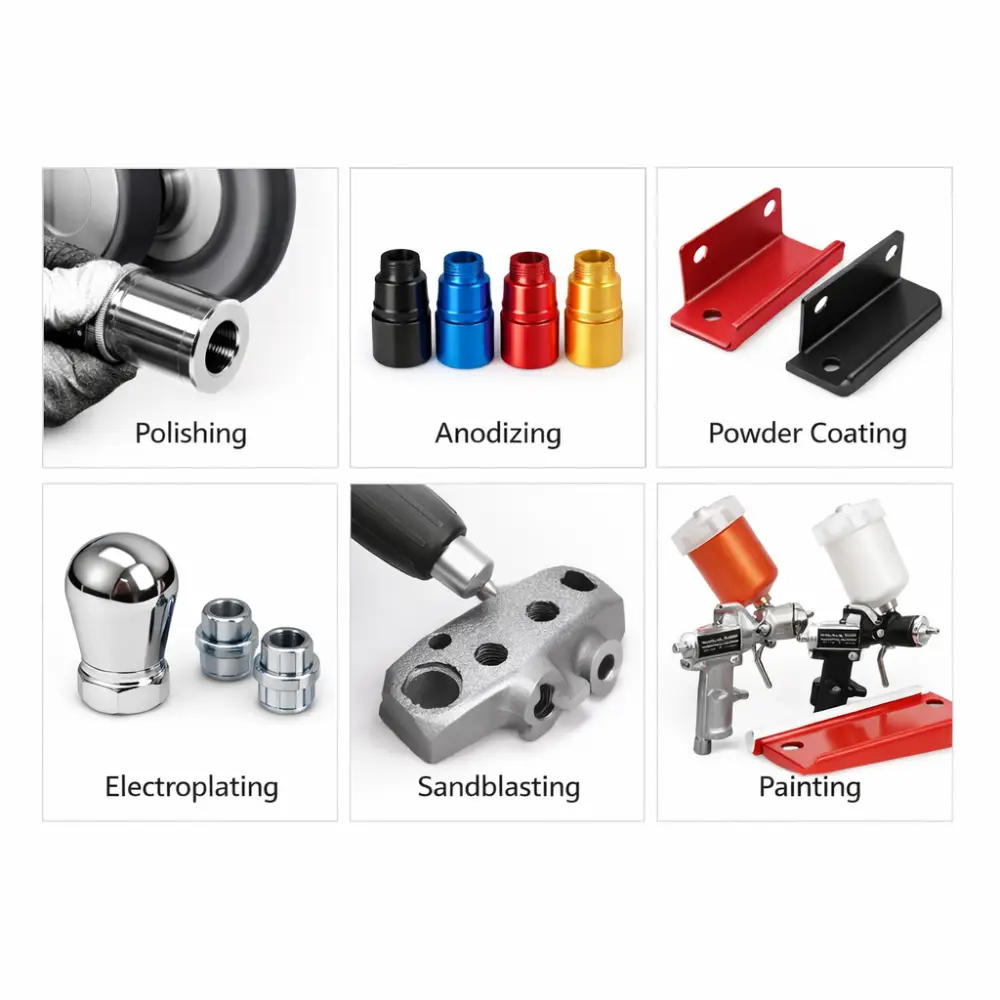
These finishing solutions include polishing, sandblasting, anodizing, electroplating, powder coating, painting, and more. Each process is selected based on the product’s application, aesthetic requirements, and performance expectations.

Surface finishing not only improves visual quality but also increases corrosion resistance, wear resistance, and overall product lifespan.
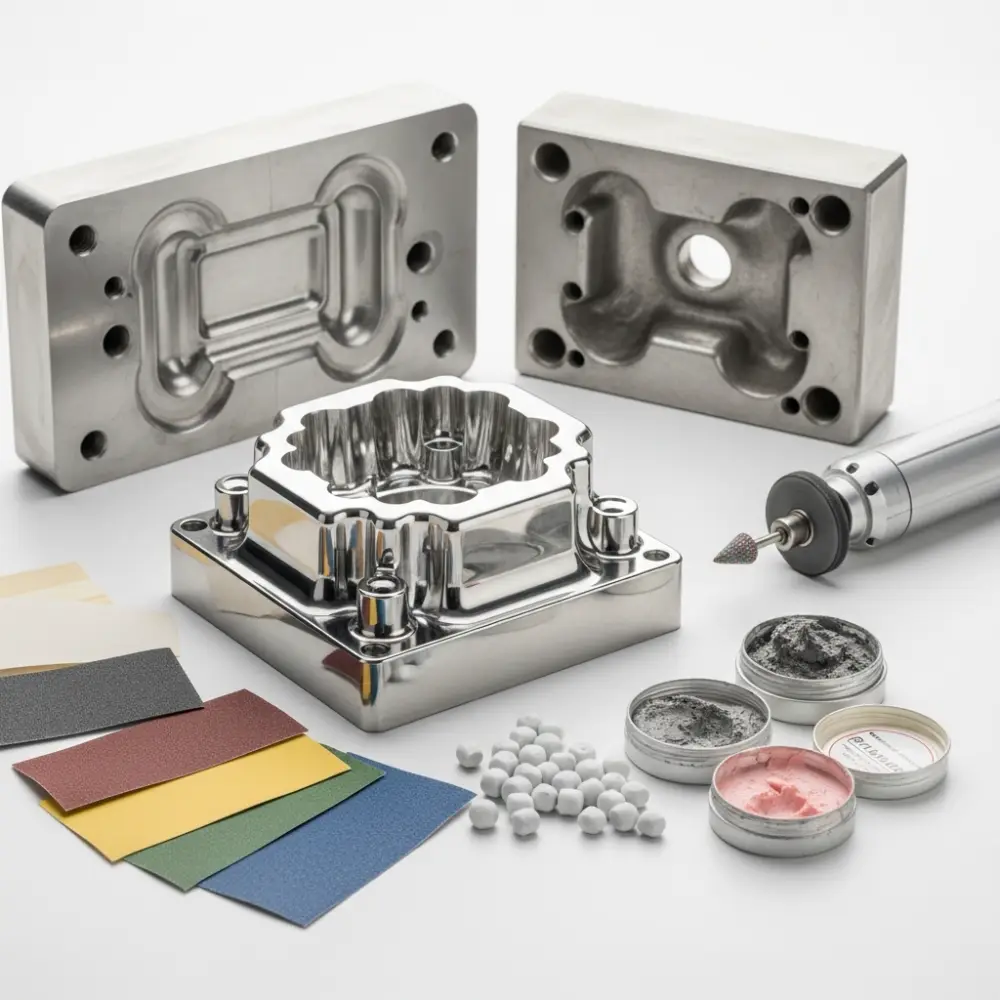
What Are Surface Finishing Options?

Surface Finishing Options are customized treatments applied to the surface of manufactured parts to achieve specific visual, mechanical, or protective properties.

They can:

  • Improve surface smoothness and texture

  • Enhance corrosion and rust resistance

  • Increase hardness and wear resistance

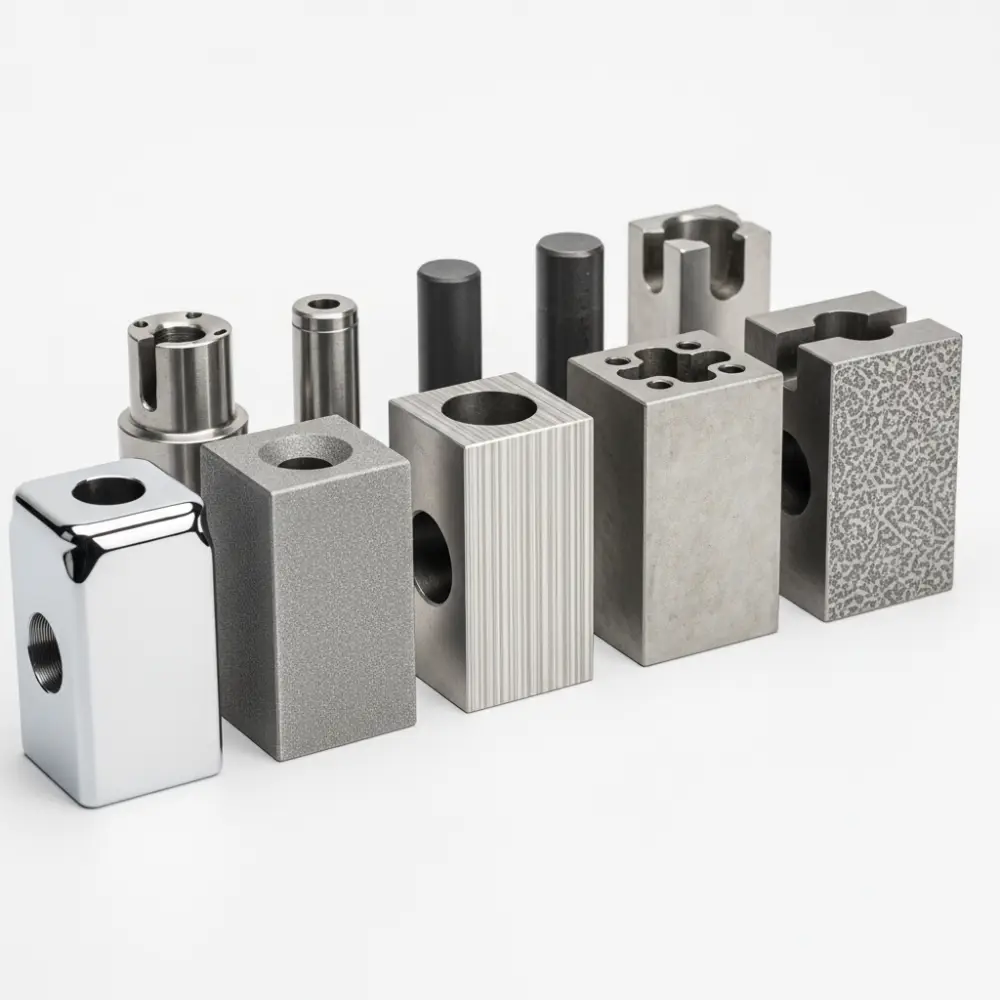
  • Provide decorative finishes (matte, glossy, brushed, colored)

  • Add functional properties (conductivity, insulation, anti-slip)

In short, surface finishing transforms a raw component into a refined, high-performance final product.

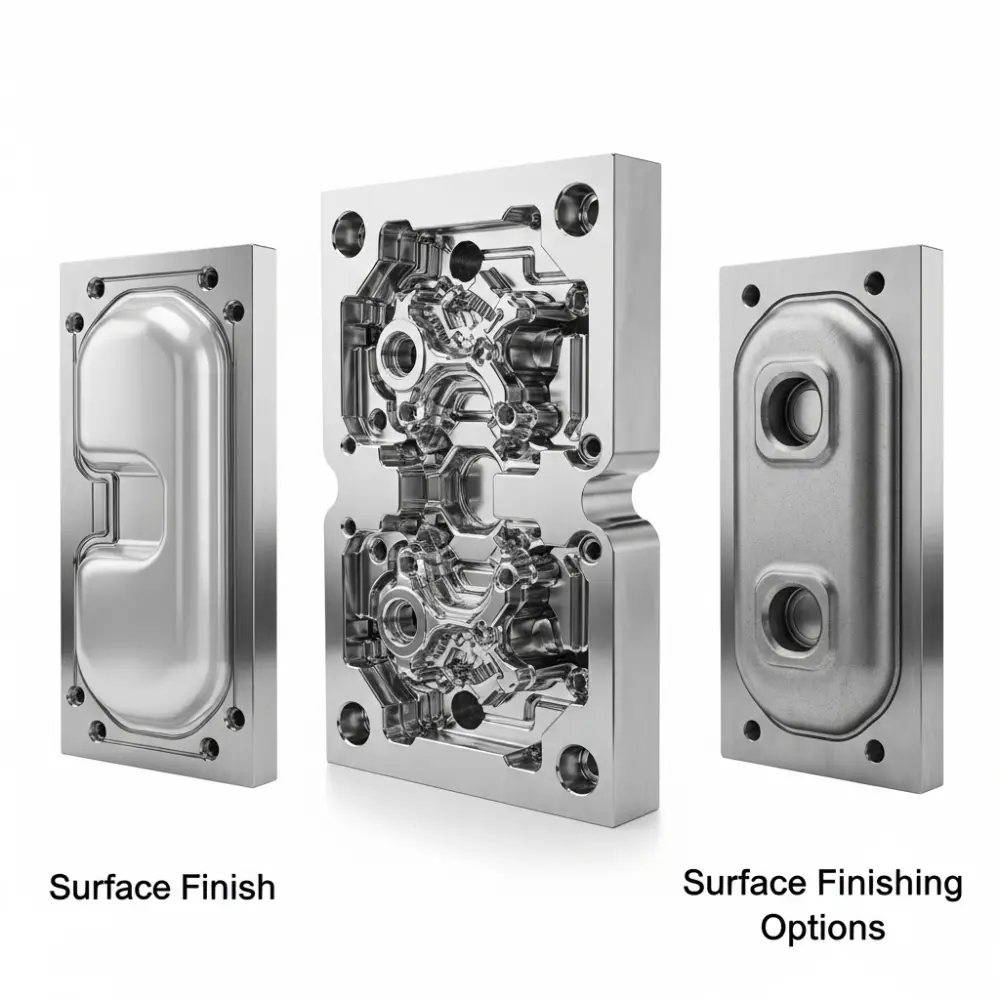
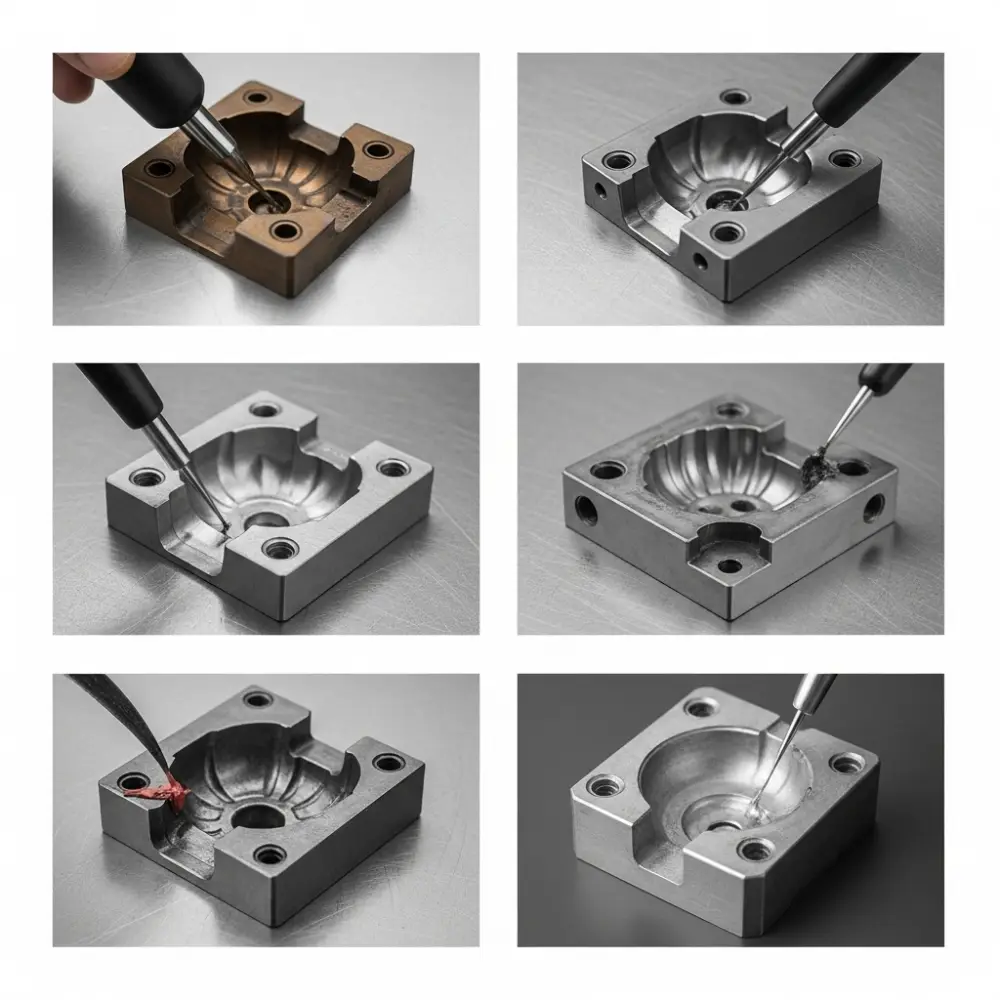
Surface treatments
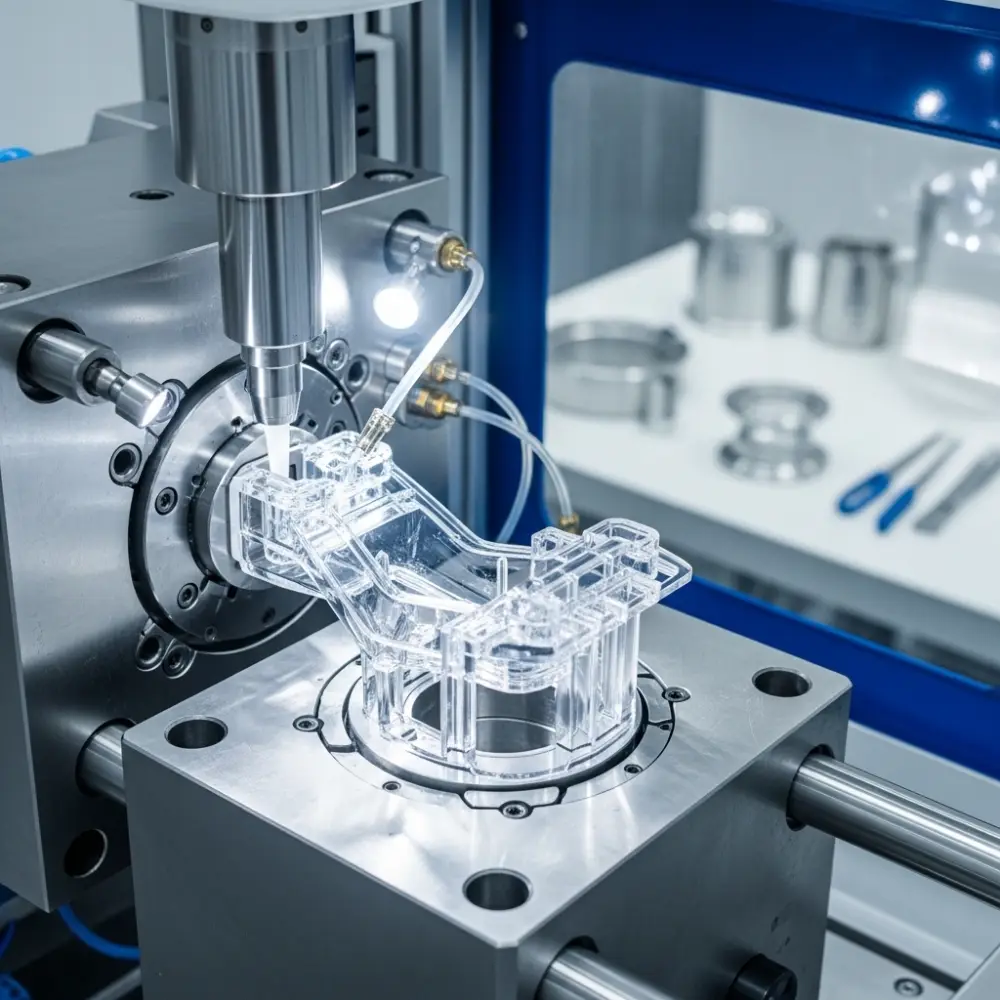
Coating techniques

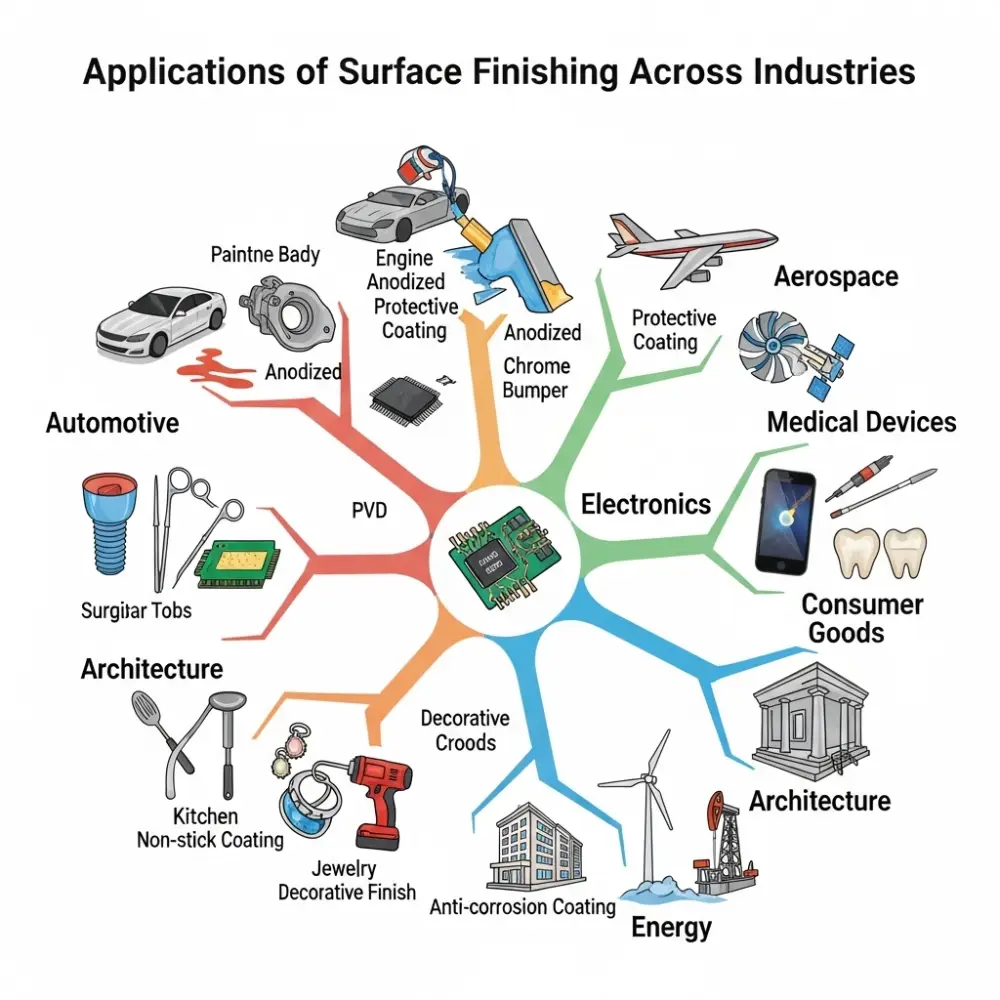
Applications of Surface Finishing Options

Surface finishing is widely used across various industries:

  • Electronics Industry:Enclosures, heat sinks, device housings

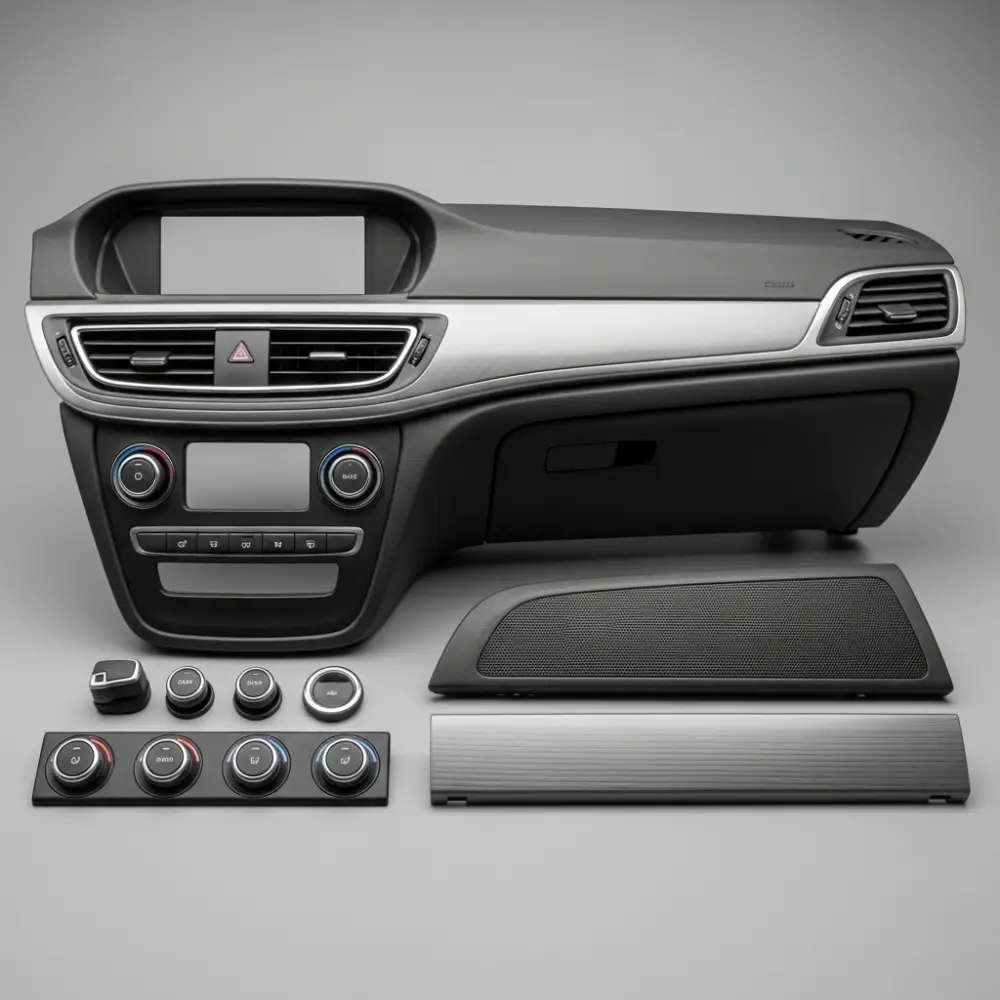
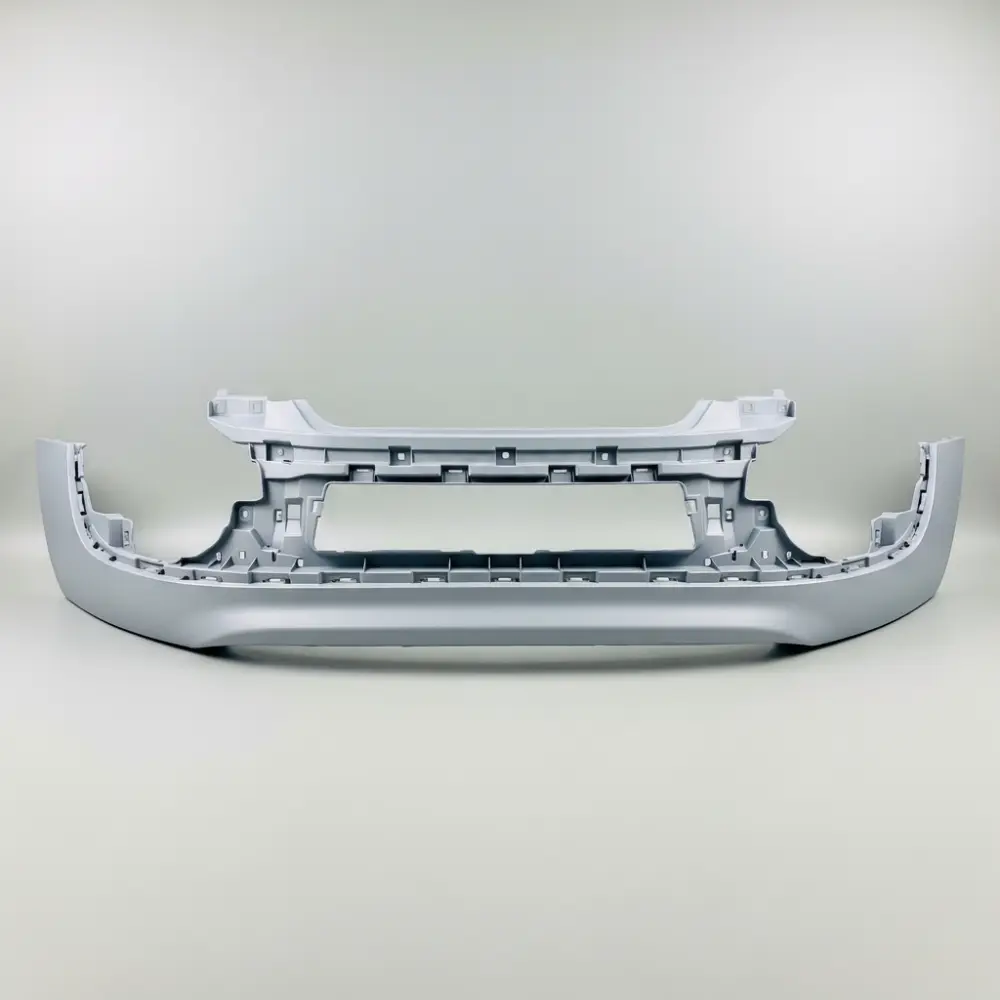
  • Automotive Industry:Interior trim parts, metal brackets, body components

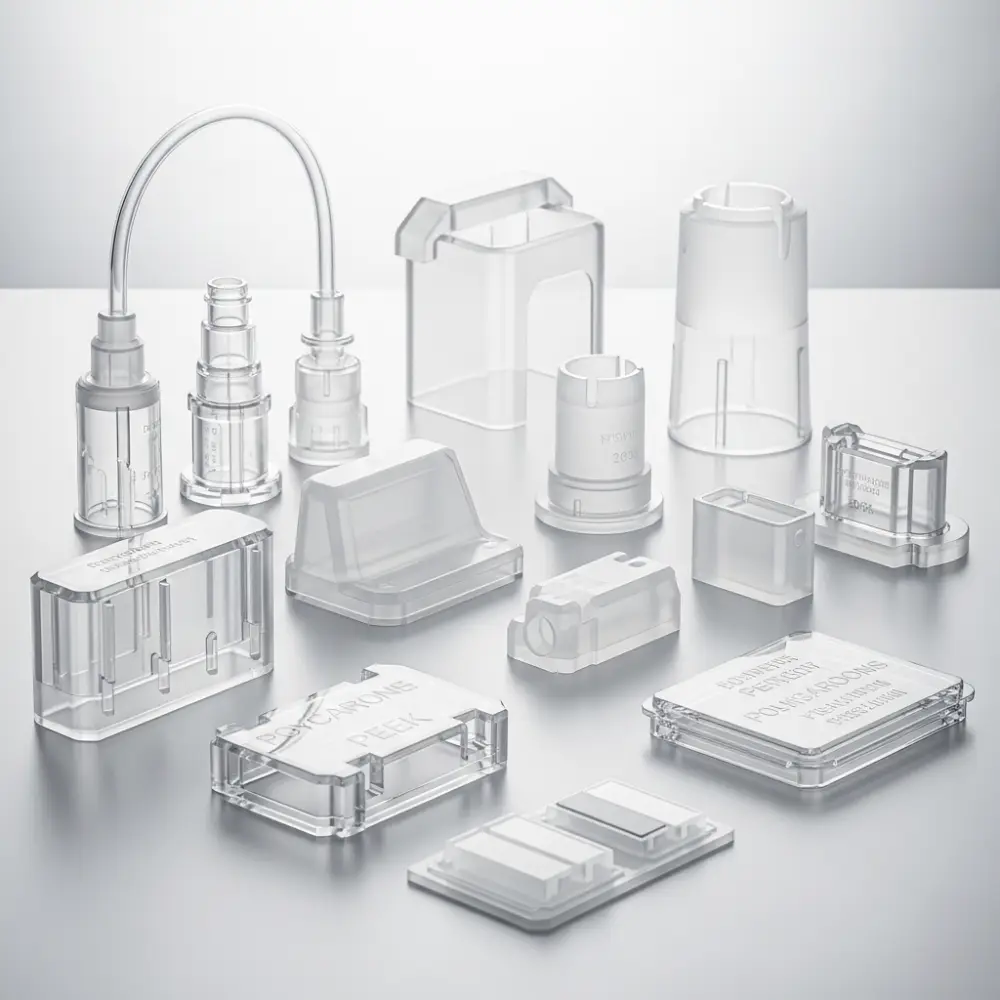
  • Medical Devices:Precision components and instrument housings

  • Industrial Equipment:Structural parts, corrosion-resistant components

  • Consumer Products: Hardware fittings, decorative metal parts

Whether for functional parts or appearance-focused components, surface finishing plays a critical role in product quality and market competitiveness.

Advantages of Surface Finishing Options

  • Enhanced aesthetic appeal

  • Improved corrosion resistance

  • Increased durability and lifespan

  • Customizable colors and textures

  • Higher product value and brand perception

Why Choose Surface Finishing Options?

Choosing professional Surface Finishing Options ensures:

  • Consistent and reliable processing quality

  • Flexible solutions for prototypes and mass production

  • Wide selection of finishes and color options

  • Compliance with industry and environmental standards

  • Increased overall product competitiveness

Metal finishing

FAQ

1. Why is surface finishing important?
Answer:

Surface finishing improves product durability, corrosion resistance, and aesthetic appeal, making it suitable for various industrial and consumer products.

2. What are the most common surface finishing techniques?
Answer:

The most common techniques include polishing, anodizing, electroplating, powder coating, sandblasting, and painting.

3. What is powder coating?
Answer:

Powder coating applies a dry powder to a surface, which is then cured with heat to form a durable, smooth finish that resists scratches and wear.

4. Can surface finishing improve a product’s appearance?
Answer:

Yes, surface finishing enhances the visual quality of products, with options for glossy, matte, brushed, or colored finishes.

5. How does electroplating benefit metal parts?
Answer:

Electroplating involves coating metal parts with a thin layer of another metal, improving corrosion resistance, conductivity, and aesthetics.