Home > Product > Plastic Components for Wearable Devices

Plastic Components for Wearable Devices

Plastic components for wearable electronics are molded parts that provide structural support and protection for internal modules. They are lightweight, durable, and designed to fit comfortably while allowing flexible design options.
  • Sweat Resistance: Withstands exposure to moisture during daily activities.
  • Quick Fabrication: Allows fast, cost-effective production for high-volume devices.
  • Smooth Contours: Ensures comfort and reduces irritation on the skin.
  • Vibrant Finishes: Can be produced in multiple colors and textures for aesthetic appeal.
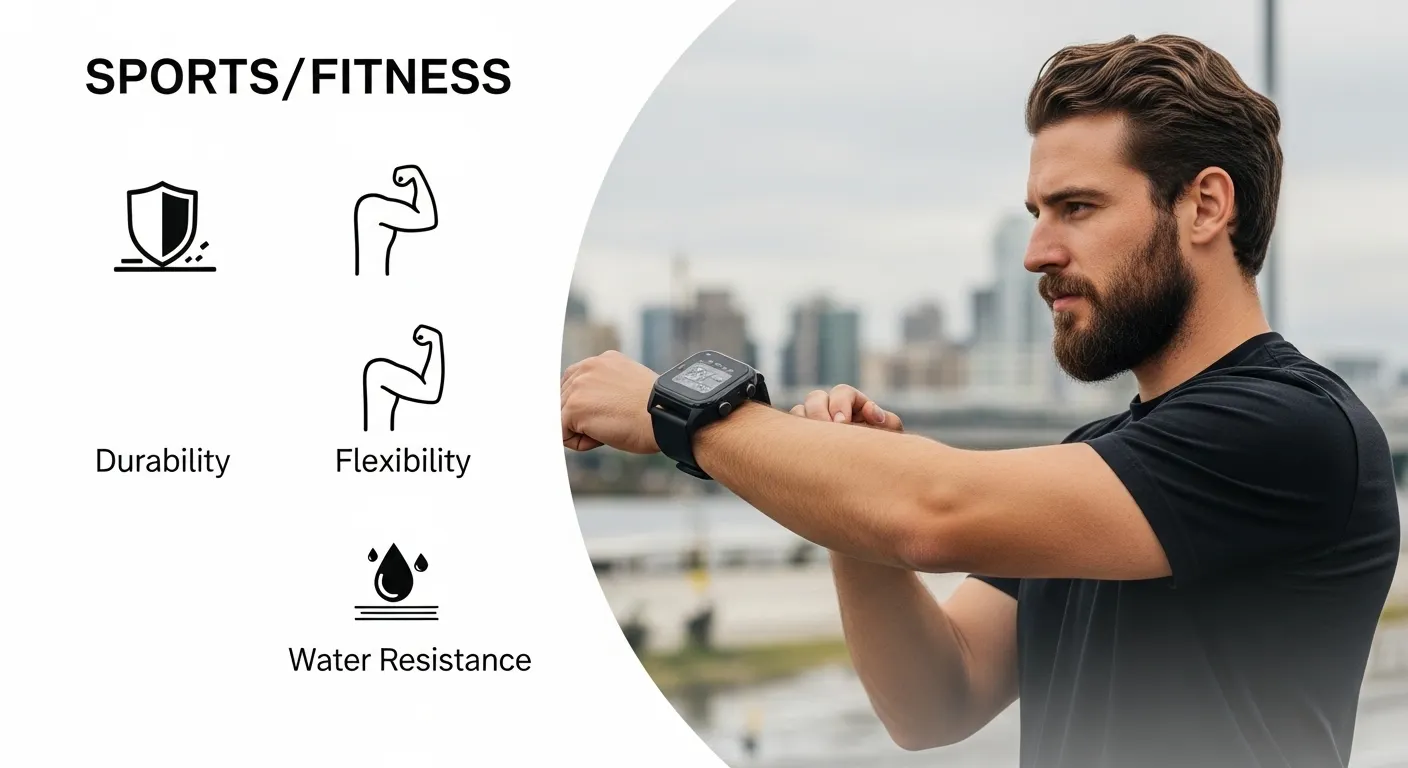
  • Shape Retention: Maintains form and stability even under frequent flexing or movement.

Introduction to Plastic Components for Wearable Devices

Plastic components for wearable devices are lightweight, precision-molded parts designed to form the outer shell, internal supports, and functional elements of wearable electronics. They provide protection, structural integrity, and design flexibility while maintaining comfort and durability for daily use.
What are Plastic Components for Wearable Devices?

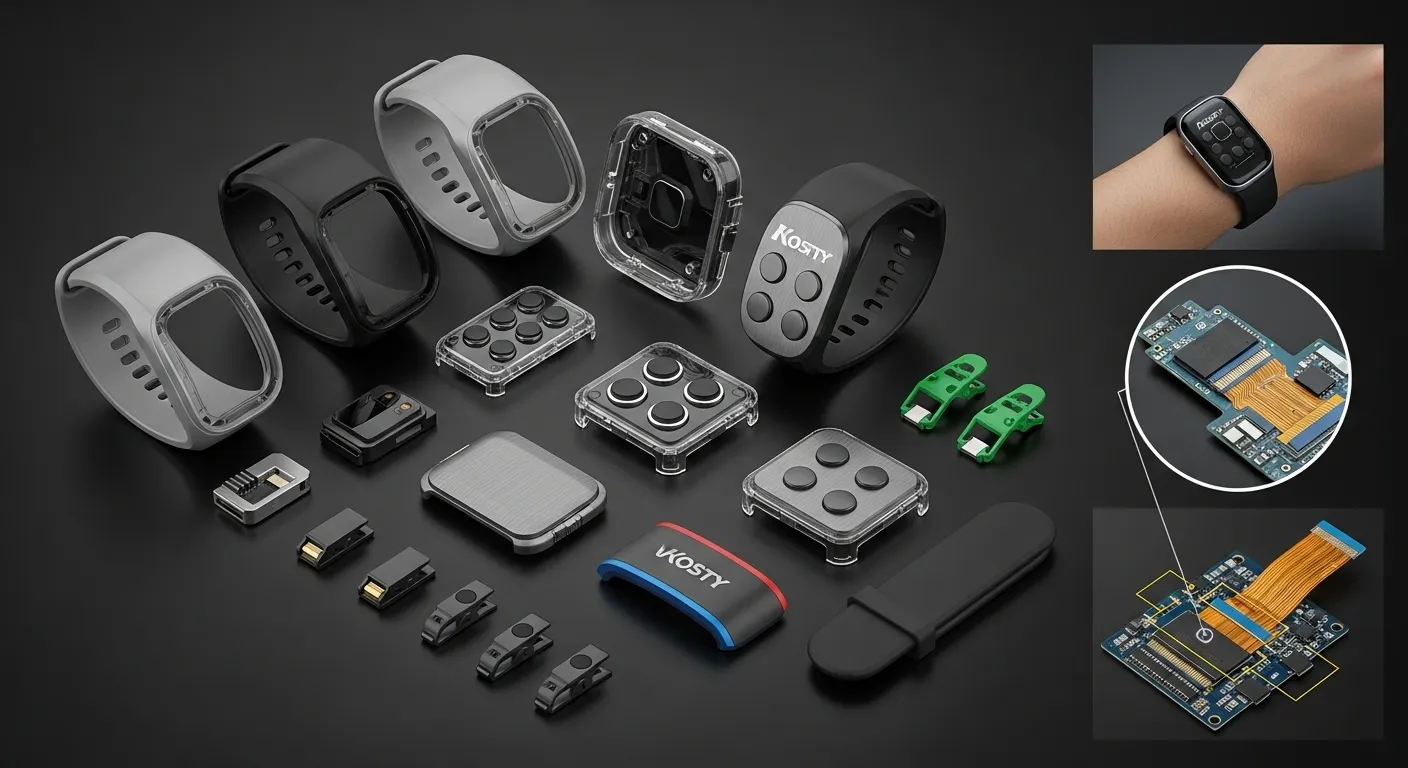
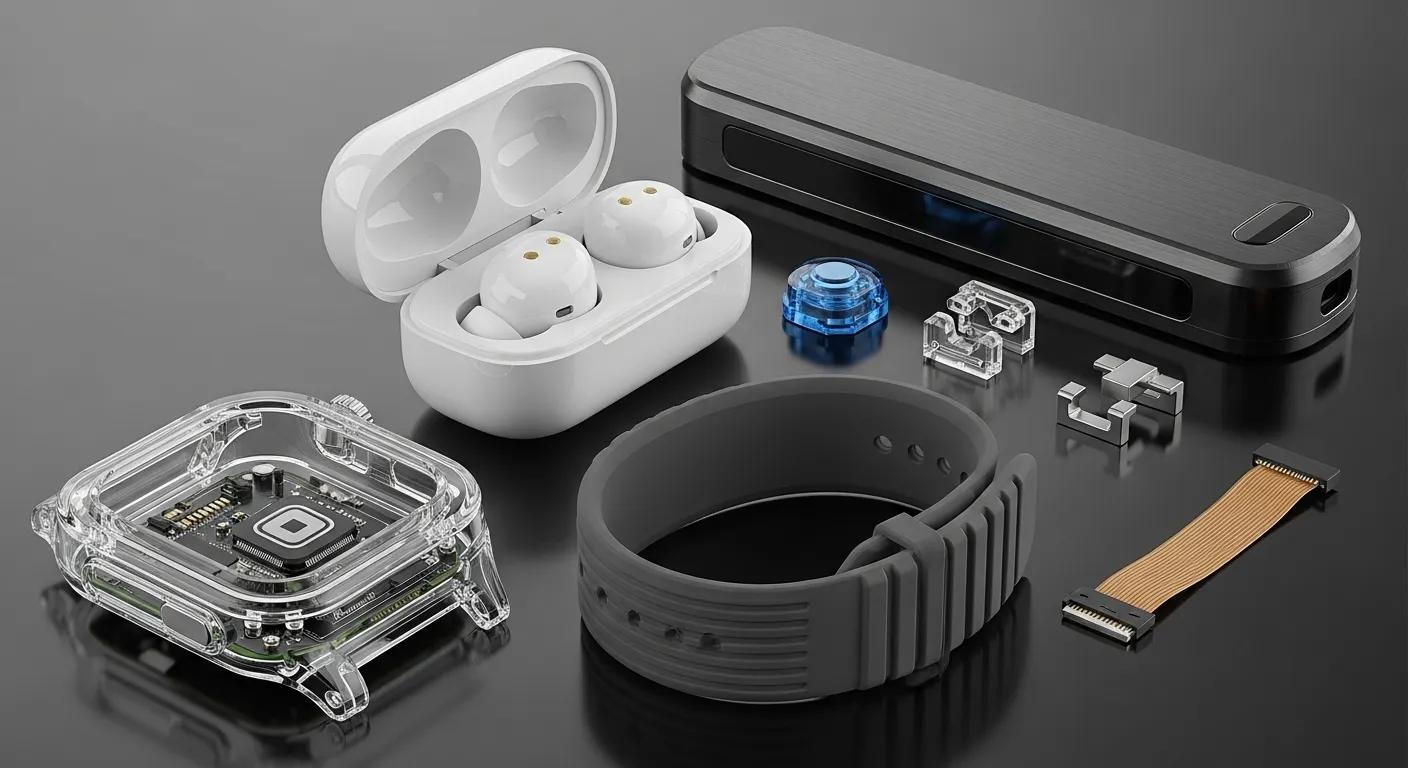
Plastic components for wearable devices are precision-molded parts used in smartwatches, fitness trackers, medical monitors, and other body-mounted electronics. They include casings, buttons, sensor housings, and internal supports that protect delicate circuitry, hold internal modules in place, and contribute to the overall device structure. These components are designed to be lightweight and ergonomic, allowing wearables to remain comfortable during extended use, while providing durability and resistance to impacts, sweat, and daily wear.

Plastic components for smartwatches
Molded plastic parts for wearables

Key Features of Plastic Components for Wearable Devices

  • Lightweight Structure: Reduces bulk, improving comfort for prolonged wear.

  • Impact Resistance: Protects delicate electronics from shocks and drops.

  • Ergonomic Design: Shapes and contours fit comfortably on wrists, arms, or body.

  • Durable Material: Resistant to scratches, sweat, and daily wear.

  • Customizable Appearance: Can be molded in different colors, finishes, and textures.

Applications of Plastic Components for Wearable Devices

  • Smartwatches: Casings, buttons, and internal supports.

  • Fitness Trackers: Protective shells and sensor housings.

  • Medical Wearables: Components for portable monitoring devices.

  • Virtual Reality Headsets: Internal brackets and external frames.

  • Sports and Outdoor Gadgets: Protective enclosures and mounting supports.

Wearable electronics plastic housing
Durable wearable device parts

Why Choose Plastic Components for Wearable Devices?

  • Comfortable and Lightweight: Ideal for devices worn on the body for long periods.

  • Durable Protection: Safeguards sensitive internal electronics from impacts and wear.

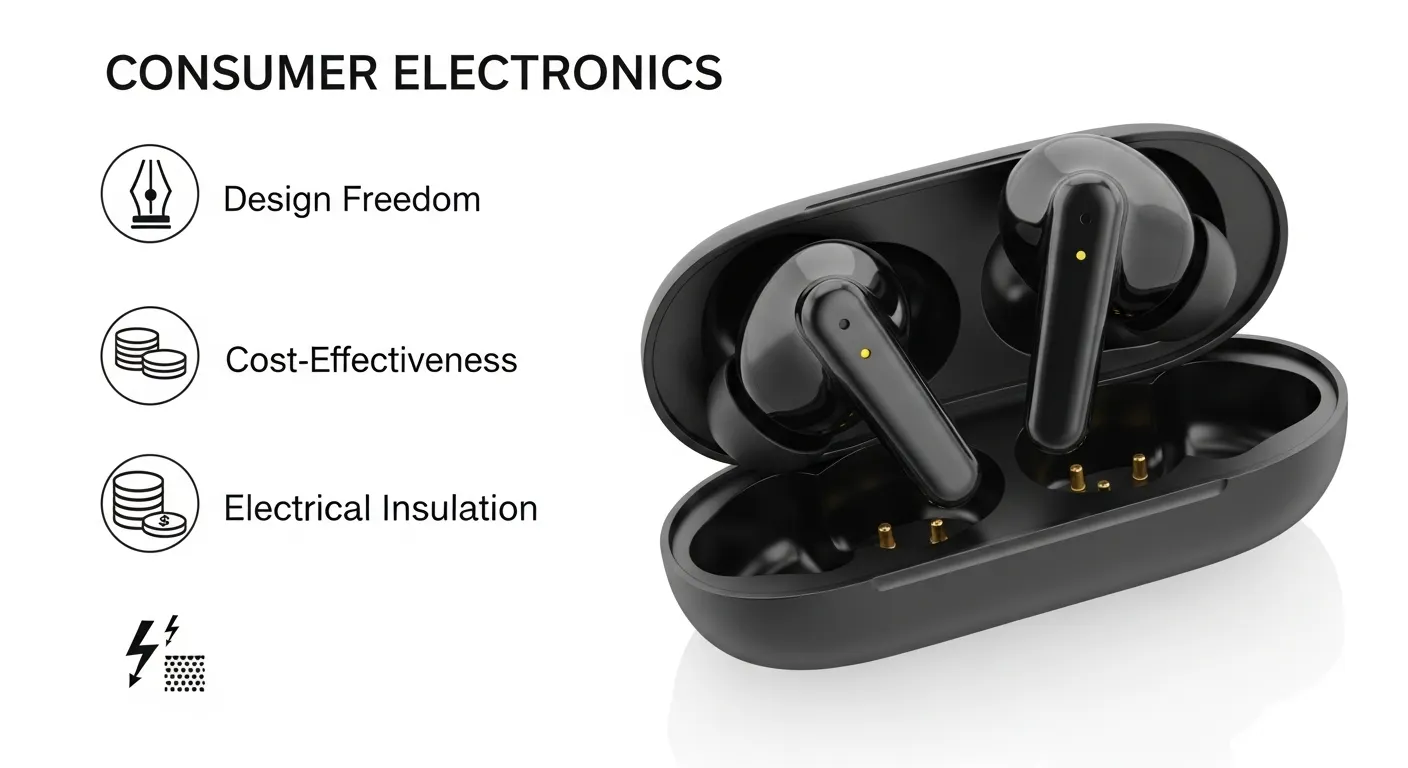
  • Design Flexibility: Supports ergonomic shapes and customizable aesthetics.

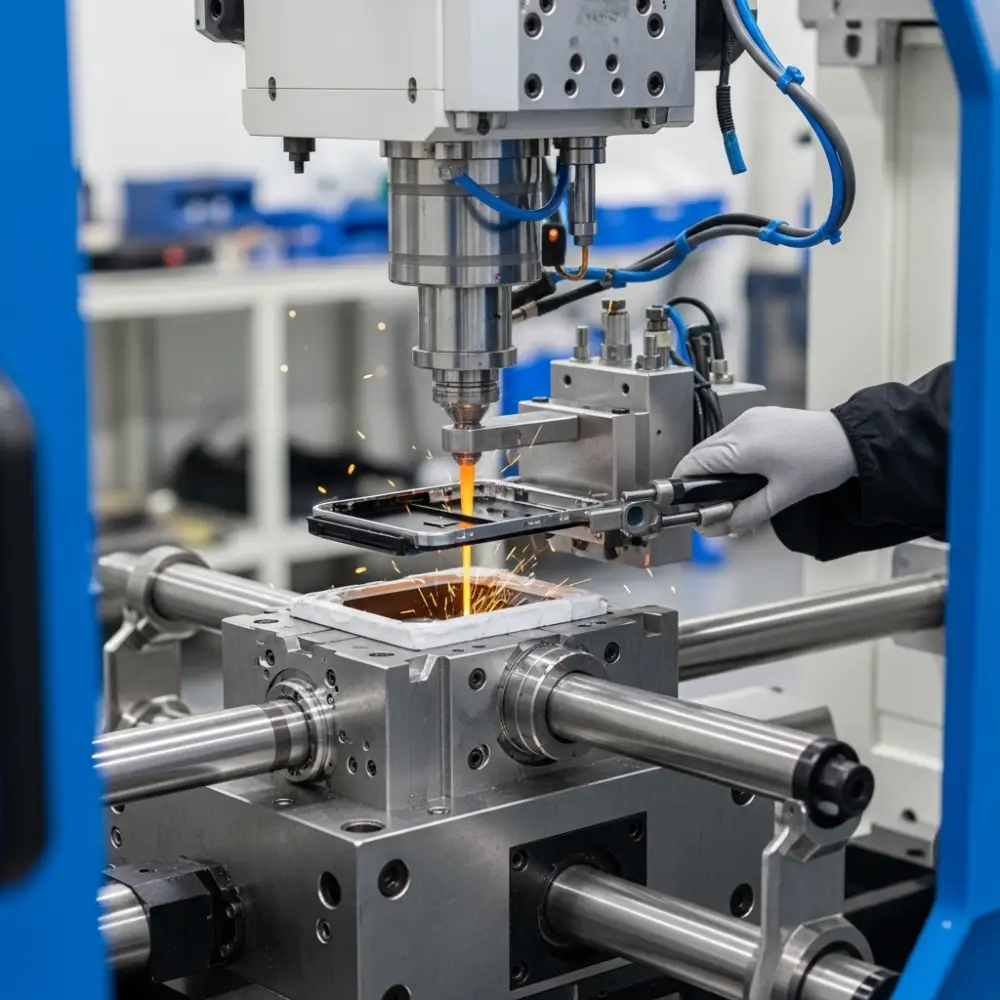
  • Cost-Effective Production: Injection molding allows efficient, scalable manufacturing.

  • Reliable Performance: Maintains structural integrity and functional stability over time.

FAQ

1. What materials are used for these components?
Answer:

Common materials include ABS, polycarbonate, polypropylene, and PBT, chosen for strength, durability, and comfort.

2. Why use plastic in wearable devices?
Answer:

Plastic is lightweight, flexible, cost-effective, and allows precision molding for ergonomic and aesthetically pleasing designs.

3. Do plastic parts affect device comfort?
Answer:

No, they can be shaped and finished to ensure smooth edges and ergonomic contours for long-term comfort.

4. Do plastic components impact device performance?
Answer:

No, they safely protect electronics without interfering with sensors, signals, or other device functions.

5. Can these components handle heat from electronics?
Answer:

Yes, heat-resistant plastics ensure stability and maintain shape during regular device operation.