


How to Find Reliable Sheet Metal Fabrication Services Near You
Finding the best sheet metal fabrication near me is the first step toward ensuring your industrial project meets strict quality and durability standards. Choosing a local partner involves evaluating their technical equipment, workforce expertise, and their ability to handle complex geometries with precision. A reliable fabricator doesn't just cut metal; they provide engineering insights that optimize your design for cost-effective manufacturing and long-term performance.
How do I identify a reliable sheet metal fabrication service near me?
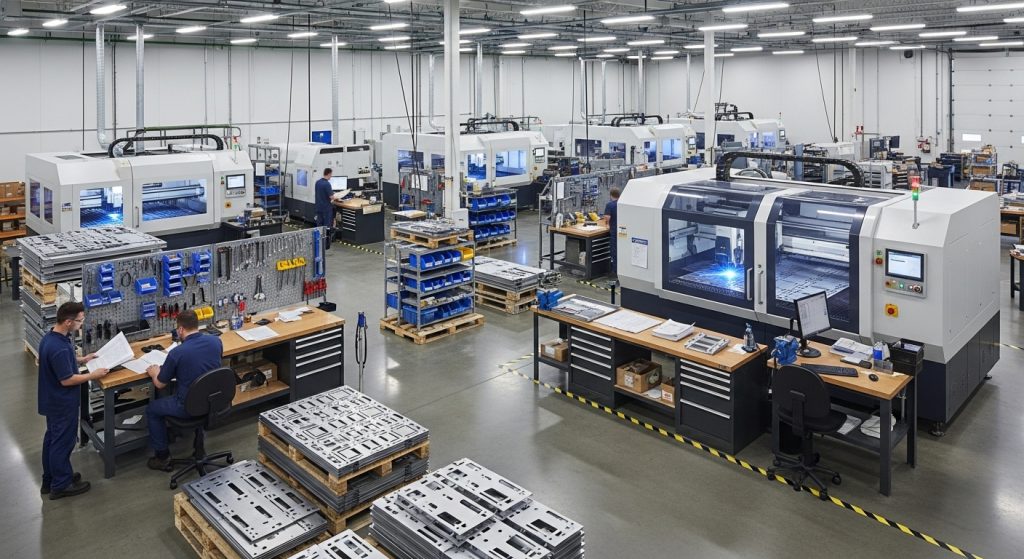
To identify a reliable sheet metal fabrication service near you, look for established facilities with documented quality certifications, such as ISO 9001, and a diverse portfolio of past industrial projects. Reliable shops prioritize clear communication, provide detailed, transparent quotes, and possess a wide range of in-house capabilities including laser cutting, welding, and advanced sheet metal fabrication techniques.
Reliability in the metal industry is built on consistency. When I first started auditing supply chains, I noticed that the most successful projects came from shops that treated their equipment as an extension of their craftsmanship. You want a partner who invests in modern CNC machinery and maintains a clean, organized shop floor. A messy shop often translates to messy tolerances.
Furthermore, a reliable provider should offer more than just a "yes" to every request. They should engage in Design for Manufacturability (DFM) reviews. If a fabricator points out a potential stress fracture in your design during the quoting phase, they aren't being difficult—they are showing the expertise that prevents a mid-production disaster. This level of transparency is the hallmark of a partner you can trust for the long haul.
What essential capabilities should a local fabrication shop offer?
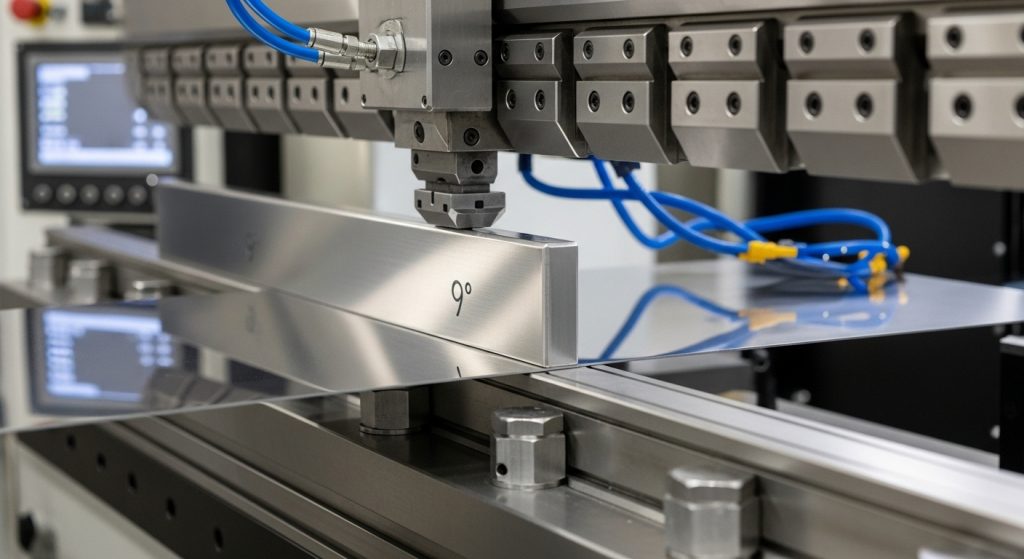
A high-quality local fabrication shop should offer a comprehensive suite of services including fiber laser cutting, CNC bending, various welding methods (TIG/MIG), and finishing services. Having these capabilities under one roof reduces lead times, minimizes shipping costs, and ensures that quality control remains consistent throughout every stage of the metal transformation process.
When vetting a shop, look for specific technological milestones. For instance, do they use hydraulic press brakes with 5-axis backgauges for complex bending operations? These tools allow for the extreme precision required in aerospace or medical components.
| Capability | Importance Level | Why It Matters |
| Fiber Laser Cutting | High | Ensures clean edges and high-speed production. |
| CNC Bending | High | Guarantees repeatable accuracy for multi-bend parts. |
| In-house Tooling | Medium | Reduces costs for custom metal stamping parts. |
| Hardware Insertion | Medium | Necessary for parts requiring studs, standoffs, or nuts. |
| Finishing (Powder/Plating) | High | Provides the final protective layer against corrosion. |
A shop that lacks basic finishing or hardware insertion often has to outsource these steps. Every time your parts leave the primary facility to go to a third-party vendor, the risk of damage or delays increases. A truly "reliable" service manages the entire lifecycle of the part.
How do I evaluate a fabricator’s technical expertise in specialized parts?
You can evaluate a fabricator's technical expertise by reviewing their experience with specialized components like sheet metal stamping parts and their understanding of material tolerances. Ask for case studies involving similar materials to yours, such as stainless steel or aluminum, and verify their ability to maintain precision across high-volume production runs without compromising quality.
Technical expertise isn't just about owning the machines; it's about knowing how to push them. I once worked with a client who needed a very thin-walled enclosure for a telecommunications device. Three local shops turned it down, claiming the heat from the laser would warp the material. The fourth shop, an expert in sheet metal stamping parts, suggested a specific cooling jig and a pulsed laser setting. That’s the difference between a "operator" and an "expert."
Understanding Material Science
Expert fabricators understand how different alloys react to heat and pressure. For example, bending 5052 aluminum requires a different radius than 6061 to prevent cracking. If a shop cannot explain their approach to material selection and bend allowances, they may not have the depth of knowledge required for complex industrial work.
Metal Stamping vs. CNC Machining: Which should my local fabricator prioritize?
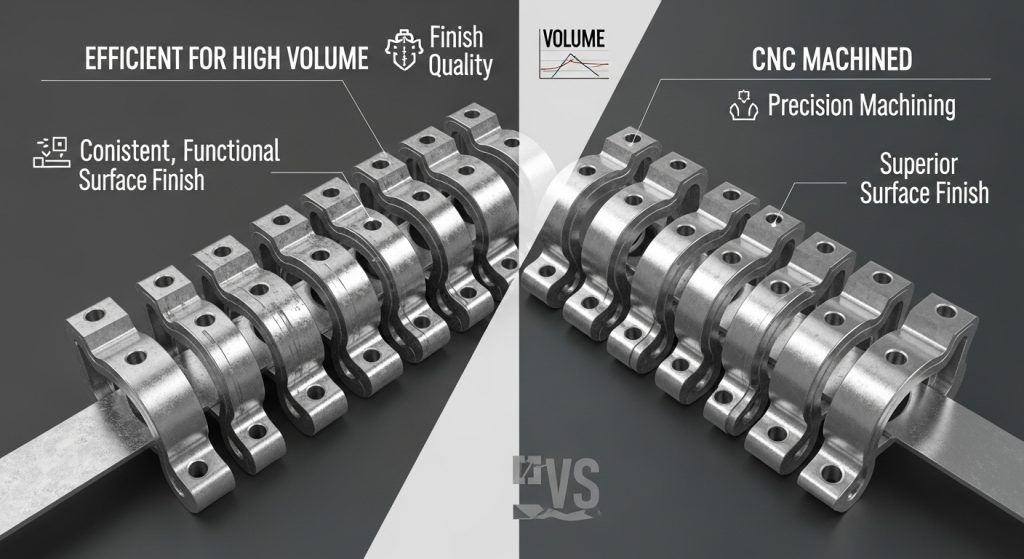
Whether a fabricator should prioritize metal stamping or CNC machining depends entirely on your project's volume and complexity. Stamping is ideal for high-volume, repetitive production of sheet metal stamping parts, while CNC machining offers greater flexibility for low-volume, high-precision components. A versatile shop will help you navigate metal stamping vs cnc machining to optimize your budget.
If you are looking for sheet metal fabrication near me for a prototype, CNC machining is almost always the better choice because it requires no expensive hard tooling. However, once you scale to 10,000 units, the initial investment in a stamping die pays for itself through a much lower "price per piece."
Tip: Always ask your fabricator at what volume they recommend switching from laser cutting to hard-tooled stamping. A transparent partner will show you the "break-even" point where your ROI shifts.
What red flags should I look for in a local metal shop?
Common red flags in a local metal shop include a lack of formal quality certifications, vague lead time estimates, and poor communication during the initial inquiry. Additionally, be wary of shops that offer significantly lower prices than competitors, as this often indicates the use of inferior raw materials or a lack of rigorous post-production inspection.
I’ve seen many "budget" projects end up costing double because the parts arrived out of spec. If a shop doesn't have a dedicated Quality Control (QC) department with calibrated measuring tools (like CMMs or digital calipers), you are essentially gambling with your project.
- Vague Quotes: If the quote is just a single number without a breakdown of material, labor, and finishing, run away.
- Outdated Equipment: If the machines look like they belong in a museum, they likely cannot hold the tight tolerances required by modern CAD models.
- Poor Material Tracking: Reliable shops can provide Material Test Reports (MTRs) to prove the origin and grade of the metal they are using.
How does proximity affect project costs and lead times?
Proximity significantly affects project costs by reducing shipping fees and allowing for faster turnaround on revisions or prototypes. Working with a fabricator near you facilitates face-to-face design consultations and facility tours, which can resolve technical issues much faster than email chains, ultimately streamlining the production of metal stamping parts.
Shipping heavy metal parts is expensive. If you are ordering large quantities of sheet metal fabrication work, the freight costs from an out-of-state vendor can easily consume 10-15% of your total budget. By staying local, you can often pick up the parts yourself or use local couriers, keeping those funds in the actual manufacturing quality.
Beyond the cost, there is the "Emergency Factor." If a batch of parts arrives and you realize there was a design oversight, a local shop can often pull your job back onto the machine the same day. With an overseas or distant vendor, you're looking at weeks of shipping delays.
What questions should I ask during a facility tour?
During a facility tour, you should ask about their quality management system, the age and maintenance schedule of their CNC machines, and their experience with your specific industry. Inquire about their typical lead times, how they handle material shortages, and whether they offer integrated services like bending and assembly to ensure a streamlined workflow.
A facility tour is your "truth detector." Here is a checklist of things to observe and ask:
- Is the scrap metal organized? A shop that separates its aluminum, steel, and stainless scrap is a shop that respects material purity.
- How do they handle "First Article Inspection"? Ask to see a sample inspection report.
- What is the "on-time delivery" rate? A reliable shop should know this number off the top of their head (it should be 95% or higher).
- Are the operators following safety protocols? Safety culture is a direct indicator of overall disciplined manufacturing.
The Value of Specialized Tooling
If your project involves sheet metal stamping parts, ask to see their tool and die shop. A fabricator that can maintain and repair their own dies in-house is far more reliable than one that has to send tools out for sharpening every time they get dull.
Summary of Selection Criteria
Choosing the right partner for sheet metal fabrication near me requires a balance of technology, geography, and trust. By focusing on shops that offer a full range of services—from bending to high-volume metal stamping parts—you position your project for success.
Don't settle for the first shop that answers the phone. Use the data, tables, and red flags provided in this guide to vet your candidates thoroughly. Your metal parts are the backbone of your product; make sure the hands that shape them are as precise as the designs you’ve created.
