


What is Manufacturing Post-Processing? A Complete Overview
Manufacturing post-processing refers to any operation performed on a part after it leaves a machine to improve its surface quality, durability, or functionality. Whether you use 3D printing, CNC machining, or injection molding, post-processing ensures the final product meets the specific aesthetic and mechanical requirements necessary for its intended application.
Manufacturing post-processing is the essential final stage in production where parts undergo secondary operations like cleaning, sanding, or coating. These processes correct surface imperfections, enhance structural integrity, and provide necessary aesthetic finishes. Without effective post-processing, many manufactured components would fail to meet industrial tolerances or consumer expectations for quality and performance.
Why is Post-Processing Essential in Modern Manufacturing?
Post-processing is essential because primary manufacturing methods often leave marks, burrs, or structural weaknesses that can compromise the final product. It bridges the gap between a "raw" part and a market-ready component. By refining the surface, manufacturers can achieve tighter tolerances, better corrosion resistance, and a professional appearance.
In my years overseeing precision manufacturing workflows, I have seen how a single missed deburring step can lead to mechanical failure in high-stress environments. High-quality finishing is not just about looks; it is about performance. For example, in automotive injection molding, a part might need UV stabilization or specialized textures that only post-processing can provide.
The benefits of post-processing include:
- Aesthetic Improvement: Removing layer lines in 3D printing or tool marks in CNC machining.
- Mechanical Enhancement: Increasing hardness or flexibility through thermal treatments.
- Environmental Protection: Adding layers that resist rust, UV rays, or chemical exposure.
- Dimensional Accuracy: Achieving exact measurements that machines cannot hit alone.
What are the Primary Types of Manufacturing Post-Processing?

Manufacturing post-processing categories generally fall into mechanical finishing, chemical treatments, and thermal processes. Each category addresses different needs, such as smoothing a rough surface, changing the chemical composition of a part's exterior, or altering its internal crystalline structure. The choice depends entirely on the material and the end-use.
The following table summarizes the most common categories used in the industry today:
| Category | Common Techniques | Primary Goal | Best For |
| Mechanical | Sanding, Bead Blasting, Polishing | Surface texture refinement | Metals, Plastics |
| Chemical | Anodizing, Vapor Smoothing, Plating | Corrosion resistance & Aesthetics | Aluminum, Polymers |
| Thermal | Annealing, Quenching, Tempering | Internal stress relief | Steel, 3D Printed Parts |
| Additive | Painting, Powder Coating | Color and protection | Consumer electronics |
How Does Mechanical Finishing Improve Part Quality?
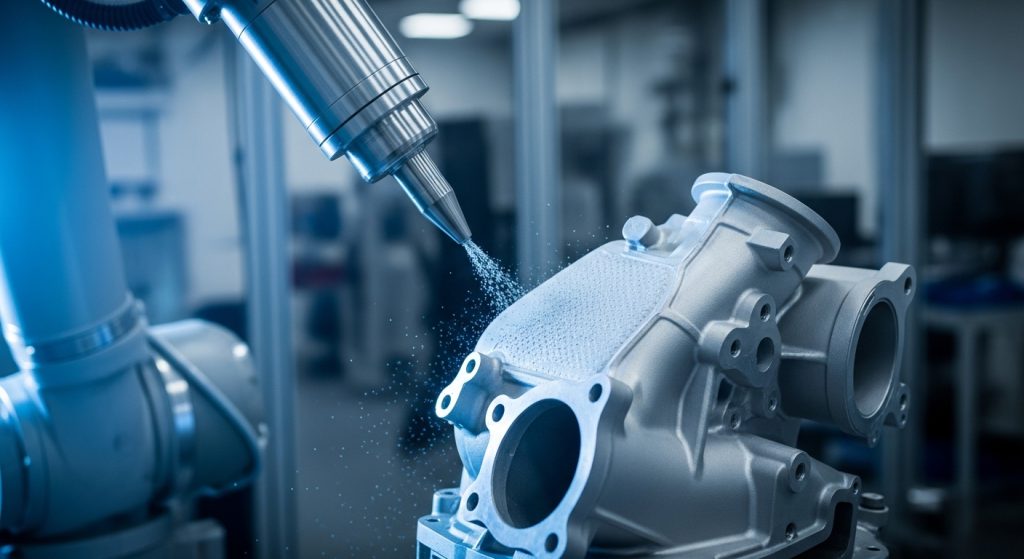
Mechanical finishing involves the physical removal of material or the reshaping of the surface through friction or impact. Techniques like sanding, grinding, and bead blasting fall into this category. It is the most common way to remove "flash" from molded parts or sharp edges from sheet metal fabrication projects.
Bead Blasting and Sandblasting
Bead blasting uses a stream of abrasive media, such as glass beads, propelled at high pressure against a surface. This creates a uniform matte or satin finish. I often recommend this for parts that need to hide fingerprints or require a non-reflective surface.
Precision Polishing
For parts requiring a mirror-like finish, mechanical polishing is the gold standard. This involves using increasingly fine abrasives and polishing compounds. In medical device manufacturing, this level of smoothness is mandatory to prevent bacterial growth on the surface of the component.
What is the Role of Chemical Post-Processing?
Chemical post-processing uses liquid baths, vapors, or electrochemical reactions to alter a part's surface. Unlike mechanical methods, chemical treatments can often reach internal geometries that are impossible to sand by hand. This makes it ideal for complex prototypes generated by rapid prototyping manufacturers.
Tip: Always verify the chemical compatibility of your material before choosing a vapor smoothing process, as some solvents can degrade specific polymers.
Anodizing for Aluminum
Anodizing is an electrochemical process that converts the metal surface into a decorative, durable, and corrosion-resistant anodic oxide finish. It is ubiquitous in the electronics and aerospace industries. Because the oxide layer is integrated with the underlying aluminum, it will never chip or peel like paint.
Vapor Smoothing
Commonly used in 3D printing, vapor smoothing involves exposing a part to a vaporized solvent. The solvent slightly melts the outer layer of the plastic, allowing surface tension to pull the material into a perfectly smooth, glossy finish. This is a game-changer for making printed parts look like they were injection molded.
When Should Heat Treatment Be Used?
Heat treatment is used when the internal properties of a material need to be modified, such as increasing hardness or removing internal stresses. This process involves heating the part to a specific temperature and then cooling it in a controlled manner. It is vital for parts that will face extreme pressure or wear.
Common heat treatment methods include:
- Annealing: Heating the material and cooling it slowly to soften it and improve ductility.
- Tempering: Reducing the brittleness of hardened steel while maintaining its strength.
- Stress Relieving: Minimizing internal stresses caused by machining or welding.
How Do Post-Processing Requirements Change for Plastics vs. Metals?
Post-processing for plastics focuses on aesthetics and removing support structures, whereas metal post-processing often focuses on structural integrity and oxidation resistance. Plastics are softer and more heat-sensitive, requiring gentle mechanical methods. Metals are more robust and can handle aggressive abrasive blasting and high-temperature coatings.
While a Top 20 Rapid Prototyping Manufacturer might use a simple tumble polisher for plastic parts, a metal part might require a complex multi-stage process involving CNC grinding, heat treatment, and then electroplating.
How to Choose the Right Post-Processing Method?
Choosing the right post-processing method requires balancing your budget, the desired aesthetic, and the functional requirements of the part. You must consider the environment the part will live in. If it is an outdoor automotive part, UV-resistant coating is non-negotiable. If it is a decorative indoor piece, a simple coat of paint might suffice.
Consider these factors when making your selection:
- Tolerance Requirements: Does the finish add thickness (like powder coating) or remove it (like sanding)?
- Material Compatibility: Some chemicals will dissolve specific plastics.
- Cost vs. Benefit: Is a mirror finish necessary, or is a matte finish acceptable?
- Volume: Can the process be automated for 10,000 parts, or is it a manual process only suitable for prototypes?
What are the Common Challenges in Post-Processing?
The biggest challenges in post-processing are maintaining dimensional accuracy and managing labor costs. Every time you sand or chemically etch a part, you are removing material. If your tolerances are tight, over-processing can lead to a part that no longer fits its assembly.
Tip: Design your parts with post-processing in mind. Add a "finishing allowance" to your CAD models if you know the part will be heavily sanded or polished.
Another challenge is consistency. Manual sanding is prone to human error. To combat this, many manufacturers are moving toward robotic finishing systems that can replicate the same pressure and motion thousands of times without fatigue.
How is Automation Changing the Future of Post-Processing?
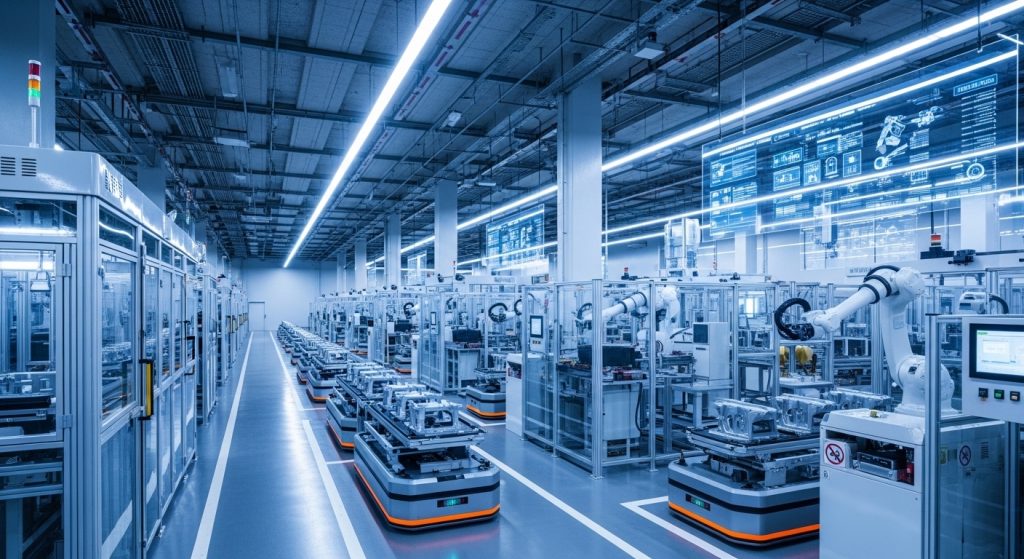
Automation is revolutionizing post-processing by reducing lead times and increasing repeatability. Robotic arms equipped with vision systems can now identify burrs and remove them with surgical precision. This is particularly important for high-volume industries where manual labor is the primary bottleneck.
The shift toward "lights-out" manufacturing means that post-processing is no longer an afterthought. It is becoming an integrated part of the digital thread, where software predicts the surface finish of a part before it is even printed or machined. This allows for proactive adjustments that minimize the amount of finishing required.
Summary of Post-Processing Techniques
| Method | Best Use Case | Key Advantage |
| Powder Coating | Outdoor equipment | Durable, thick protective layer |
| Electropolishing | Medical devices | Ultra-smooth, hygienic surface |
| Painting | Consumer goods | Unlimited color options |
| Laser Engraving | Branding and serial numbers | Permanent, precise marking |
| Tumbling | Small, high-volume parts | Extremely cost-effective |
Post-processing is the final, critical step that transforms a raw component into a high-performance product. By understanding the various mechanical, chemical, and thermal options available, you can ensure your project meets the highest standards of quality and durability.
