Home > Product > Aerospace Plastic Components

Aerospace Plastic Components

These polymer elements serve as precision supports and protective structures in flight and space equipment. They enable efficient load distribution, minimize system stress, and ensure consistent performance under extreme environmental conditions.
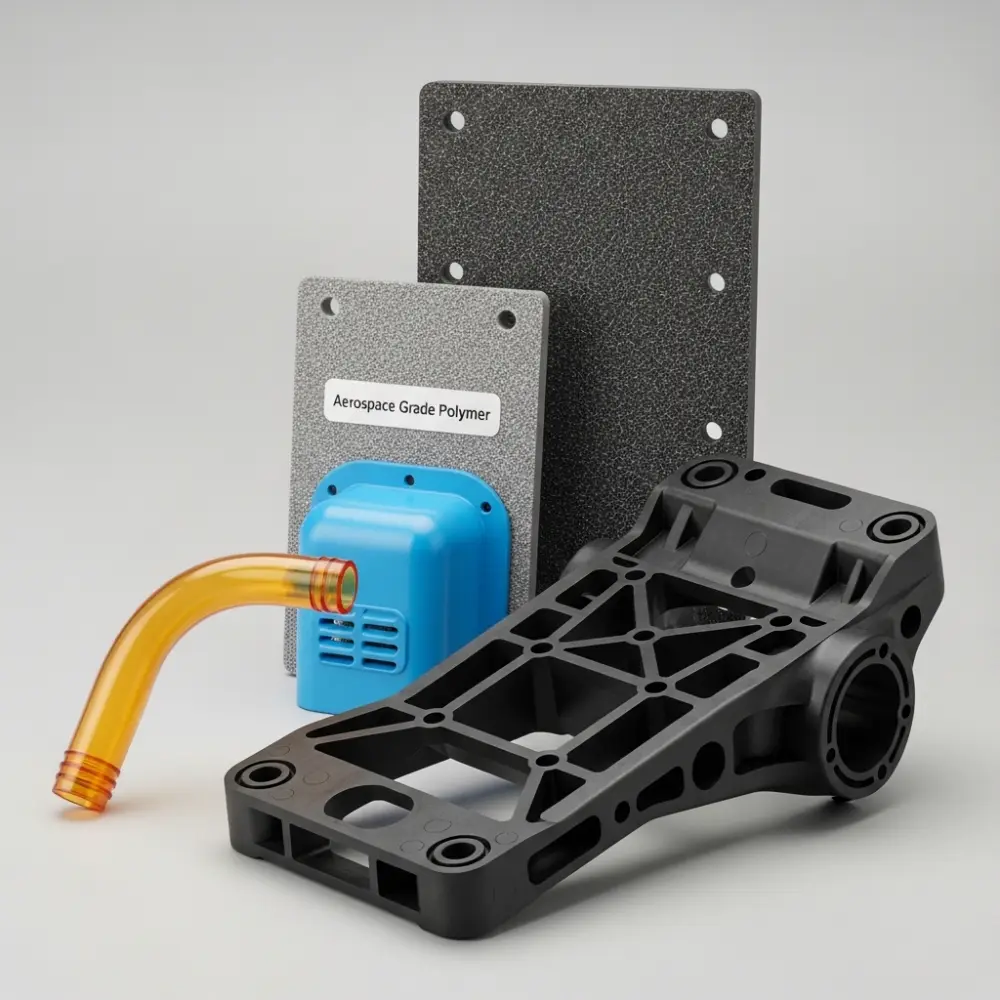
  • Enhanced Modularity – Supports interchangeable assemblies and easy reconfiguration.
  • Energy Efficiency – Reduces power consumption in actuation and control systems.
  • Aerodynamic Optimization – Contributes to smoother airflow by minimizing protrusions.
  • Noise Reduction – Dampens mechanical vibrations, lowering operational sound.
  • Rapid Prototyping Compatibility – Allows fast testing and iteration of new designs.

Introduction to Aerospace Plastic Components

Aerospace plastic components are engineered polymer elements developed to meet the rigorous demands of aircraft and spacecraft systems. They combine strength, lightweight design, and precision fabrication to enhance performance and reliability in high-altitude and high-stress environments.
What are Aerospace Plastic Components?

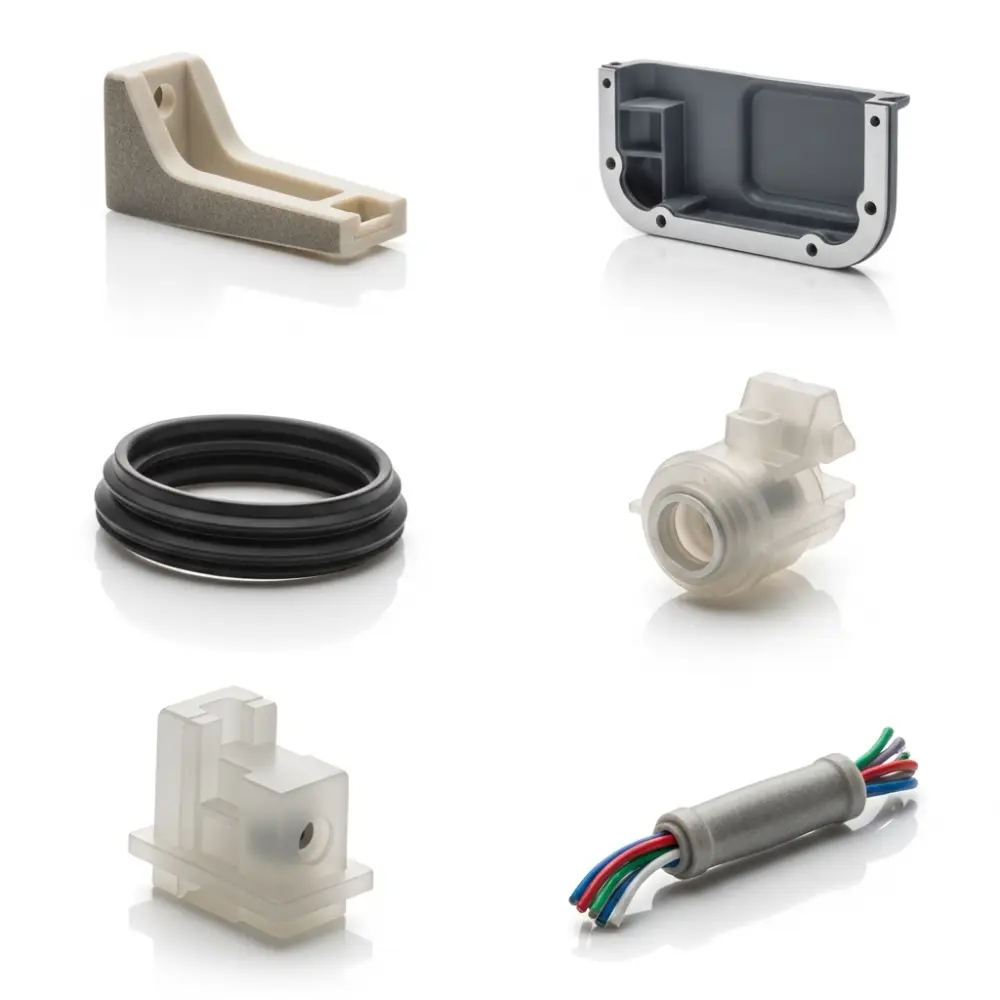
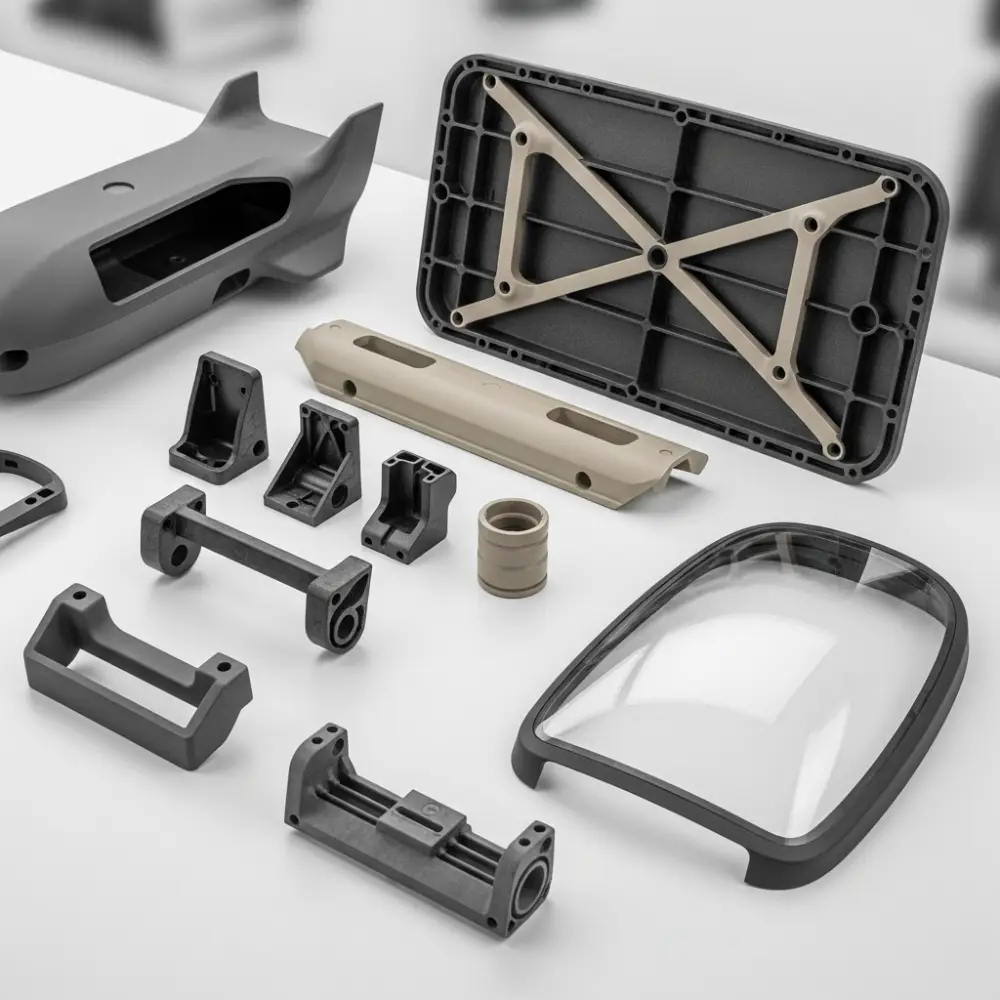
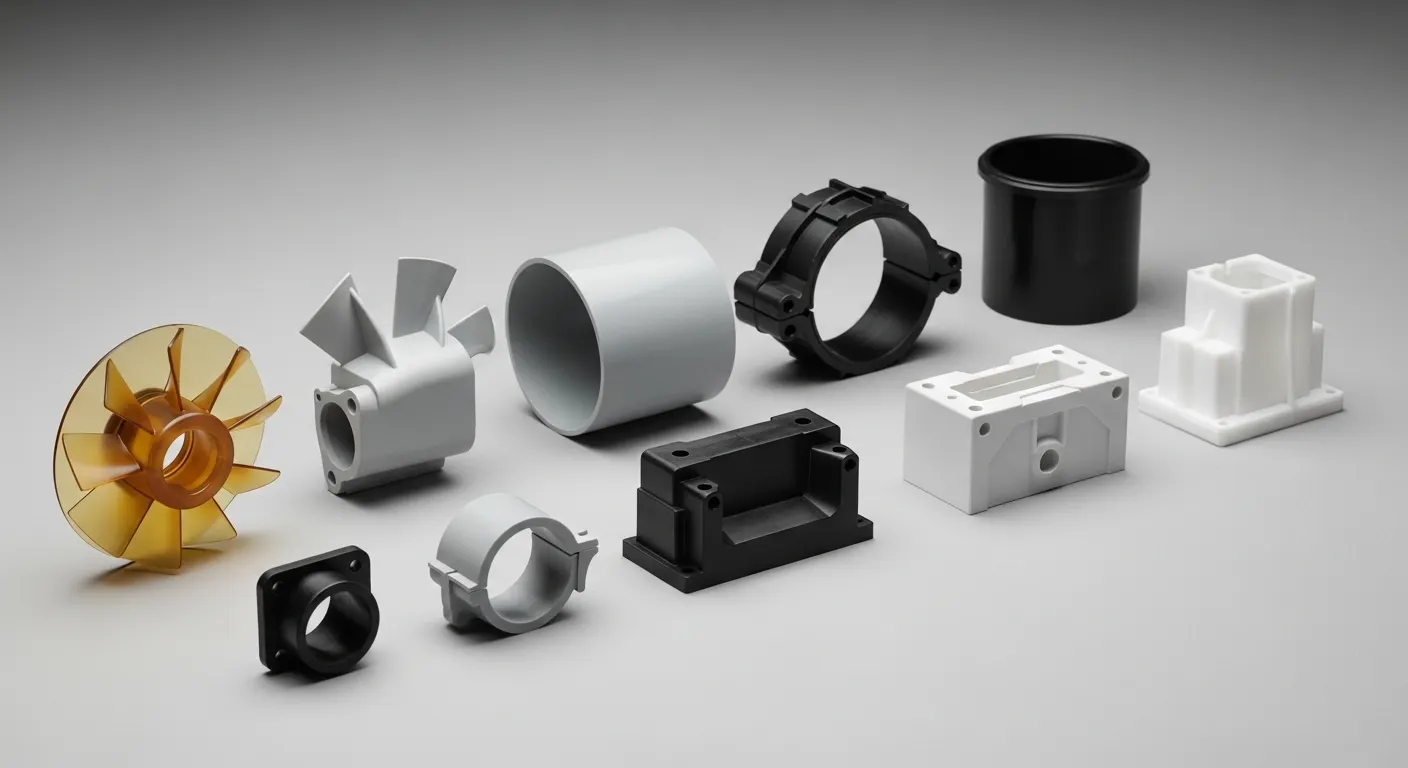
Aerospace plastic components are specialized polymer parts used in aviation and space systems to support structures, protect sensitive mechanisms, and reduce overall system weight. These include brackets, housings, fasteners, internal guides, and panels designed to endure extreme temperatures, vibrations, and mechanical forces.

Manufactured using high-precision molding, extrusion, or additive processes, these components offer excellent dimensional accuracy and resistance to chemical, thermal, and environmental stress, making them critical for modern aerospace engineering.

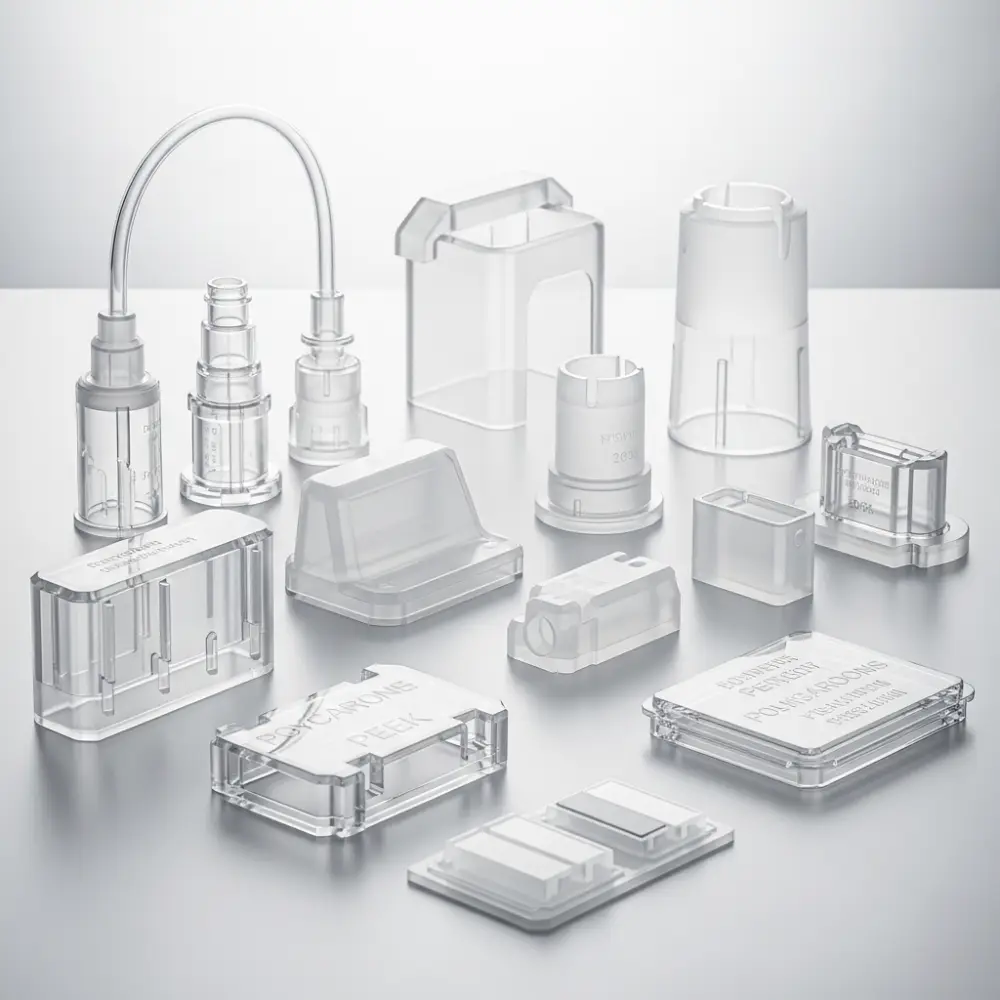
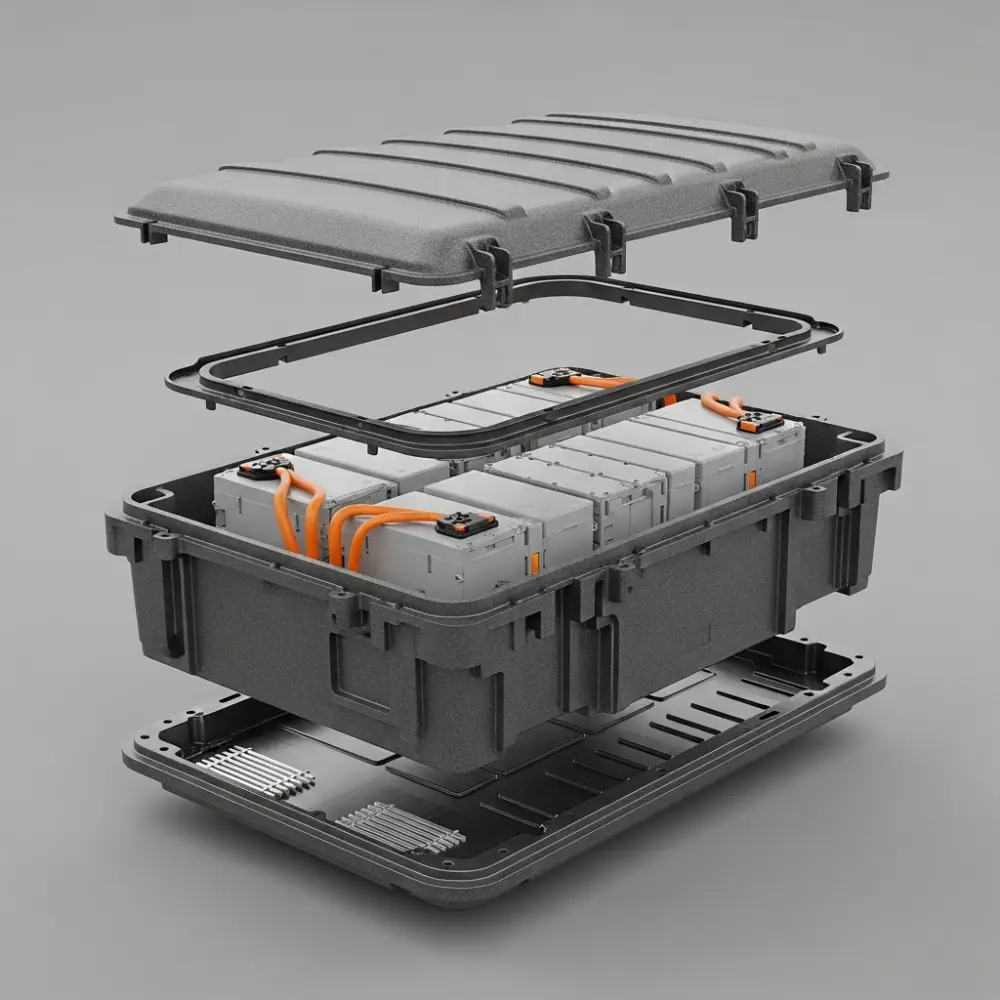
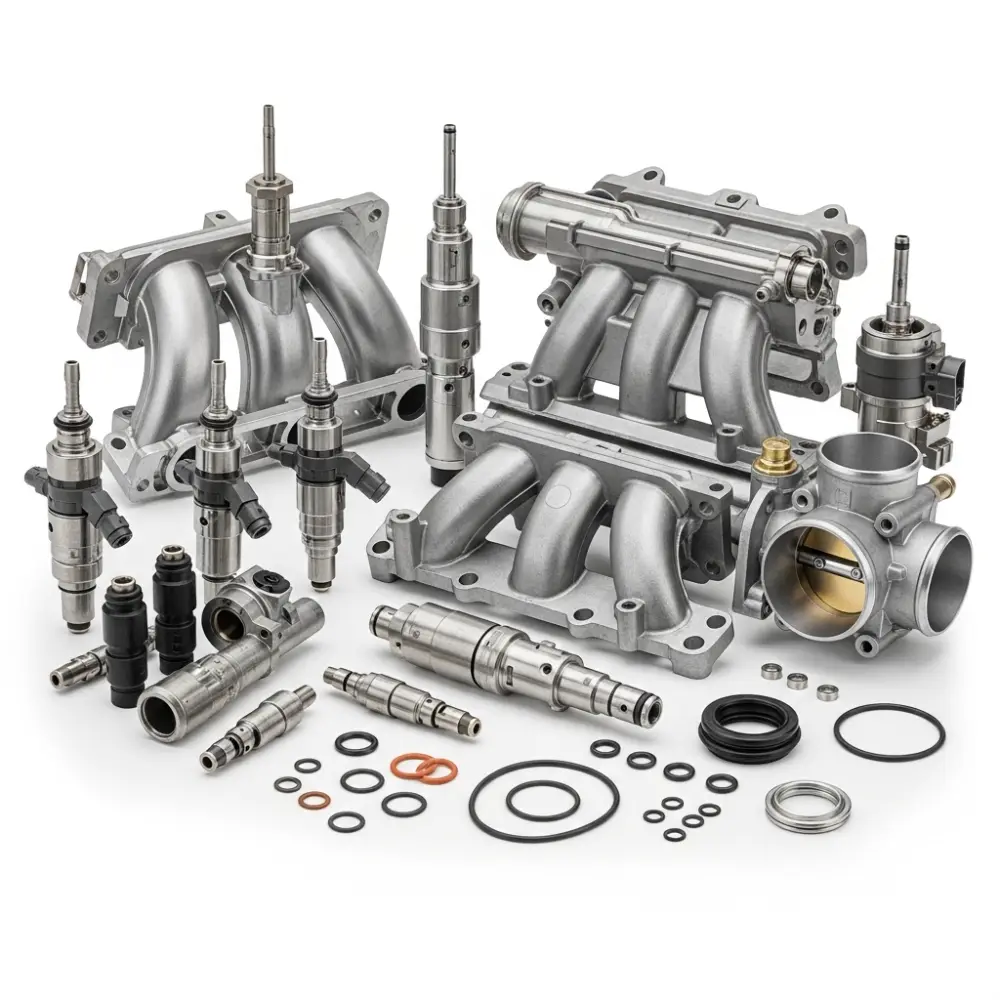
Spacecraft plastic assemblies
Lightweight aerospace materials

Key Features of Aerospace Plastic Components

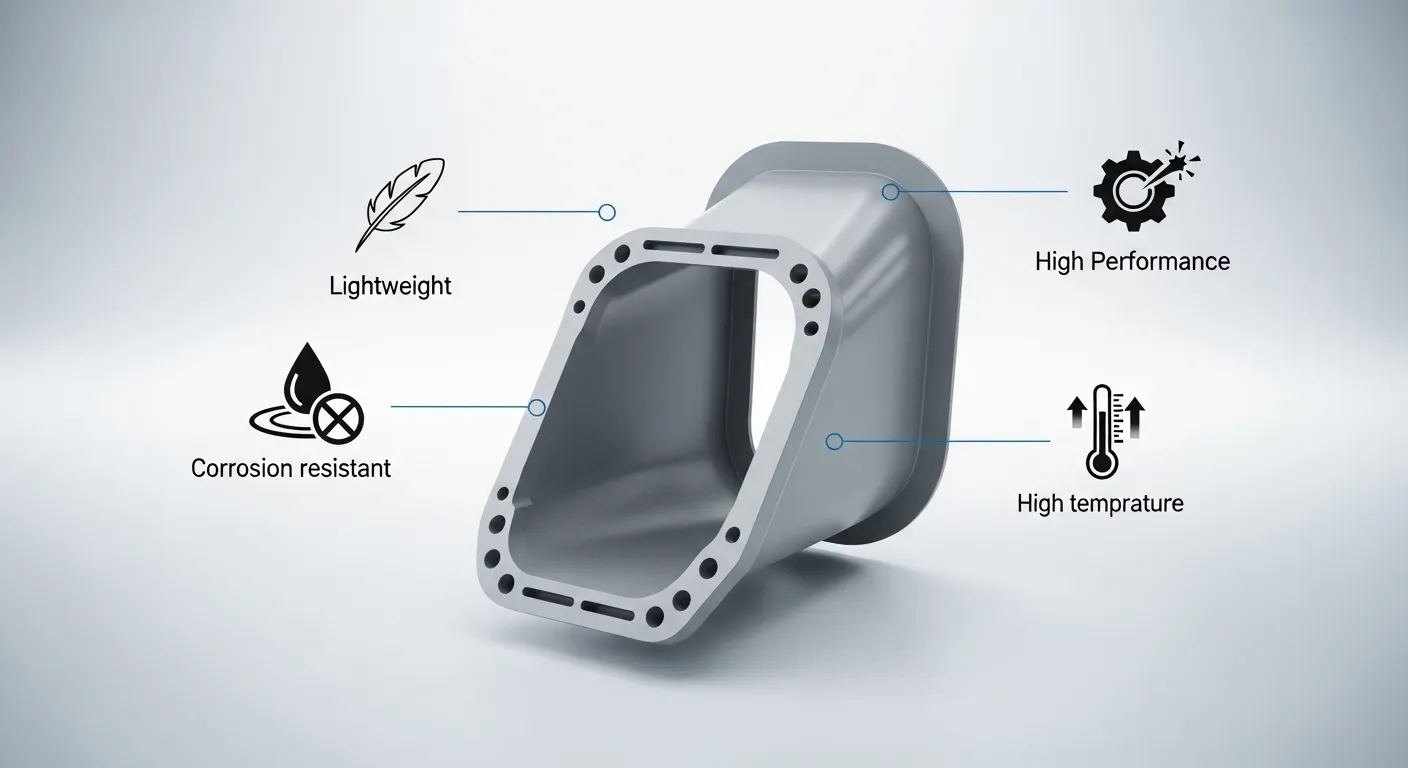
  • Lightweight Performance – Reduces total aircraft or spacecraft mass.

  • High Strength-to-Weight Ratio – Supports structural and mechanical loads efficiently.

  • Thermal Stability – Maintains integrity in extreme temperature ranges.

  • Vibration Endurance – Resists fatigue from repeated mechanical stress.

  • Precision Fabrication – Ensures exact fit in complex assemblies.

Applications of Aerospace Plastic Components

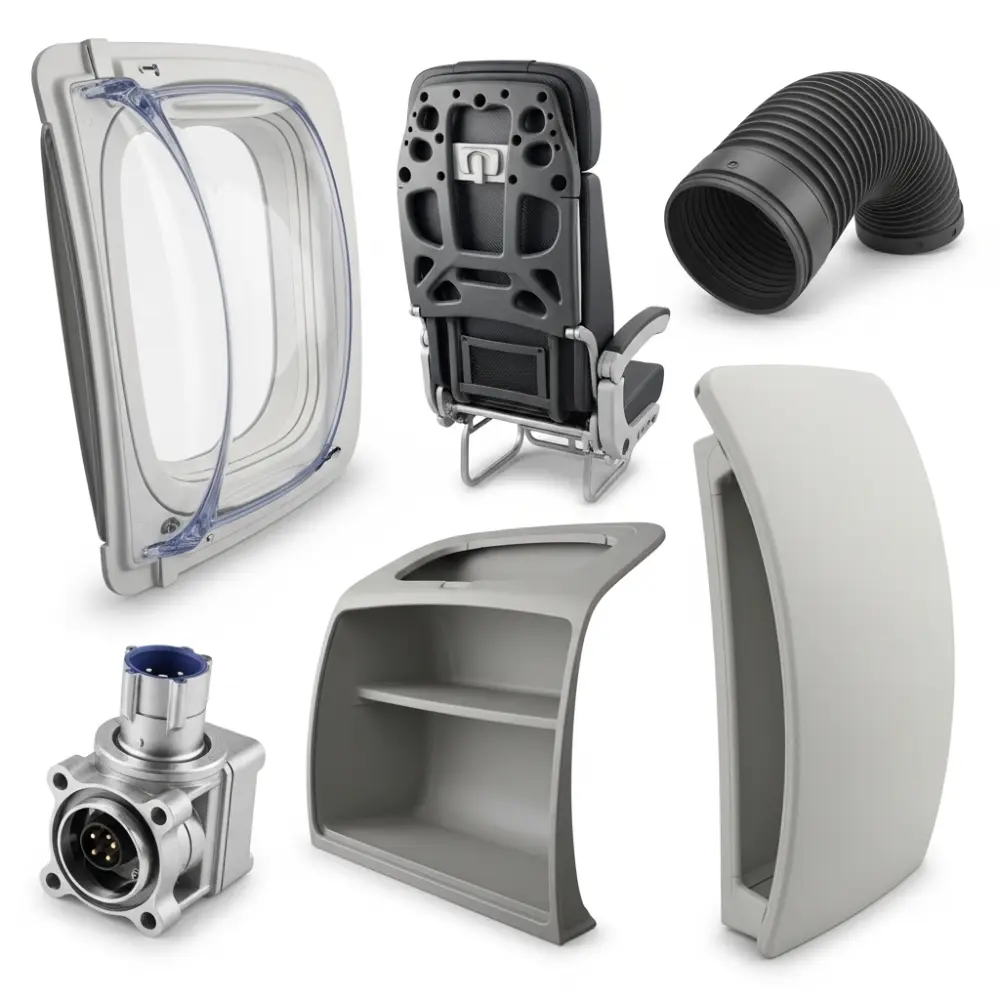
  • Aircraft Interiors – Panels, seats, and cabin fittings.

  • Avionics Systems – Protective casings and mounting structures.

  • Control Surfaces – Lightweight brackets and guide components.

  • Spacecraft Assemblies – Panels, connectors, and internal supports.

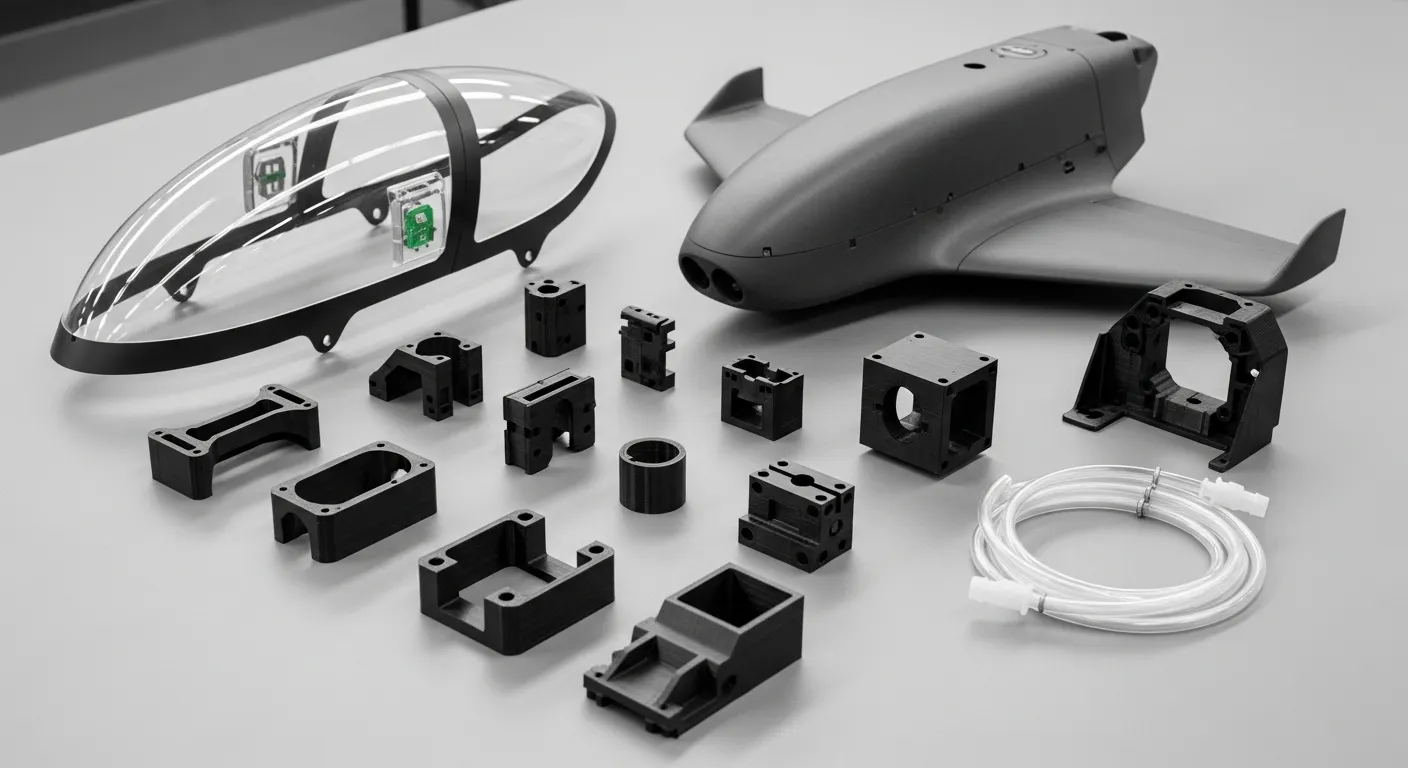
  • Drones & UAVs – Structural and functional lightweight parts.

Polymer brackets for aviation
Avionics housing plastics

Why Choose Aerospace Plastic Components?

  • Enhanced Operational Reliability – Maintains consistent performance under extreme conditions.

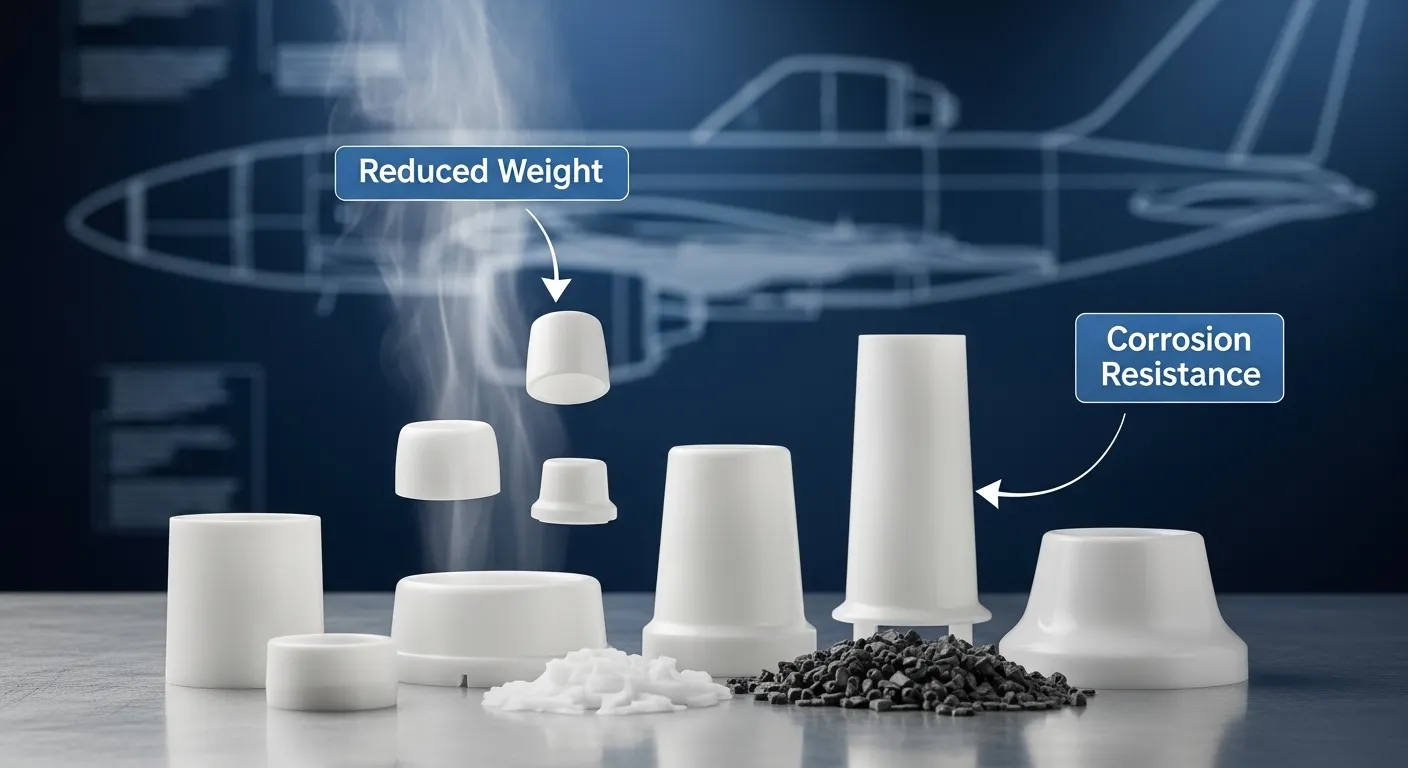
  • Weight Reduction – Optimizes fuel efficiency and payload capacity.

  • Chemical & Thermal Resistance – Performs in challenging environmental conditions.

  • Customizable Designs – Supports unique shapes and complex assemblies.

  • High Manufacturing Precision – Meets strict aerospace engineering tolerances.

FAQ

1. What materials are used for aerospace plastics?
Answer:

High-performance polymers like PEEK, polycarbonate, and reinforced nylon.

2. Why use plastic instead of metal in aerospace?
Answer:

Plastic is lighter, corrosion-resistant, and allows complex shapes.

3. Can these components endure extreme temperatures?
Answer:

Yes, they maintain integrity in high-heat or cold environments.

4. Are they cost-effective for production?
Answer:

Yes, especially when using injection molding or additive manufacturing.

5. Why are aerospace plastic components critical?
Answer:

They enhance reliability, reduce weight, and support precision in aviation and space systems.