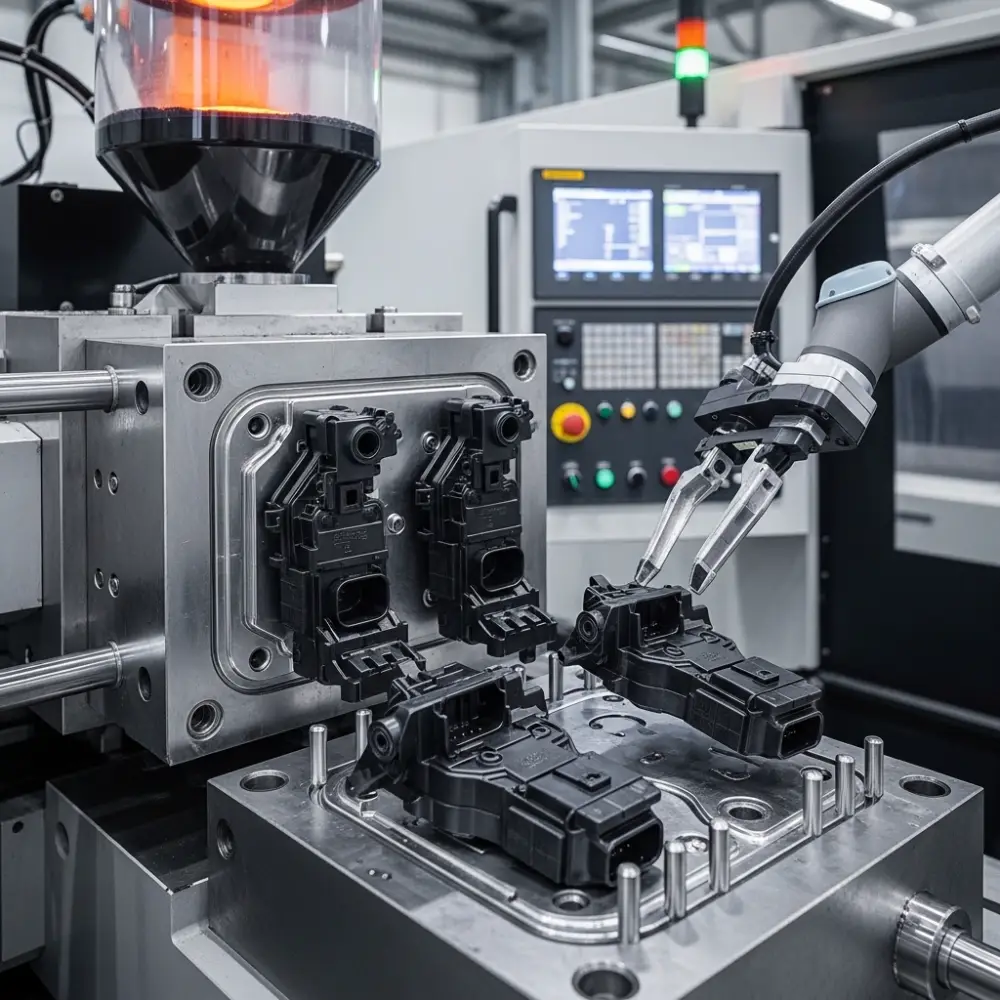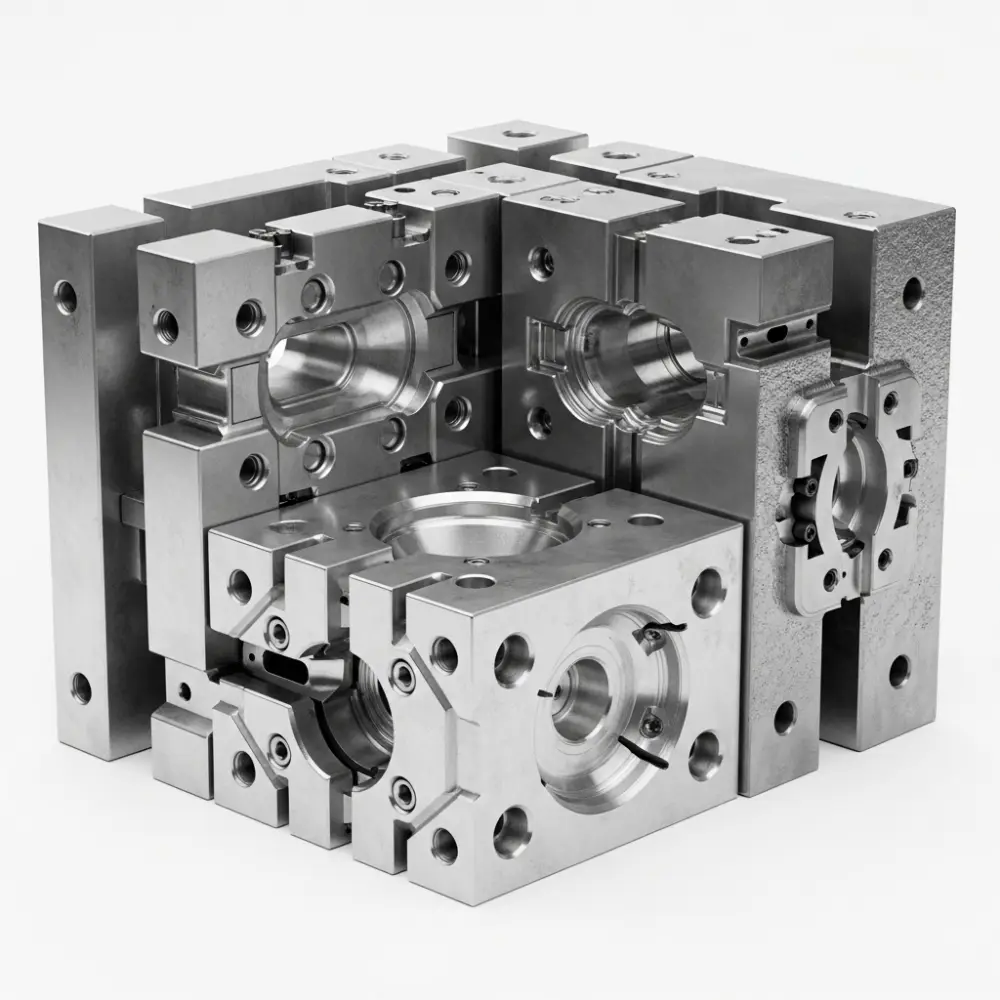


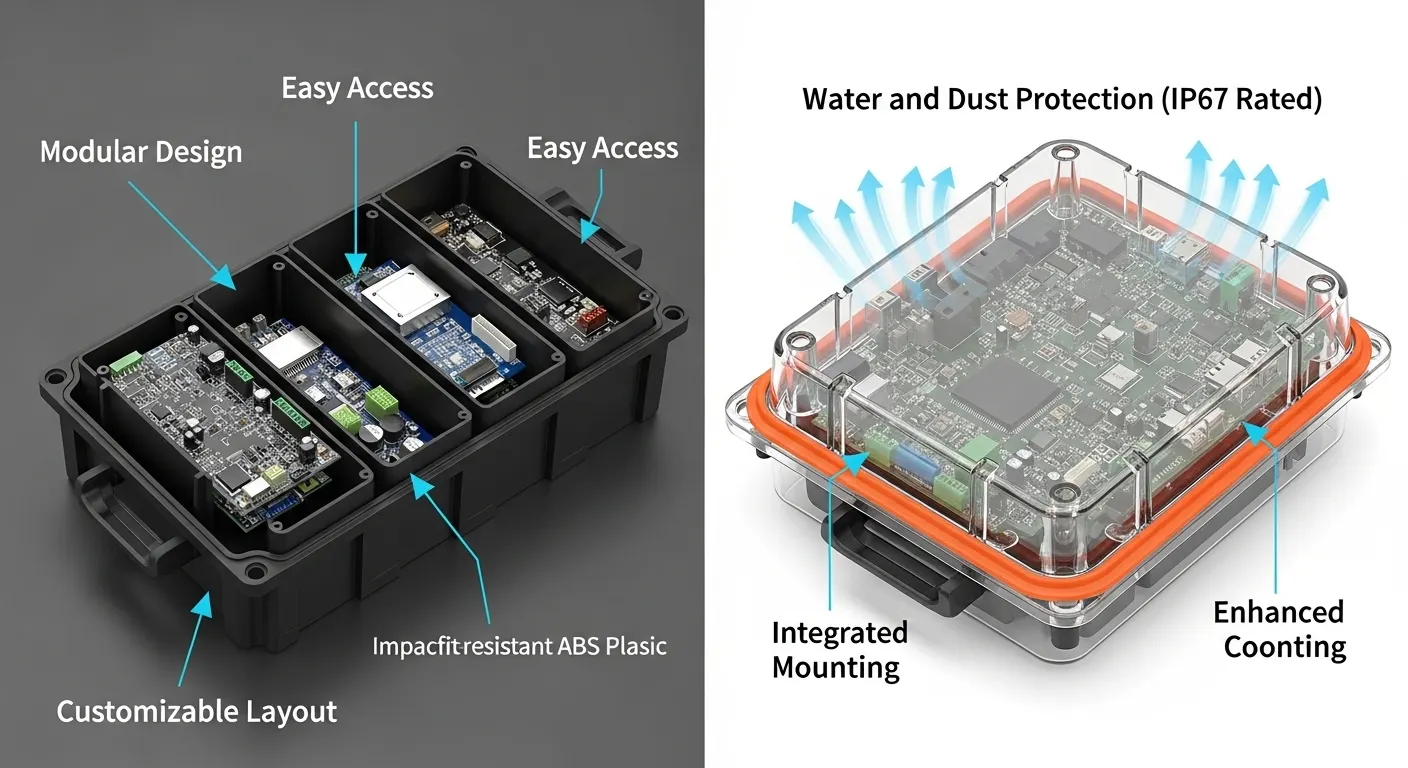
Electronics Plastic Housing is a protective plastic casing used to safeguard electronic components from damage, environmental elements, and electrical issues, ensuring device reliability and performance.



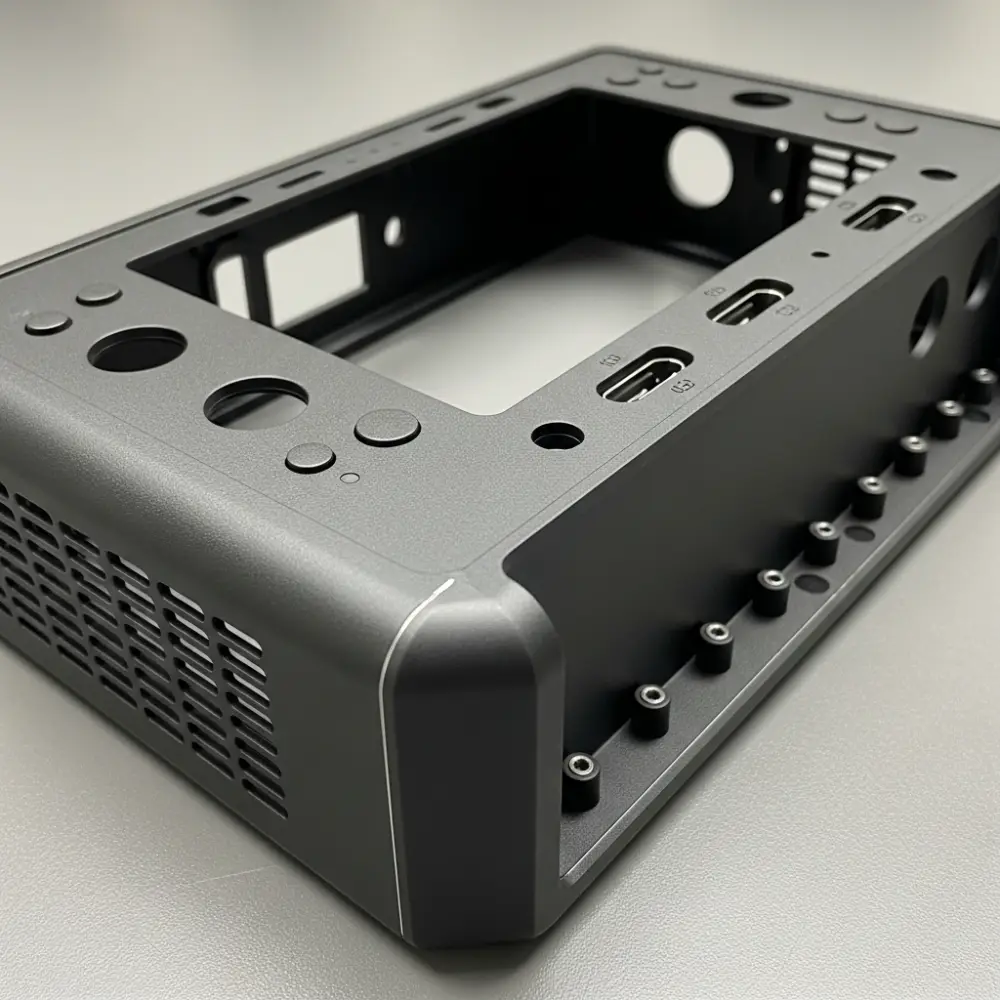
Electronics Plastic Housing
- Chemical Resistance: Resists damage from oils, solvents, and other chemicals.
- Easy Assembly: Simple to assemble with minimal effort and tools.
- Aesthetic Flexibility: Can be made with different textures and finishes for visual appeal.
- Recyclability: Made from materials that can be recycled, promoting sustainability.
- Temperature Stability: Maintains integrity across a wide range of temperatures.
Introduction to Electronics Plastic Housing
Electronics Plastic Housing refers to protective casings made from plastic materials that are designed to encase and safeguard electronic components. These housings protect devices from physical damage, environmental factors, and electrical issues, ensuring the durability and efficient performance of electronic systems.


FAQ
1. Can Electronics Plastic Housing be used in medical devices?
Answer:
Yes, plastic housings are commonly used in medical devices, as they provide protection from contaminants, electrical safety, and can be sterilized for medical environments.
2. What are the differences between ABS and polycarbonate plastic housings?
Answer:
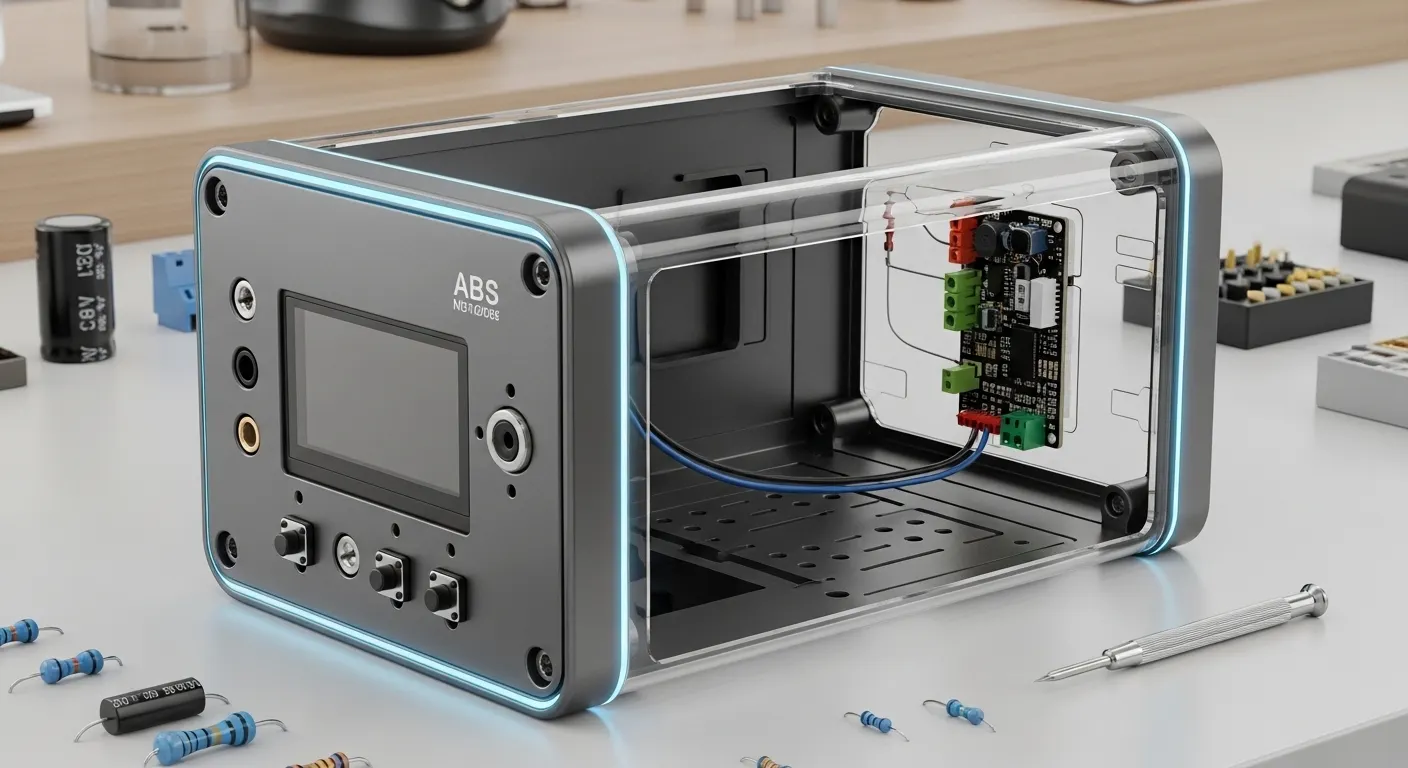
ABS is durable, impact-resistant, and cost-effective, while polycarbonate offers superior strength, heat resistance, and optical clarity but is more expensive.
3. Is plastic housing safe for sensitive electronic equipment?
Answer:
Yes, plastic housing provides excellent protection against physical and electrical damage, making it safe for sensitive components like circuit boards and batteries.
4. How do plastic housings help with heat dissipation in electronics?
Answer:
Some plastics have heat-resistant properties, and housings can be designed with ventilation holes or heat sinks to facilitate better heat management in electronics.
5. How does plastic housing prevent electrical shorts?
Answer:
Plastic materials are non-conductive, preventing electrical shorts and ensuring that internal components are insulated from potential electrical hazards.