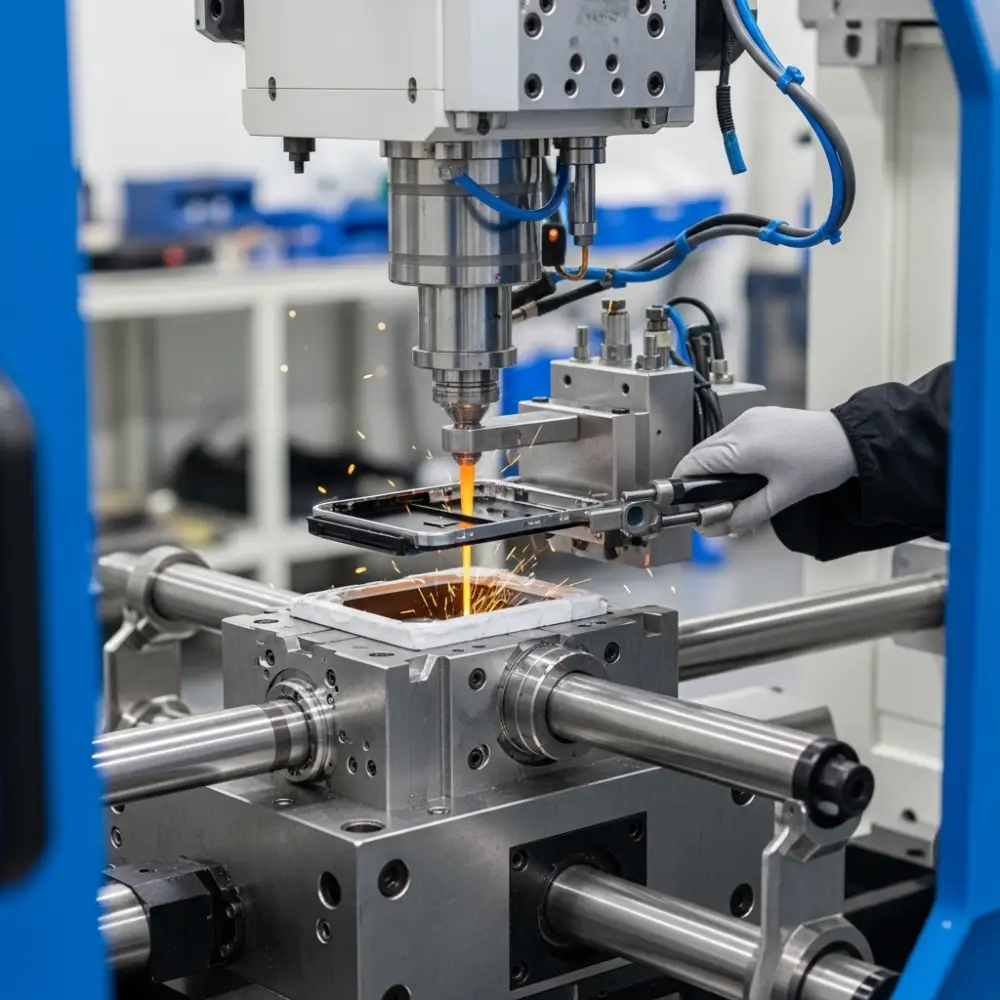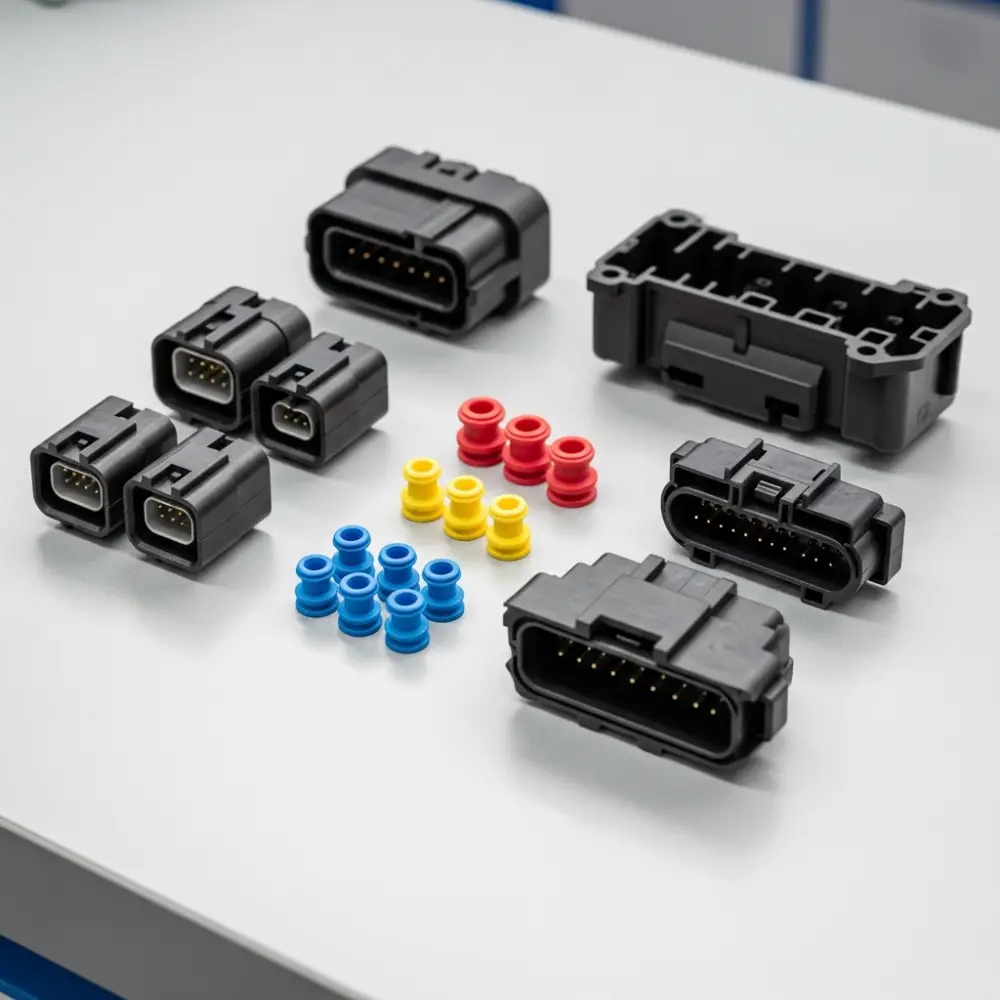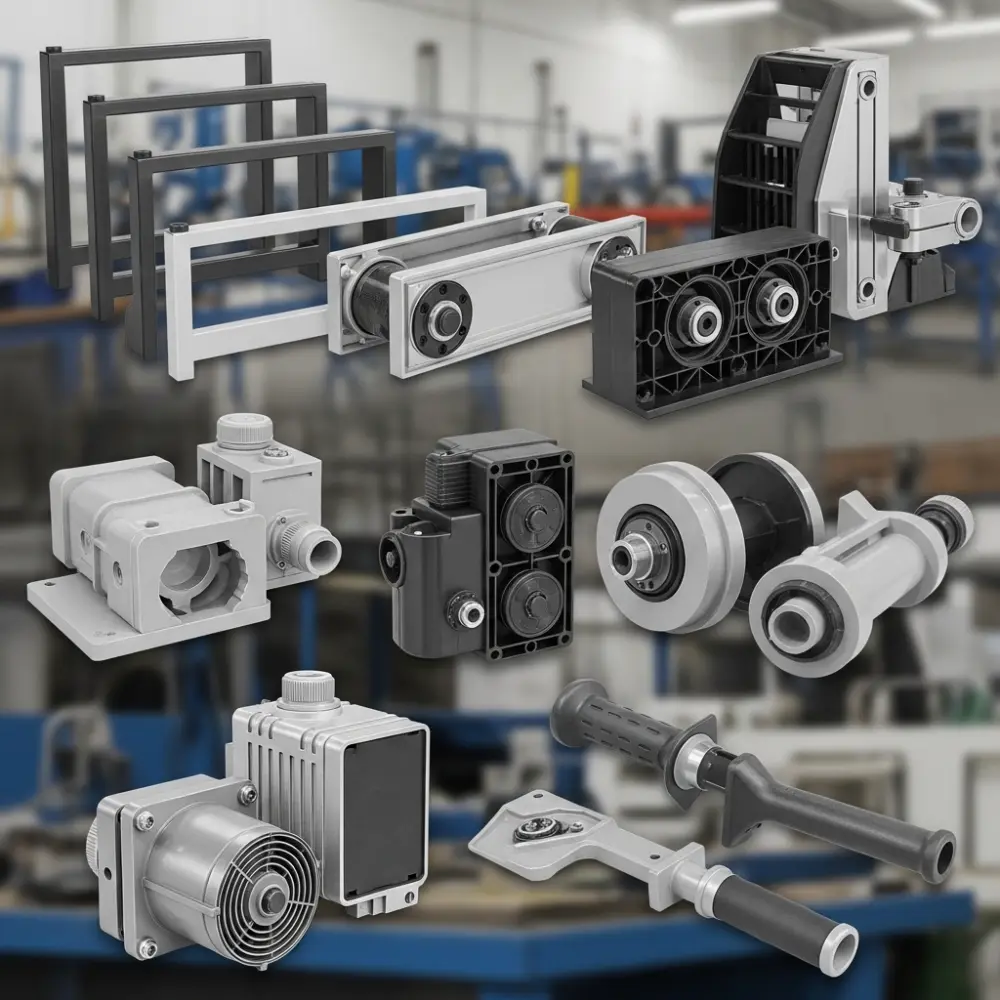


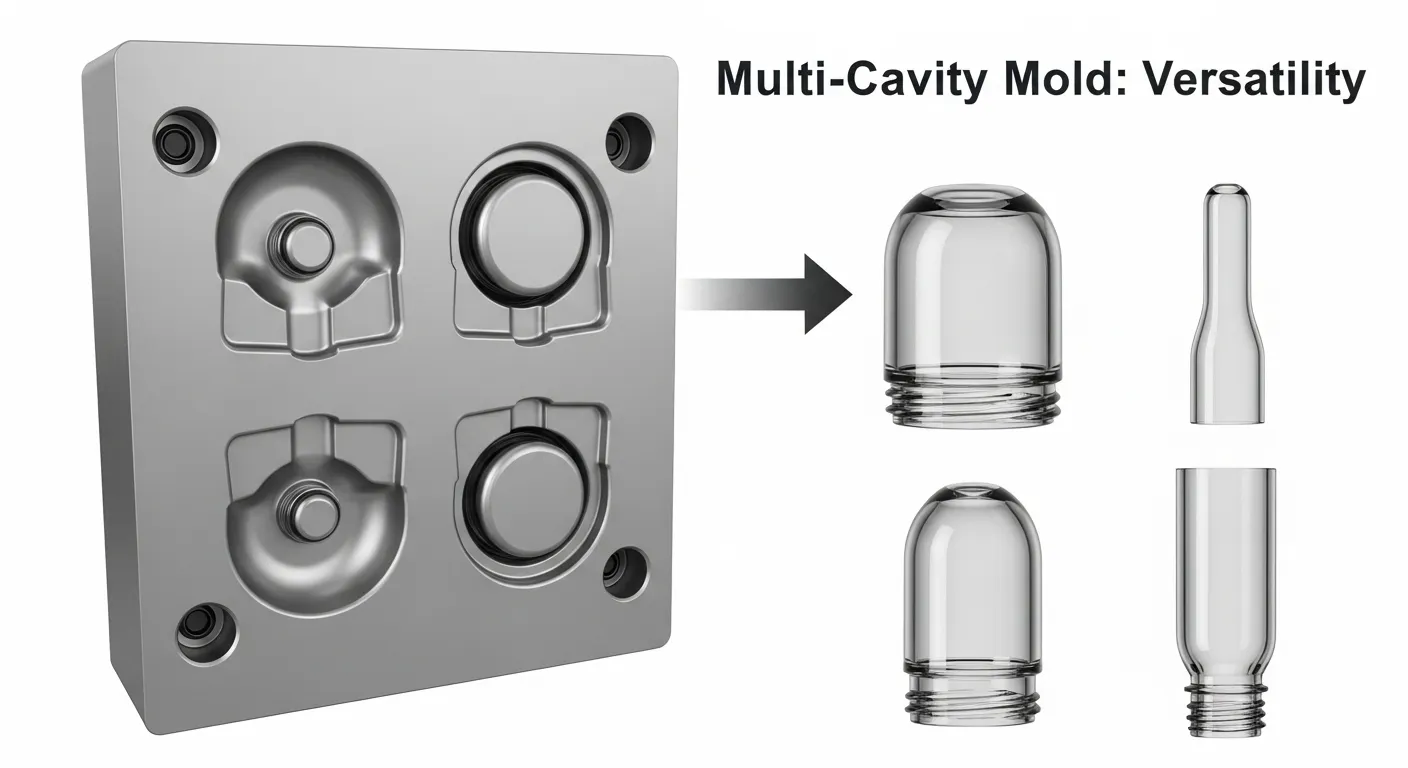
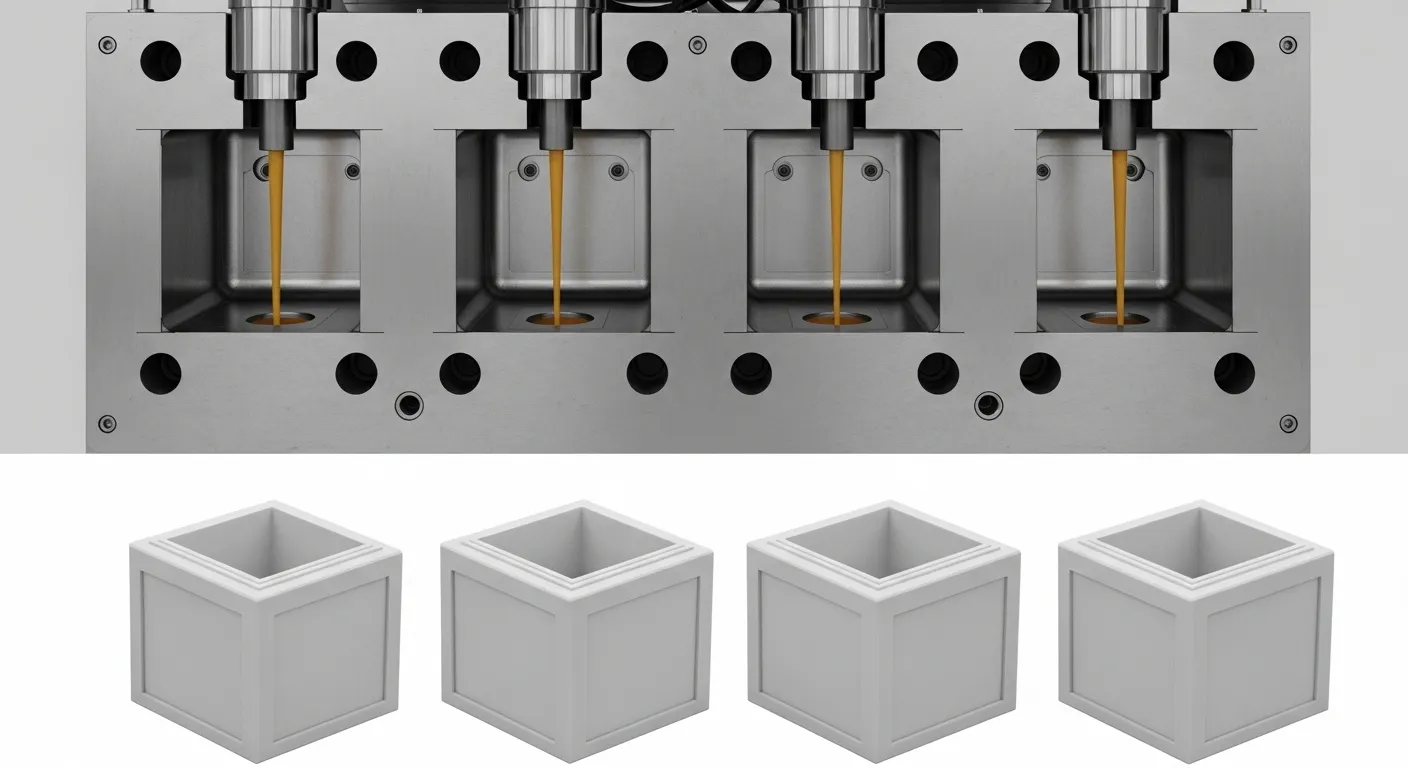
Multi-cavity molds are advanced tooling systems designed to simultaneously produce several replicas of a part within a single molding operation. These molds optimize production efficiency, minimize per-unit costs, and ensure uniform output without compromising surface finish or structural detail. Ideal for industries requiring high-volume manufacturing, they support precise material flow and consistent part geometry. By enabling faster cycles and streamlined workflow, multi-cavity molds offer a practical solution for scaling production while maintaining operational reliability and product consistency.


Multi-Cavity Molds
- Rapid Part Generation – Multiple items are formed simultaneously, saving production hours.
- Uniform Material Distribution – Ensures equal fill and density in each unit.
- Simplified Tool Handling – Reduces complexity during setup and mold changes.
- Energy Efficient Operation – Consumes less power per part compared to single-cavity molds.
- Enhanced Workflow Integration – Facilitates seamless coordination with automated production lines.
Introduction to Multi-Cavity Molds
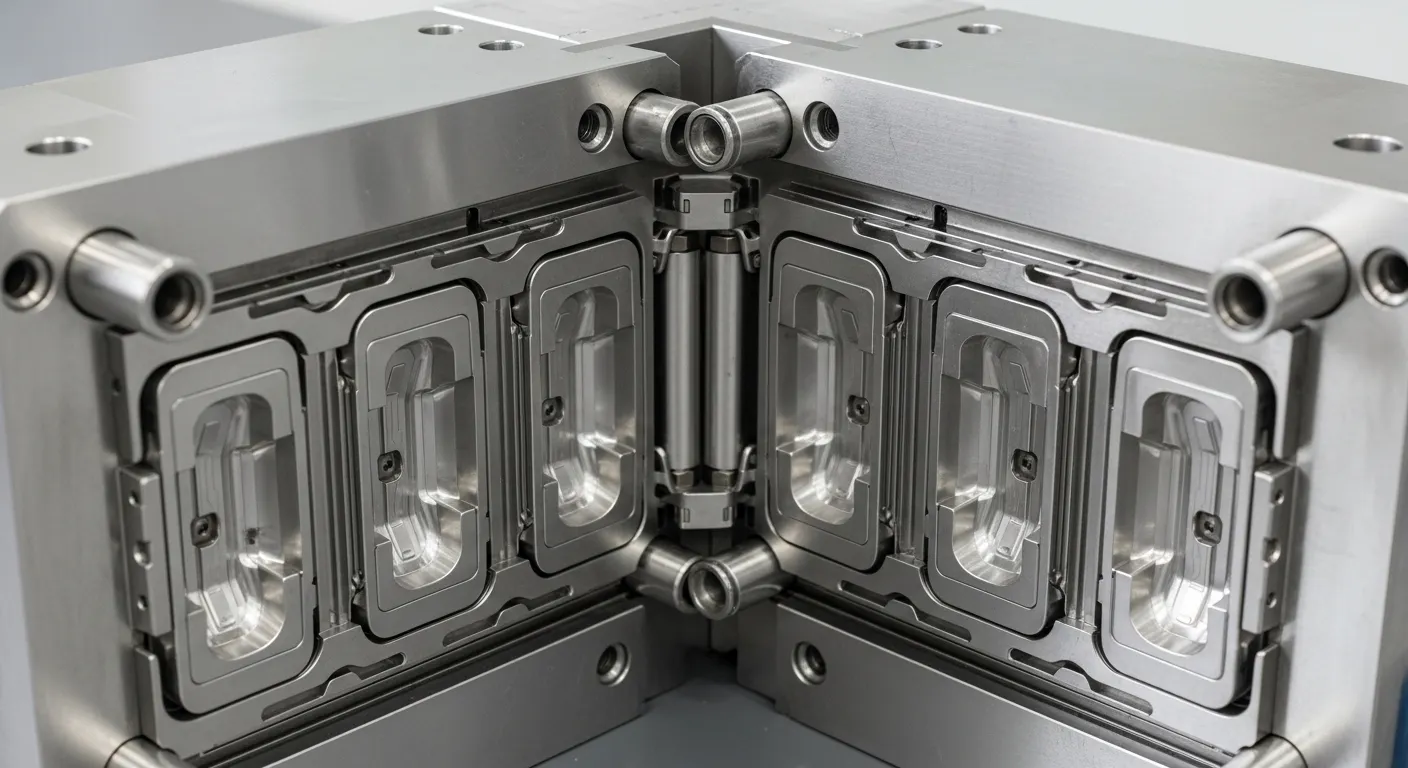
Multi-cavity molds are specialized tooling systems designed to produce multiple identical parts simultaneously in a single production cycle. These molds increase output efficiency, lower manufacturing costs per unit, and maintain consistent dimensional quality across all components. By using precise engineering and advanced materials, multi-cavity molds allow manufacturers to meet high-volume demand without compromising surface finish or structural integrity.
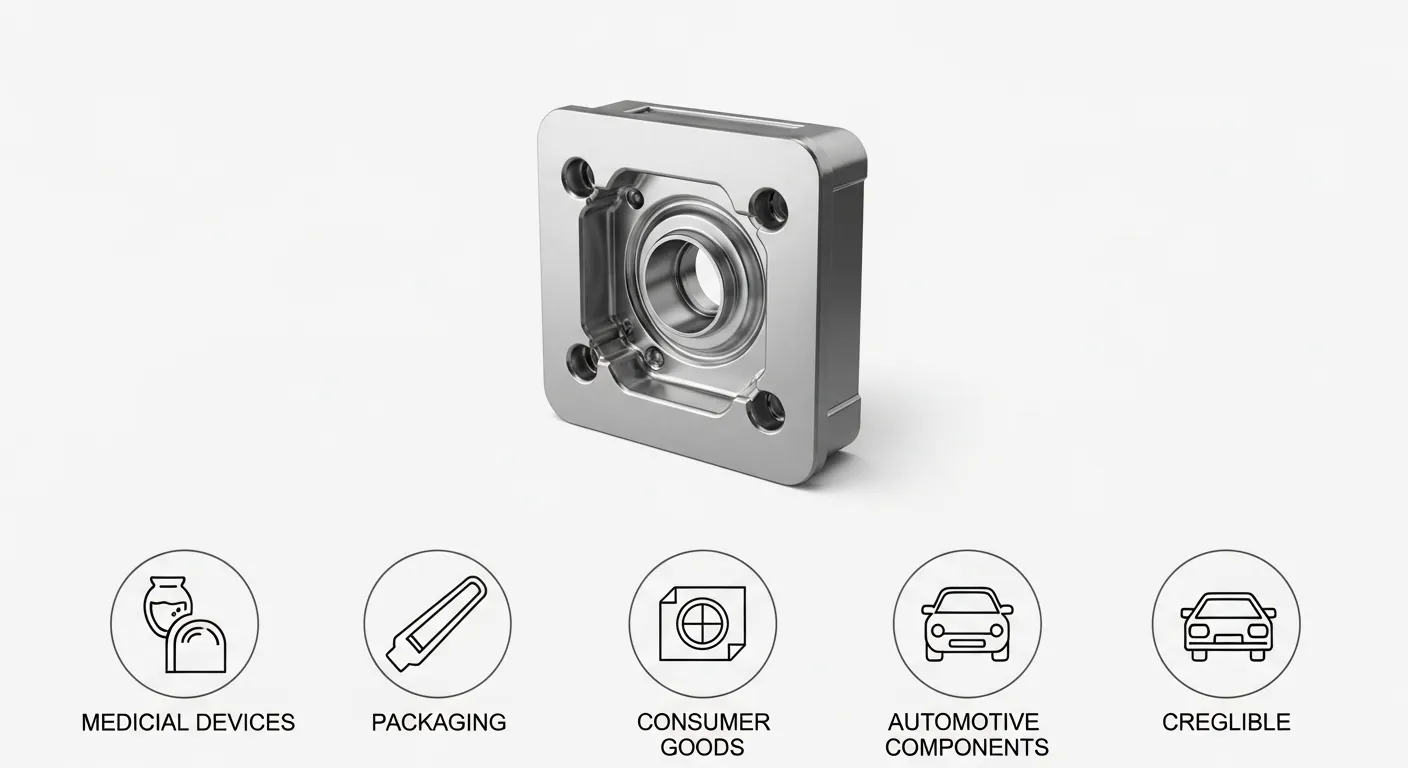
These molds are commonly applied in industries requiring mass-produced polymer parts, from automotive components to consumer electronics. Their design supports rapid cycle times, reduces labor requirements, and enhances repeatability, making them an essential solution for efficient and scalable manufacturing processes.
FAQ
1. How are multi-cavity molds manufactured?
Answer:
Typically through CNC machining, precision milling, and heat treatment processes.
2. Are multi-cavity molds durable?
Answer:
Yes, they are made to withstand repeated high-pressure cycles.
3. Do they reduce material waste?
Answer:
Yes, optimized cavity design minimizes excess resin usage.
4. Do they improve production workflow?
Answer:
Yes, they streamline operations and increase throughput.
5. Can they produce parts with tight tolerances?
Answer:
Yes, precision engineering allows high accuracy.