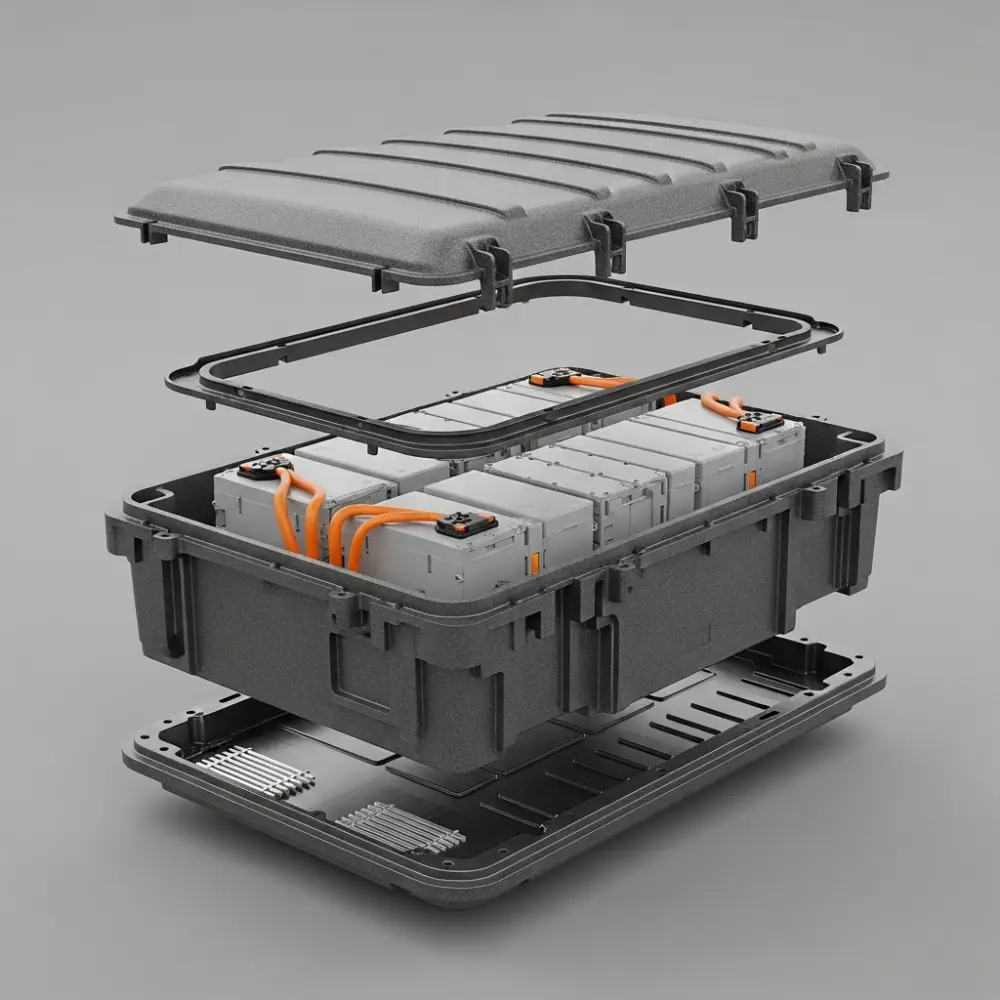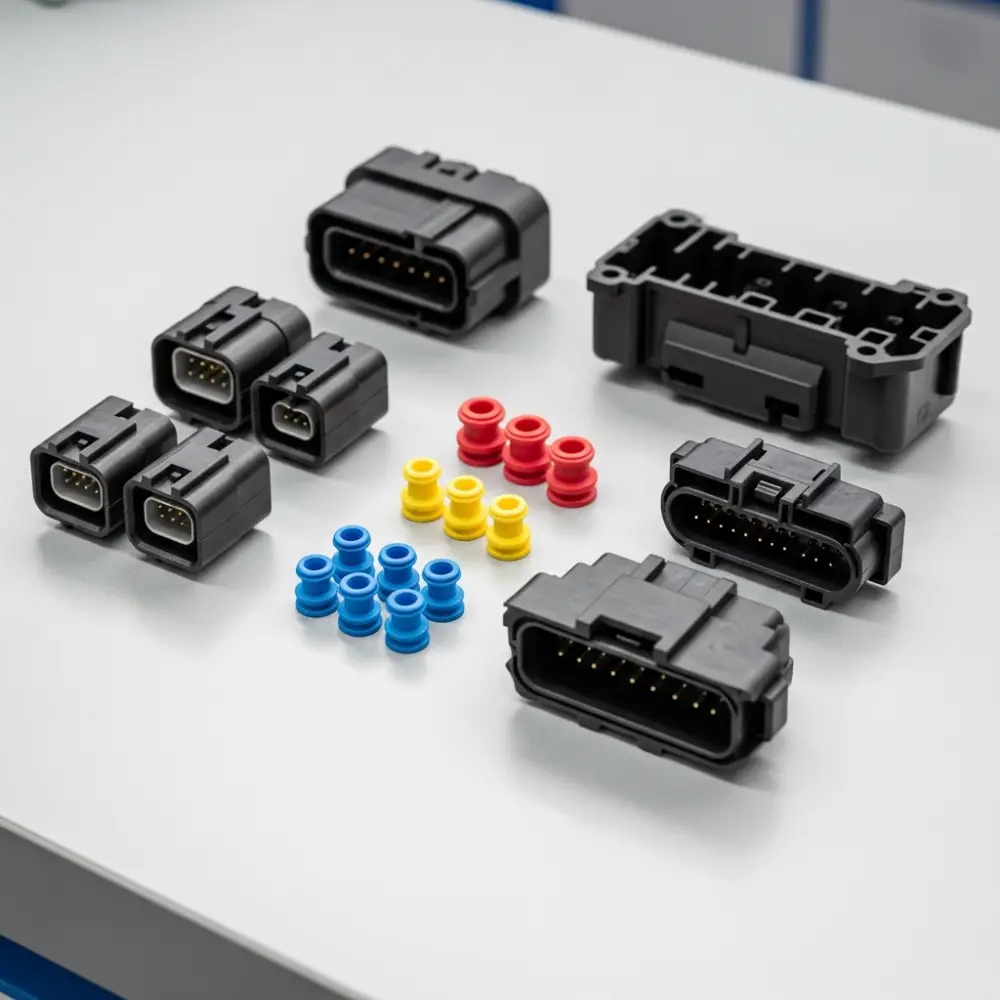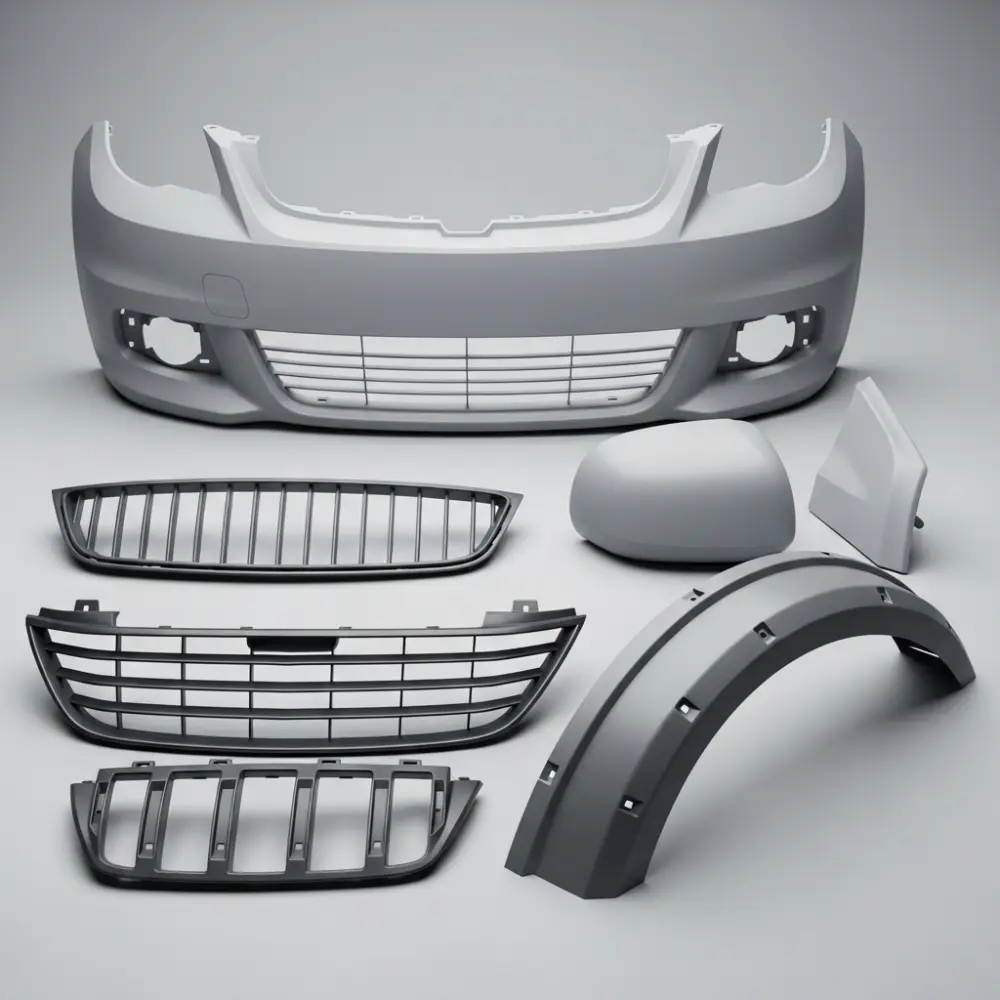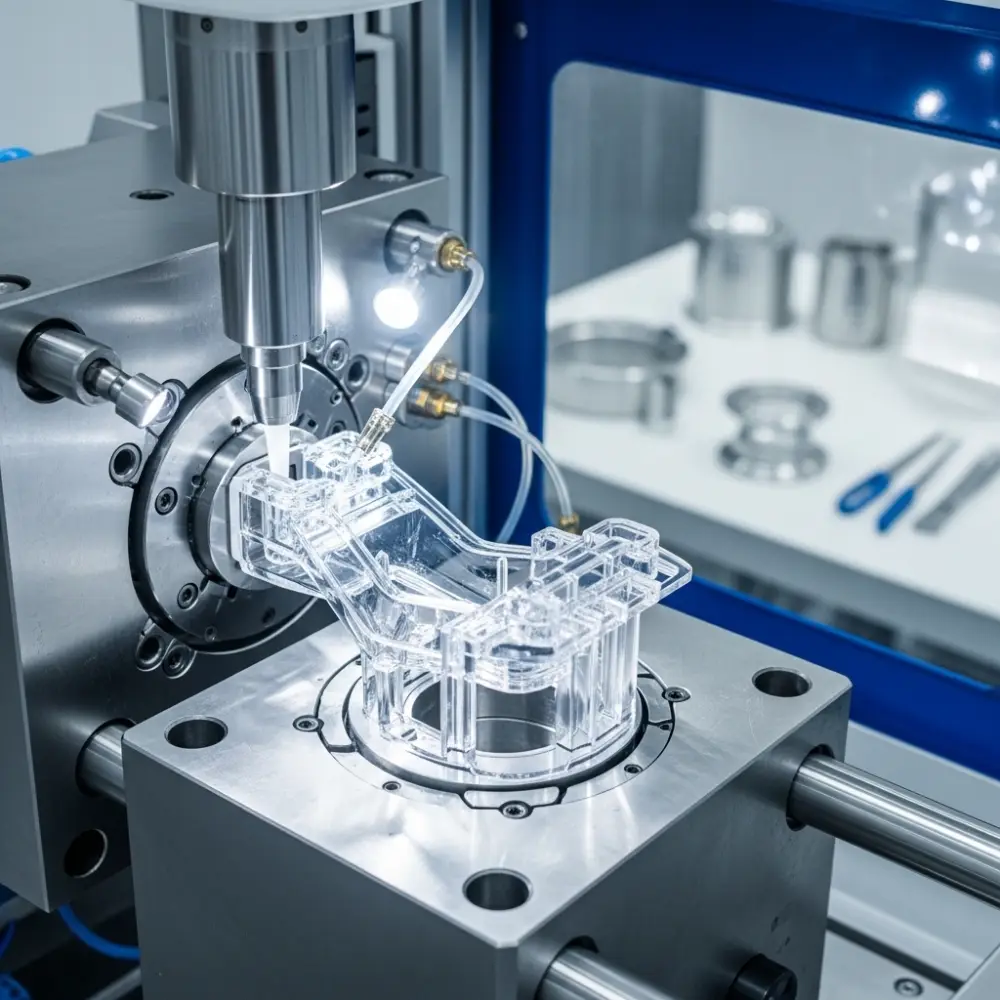


Overmolding and insert molding are specialized fabrication methods that create multi-material components with seamless integration. These techniques allow one part to incorporate different textures, strengths, or embedded elements in a single process. By combining distinct materials in a precise, controlled manner, manufacturers can produce complex, functional products that are stronger, more ergonomic, and easier to assemble. This approach is widely used across industries to achieve innovative designs and improve the performance of tools, devices, and equipment.


Overmolding / Insert Molding
- Streamlined Production – Combines multiple steps into a single operation.
- Custom Material Pairing – Allows different substances to work together effectively.
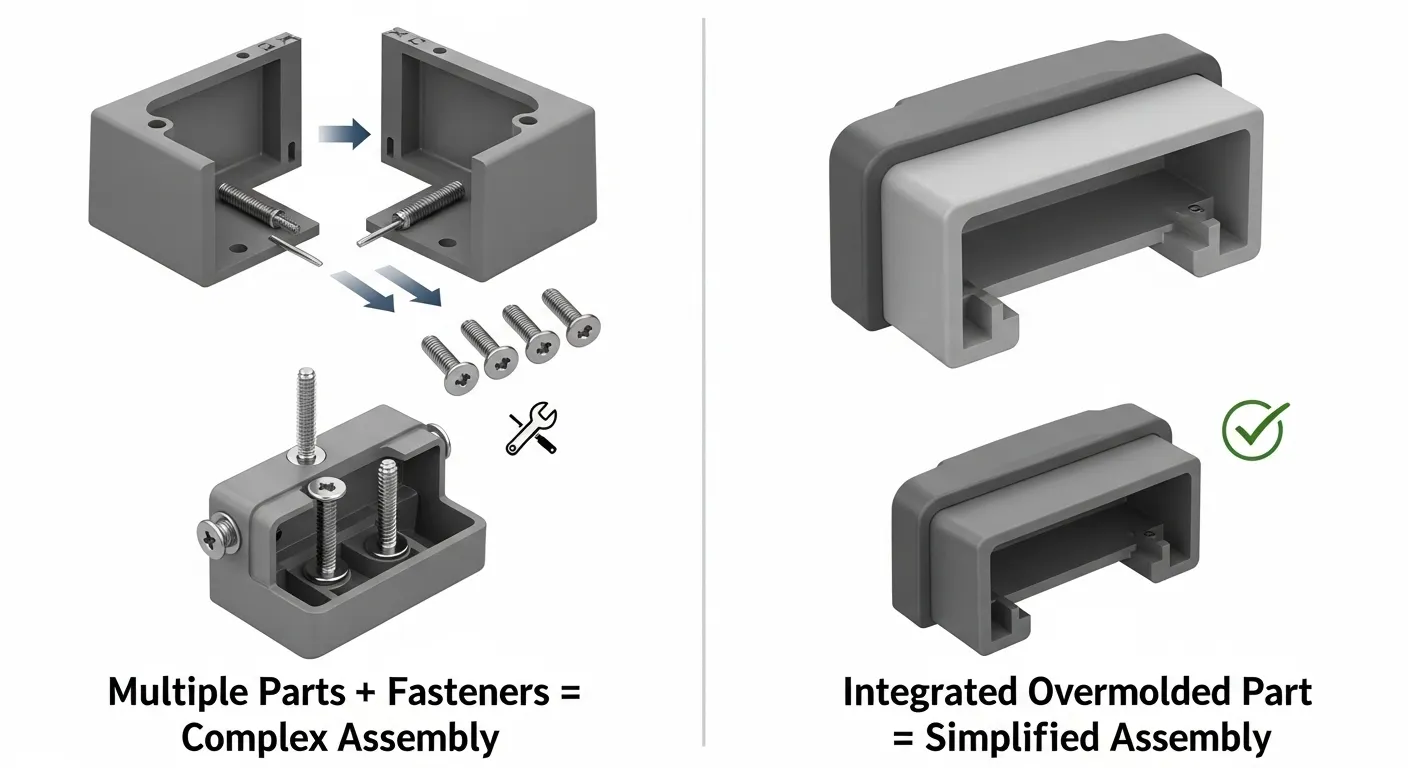
- Enhanced Mechanical Integrity – Strengthens connections between parts without extra fasteners.
- Optimized Workflow – Reduces handling and alignment adjustments.
- Versatile Component Integration – Supports embedding specialized inserts for unique functions.
Introduction to Overmolding and Insert Molding
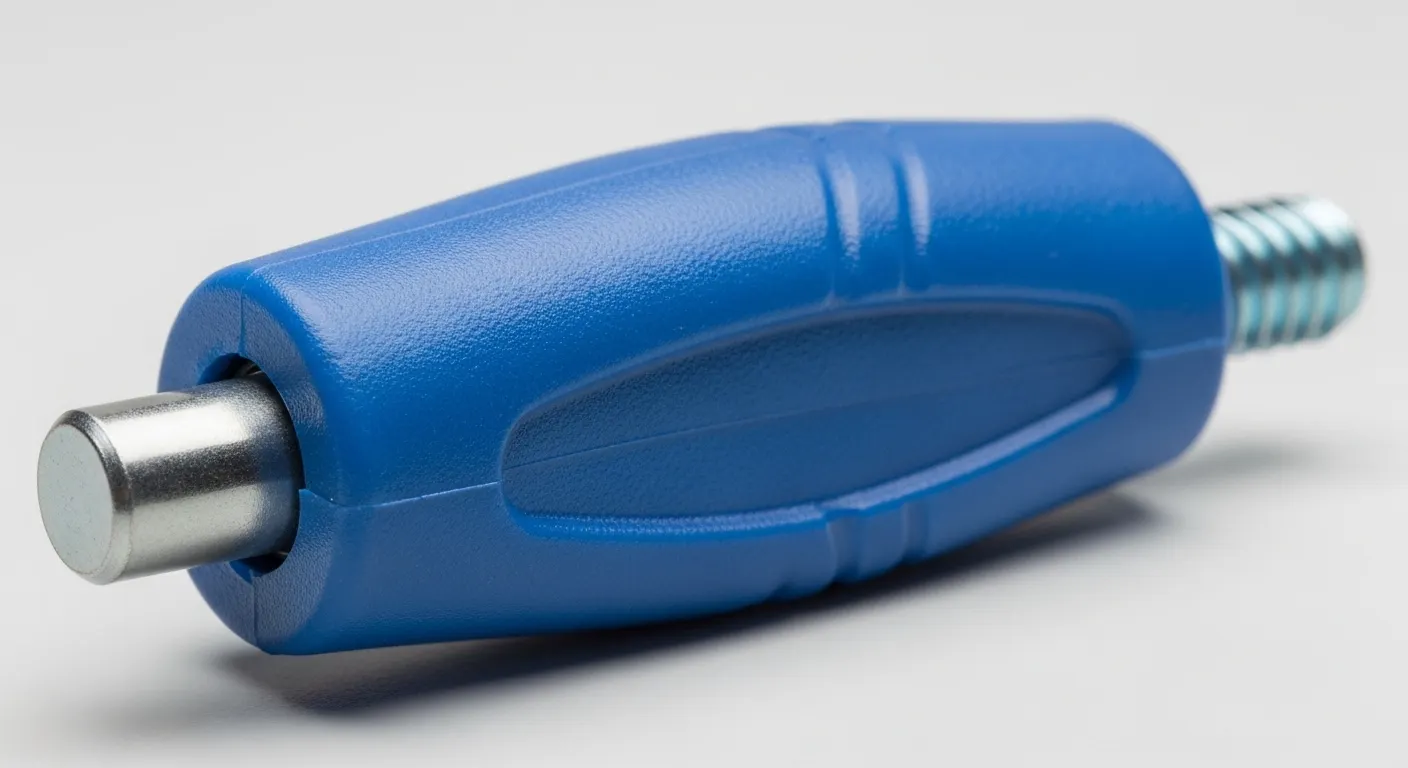
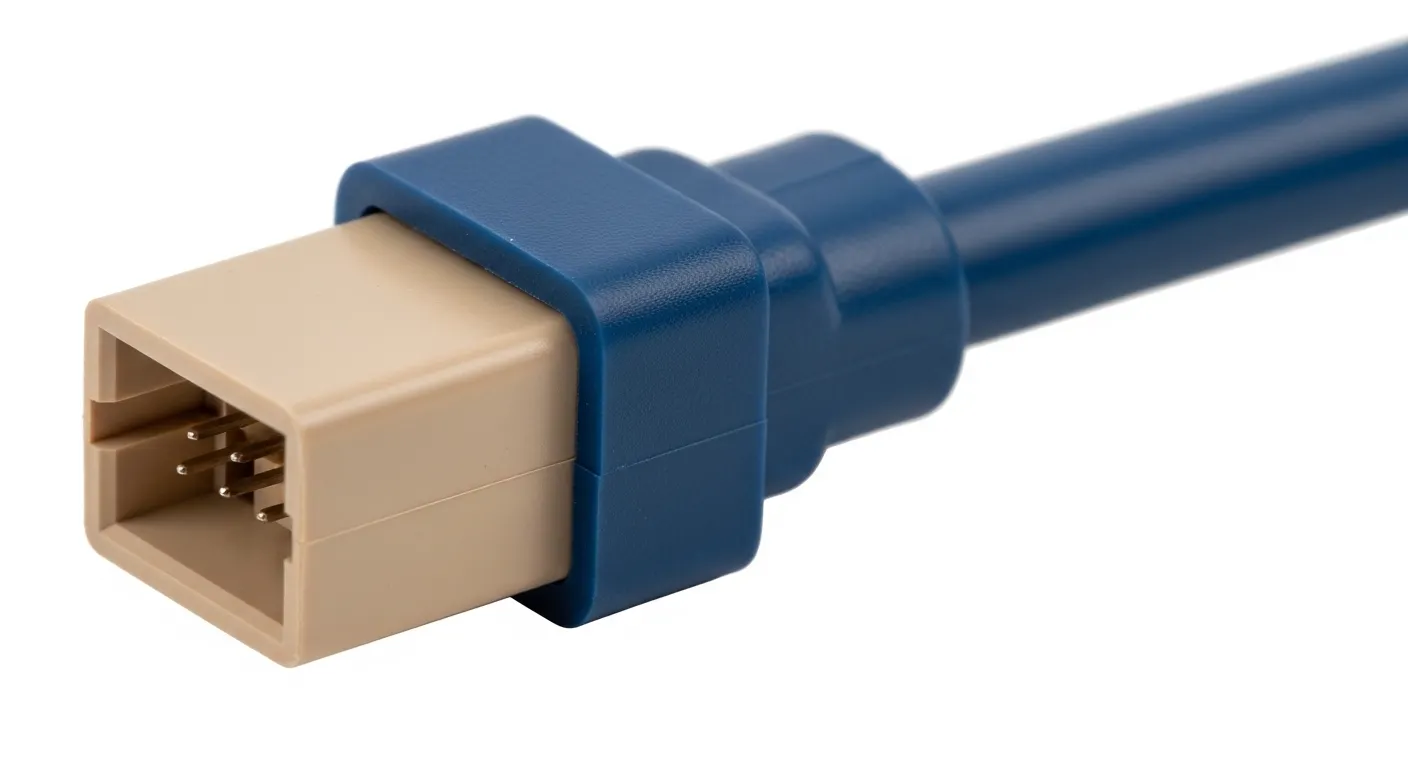
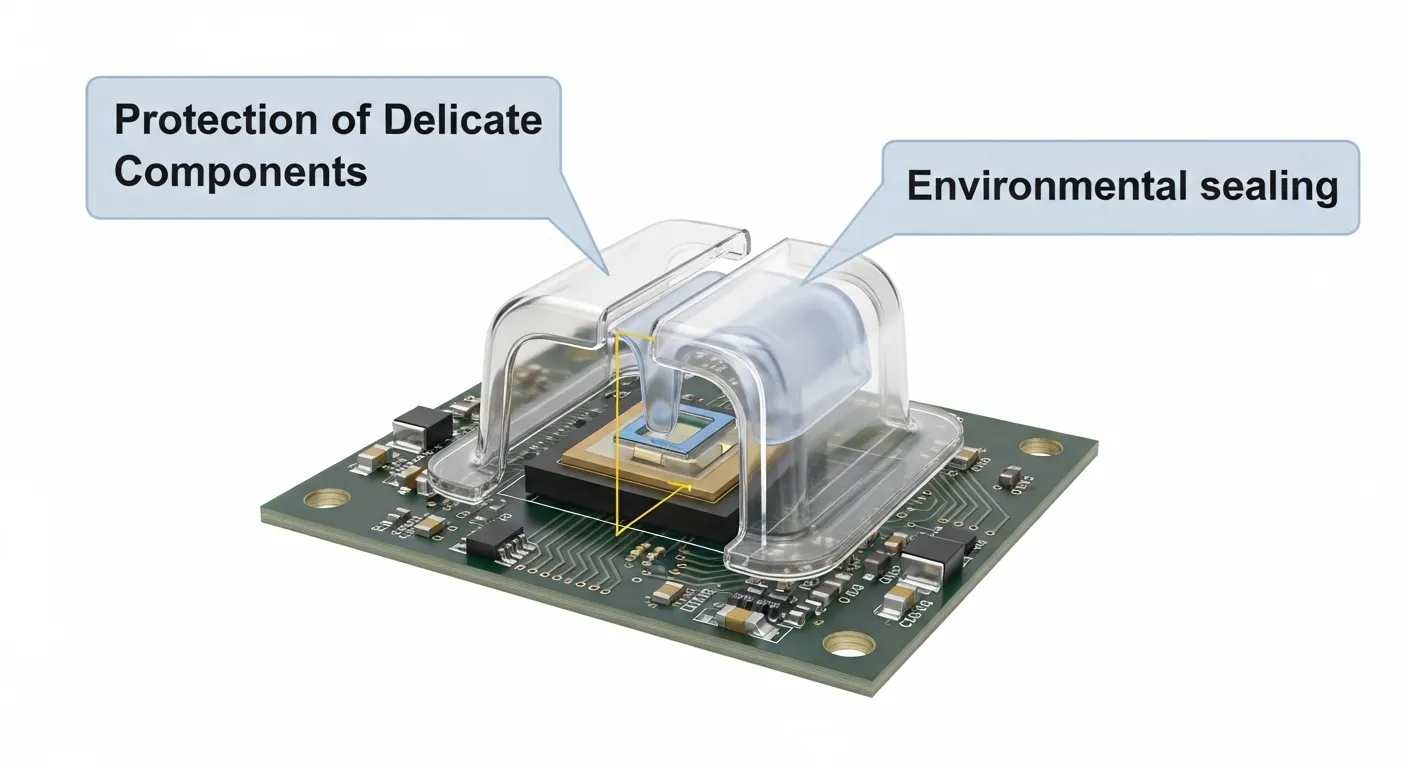
Overmolding and insert molding are advanced manufacturing techniques used to combine multiple materials into a single, functional component. Overmolding involves applying a secondary material over a base substrate, creating a layered, seamless structure that improves ergonomics, grip, or protection. Insert molding embeds pre-fabricated parts, such as metal or threaded components, directly into a plastic body during molding, producing strong, integrated assemblies. These processes offer precision, durability, and enhanced performance, enabling complex designs that would be difficult or impossible with single-material fabrication. Overmolding and insert molding are widely adopted in electronics, automotive, medical devices, and consumer products to improve usability and reliability.
FAQ
1. Are these processes used in medical devices?
Answer:
Yes, for ergonomic instruments and components with embedded functionality.
2. Can insert molding accommodate threaded inserts?
Answer:
Yes, it secures fasteners inside plastic components reliably.
3. Are these methods suitable for consumer products?
Answer:
Yes, widely used for tools, electronics, and kitchen appliances.
4. Are multi-color components possible?
Answer:
Yes, overmolding allows layered colors and textures in a single piece.
5. Do these processes require specialized equipment?
Answer:
Yes, precision molding machines and controlled material injection are necessary.