


What are Secondary Manufacturing Operations? (Types & Benefits)
Secondary manufacturing operations are the additional processes performed on a part after the initial production stage to achieve final specifications. These operations include machining, assembly, and surface finishing to improve functionality, appearance, or precision. While the primary process creates the basic shape, secondary steps ensure the component meets exact engineering tolerances and aesthetic requirements.
In modern production, secondary manufacturing operations transform raw castings or moldings into high-performance industrial components. They bridge the gap between "rough" manufacturing and a market-ready product. Whether it involves drilling precise holes, adding threads, or applying protective coatings, these steps are vital for ensuring parts function correctly within complex assemblies.
Why are Secondary Operations Vital in Manufacturing?
Secondary manufacturing operations are vital because primary processes like casting or molding often have limitations in precision and surface detail. For instance, an injection mould manufacturer in California may produce a perfect plastic housing, but that housing might still require threaded inserts or ultrasonic welding to be functional. Secondary operations provide the "finishing touch" that satisfies strict industry standards.
Throughout my career, I’ve seen projects fail not because the primary mold was bad, but because the secondary machining was overlooked. If you are working with zinc alloy parts, for example, the die-casting process is excellent for speed, but secondary trimming is essential to remove "flash." Without these secondary steps, the part is technically unfinished and often unusable in high-precision environments.
Key benefits of secondary operations include:
- Precision and Accuracy: Achieving tolerances that primary molding cannot reach.
- Added Functionality: Incorporating threads, inserts, or complex internal geometries.
- Superior Aesthetics: Removing tool marks and adding professional finishes.
- Material Enhancement: Improving hardness or corrosion resistance through heat or chemical treatments.
What are the Different Types of Secondary Machining?
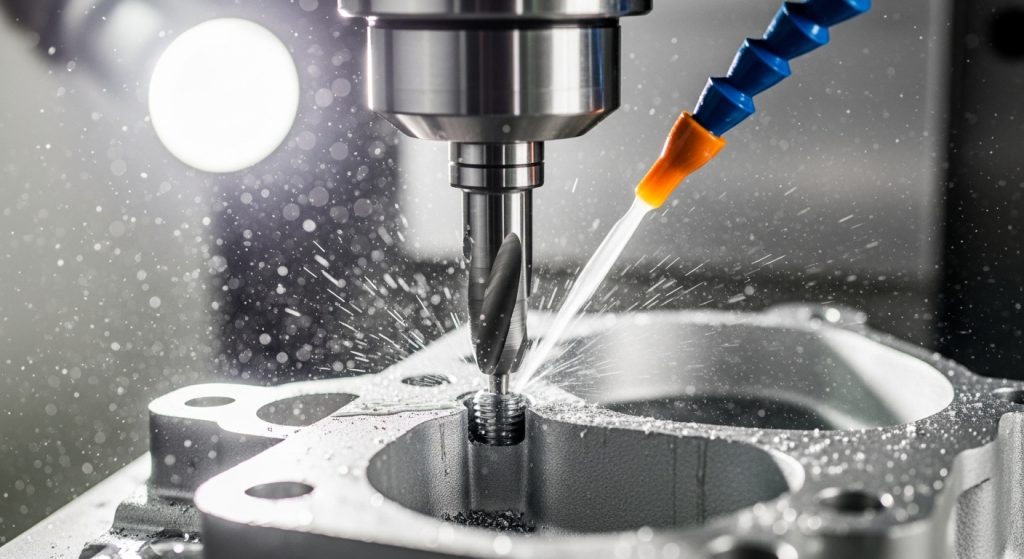
Secondary machining involves removing material from a pre-formed part to create specific features like holes, slots, or threads. Common techniques include drilling, tapping, milling, and reaming. These are especially important for metal components, such as secondary machining for aluminum, where high-precision interfaces are required for assembly.
The table below outlines the most frequent machining tasks performed as secondary operations:
| Machining Type | Primary Goal | Best Applied To |
| Drilling & Tapping | Creating holes and threads | Castings, CNC parts, thick plastics |
| Milling | Refining flat surfaces or slots | Aluminum and Zinc alloys |
| Deburring | Removing sharp edges (flash) | Sheet metal fabrication |
| Reaming | Sizing existing holes precisely | Engine and aerospace components |
Drilling and Tapping
Even the most advanced molds cannot always produce perfect internal threads. Tapping is the secondary process of cutting those threads into a pre-drilled hole. It is a delicate process; if the speed or torque is off, you risk snapping the tap inside a nearly finished part—a mistake that is both costly and frustrating.
Precision Grinding
When a part needs an extremely flat surface or an exact diameter within microns, grinding is the answer. It uses an abrasive wheel to shave off microscopic amounts of material. This is often the final secondary step for shafts, bearings, and high-pressure valves.
How do Surface Finishing Operations Enhance Parts?
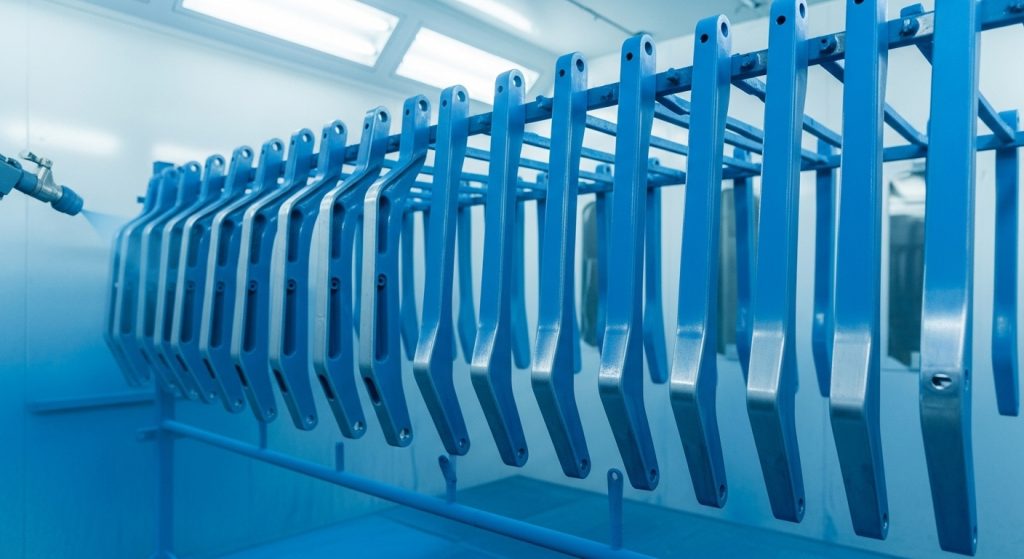
Surface finishing operations are secondary steps that alter the exterior of a part to improve its look or resistance to environmental factors. This includes painting, powder coating, plating, and anodizing. These processes protect the substrate from rust and wear while providing the specific color or texture requested by the end-user.
For an injection mould manufacturer in Canada, surface finishing might involve "in-mold labeling" or secondary pad printing to add logos. In metalwork, it often involves electroplating to prevent oxidation.
Tip: When planning your budget, remember that finishing can sometimes cost as much as the primary manufacturing itself, especially for high-end decorative coatings.
What is the Role of Assembly as a Secondary Operation?
Assembly is the secondary operation where multiple components are joined together to form a sub-assembly or a finished product. This can involve mechanical fastening (screws, rivets), adhesive bonding, or thermal joining (welding). In plastic manufacturing, ultrasonic welding is a popular secondary operation to fuse two halves of a housing without messy glues.
Common assembly techniques include:
- Mechanical Fastening: Using bolts, screws, or clips for a reversible join.
- Solvent Bonding: Using chemicals to partially melt and fuse plastic surfaces.
- Heat Staking: Using thermal energy to deform a plastic stud to lock a component in place.
- Insert Molding: Placing metal parts into a mold before plastic is injected, though often considered a primary process, it frequently involves secondary preparation.
How do Secondary Operations Save Money in the Long Run?
Secondary operations save money by allowing manufacturers to use faster, cheaper primary processes for the bulk of the work while leaving precision details for secondary steps. Instead of trying to "mold in" a complex thread—which makes the mold incredibly expensive and slow—it is often cheaper to mold a blank and tap the thread later as a secondary operation.
Data suggests that optimizing the balance between primary and secondary operations can reduce overall production costs by up to 15-20% [Placeholder for Data]. By simplifying the mold design, you reduce the risk of tool failure and speed up cycle times, allowing for higher volume production.
What are the Challenges of Secondary Manufacturing?
The main challenges include increased lead times, higher labor costs, and the risk of "scrap" late in the production cycle. Every time a part is handled for a secondary operation, there is a chance it could be damaged. If a part is ruined during the final finishing stage, you lose the value of all the previous steps combined.
To mitigate these risks, I recommend:
- Fixturing: Use high-quality jigs to ensure the part is held identically every time.
- Inspection: Perform a "first-article" inspection after every secondary step.
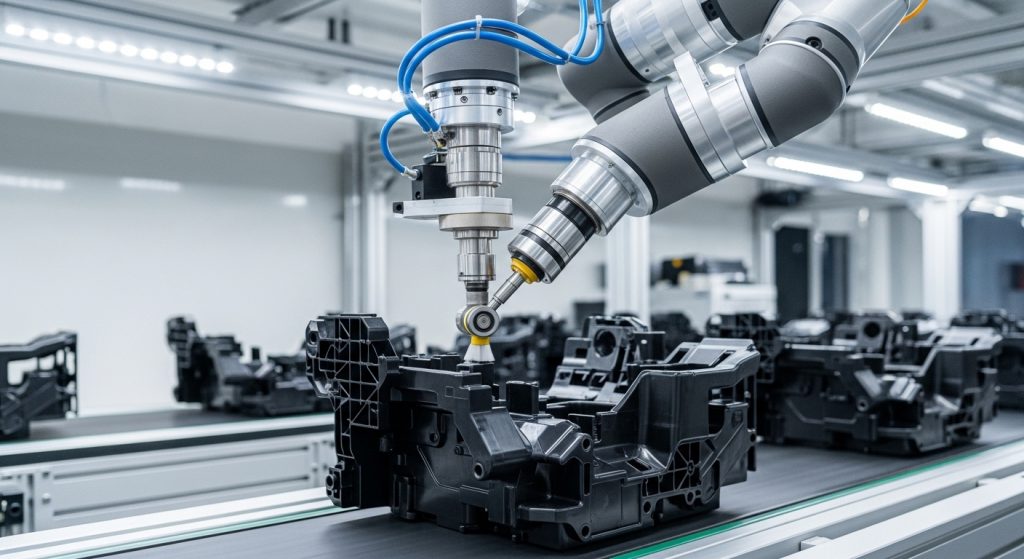
- Automation: Use robotics for repetitive tasks like deburring to maintain consistency.
How to Choose the Right Secondary Operations?
Choosing the right operations depends on the part’s material, its environment, and the final assembly requirements. If the part is internal and won't be seen, you can skip aesthetic finishing. However, if it’s a consumer-facing component, finishing is non-negotiable. Always consult with your manufacturing partner early in the design phase to determine which secondary steps are truly necessary.
Consider these three questions:
- Does it need to be pretty? (If yes: Painting, Polishing, Plating).
- Does it need to be precise? (If yes: Machining, Grinding).
- Does it need to last outdoors? (If yes: Anodizing, UV-Coating, Powder Coating).
The Future: Automation in Secondary Operations
The future of secondary manufacturing lies in the integration of AI and robotics. We are moving away from manual deburring and hand-painting toward fully automated cells. These systems use sensors to detect imperfections and adjust their tools in real-time. This not only speeds up the process but also eliminates the human error that leads to wasted parts.
By embracing these secondary manufacturing operations, you ensure that your products are not just "finished," but are optimized for performance and professional quality.
