


Aluminum Stamping Parts Lightweight Applications
Aluminum stamping parts are the primary solution for industries seeking to reduce product weight without sacrificing structural integrity. By utilizing the high strength-to-weight ratio of aluminum alloys, manufacturers can produce complex, durable components that significantly improve fuel efficiency in vehicles and enhance the portability of consumer electronics. These parts are created through a high-speed fabrication process where aluminum coils are fed into a press and shaped using precision dies. Because aluminum is naturally corrosion-resistant and highly conductive, these stamped parts are essential for thermal management, aerospace engineering, and modern EV (Electric Vehicle) battery enclosures.
Why Aluminum Stamping is Essential for Lightweighting
The global push for "lightweighting"—reducing the weight of a product to improve performance and sustainability—has placed aluminum at the center of modern manufacturing. Unlike steel, aluminum offers a unique combination of low density and high formability.
The Strength-to-Weight Advantage
Aluminum is roughly one-third the weight of steel. This allows engineers to design thicker, more rigid parts that still weigh less than their thinner steel counterparts. In industries like aerospace, every gram saved translates directly into lower fuel costs and higher payload capacities.
Superior Thermal and Electrical Conductivity
Beyond weight, aluminum is an excellent conductor. This makes it the go-to material for heat sinks and electronic housings. When you require precision metal stamping services for custom parts, aluminum is often selected for its ability to dissipate heat while keeping the overall assembly light.
What are the most common uses for aluminum stamping?
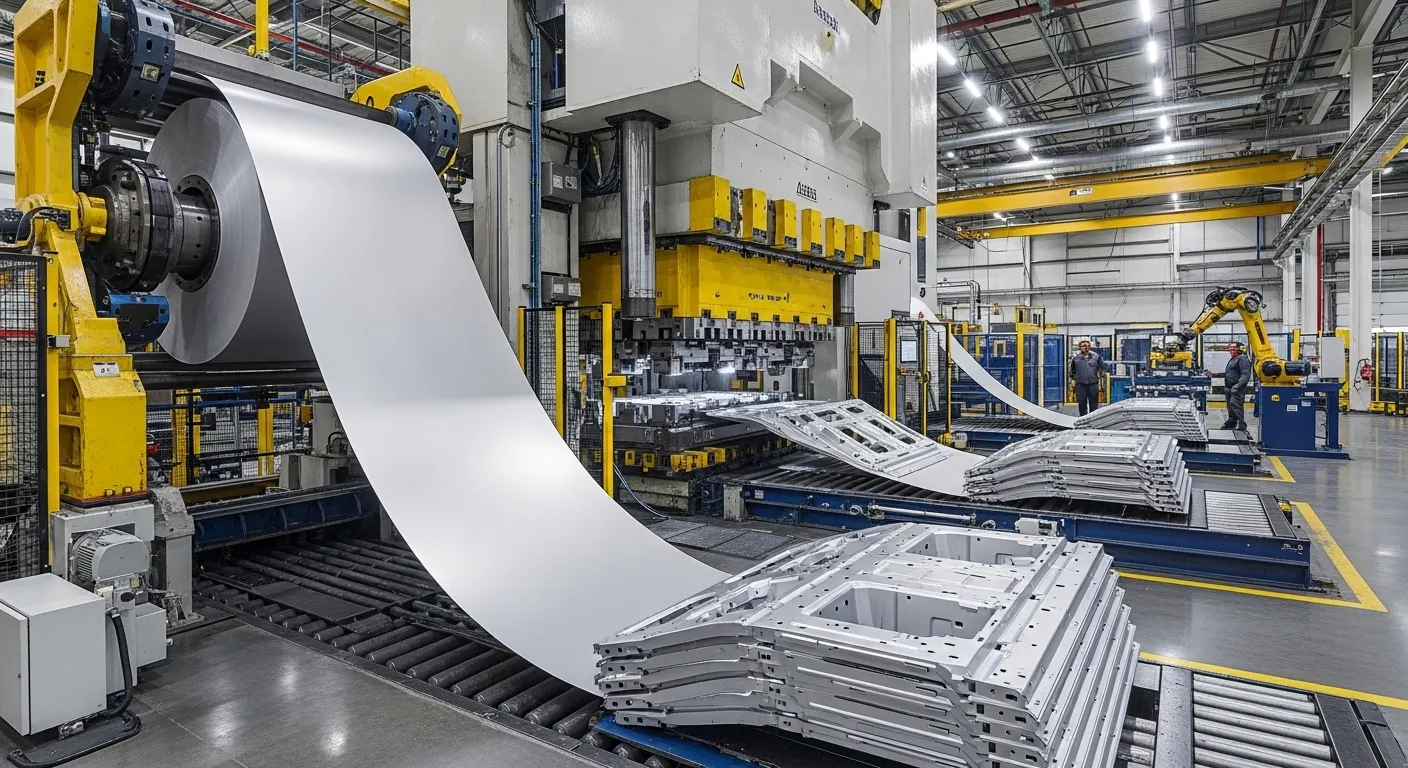
Aluminum stamping is most commonly used in the automotive, aerospace, and electronics industries to create structural components, heat shields, and enclosures. Its versatility allows for the creation of everything from soda cans to complex EV battery trays.
In the automotive sector, aluminum stampings are used for body panels, engine components, and chassis parts. Because the material is easy to recycle, it also supports the growing demand for "green" manufacturing cycles.
How does aluminum stamping improve fuel efficiency in vehicles?
By replacing heavy steel components with aluminum stamping parts, the overall curb weight of a vehicle is reduced, requiring less energy to accelerate. For every 10% reduction in vehicle weight, fuel economy typically improves by 6% to 8%.
In the era of Electric Vehicles (EVs), this weight reduction is even more critical. Lighter frames allow for larger battery packs or longer driving ranges on a single charge. High-volume manufacturers often rely on sheet metal stamping parts high volume production to meet the scale required for the global automotive market.
Is aluminum stamping more expensive than steel stamping?
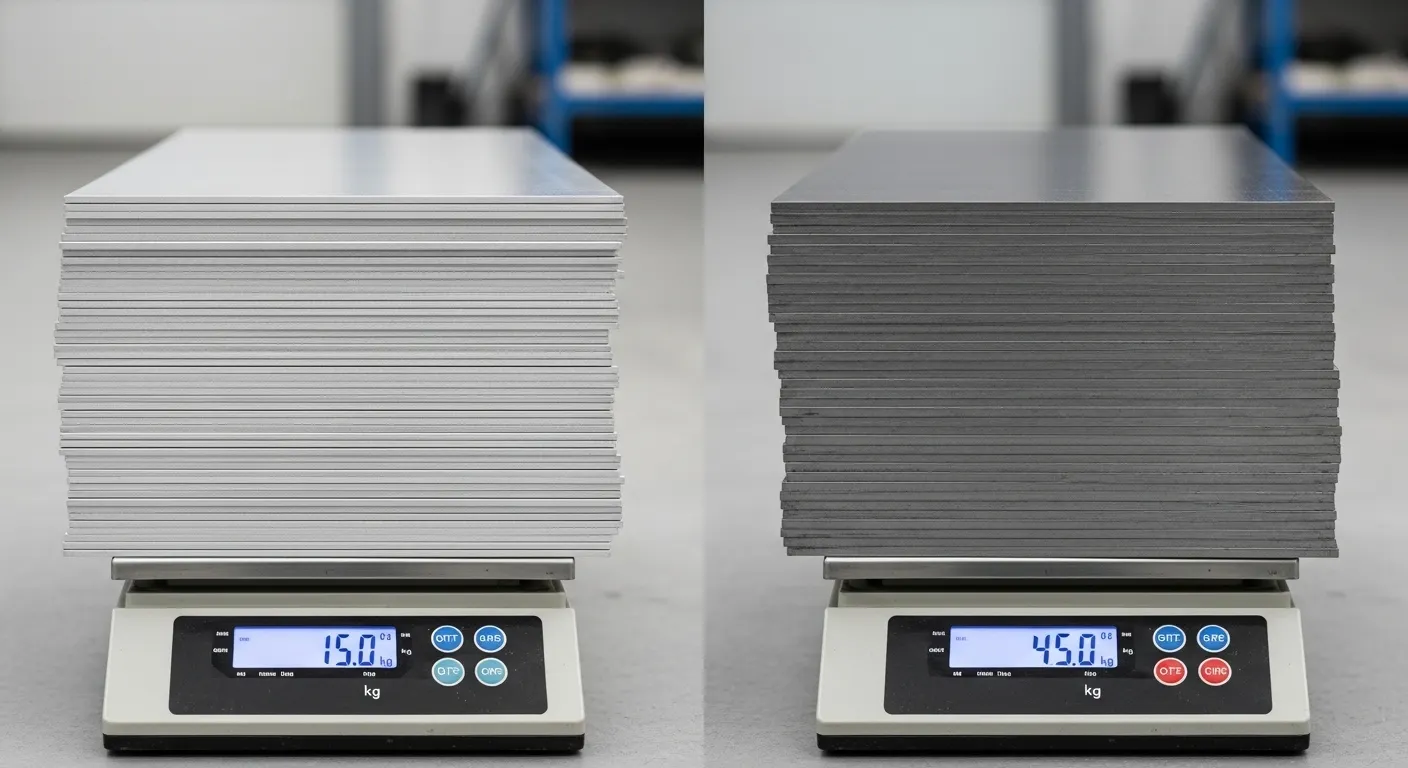
While the raw material cost of aluminum is generally higher than steel, the total cost of ownership is often lower due to reduced shipping costs, faster machining speeds, and the lack of a need for expensive anti-corrosion coatings.
| Feature | Aluminum Stamping | Steel Stamping |
| Weight | Very Low (Approx. 2.7 g/cm³) | High (Approx. 7.8 g/cm³) |
| Corrosion Resistance | Excellent (Natural Oxide Layer) | Poor (Requires Coating/Plating) |
| Formability | High | Moderate to High |
| Recyclability | Extremely High | High |
Key Industries Utilizing Aluminum Stamping Parts
Aerospace and Aviation
In aviation, "weight is flight." Stamped aluminum ribs, brackets, and interior frames provide the necessary strength to withstand high-altitude pressures while keeping the aircraft light enough to be economically viable.
Consumer Electronics
Your laptop frame, smartphone chassis, and tablet housings are likely aluminum stampings. The material provides a premium "feel," excellent EMI shielding, and keeps the device light enough for daily carry.
Renewable Energy
Solar panel frames and mounting brackets utilize aluminum because it survives harsh outdoor environments without rusting. For projects requiring even higher durability in coastal areas, manufacturers sometimes compare these to stainless steel stamping parts corrosion resistant options.
Frequently Asked Questions
The 1000, 3000, 5000, and 6000 series are most common. 3003 is popular for general use, while 5052 and 6061 are chosen for higher-strength structural applications.
Yes, aluminum has excellent ductility, making it ideal for deep drawing processes to create cup-shaped or cylindrical objects like housings and cans.
If not handled correctly, aluminum can "work harden" or crack. This is managed by using the correct temper (like O-temper or T4) and specialized lubricants during the press cycle.
Key Takeaways
- Weight Reduction: Aluminum is 1/3 the weight of steel, making it the premier choice for lightweight applications.
- Efficiency: Using aluminum stampings in transport leads to significant fuel and energy savings.
- Durability: Natural corrosion resistance ensures a long lifecycle without the need for additional chemical treatments.
- Scalability: Aluminum is highly compatible with high-speed, high-volume stamping presses for mass production.
Conclusion
Aluminum stamping parts for lightweight applications are no longer an "alternative" choice—they are a manufacturing necessity. From extending the range of electric vehicles to making aerospace travel more sustainable, the benefits of aluminum are clear. If your next project requires a balance of strength, weight, and precision, choosing the right aluminum alloy and stamping partner is the first step toward success.
