


Automotive Metal Stamping Components: OEM Quality
OEM quality automotive metal stamping components are high-precision parts manufactured to match the exact specifications, tolerances, and material standards set by original vehicle manufacturers. These components—ranging from structural chassis parts to intricate engine brackets—are produced using heavy-duty presses and custom dies to ensure structural integrity and seamless fitment. Achieving OEM quality means prioritizing dimensional accuracy, material fatigue resistance, and superior surface finishes. By using advanced stamping techniques, manufacturers can produce high volumes of consistent, durable parts that meet the rigorous safety and performance demands of the modern automotive industry.
What Defines OEM Quality in Automotive Metal Stamping?
To reach OEM standards, a component must undergo a rigorous validation process. It isn't just about the shape; it’s about the chemical composition of the metal and the precision of the strike.
- Dimensional Accuracy: Parts must fit perfectly into automated assembly lines without manual adjustment.
- Material Integrity: Using the correct gauge and grade of steel or aluminum to ensure the part performs under stress.
- Repeatability: The 1,000th part must be identical to the 1st part off the press.
The Role of Precision Dies
The heart of OEM quality lies in the tooling. High-grade tool steel dies ensure that the metal is sheared and formed without micro-cracks or thinning that could lead to premature part failure.
What Are the Most Common Materials for Automotive Stamping?
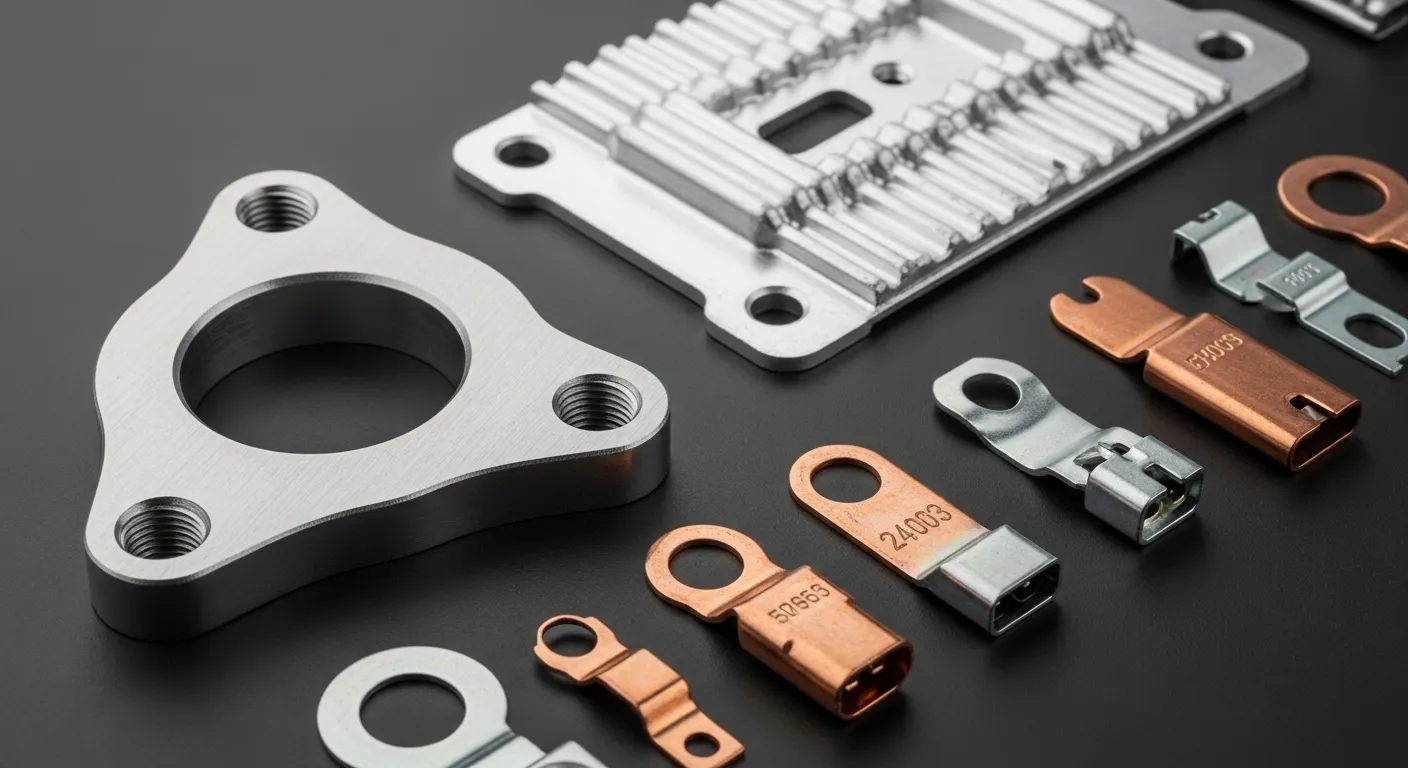
The automotive industry relies on a variety of metals to balance weight, strength, and cost. Choosing the right material is the first step in ensuring automotive metal stamping components OEM quality.
- Steel: High-strength, low-alloy (HSLA) steel is the standard for structural safety.
- Stainless Steel: Often used for exhaust systems and trim. For parts requiring high durability, stainless steel stamping parts corrosion resistant are the industry gold standard.
- Aluminum: Increasingly popular for fuel efficiency. Aluminum stamping parts lightweight applications help reduce vehicle mass without sacrificing protection.
- Copper & Brass: Essential for the "nervous system" of the car. Copper and brass metal stamped components electrical are used in connectors and sensors.
How Long Do Metal Stamping Dies Last?
People Also Ask: Most high-volume automotive stamping dies are designed to last for 1 to 2 million hits before requiring significant maintenance or replacement. The lifespan depends heavily on the material being stamped and the complexity of the part design.
To maintain OEM quality, manufacturers implement preventative maintenance schedules. This involves polishing the die surfaces and checking for wear after a specific number of cycles. If a die wears down, the "burr" (the rough edge of the metal) becomes too large, failing quality inspections.
What is the Difference Between Progressive and Transfer Die Stamping?
People Also Ask: Progressive die stamping performs multiple operations at different stations simultaneously while the metal remains on a continuous coil. Transfer die stamping moves individual, pre-cut blanks between stations, making it better suited for large or complex parts like car doors or frames.
| Feature | Progressive Die Stamping | Transfer Die Stamping |
| Production Speed | Very High | Moderate |
| Part Size | Small to Medium | Large/Deep Shells |
| Material Usage | Higher Scrap Rate | Lower Scrap Rate |
| Best For | Terminals, Brackets, Clips | Chassis Parts, Body Panels |
How is Quality Control Managed in Automotive Stamping?
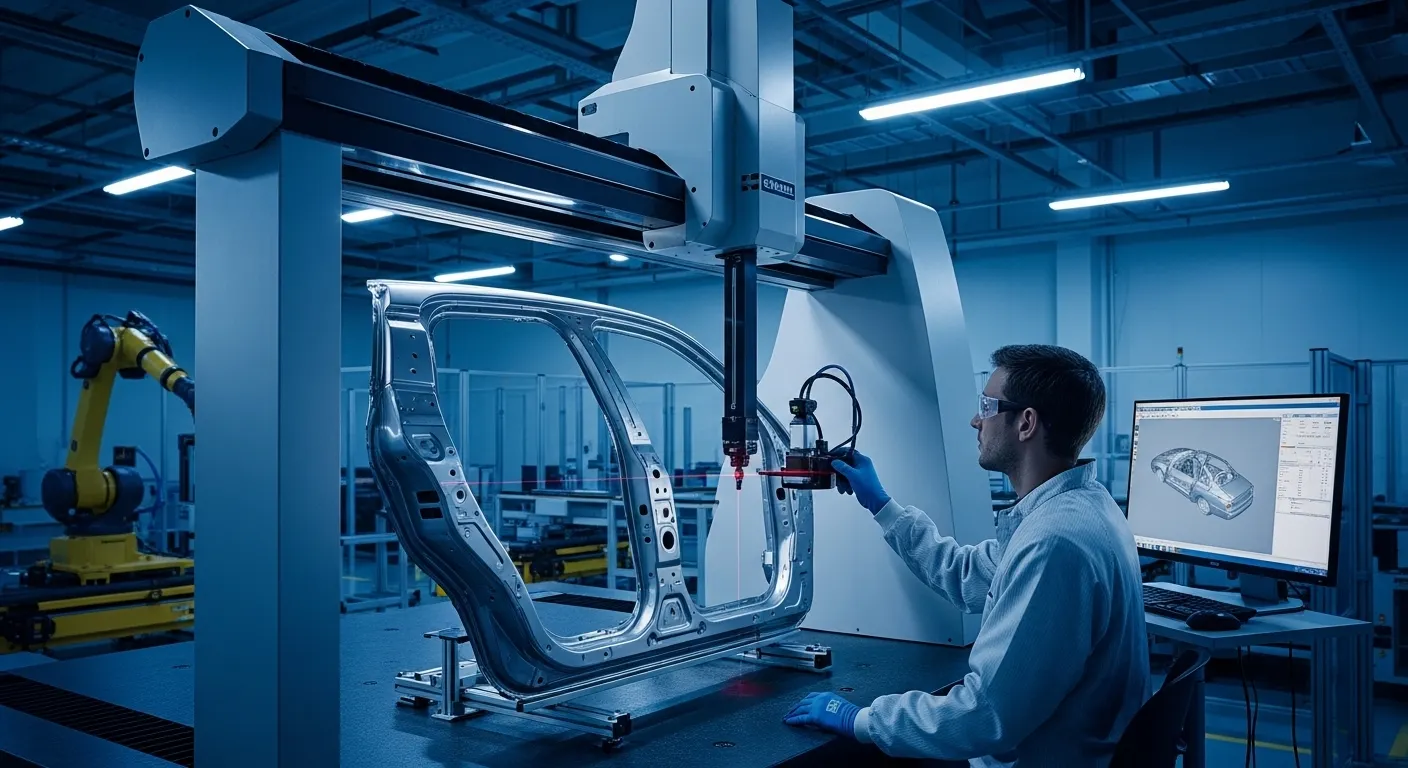
Quality isn't just checked at the end; it is built into the process. To guarantee automotive metal stamping components OEM quality, shops utilize several layers of technology:
- Sensors in the Press: These detect if a part hasn't cleared the die, preventing "double hits" that damage tooling.
- CMM (Coordinate Measuring Machines): These use lasers or probes to measure parts against a 3D CAD model with micron-level precision.
- Visual Inspection Systems: High-speed cameras scan every part for surface defects or cracks that the human eye might miss.
Frequently Asked Questions
OEM quality ensures that the parts meet the original safety crash ratings and performance specifications of the vehicle. Non-OEM parts may have slight deviations that lead to vibrations, poor fitment, or structural weakness.
While steel is naturally denser, specific heat-treated aluminum alloys can achieve impressive strength-to-weight ratios, which is why they are frequently used in modern vehicle frames and hoods.
Common causes include worn-out dies, improper lubrication, or variations in the raw material’s thickness (gauge). Using high-quality coils is essential for maintaining consistency.
Yes. EVs require a massive amount of stamped components, particularly for battery housings and high-conductivity electrical busbars made from copper.
Key Takeaways
- Precision Matters: OEM quality is defined by strict adherence to tolerances and material grades.
- Material Selection: Choosing between stainless steel, aluminum, or copper depends on the part’s role in weight reduction or conductivity.
- Advanced Tooling: The use of progressive and transfer dies allows for high-volume production without losing accuracy.
- Rigorous Testing: Quality control through CMM and automated sensors is non-negotiable for automotive safety.
Conclusion
Securing automotive metal stamping components of OEM quality is the backbone of reliable vehicle manufacturing. By leveraging the right materials—from lightweight aluminum to corrosion-resistant stainless steel—and utilizing precision die technology, manufacturers can ensure every component performs under pressure. Whether you are developing structural brackets or intricate electrical connectors, high-standard stamping is the key to longevity and safety on the road.
