


Copper and Brass Metal Stamped Components Electrical
Copper and brass metal stamped components electrical parts are the backbone of modern power distribution due to their superior conductivity, durability, and thermal management. Copper is favored for high-performance wiring and connectors because it offers the highest electrical conductivity of any non-precious metal. Brass, an alloy of copper and zinc, is utilized when components require a balance of conductivity, structural strength, and corrosion resistance. These components are created through precision metal stamping—a process where flat metal sheets are fed into a press and formed into specific shapes using a die. This method ensures high repeatability and cost-effectiveness for essential parts like terminals, busbars, and switchgear components used in automotive, industrial, and consumer electronics.
Why are Copper and Brass Preferred for Electrical Stamping?
In the world of electrical engineering, material choice dictates the efficiency and safety of a system. Copper is the industry standard for conductivity; it allows electricity to flow with minimal resistance, which reduces heat buildup. Brass, while slightly less conductive than pure copper, is significantly harder and more resistant to wear, making it ideal for moving parts or fasteners within electrical assemblies.
Key Properties of Copper and Brass
- High Conductivity: Copper’s low resistivity ensures efficient power transmission.
- Thermal Conductivity: Both metals dissipate heat quickly, preventing component failure.
- Malleability: These materials can be formed into complex shapes without cracking.
- Corrosion Resistance: Natural oxide layers protect the base metal, especially when using stainless steel stamping parts corrosion resistant as a comparison for harsh environments.
What are the Main Applications of Stamped Electrical Components?
Copper and brass stamped parts are found in almost every electrical device. In automotive systems, they form the lead frames and connectors that power sensors and infotainment. In residential settings, they are the internal "guts" of your wall outlets and circuit breakers.
For businesses looking to scale, utilizing sheet metal stamping parts high volume production is the most efficient way to manufacture these components. This ensures that every terminal or ground strap is identical, maintaining the integrity of the electrical circuit across millions of units.
Which is Better for Electrical Connectors: Copper or Brass?
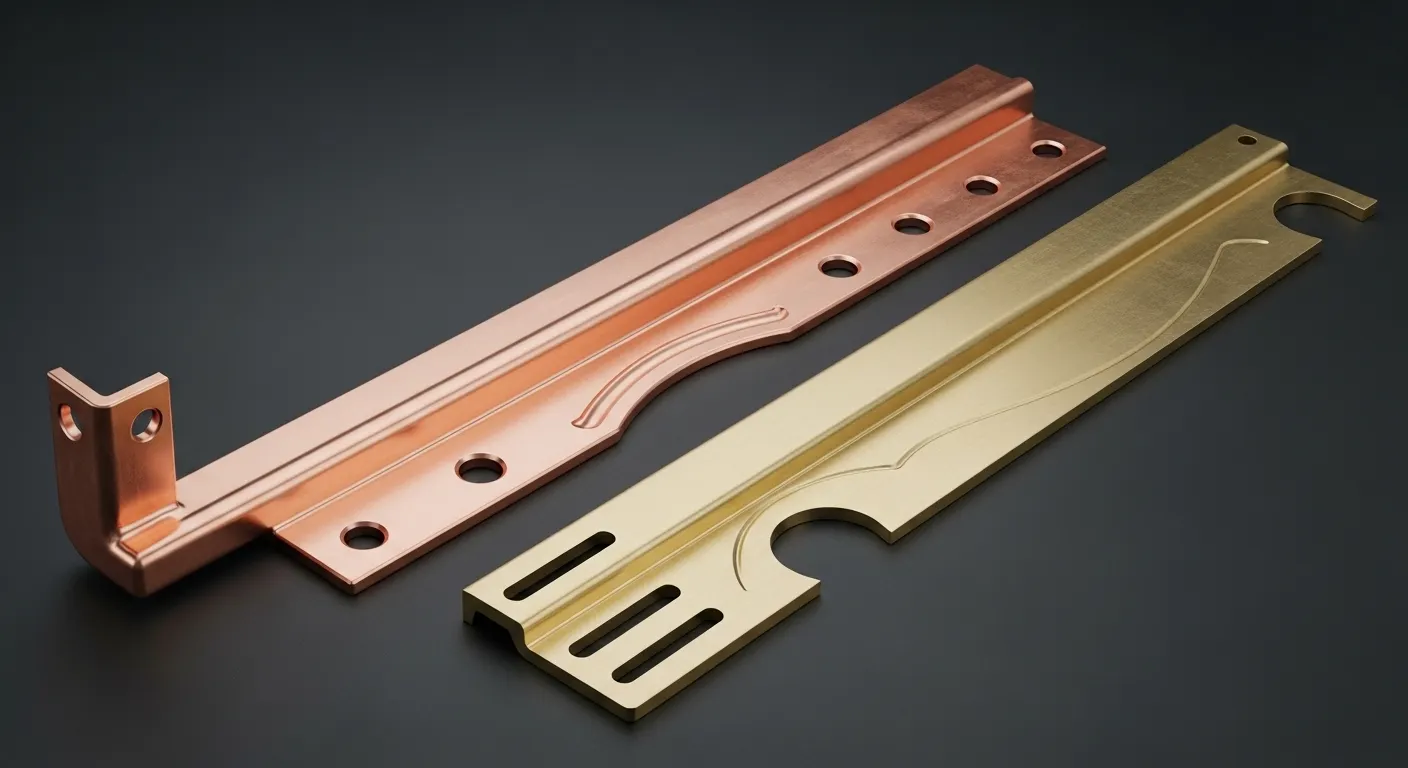
Copper is better for maximum conductivity and flexibility, while brass is superior for applications requiring mechanical strength and easy machining. If your component needs to carry a high current with minimal loss, choose copper; if it needs to withstand repeated plugging and unplugging, brass is often the better choice.
| Feature | Pure Copper | Brass (C260/C360) |
| Electrical Conductivity | ~100% IACS | 25% - 50% IACS |
| Tensile Strength | Lower | Higher |
| Corrosion Resistance | Excellent | Very Good |
| Typical Use | Busbars, heavy-duty lugs | Plugs, pins, switch parts |
How Does Precision Metal Stamping Improve Electrical Performance?
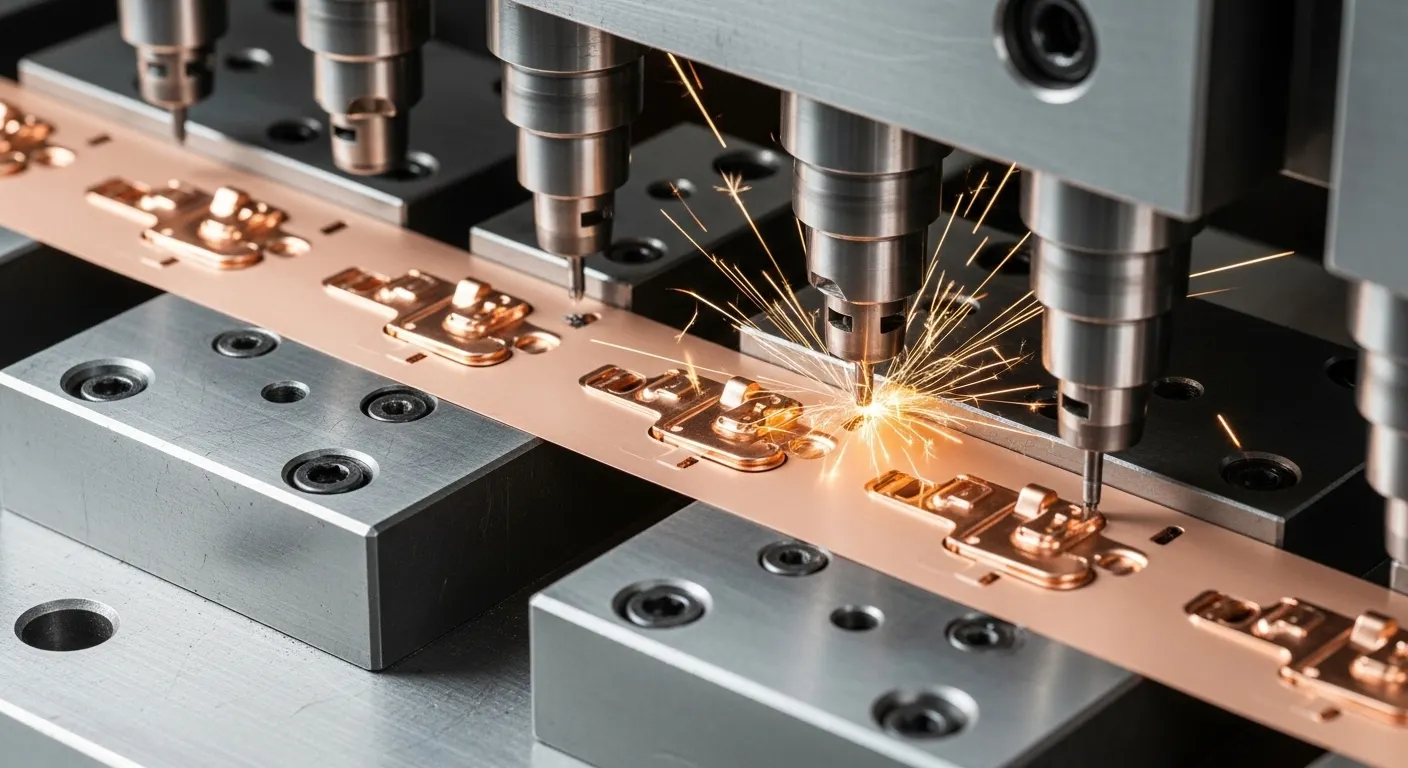
Precision stamping allows for extremely tight tolerances, which is critical for electrical "fit and function." If a connector is even a fraction of a millimeter off, it can cause "arcing" or a total circuit failure.
By using progressive die stamping, manufacturers can incorporate multiple features—like bends, holes, and coinings—into a single press stroke. This is particularly useful when creating aluminum stamping parts lightweight applications, where weight reduction is prioritized alongside conductivity.
Is Brass More Corrosion Resistant Than Copper?
Brass is generally more resistant to certain types of corrosion, such as "season cracking," compared to pure copper in specific environments. However, both metals eventually develop a patina that actually protects the metal underneath from further degradation.
In high-moisture or chemical environments, manufacturers often plate these stamped parts with tin, silver, or nickel to enhance their lifespan and maintain a clean contact surface for electrical flow.
Frequently Asked Questions
C11000 (Electrolytic Tough Pitch) is the most common due to its 100% conductivity rating and excellent formability.
Yes, many manufacturers use pre-tinned copper strips to save time, though the sheared edges will expose the base metal.
Copper is more conductive and takes up less space, but aluminum is lighter and more cost-effective for large-scale power distribution.
Key Takeaways
- Conductivity is King: Copper is the top choice for high-efficiency electrical paths.
- Brass for Strength: Use brass when the component requires mechanical durability or threaded features.
- Stamping for Scale: Metal stamping is the only viable way to produce high-volume, high-precision electrical parts.
- Plating Matters: Consider tin or nickel plating to prevent oxidation and improve solderability.
Conclusion
Copper and brass metal stamped components are essential for the reliability of modern electrical systems. By choosing the right alloy and utilizing precision stamping techniques, you ensure that your products remain safe and efficient.
